
TL;DR

Get cleaning gear delivered free with Prime
- Fast, free delivery on millions of items
- Prime Video, Amazon Music and more included
- Member-only deals all year
Forecasters and agricultural specialists say a strong El Niño could make warmer, drier conditions more likely in the northern U.S. and wetter, cooler conditions more likely in the South. Those patterns could affect plants, turf, pests and planting schedules, but regional outcomes are not certain. Gardeners can prepare by following forecasts, protecting new plants, improving drainage and keeping evergreens watered until the ground freezes.
A strong El Niño could raise the chances of contrasting winter conditions across the United States, with warm, dry weather more likely in the North and wetter, cooler conditions more likely in the South, agricultural climate experts say. The pattern could affect lawns and gardens through frost heave, plant disease, pests and delayed planting, though forecasts cannot determine exactly what conditions any particular area will experience.
El Niño is part of the El Niño–Southern Oscillation (ENSO), a climate pattern linked to warmer-than-average surface waters in the tropical Pacific. Agricultural climatologist Pam Knox of the University of Georgia said indications point to a potentially very strong event. Agricultural meteorologist Eric Hunt of the University of Nebraska Extension Service said waters along the equator have been reported at about 10 to 12 degrees above average in some areas. The source report does not specify the measurement period or baseline used for that figure.
The likely effects vary by region. Knox said the northern U.S. typically sees drier, warmer air and less precipitation during El Niño, while the Gulf Coast and South may be wetter, cooler, stormier and more overcast. Hunt cautioned that these are changes in probability, not guarantees. A strong El Niño can influence storm tracks, but it does not determine local weather on a fixed schedule.
In the North, mild conditions and limited snow cover could allow more pests and weeds to survive winter, while fruit trees may receive too few chill hours. Freeze-thaw cycles may push newly planted shrubs or perennials out of the ground, and sleet or freezing rain can weigh down branches. In the South, persistent wetness and cloud cover may raise the risk of fungal disease in plants and turf, slow fruit development, delay spring planting and postpone the green-up of warm-season grass.
Regional Risks for Plants and Turf
The practical concern for gardeners is not that El Niño will produce one uniform national outcome, but that it may shift the odds of weather hazards by region. A northern garden could face inadequate snow cover and freeze-thaw damage even during a relatively mild winter. In parts of the South, prolonged moisture may leave beds and lawns vulnerable to fungal problems and make it harder to work the soil or plant on schedule.
These effects can influence more than appearance. Insufficient winter chill may affect some fruit crops, while waterlogged areas can stress plants and complicate maintenance. Storms and ice can also expose weak tree branches. Preparing for a range of conditions can reduce avoidable damage, but gardeners should base decisions on local forecasts and site conditions, rather than assuming the seasonal pattern will occur everywhere.
Products Worth Considering

Dyson W1 PencilWash Cordless Wet and Dry Floor Cleaner with Dock
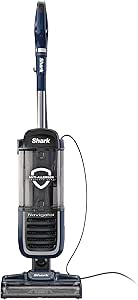
Shark Navigator Swivel Pro Upright Vacuum NV151

Philips Hue White and Color Ambiance Smart Light Starter Kit with Bridge and 4 A19 Bulbs
As an affiliate, we earn on qualifying purchases.
How El Niño Shapes Winter Weather
El Niño occurs irregularly, roughly every two to seven years, as changes in tropical Pacific ocean temperatures influence atmospheric circulation and weather patterns. The report notes that “Super El Niño” is not a formal meteorological term. Iowa State University Extension and Outreach specialist Madelynn Wuestenberg described categories based on sea-surface temperature departures: readings 0.5 degrees above historical averages indicate a weak event, while departures greater than 2 degrees are categorized as very strong.
Those categories describe the ocean signal, not a promise of identical conditions in every state. Hunt said El Niño can affect storm tracks and contribute to regional drought or flooding, but a seasonal outlook cannot specify precisely what will happen in an individual garden. The report’s gardening advice is therefore precautionary: monitor forecasts, address known drainage or tree issues, and protect plants according to local exposure.
“We can say certain conditions are more probable, but we can’t say exactly what will happen.”
— Eric Hunt, agricultural meteorologist, University of Nebraska Extension Service
Local Weather Is Still Uncertain
The seasonal pattern does not establish what weather a particular city or property will receive. The source report does not provide a state-by-state forecast, quantified probabilities for the garden risks, or a confirmed timeline for local impacts. Its descriptions are typical El Niño tendencies, not guarantees; other weather patterns can alter outcomes. It is also unclear from the supplied material how the reported Pacific temperature departures were measured, including their time window and comparison baseline.
Gardeners should not assume that every northern area will be dry or every southern area wet. The extent of any effects on pests, fruit crops, lawn disease and planting dates will depend on local temperatures, precipitation, plant varieties and site conditions. Updated forecasts will be needed as the season develops.
Use Forecasts to Guide Preparation
Gardeners can check updated local outlooks and short-range hazard forecasts before taking weather-sensitive steps. Wuestenberg recommends using eight- to 14-day hazard outlooks for advance planning and checking shorter-range forecasts as conditions approach. Forecasts should guide decisions about freezes, heavy rain and other hazards rather than serve as a substitute for observing conditions on the property.
For newly planted perennials and shrubs, mulch can help protect roots from freeze-thaw cycles and reduce moisture loss; it may also lower the risk of frost heave. Address runoff problems and clear gutters so heavy rain can drain away from the home. Inspect trees for damaged or overhanging branches, and consult a certified arborist about health or structural concerns. Continue watering evergreens, especially recent plantings, when there has been little rain, until the ground freezes. The supplied report gives no date for a final seasonal forecast, so preparation should be adjusted as local updates arrive.
Key Questions
Does El Niño guarantee a warmer, drier winter where I live?
No. Experts describe regional tendencies, not guaranteed local outcomes. Local weather can differ, so check forecasts for your area.
What lawn and garden problems could occur in the North?
Potential concerns include pests and weeds surviving winter, insufficient chill hours for some fruit trees, frost heave of new plantings, and damage from ice or freezing rain.
What should Southern gardeners watch for?
Wetter, cooler and cloudier conditions could raise the risk of fungal disease, slow fruit development, delay planting and postpone warm-season lawn green-up.
What can I do to protect new shrubs and perennials?
Apply mulch around newly planted shrubs and perennials to help protect roots from freeze-thaw cycles and conserve moisture. Keep mulch from being piled against plant stems.
Should I keep watering evergreens during winter?
Yes, when there is little rain, continue watering evergreens—especially newly planted ones—until the ground freezes, according to the advice in the source report.
Source: housebeautiful.com