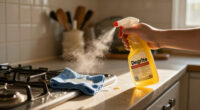
Spring scents in cleaners can trigger more irritation than you might expect because these fragrances often hide synthetic compounds that provoke allergic reactions. If you’re sensitive or suffer from seasonal allergies, these seemingly pleasant aromas can lead to discomfort, like sneezing or itchy eyes. Misleading labels can make it hard to identify irritants, so knowing what to look for is essential. Want to make better choices? There’s more to take into account when selecting the right products for your home.

Get cleaning gear delivered free with Prime
- Fast, free delivery on millions of items
- Prime Video, Amazon Music and more included
- Member-only deals all year
Key Takeaways
- Spring scents often contain synthetic compounds that can trigger allergic reactions in sensitive individuals.
- Misleading labeling of “natural fragrances” can conceal harsh chemicals that cause irritation.
- Seasonal allergies may amplify sensitivity to fragrances, leading to discomfort like sneezing or itchy eyes.
- Lack of ingredient transparency makes it difficult for consumers to identify potential irritants in cleaners.
- Essential oils may seem safer but can still provoke reactions in some individuals, requiring careful selection.
As the days grow warmer and flowers begin to bloom, you might find yourself craving fresh scents in your home. It’s no surprise that spring scents in cleaners often promise to bring the essence of nature indoors. However, these seemingly inviting fragrances can sometimes trigger more irritation than you expect. Understanding what’s actually in those products can help you make better choices.
Many cleaners tout “natural fragrances,” but the term can be misleading. While you might think of these fragrances as being derived from flowers or herbs, they can still contain synthetic compounds that provoke allergic reactions. Chemical reactions in your body might kick in, especially if you have heightened sensitivity levels or suffer from seasonal allergies. What starts as a pleasant aroma could quickly become a source of discomfort, leaving you sneezing or with itchy eyes.
Many cleaners advertise “natural fragrances,” but these can still contain irritating synthetic compounds that trigger allergic reactions.
Ingredient transparency is vital when you’re shopping for cleaning products. Some brands use marketing strategies that emphasize natural scents without fully disclosing all the ingredients involved. This lack of transparency can lead to consumer awareness issues. You might think you’re buying a product that’s gentle and natural, only to find out later that it contains harsh chemicals that exacerbate your allergies. Being aware of ingredients can help you avoid hidden irritants. Ingredient transparency is especially important for sensitive individuals.
It’s essential to read labels carefully. Look for products that clearly list all ingredients, including any added fragrances. If you see terms like “fragrance” or “parfum,” it’s worth doing a little digging. These terms can mask a variety of synthetic chemicals that could trigger reactions. Manufacturers often capitalize on the beauty of spring scents, but they don’t always prioritize consumer health. Choosing products with full ingredient disclosures can help you feel more confident about what you’re using.
When you opt for cleaners with essential oils—like lavender or lemon—you might feel more confident about their safety. However, even natural ingredients can cause reactions in sensitive individuals. It’s a delicate balance; what smells delightful to one person might be intolerable for another. Additionally, understanding the potential presence of synthetic chemical compounds in many products can help you make more informed choices. Being aware of these chemicals can help you avoid unnecessary irritation and health issues.
As you freshen up your space this spring, be mindful of the cleaners you choose. Consider alternatives that are both effective and free from irritating fragrances. By prioritizing ingredient transparency and remaining aware of your own sensitivity levels, you can create a home that’s both fresh and safe. Embrace the beauty of spring, but don’t let it come at the cost of your comfort.
Products Worth Considering

Sonos Era 100 SL Compact Microphone-Free Speaker, Black

Shark IQ Robot Self-Empty XL Robot Vacuum with Home Mapping, Self-Cleaning Brushroll, and Wi-Fi, Black

Philips Hue Festavia Globe Outdoor String Lights, 8 Bulbs, 22 ft
As an affiliate, we earn on qualifying purchases.
Frequently Asked Questions
Are Natural Cleaners Less Irritating Than Synthetic Ones?
Natural cleaners can be less irritating than synthetic ones, but it really depends on the ingredients used. Eco-friendly options often prioritize ingredient transparency, allowing you to see exactly what’s in the product. While many find that plant-based cleaners are gentler on their skin and respiratory systems, some natural ingredients can still cause reactions. Always check labels and try products to see what works best for you, ensuring a safer cleaning experience.
How Can I Identify Allergens in Cleaning Products?
To identify allergens in cleaning products, you’ll want to check for ingredient transparency. Do you know that not all brands disclose their full ingredient list? Look for products with clear fragrance labeling, as many allergens can hide under vague terms like “fragrance” or “parfum.” Researching ingredients online or choosing brands committed to transparency can help you avoid potential irritants and make safer choices for your home.
What Are Common Symptoms of Fragrance Sensitivity?
If you have fragrance allergies or scent sensitivity, you might experience symptoms like headaches, sneezing, or skin irritation. You may also notice respiratory issues, such as coughing or wheezing, when exposed to strong scents. These reactions can happen even with mild fragrances. It’s important to pay attention to your body’s signals and avoid products that trigger these symptoms, ensuring a more comfortable environment for yourself and others around you.
Are Unscented Cleaners Available for Sensitive Individuals?
Yes, unscented cleaners are definitely available for sensitive individuals like you. You’ll find that many brands prioritize ingredient transparency, ensuring you know exactly what’s in your cleaners. While scented alternatives may seem appealing, they can cause irritation for some. By choosing unscented options, you can enjoy a fresh, clean space without the worry of unpleasant reactions. It’s all about finding what works best for your sensitivities!
How Can I Reduce Irritation From Cleaning Products?
To reduce irritation from cleaning products, adjust your cleaning routines. Opt for unscented or low-fragrance alternatives that are less likely to trigger reactions. You can also try using natural ingredients like vinegar or baking soda for cleaning, as these often have milder effects. When you do use scented products, guarantee good ventilation. Finally, consider wearing gloves and a mask to protect your skin and respiratory system while you clean.
Conclusion
In the dance of spring scents, your home might feel fresh, but don’t let that bouquet mask the hidden irritants lurking in cleaners. Just like a beautiful flower can have thorns, those delightful fragrances can stir up sneezes and discomfort. So, when you’re sprucing up your space, remember: a clear conscience and a clean home don’t always come wrapped in floral notes. Choose wisely, and let your senses guide you toward gentler options.