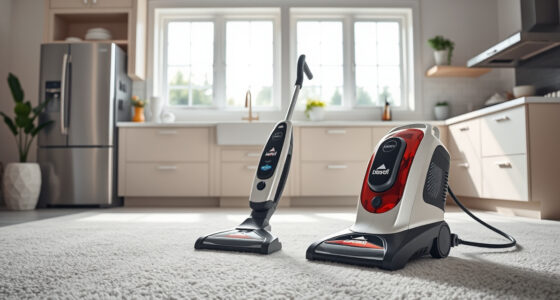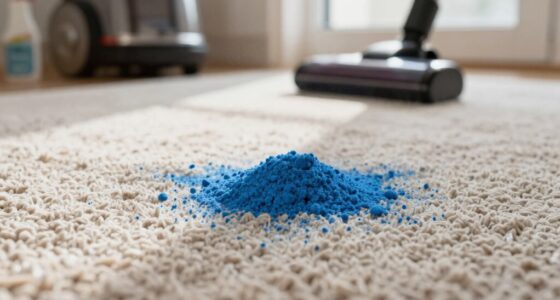


Carpet powders can make your home smell fresh and look clean, but they often leave behind residues that may harm your family and pets. These residues can cause allergies, respiratory issues, or skin irritation if not properly handled. Plus, many contain chemicals that impact the environment. If you want a safer, eco-friendly way to keep your carpets clean, understanding how to detect and remove residue is key—you’ll find helpful tips below.

Get cleaning gear delivered free with Prime
- Fast, free delivery on millions of items
- Prime Video, Amazon Music and more included
- Member-only deals all year
Key Takeaways
- Carpet powders can trap dirt and odors but may leave harmful residues that affect indoor air quality and health.
- Residues can cause allergic reactions, respiratory issues, and pose ingestion risks to pets and children.
- Visual signs of residue include powdery patches, dull fibers, lingering odors, and difficulty vacuuming.
- Many powders contain synthetic chemicals that harm the environment and may persist in carpets over time.
- Safer alternatives like natural baking soda, enzymatic cleaners, and thorough vacuuming reduce chemical exposure and residue buildup.
Are Carpet Powder Residues Safe for Your Family and Pets?
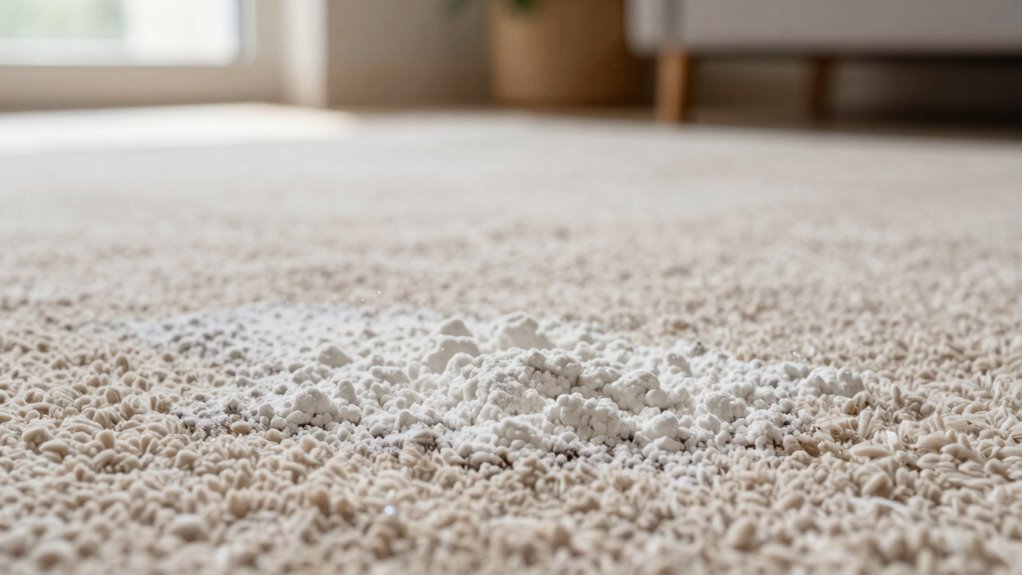
Carpet powder residues can pose health risks to your family and pets if not used carefully. If anyone has pet allergies, these residues might trigger sneezing, itching, or respiratory issues. Residual powder can also linger in the air, reducing overall air quality and potentially causing breathing problems. Pets that groom themselves may ingest particles, risking upset stomachs or allergic reactions. Children playing on treated carpets are especially vulnerable to inhaling residue, which could worsen asthma symptoms or cause irritation. To protect your loved ones, always follow manufacturer instructions carefully, use in well-ventilated spaces, and consider alternatives if your home has allergy-prone family members. Being cautious helps ensure that carpet powders don’t do more harm than good. Additionally, understanding the potential health risks of residues can help you make safer choices when using these products. Proper ventilation and choosing gentle, allergy-friendly options can further reduce potential health hazards. Being aware of indoor air quality is essential for maintaining a healthy living environment. Regular cleaning and opting for natural or hypoallergenic carpet powders can also minimize exposure to harmful chemicals. Being informed about the long-term effects of chemical exposure can help you choose safer cleaning products for your home.
What Are Carpet Powders and How Do They Work?
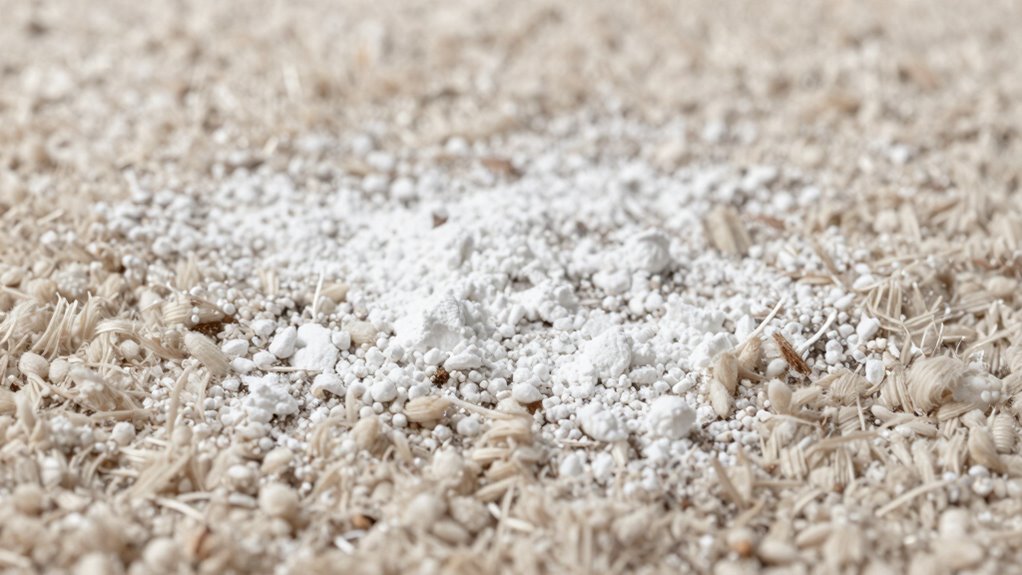
Have you ever wondered how carpet powders work to freshen and clean your rugs? These powders contain a specific chemical composition designed to absorb dirt and odors efficiently. When sprinkled onto your carpet, they settle into fibers, trapping dust, debris, and grime. Modern formulations often incorporate latest cleaning technologies, enhancing their effectiveness and safety. These innovations help improve the removal of stubborn stains and odors, making the powders more effective for various carpets. The powders often include fragrance effects that leave your rug smelling fresh and inviting, transforming your space instantly. Additionally, understanding the chemical makeup of these powders can help prevent potential residue buildup that might affect your carpet’s appearance or longevity. Being aware of the chemical composition can also inform you about potential allergic reactions or sensitivities. While they’re effective for quick refreshes, understanding their chemical makeup helps you decide if they’re suitable for your home. They offer a convenient, immediate solution to improve your carpet’s appearance and scent.
Why Use Carpet Powder? Benefits for Quick and Easy Cleaning
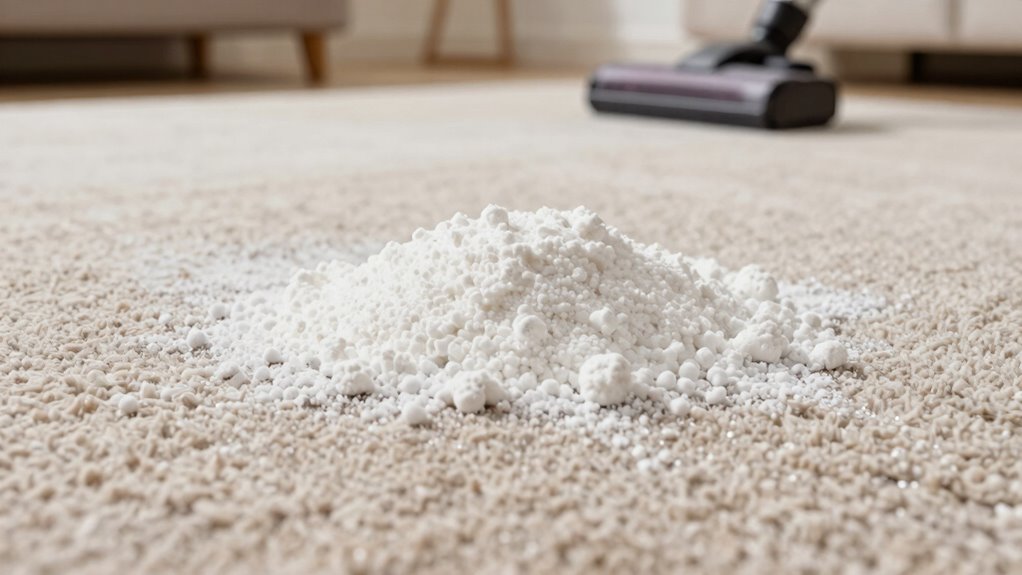
Using carpet powder can make quick work of everyday messes, providing an easy way to refresh your rugs without the hassle of deep cleaning. It’s perfect for busy households needing fast results. Carpet powders help absorb odors and loosen dirt, making vacuuming more effective. They’re especially useful for tackling pet smells and minor spills. Additionally, selecting appropriate cleaning products ensures you maintain a healthy environment and prolong your rug’s lifespan. Proper application and choice of formulas can also prevent potential issues related to filter maintenance and indoor air quality. However, consider pet safety and allergy triggers when choosing a powder. Some formulas contain ingredients that may irritate pets or trigger allergies in sensitive individuals. Always opt for pet-safe options and use in well-ventilated areas. The convenience of carpet powder allows you to maintain a fresh-looking rug with minimal effort. It’s a simple, affordable solution for quick cleaning that keeps your home smelling clean and feels inviting.
What Is the Environmental Impact of Carpet Powder Residues?
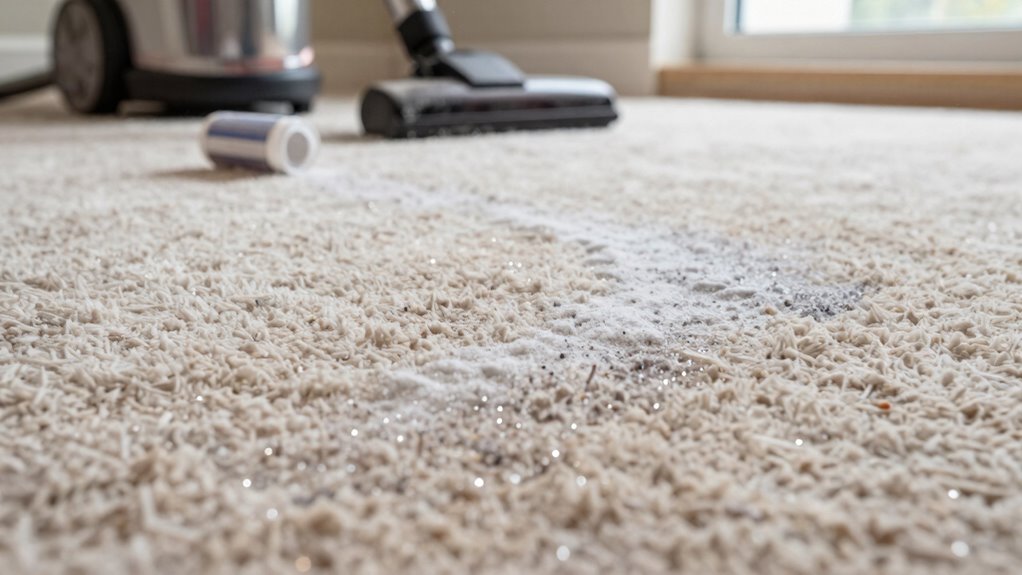
Although carpet powder offers quick cleaning benefits, its residues can pose environmental concerns. The chemical composition of these residues often includes synthetic fragrances, preservatives, and other chemicals that don’t break down easily. When disposed of improperly, they can contaminate soil and water sources, harming wildlife and ecosystems. Disposal concerns arise from the fact that residues linger in carpets, slowly releasing chemicals over time. This ongoing release can lead to chemical buildup, which can further pollute the environment and pose health risks for humans and animals alike. Additionally, understanding environmental toxicity can help consumers make better choices about cleaning products and practices. Recognizing the long-term environmental effects of residue accumulation is crucial for promoting safer cleaning methods. Being aware of chemical persistence helps highlight the importance of choosing environmentally friendly cleaning options. You might not realize that your cleaning routine could be impacting the environment more than you think. It is essential to consider eco-friendly alternatives to reduce environmental impact and protect ecosystems.
How Can You Detect Residues Left by Carpet Powders?
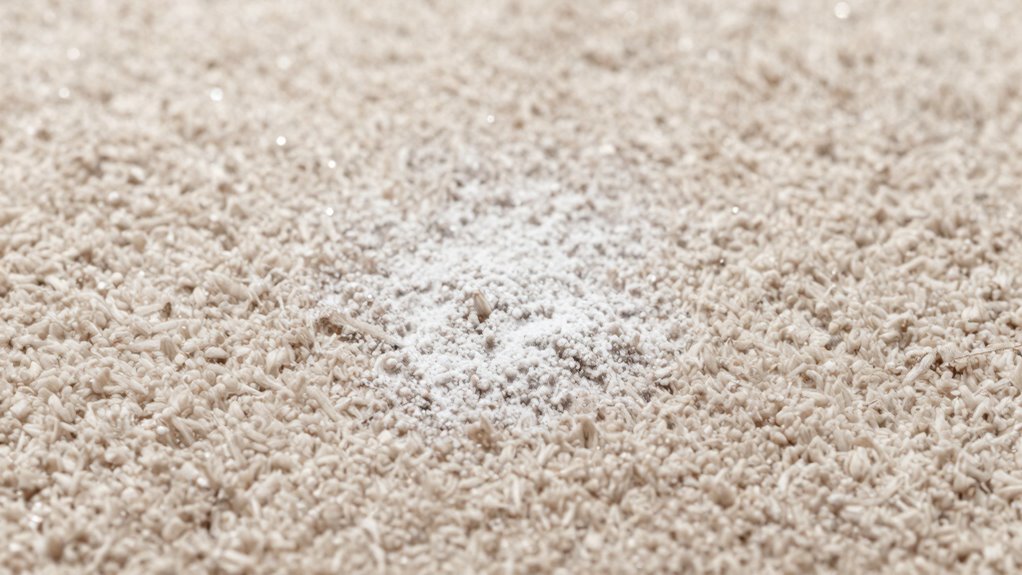
To spot residues left by carpet powders, start with a visual inspection for any lingering white or powdery patches. Look for staining or discoloration that might indicate residue buildup. You can also try simple DIY tests, like gently brushing the area or using damp cloths, to see if powder particles can be detected. Additionally, consider Free Floating techniques that can help identify hidden residues that are not immediately visible. These methods can reveal microscopic particles that are otherwise difficult to see with the naked eye. Using a flashlight at different angles can help spot subtle residues and uneven deposits. Ensuring proper ventilation can also help detect airborne particles that may be present after application.
Visual Inspection Tips
Wondering how to spot leftover carpet powder residues? Start with a thorough visual check, focusing on areas where pet allergies worsen or carpet durability seems compromised. Look for a dull, chalky film that may appear duller than the surrounding fibers. Shine a flashlight at low angles to reveal fine dust particles clinging to the surface. Pay attention to high-traffic zones and corners, as residues tend to accumulate there. Additionally, being aware of micro-mobility principles can help you understand how tiny particles may spread and settle in different areas of your home. Recognizing how residue dispersal occurs can assist in identifying hidden deposits that are not immediately visible. Understanding particle behavior can further inform your detection efforts by revealing how residues might become airborne or settle over time. Recognizing residue transport mechanisms can also help prevent the spread of dust to other parts of your home.
- Notice any white or powdery spots that seem out of place
- Observe if the carpet looks dull or worn faster in certain areas
- Feel for any rough patches or powdery textures when walking barefoot
These signs help you identify residues that could affect your pet’s health and the longevity of your carpet.
Residue Staining Indicators
How can you tell if carpet powder residues have left stains? First, check for visible discoloration or dull patches on your carpet, especially in high-traffic areas. These stains may appear as a powdery film or slight shading differences. Pet safety is essential—residues can pose risks if pets lick or walk on contaminated spots, leading to chemical residue ingestion. Look for signs like lingering odors or sticky patches that suggest residual powder. If you notice these indicators, it’s likely that chemical residue remains, which could cause staining or irritation. Regular visual checks help identify problem areas early, ensuring you can take steps to thoroughly clean and minimize pet exposure to harmful residues. Staying vigilant protects both your carpet’s appearance and your pet’s health.
DIY Testing Methods
Detecting carpet powder residues yourself is possible with simple testing methods. First, do a thorough visual inspection, looking for a dusty or chalky layer on your carpet fibers. Next, gently wipe a white cloth over the area—if it picks up a powdery substance, residues may still be present. You can also use a handheld black light to spot chemical residues, which often fluoresce under UV light. Residue buildup can trigger pet allergy symptoms or increase chemical exposure, especially for sensitive individuals. Be aware of these signs:
- Sneezing, itchy eyes, or asthma flare-ups in pets
- Unpleasant chemical odors lingering after cleaning
- Visible powder that won’t vacuum away easily
These simple tests help you determine if residues remain, so you can take action to protect your loved ones.
How to Safely Remove Residues From Your Carpet
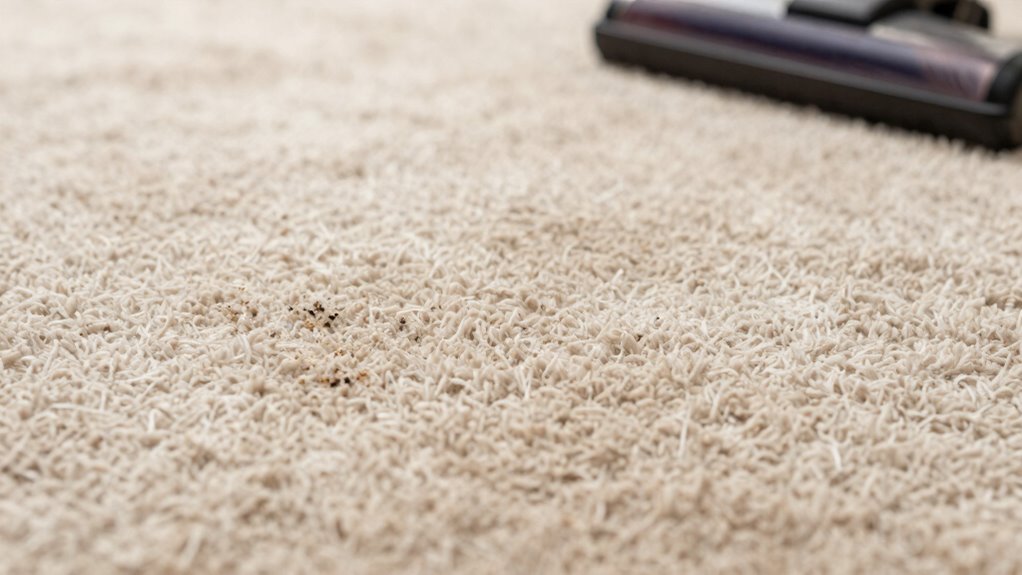
Removing residue from your carpet requires careful attention to avoid damaging the fibers or spreading the substance further. First, vacuum thoroughly to remove loose particles. For stubborn residue, mix a solution of equal parts water and white vinegar, then gently blot the area with a clean cloth. This helps with pet allergies and odor elimination. Avoid excessive scrubbing, which can harm fibers. Use a damp cloth with mild detergent for extra cleaning if needed. Here’s a quick guide:
| Step | Tip |
|---|---|
| Vacuum | Remove loose residue thoroughly |
| Blot with vinegar solution | Target stubborn spots gently |
| Use mild detergent | For deep cleaning without damage |
| Avoid harsh chemicals | Protect carpet fibers and pet safety |
| Allow to dry | Prevent mold and lingering odors |
This approach guarantees safe residue removal while maintaining your carpet’s integrity.
What Are Better Alternatives to Traditional Carpet Powders?
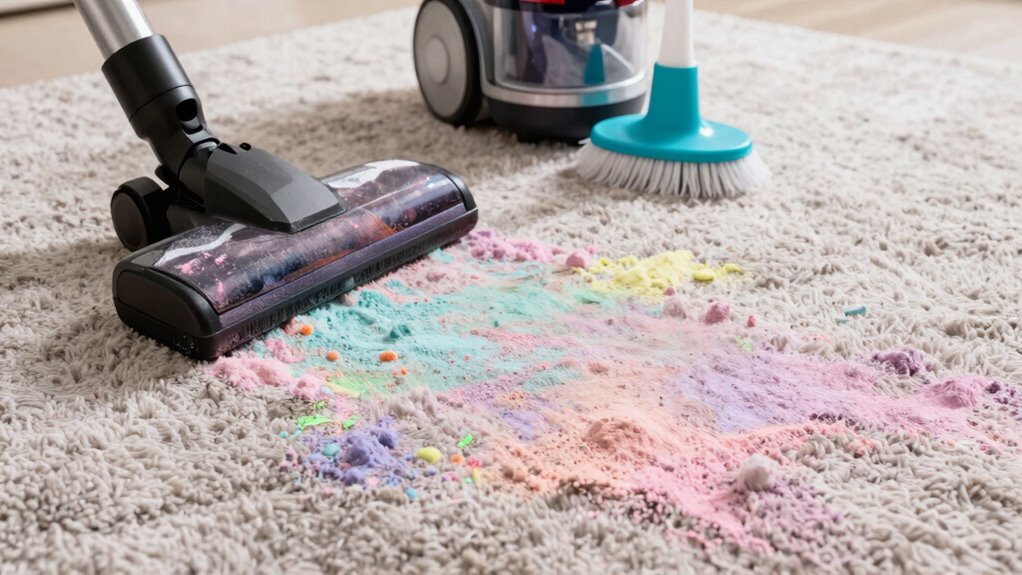
Instead of traditional carpet powders, you can try natural cleaning solutions that are safer for your home and environment. Enzymatic carpet cleaners effectively break down stains and odors without harsh chemicals. Regular vacuuming also helps maintain freshness and reduces the need for powder-based treatments.
Natural Cleaning Solutions
Are there safer and more effective ways to freshen up your carpets without relying on traditional powders? Absolutely. Natural cleaning solutions harness simple ingredients that promote chemical reactions to neutralize odors and lift dirt without harmful residues. These alternatives are gentle on your home and better for your health. Imagine a fresh, clean scent without synthetic fragrances or chemicals.
- Feel confident knowing you’re avoiding toxic residues that can linger and cause health issues
- Experience immediate odor elimination with natural ingredients like baking soda and essential oils
- Enjoy peace of mind, knowing your cleaning methods support a healthier environment
Switching to natural solutions not only cleans effectively but also ensures your carpets stay fresh and safe for everyone in your home.
Enzymatic Carpet Cleaners
Enzymatic carpet cleaners offer a powerful and eco-friendly alternative to traditional powders by actively breaking down organic stains and odors. If you’re concerned about pet allergies, these cleaners can help eliminate pet dander and smell-causing bacteria, improving indoor air quality. They work by using natural enzymes that target proteins in stains like urine, vomit, or food spills, making them effective for regular carpet maintenance. Unlike powders that leave behind residue, enzymatic cleaners penetrate deep into fibers, reducing the risk of irritation or allergic reactions. Plus, they’re safer for your pets and family. If you want cleaner carpets without harsh chemicals or residues, enzymatic options provide a more natural, effective solution for maintaining a healthier home environment.
Regular Vacuuming Benefits
Regular vacuuming remains one of the most effective ways to keep your carpets clean and fresh without relying on powders or chemical treatments. It helps reduce pet allergies by removing dust, dander, and dirt that can linger deep in fibers. Consistent vacuuming improves indoor air quality, making your home healthier for everyone. Plus, it prevents grime buildup that can cause carpet wear over time.
Benefits include:
- Feeling confident that your home is safer for allergy sufferers
- Breathing easier with cleaner indoor air
- Protecting your investment by extending carpet lifespan
How to Choose Safer, Eco-Friendly Carpet Cleaning Products

Choosing safer, eco-friendly carpet cleaning products starts with reading labels carefully. Look for products that are free from harsh chemicals and artificial fragrances, which can trigger pet allergies or irritate sensitive skin. Opt for brands that specify eco-friendly ingredients and biodegradable formulas. These products help preserve your carpet’s durability by avoiding damage caused by abrasive or corrosive chemicals. Consider natural or plant-based cleaners that effectively remove dirt without leaving harmful residues. Always check for certifications like Green Seal or EcoLogo, which verify environmental safety. By choosing products with transparent ingredient lists and positive reviews, you ensure a healthier indoor environment for your pets and family while maintaining your carpet’s longevity.
What Does Science Say About Residue Buildup and Long-Term Effects?
Science shows that residue buildup from carpet cleaning products can pose long-term health risks, especially when harmful chemicals are used regularly. These residues can lead to complex chemical interactions that impact your well-being over time. Exposure may cause respiratory issues, allergic reactions, or even more serious health problems. You might not notice immediate effects, but persistent residue can silently harm your body. Consider how:
- Chronic exposure disrupts your immune system
- Chemical interactions linger in your home environment
- Long-term health risks increase with repeated cleaning
This evidence highlights the importance of choosing products that minimize harmful residues. Being aware of these risks empowers you to make safer decisions for your family’s health and well-being.
Frequently Asked Questions
Can Carpet Powder Residues Cause Allergies or Respiratory Issues?
Yes, carpet powder residues can cause allergy triggers and respiratory irritation. When you walk on or disturb the powder, tiny particles become airborne and may be inhaled, leading to allergic reactions or breathing issues. If you have sensitivities, it’s best to avoid powders with strong fragrances or chemicals. Regular cleaning and choosing allergy-friendly products help reduce residue buildup, keeping your indoor air safer and more comfortable.
Are There Natural or Organic Carpet Powders Available?
Yes, there are natural alternatives and organic options for carpet powders. You can find products made from ingredients like baking soda, essential oils, and plant-based enzymes that work effectively without harsh chemicals. These natural options help you maintain a clean, fresh-smelling home while reducing the risk of allergies or respiratory issues. Always check labels to verify the product is truly organic and free from synthetic fragrances or additives.
How Often Should I Use Carpet Powder Safely?
Think of your carpet like a garden needing regular tending. You should apply carpet powder sparingly, about once a month, to avoid buildup, following safety guidelines closely. Overusing it can leave residue that’s tough to remove and may cause health issues. Always vacuum thoroughly after application, and check product instructions. Staying mindful of the application frequency helps keep your home fresh without risking unnecessary residue or harm.
Do Carpet Powders Affect Indoor Air Quality Long-Term?
Carpet powders can impact indoor air quality long-term, especially if they contain strong chemicals. You might notice increased chemical exposure as powders release particles into the air, which can linger and affect breathing or trigger allergies. To protect yourself, make certain proper ventilation after use, choose powders with natural ingredients, and limit frequency. Being mindful of chemical exposure helps maintain healthier indoor air for you and your family.
What Are the Signs of Harmful Residue Buildup on Carpets?
You notice persistent odors or unexplained allergies, which signal residue buildup. These signs often appear as visible dust or grime after cleaning, indicating residue detection issues. When residue accumulates, it can cause sneezing or irritation. To combat this, use effective cleaning methods like deep steam cleaning or vacuuming with HEPA filters. If these signs persist, it’s time to reevaluate your cleaning routine to guarantee your carpet stays safe and residue-free.
Conclusion
Imagine your carpet as a cozy canvas, inviting your family’s laughter and footsteps. When residues linger, they quietly settle like dust on a quiet afternoon, barely noticeable but slowly building up. By choosing safer cleaning options and staying vigilant, you protect your loved ones from unseen risks. Keep your home’s foundation fresh and inviting—think of it as nurturing a vibrant garden, free of harmful residues, where your family can truly flourish.
Columbus Day / Indigenous Peoples' Day Picks
long weekend sales
As an affiliate, we earn on qualifying purchases.