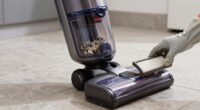
If you’ve noticed your carpet cleaner tank smelling worse in warm weather, it’s likely due to heat and moisture creating a breeding ground for bacteria and mold. Leftover cleaning solution residue can exacerbate this issue, leading to unpleasant odors. The combination of high temperatures and humidity accelerates bacterial growth, making odors more prominent. By understanding these factors, you can take steps to maintain your cleaner more effectively and discover additional tips for odor control.
Key Takeaways
- Warm weather creates ideal conditions for bacteria and mold growth in carpet cleaner tanks.
- Heat accelerates bacterial growth, leading to unpleasant odors.
- Leftover cleaning solution residue contributes significantly to foul smells.
- Moisture from cleaning, combined with heat and residue, fosters odor development.
- Maintaining proper tank hygiene is crucial to preventing odors in warmer climates.
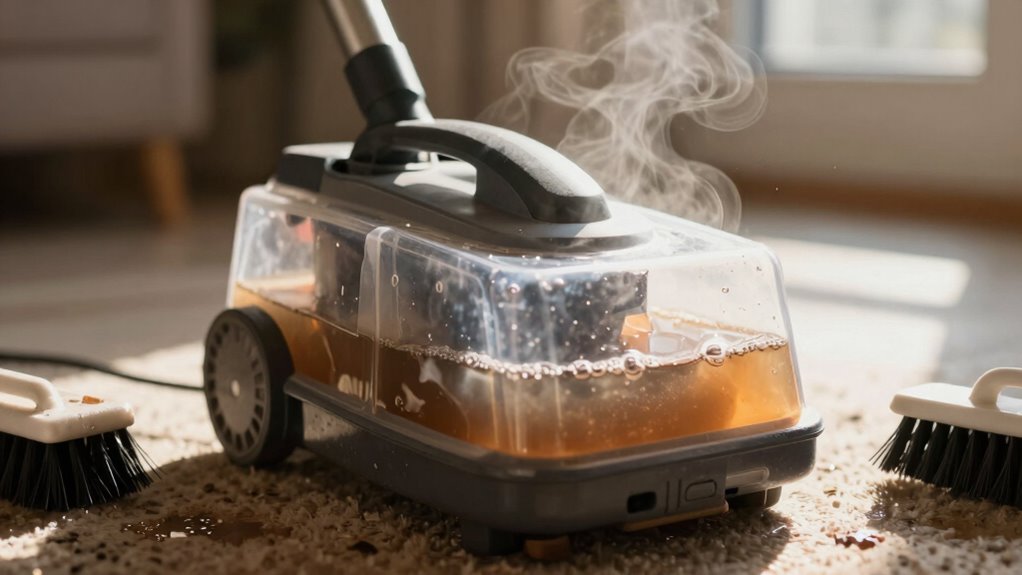
As the warm weather rolls in, you might notice an unpleasant odor coming from your carpet cleaner tank. This is a common issue many face, especially when the temperatures rise. The combination of heat, moisture, and leftover cleaning solution creates a perfect environment for bacteria and mold to thrive. These microorganisms are usually the culprits behind that funky smell, and understanding this can help you tackle the problem head-on.
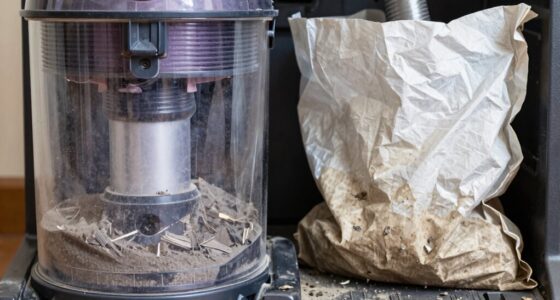
When you use your carpet cleaner, it often leaves some residue in the tank. If you don’t clean it out promptly, the warm weather exacerbates the situation. The heat encourages bacterial growth, turning your cleaner into a breeding ground for unpleasant odors. To combat this, regular tank maintenance is essential. Make it a habit to rinse out your tank after every use, ensuring that no soap or grime is left behind. This simple step can make a world of difference in keeping your carpet cleaner smelling fresh.
Another factor contributing to the smell is the water you use. If you’re filling your tank with tap water, you might unwittingly introduce minerals and contaminants that can also lead to odors. Consider using distilled water instead; it’s purer and less likely to promote bacterial growth. This small change can be a game-changer for odor prevention. Additionally, using proper cleaning techniques can further enhance odor control and extend the life of your equipment. Regularly inspecting your equipment for clogged filters** and cleaning them can also prevent the buildup of debris that contributes to foul smells**.
To further reduce odors, you might also want to explore additional cleaning methods, which can help eliminate persistent smells and keep your tank smelling fresh longer.
carpet cleaner tank odor removal
As an affiliate, we earn on qualifying purchases.
As an affiliate, we earn on qualifying purchases.
Frequently Asked Questions
How Often Should I Clean My Carpet Cleaner Tank?
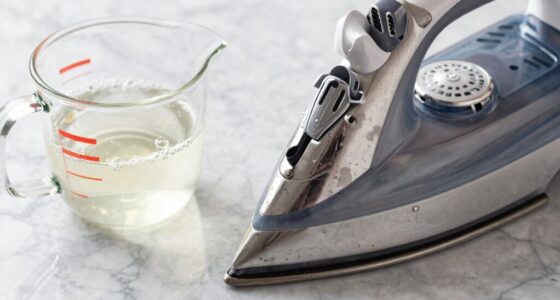
You should clean your carpet cleaner tank after every use to maintain its efficiency. Regular tank maintenance helps prevent odors from developing. Start by emptying the tank and rinsing it with warm water. For deeper cleaning, use vinegar or a specialized cleaner. Incorporating these odor prevention methods will keep your tank fresh and functional. Remember, a clean tank not only smells better but also enhances your carpet cleaning results.
Can Certain Cleaning Solutions Cause Odors in the Tank?
Yes, certain cleaning solutions can definitely cause odors in your tank. In fact, about 30% of users report persistent smells due to residue buildup from specific formulas. These cleaning solutions can lead to odor retention, especially if they contain fragrances or harsh chemicals. To minimize smells, rinse your tank thoroughly after each use and consider using enzyme-based cleaners, which are less likely to leave behind unpleasant odors.
What Materials Are Best for Carpet Cleaner Tanks?
The best tank materials for carpet cleaners are high-quality plastics like polyethylene or polypropylene. These materials resist stains and odors, making them ideal for odor prevention. They’re durable and lightweight, ensuring your cleaner remains easy to use. Avoid metal tanks, as they can corrode and retain smells. By choosing the right tank materials, you’ll keep your carpet cleaner in top shape and minimize any unpleasant odors over time.
Are There Specific Brands Less Prone to Odors?
When you’re battling tough odors, the right carpet cleaner can make all the difference. Brands like Bissell and Hoover stand out in brand comparisons for their odor resistance features. You’ll find that these models often incorporate materials designed to minimize unpleasant smells, allowing you to clean effectively without worrying about lingering scents. Investing in a reputable brand not only enhances your cleaning experience but also keeps your home smelling fresh and inviting.
How Can I Prevent Tank Odors Year-Round?
To prevent tank odors year-round, keep up with regular tank maintenance. After each use, empty the tank and rinse it thoroughly to remove residue. Use odor prevention techniques like adding a splash of vinegar or a few drops of essential oils to the water. Make certain the tank dries completely before storing it. Regularly check hoses and filters for buildup, and clean them to maintain freshness and efficiency. Your carpet cleaner will stay odor-free!
best cleaning solutions for carpet cleaners
As an affiliate, we earn on qualifying purchases.
As an affiliate, we earn on qualifying purchases.
Conclusion
In warm weather, your carpet cleaner tanks might develop a little “personality” thanks to the heat. Bacteria and odors love to thrive in those cozy conditions, turning your trusty cleaner into a not-so-fresh companion. By keeping your tanks clean and dry, you can guarantee they stay pleasant and ready for action. So, embrace a regular maintenance routine—your carpet cleaner will thank you, and you’ll enjoy a fresher, more inviting home environment!
distilled water for carpet cleaners
As an affiliate, we earn on qualifying purchases.
As an affiliate, we earn on qualifying purchases.
carpet cleaner tank cleaning brush
As an affiliate, we earn on qualifying purchases.
As an affiliate, we earn on qualifying purchases.