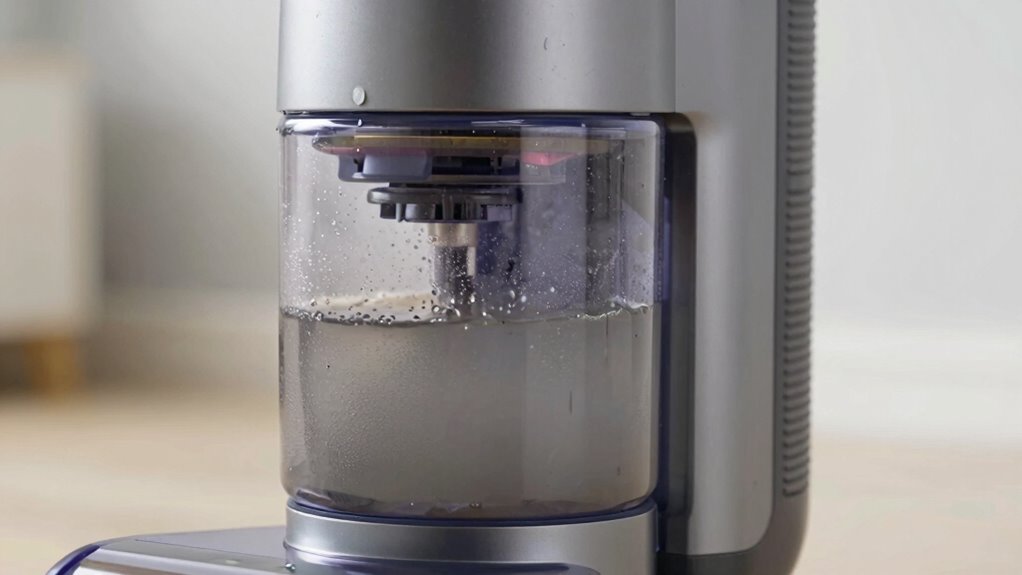

One of the biggest mistakes causing unpleasant odors in your portable cleaner is neglecting proper cleaning and maintenance of the dirty-water tank. If you don’t regularly rinse, disinfect, and fully empty the tank after each use, bacteria, mold, and residue can build up, creating foul smells. Ensuring thorough cleaning and correct handling helps keep odors at bay. Keep going to find out the best ways to avoid this common pitfall and keep your cleaner fresh.
Key Takeaways
- Failing to regularly clean and disinfect the tank allows bacteria and mold to thrive, causing persistent odors.
- Storing water too long in the tank promotes bacterial growth and foul smells.
- Not fully draining or drying the tank leaves residues that develop mold and odors over time.
- Using contaminated or stagnant water during refills exacerbates odor problems.
- Neglecting proper ventilation and maintenance accelerates odor buildup in dirty water tanks.
Why Your Dirty-Water Tank Causes Unpleasant Smells
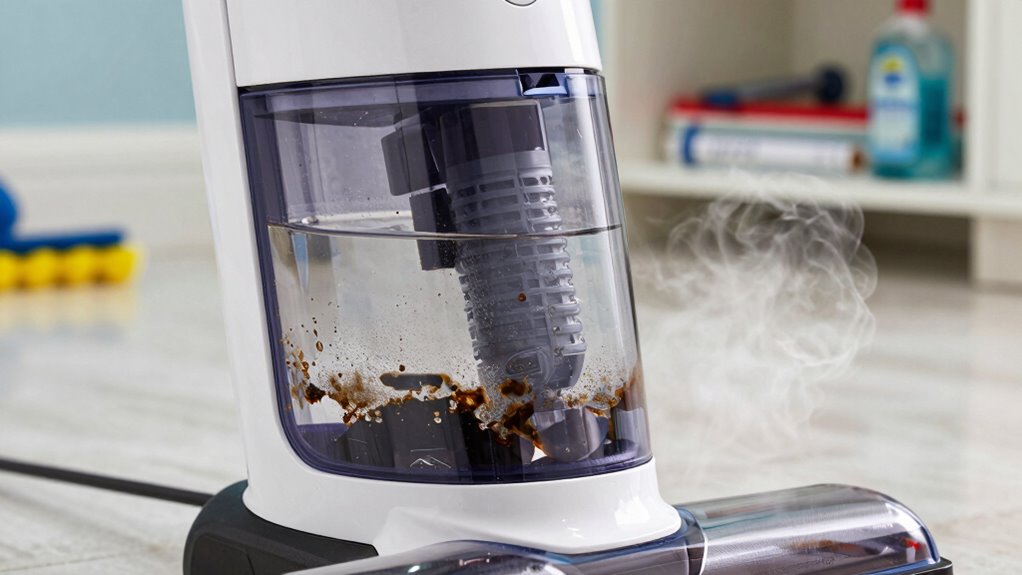
A dirty-water tank can produce unpleasant smells because bacteria and mold thrive in stagnant water. Poor tank design often leads to areas where water doesn’t circulate properly, creating pockets of still, contaminated water. These zones promote bacterial growth, which releases foul odors. Additionally, compromised water quality—due to debris, algae, or mineral buildup—further exacerbates the smell. If your tank isn’t sealed tightly or has cracks, it allows contaminants and smells to escape. Without regular cleaning or proper maintenance, these issues accumulate, making the smell worse over time. A well-designed tank minimizes stagnation by ensuring effective water flow and easy cleaning access. Maintaining good water quality and inspecting your tank’s design help prevent the development of unpleasant odors caused by bacteria and mold growth. Proper tank maintenance and good design are essential to prevent buildup and odor development. Regular inspections and effective sanitation practices further help keep odors at bay. Additionally, using antimicrobial treatments can help inhibit bacterial growth and maintain a fresher smell. Implementing proper ventilation can also help disperse any lingering odors and improve overall air quality around the tank. Incorporating proper circulation techniques can further reduce stagnation and bacterial growth, enhancing the tank’s odor control.
Signs Your Dirty-Water Tank Needs Cleaning

Knowing when your dirty-water tank needs cleaning is crucial to prevent unpleasant odors and maintain water quality. If you notice a persistent smell or cloudy water, it’s a clear sign. Changes in tank material, such as plastic or metal, can influence how quickly buildup occurs. Additionally, water temperature plays a role; warmer water accelerates bacterial growth and sludge formation. Watch for these signs:
- Unpleasant odors lingering even after cleaning
- Discolored or cloudy water during use
- Residue or slime buildup on tank walls
- Increased water temperature causing faster contamination
- Water quality can decline rapidly if tanks aren’t cleaned regularly, especially in warm environments. Regular inspection helps you catch these issues early, as modern kitchen technology emphasizes connected appliances that can alert you to maintenance needs. Being aware of bacterial growth and how it impacts tank cleanliness is essential for safe use. If you see any of these signs, it’s time to clean your tank to avoid bigger problems down the line and guarantee your portable cleaner functions effectively. Proper piercing care and hygiene practices also highlight the importance of keeping your equipment clean to prevent bacterial contamination.
How to Properly Empty and Rinse Your Dirty-Water Tank
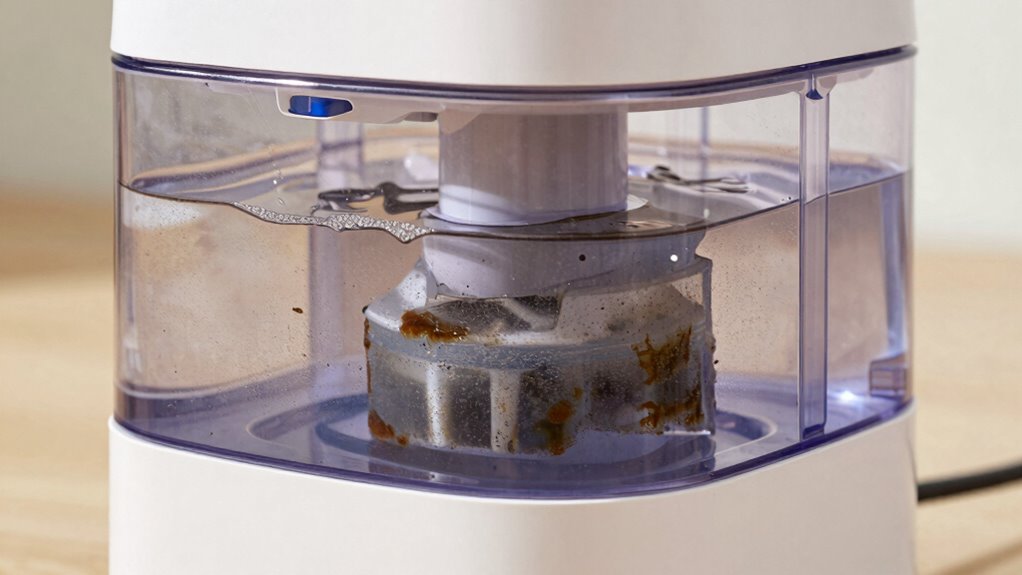
To keep your portable cleaner working well, you need to empty and rinse the dirty-water tank correctly. Make sure you drain the tank properly to prevent spills and odors. Regular maintenance checks and using the right rinsing method will help keep your cleaner smelling fresh and functioning efficiently. Incorporating proper cleaning techniques can further extend the lifespan of your equipment and ensure optimal performance. Additionally, understanding how to safely manage fuel and water is essential for safe and reliable operation.
Drain Tank Properly
Emptying and rinsing your dirty-water tank properly is essential to prevent odors and maintain your cleaner’s performance. To do this effectively, consider your tank’s material and water capacity, as these impact how you drain and clean. First, ensure you have a designated drainage area to avoid messes. Next, open the drain valve slowly to prevent splashing and allow the water to flow out completely. Be mindful of the tank’s water capacity; avoid overfilling before draining. Regularly inspecting your tank’s performance capacity can help identify early signs of wear that may affect proper draining. Additionally, understanding the material composition of your tank can help you select appropriate cleaning methods to extend its lifespan. Proper maintenance can also prevent odors and improve overall efficiency. For optimal results, consider using appropriate cleaning agents suitable for your tank’s material. – Use a stable surface for stability during draining. – Check for any blockages in the drain valve. – Wear gloves to avoid contact with dirty water. – Perform regular inspections of tank material for cracks or damage.
Use Proper Rinsing Method
When rinsing your dirty-water tank, it’s important to use a method that effectively removes residues without causing messes or damage. Start by emptying the tank completely, then fill it with clean water, ensuring the water quality is good to prevent mineral buildup or odors. Be mindful of your tank material—plastic, metal, or composite—to choose the appropriate rinsing technique. For plastic tanks, gentle agitation helps loosen debris; for metal tanks, avoid abrasive tools that could cause scratches. Swirl the water around to dislodge stuck dirt, then drain it thoroughly. Repeat the rinsing process until the water runs clear. Incorporating proper rinsing methods can also help prevent lingering contaminants and odors. Additionally, using a cleaning solution designed for your tank material can enhance the rinsing process and ensure thorough cleanliness. Proper rinsing minimizes lingering contaminants, prevents odors, and keeps your portable cleaner smelling fresh. Implementing routine maintenance can further extend the lifespan of your device and reduce the likelihood of odor buildup. Incorporating local automation can also help monitor and remind you when to perform maintenance tasks like rinsing to maintain optimal performance, as many smart cleaning devices include maintenance alerts for better upkeep.
Regular Maintenance Checks
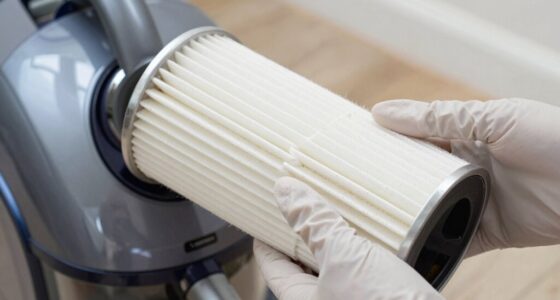
Regular maintenance checks are essential to keep your portable cleaner functioning smoothly and smelling fresh. Regularly empty and rinse your dirty-water tank to prevent odor buildup. During these checks, inspect the hose for cracks or clogs, ensuring proper drainage. Replace filters as recommended to maintain suction and odor control. Also, examine the tank for residue or mold and clean thoroughly. Properly rinsing removes debris that could cause unpleasant smells or bacterial growth. Additionally, preventative maintenance can help identify issues early before they develop into more serious problems. Staying attentive to equipment lifespan through routine care can significantly extend your device’s longevity. Keeping a cleaning schedule ensures you don’t forget routine upkeep. By staying on top of filter replacement and hose inspection, you extend your cleaner’s lifespan and maintain peak performance. Consistent upkeep guarantees your device stays effective and odor-free, saving you time and effort in the long run. Proper maintenance is key to managing your device effectively and avoiding common issues.
Effective Disinfection Methods to Keep Your Tank Fresh
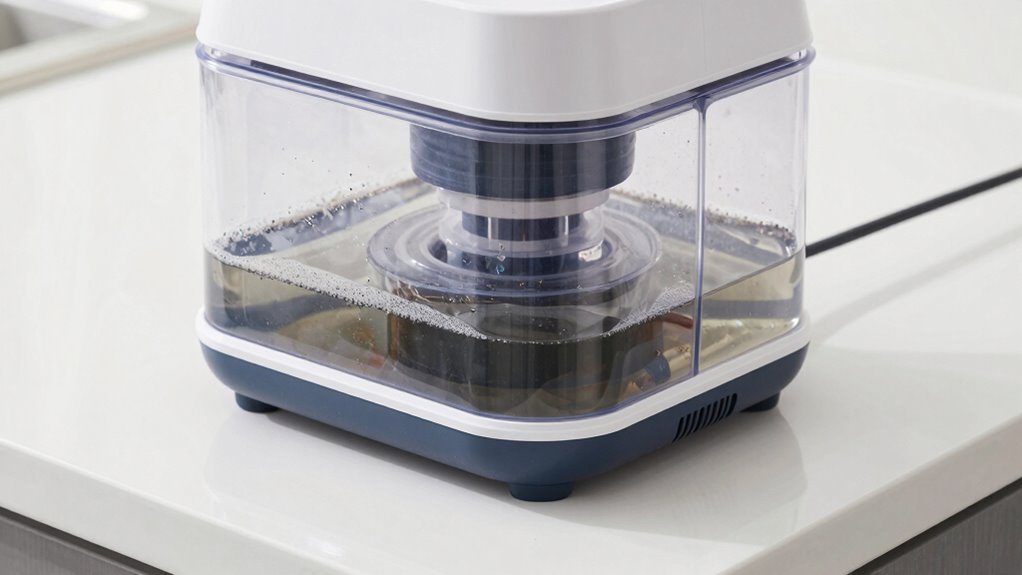
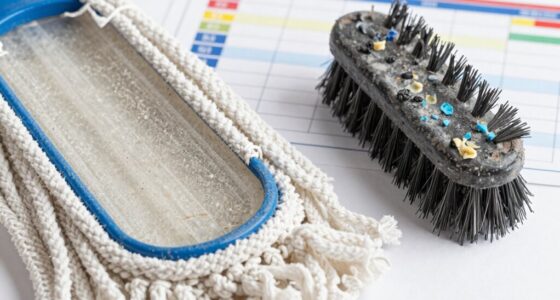
Keeping your tank fresh hinges on effective disinfection methods that eliminate lingering odors and bacteria. First, choose disinfectants compatible with your tank material to prevent damage. For example, plastic tanks respond well to diluted bleach solutions, while metal tanks may require specific sanitizers. Adjust your disinfectant concentration based on your tank’s capacity to ensure thorough coverage without waste. Before disinfecting, drain and clean the tank thoroughly to remove debris. Use a brush or cloth to scrub all surfaces, paying special attention to corners and seams. After rinsing, fill the tank with a disinfectant solution, let it sit for the recommended time, then drain and rinse again. This process helps keep your tank hygienic, odor-free, and ready for use.
Top Mistakes to Avoid When Handling Your Dirty-Water Tank
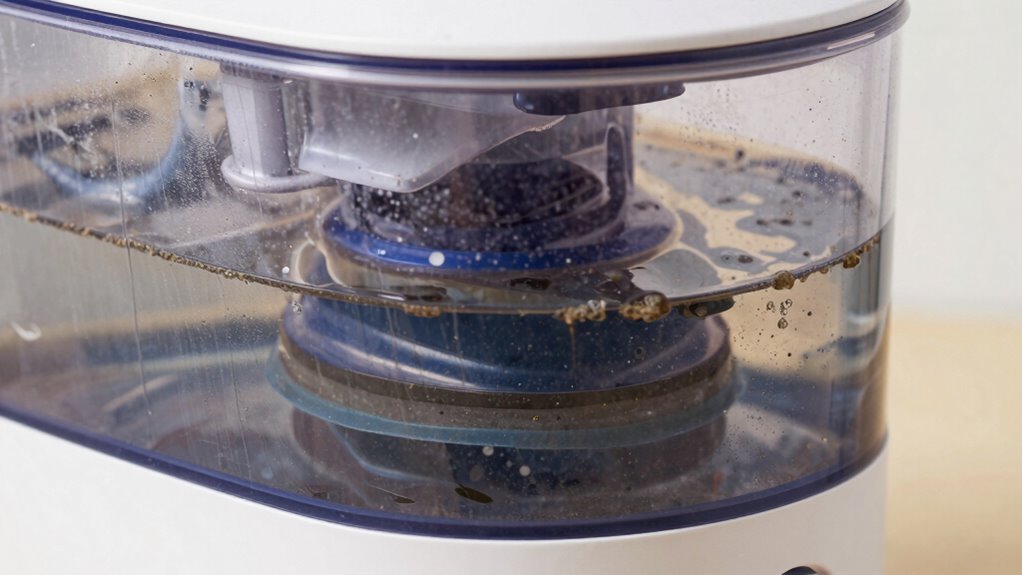
Handling your dirty-water tank improperly can lead to persistent odors, bacterial growth, and even equipment damage. To avoid these issues, focus on proper cleaning techniques and storage tips. First, never neglect regular cleaning—failing to rinse and disinfect can cause buildup and foul smells. Second, avoid storing water for too long; stagnant water promotes bacterial growth and odor development. Third, ensure you empty the tank completely before refilling to prevent residue accumulation. Fourth, always dry the tank thoroughly after cleaning to prevent mold and mildew. Incorporate effective cleaning techniques such as scrubbing with appropriate brushes and disinfectants. Follow proper storage tips by keeping the tank in a cool, dry place and sealing it tightly, which helps maintain freshness and prevents odor formation.
Tips to Prevent Odors and Keep Your Portable Cleaner Smelling Fresh
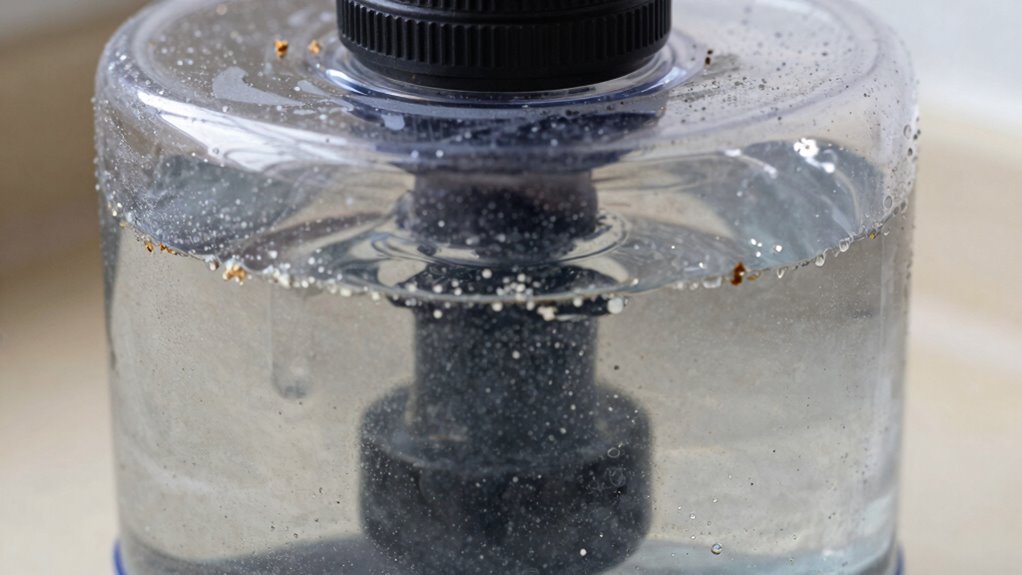
To keep your portable cleaner smelling fresh, make sure you clean the tank regularly to prevent build-up. Always use fresh water and consider adding an odor neutralizer to control unpleasant smells. These simple steps will help you avoid odors and maintain a pleasant scent during use.
Regular Tank Cleaning
Regularly cleaning the tank is essential to prevent unpleasant odors and keep your portable cleaner smelling fresh. Over time, residue from water hardness or mineral buildup can cause foul smells, especially if you neglect maintenance. Be aware of your tank material, as some materials are more prone to odors and require specific cleaning methods. To maintain freshness, consider these tips:
- Rinse thoroughly after each use to remove residue
- Use appropriate cleaning agents suited for your tank material
- Avoid leaving water in the tank for extended periods
- Regularly inspect for mineral deposits or mold buildup
Use Fresh Water
Using fresh water each time you refill your portable cleaner helps prevent odors from developing. Stale water encourages bacteria growth, which causes unpleasant smells. Pay attention to water quality; using clean, filtered water reduces impurities that can lead to odor buildup. Also, consider your tank materials—some plastics or metals may absorb residues or harbor bacteria if not thoroughly cleaned. Always empty and rinse the tank before refilling, ensuring no leftover water sits for too long. Fresh water keeps your cleaner working efficiently and minimizes odor-causing bacteria. Regularly changing the water helps maintain ideal performance and prolongs the device’s lifespan. By prioritizing water freshness and considering tank materials, you’ll prevent the common mistake of using stagnant water, keeping your portable cleaner smelling fresh and functioning effectively.
Add Odor Neutralizer
Adding an odor neutralizer to your portable cleaner is an effective way to combat lingering smells and keep it smelling fresh. By using a quality odor neutralizer, you prevent unpleasant odors from building up and guarantee your device stays inviting. You can enhance this effect with an air freshener designed for small spaces, which masks residual smells without overpowering. Consider these tips for maximum odor control:
- Choose a versatile odor neutralizer compatible with your cleaner
- Regularly add a few drops of essential oil for a natural scent
- Store your cleaner in a well-ventilated area
- Replace the air freshener or odor neutralizer regularly to maintain freshness
Implementing these steps helps you maintain a clean, odor-free portable cleaner, extending its lifespan and improving your cleaning experience.
Troubleshooting Persistent Smells Despite Maintenance
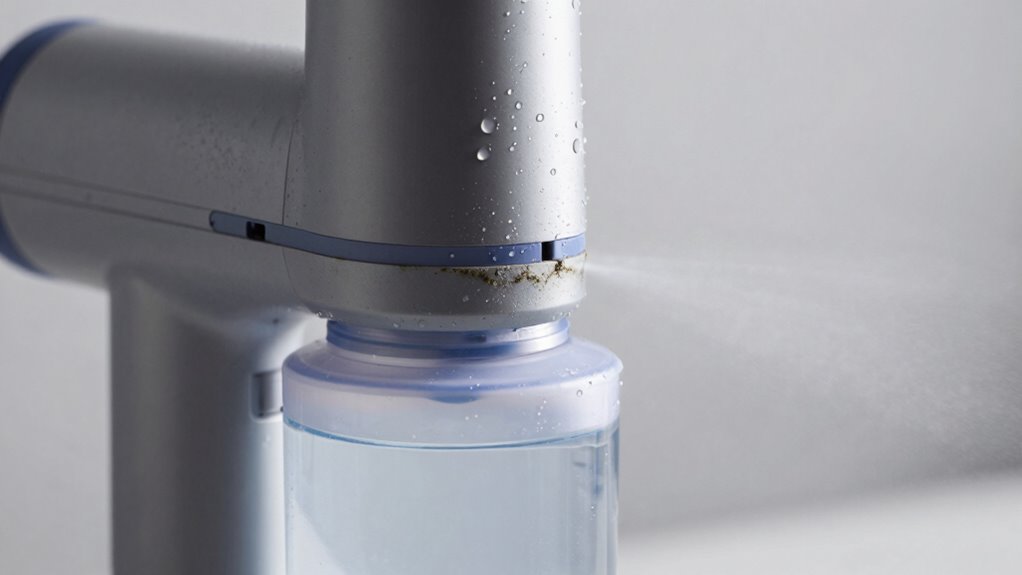
Even when you maintain your portable cleaner diligently, persistent odors can still linger, indicating underlying issues beyond simple cleaning. One common culprit is neglected filter maintenance; a dirty or clogged filter can trap odors and bacteria, causing unpleasant smells to persist. Regularly check and replace your filter as recommended by the manufacturer. Additionally, hose inspection is vital—cracks, blockages, or buildup inside the hose can harbor mold or residue that release foul odors. Ensure your hoses are clean and free of debris, replacing them if necessary. Sometimes, even thorough cleaning doesn’t reach hidden areas, so pay close attention to these components. Addressing filter maintenance and hose inspection issues can markedly reduce stubborn smells and improve your cleaner’s overall freshness.
When to Seek Professional Help or Consider Replacing Your Cleaner
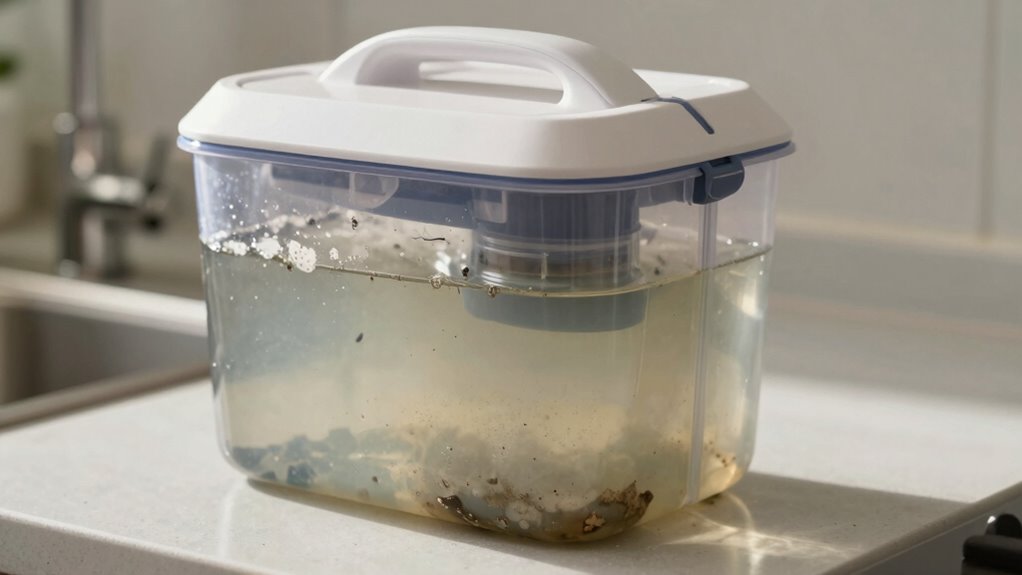
If cleaning and maintenance don’t eliminate persistent odors, it may be time to contemplate professional help or tank replacement. DIY fixes can only go so far, especially if the smell persists despite your efforts. When odors remain stubborn, consider consulting a professional to diagnose underlying issues or determine if your portable cleaner needs a thorough inspection. Sometimes, tank replacement is the most effective solution if buildup or damage has compromised the tank’s integrity. Recognize signs such as persistent foul smells despite cleaning, visible mold or corrosion, difficulty in restoring fresh odors, or recurring issues after multiple attempts at DIY fixes. Acting promptly ensures your cleaner functions properly and prevents further damage that could lead to costly repairs or replacements.
Questions About Maintaining Your Portable Cleaner’s Dirty-Water Tank
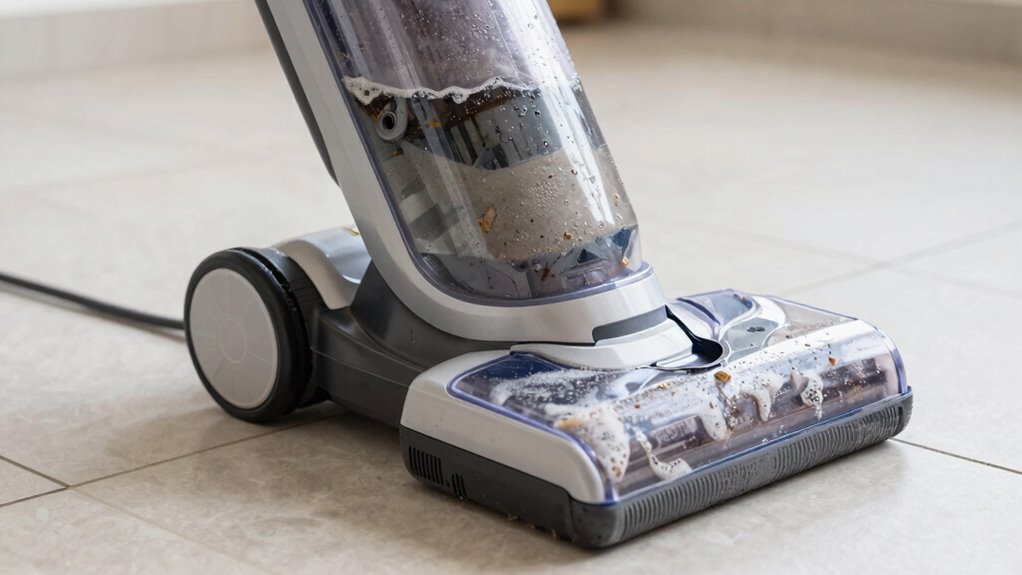
Maintaining your portable cleaner’s dirty-water tank is essential for preventing odors and ensuring ideal performance. You should ask yourself about the tank material—some materials are more resistant to odors and easier to clean than others. Regular cleaning frequency is key; waiting too long allows bacteria and grime to build up, creating foul smells. How often you clean depends on usage, but a good rule of thumb is to empty and scrub the tank after each use or at least once a week. Use appropriate cleaning solutions suited for your tank material to avoid damage. Also, check for any cracks or damage that might harbor bacteria. Proper maintenance keeps odors at bay and ensures your cleaner operates efficiently.
Frequently Asked Questions
How Often Should I Clean My Portable Cleaner’s Water Tank?
You should clean your portable cleaner’s water tank after every use to prevent odors and buildup. Regular tank cleaning frequency guarantees your device stays fresh and efficient. To avoid unpleasant smells, follow odor prevention tips like emptying and rinsing the tank thoroughly and using disinfectants when needed. Consistent cleaning not only maintains performance but also keeps your space smelling clean and fresh, making your cleaning experience much more pleasant.
Can Using Cleaning Agents Improve Odor Control in My Tank?
Think of cleaning agents as your secret weapon against stubborn odors. Yes, they can substantially improve odor control in your tank when used properly. By choosing the right cleaning agents and following instructions, you tackle bacteria and buildup that cause unpleasant smells. Regularly using these agents not only keeps your portable cleaner smelling fresh but also extends its lifespan, ensuring your cleaning efforts remain effective and odor-free.
What Are the Best Indicators That My Tank Needs Replacing?
You’ll want to replace your tank if you notice significant tank corrosion or persistent bacterial growth that won’t go away after cleaning. These issues can compromise cleaning efficiency and pose health risks. Also, if your tank develops leaks, cracks, or foul odors despite maintenance, it’s time for a new one. Regular inspections help catch these signs early, preventing further damage and ensuring your equipment works effectively.
Are There Specific Materials That Prevent Odor Buildup in Tanks?
Certain tank materials, like stainless steel or high-quality plastics, help prevent odor buildup due to their odor resistance properties. These materials resist bacteria growth and are easier to clean thoroughly, reducing foul smells. When choosing a portable cleaner, opt for tanks made from these odor-resistant materials. Regular maintenance and proper cleaning also play vital roles in keeping odors at bay, ensuring your device stays fresh and effective.
How Do Temperature Changes Affect Odor Formation in the Tank?
Temperature fluctuations markedly impact odor development in your tank. When temperatures rise, bacteria thrive, accelerating odor formation. Conversely, cooler temperatures slow bacterial growth, reducing smells. Sudden temperature changes can also cause condensation, which worsens odor issues. To prevent this, keep your tank in a stable, moderate environment, and avoid exposing it to extreme temperature swings. Proper ventilation and regular cleaning further help minimize odor caused by temperature fluctuations.
Conclusion
Ignoring your dirty-water tank’s needs can turn a fresh-clean feeling into a foul odor, ruining your experience. While regular maintenance prevents smells, neglect can lead to stubborn odors and costly replacements. Keeping your portable cleaner smelling fresh isn’t just about cleanliness—it’s about enjoying a hassle-free, effective clean every time. Don’t let a simple mistake turn your spotless space into a stinky one; stay vigilant, and your cleaner will serve you well.