
To remove hair wraps without damaging your vacuum’s bearings, turn off and unplug the machine first. Gently examine the brush roll to identify tangled hair, then carefully use tools like tweezers, plastic picks, or a soft brush to loosen and detach it. Avoid forcing tools or pulling too hard. Maintain steady, gentle movements to protect the bearings. If you stay cautious, you’ll keep your vacuum running smoothly—continue for detailed tips on safe hair removal.
Key Takeaways
- Always unplug the vacuum before starting hair removal to prevent injury and accidental activation.
- Use gentle tools like plastic picks, fine-tooth combs, or microfiber cloths to carefully loosen and remove hair.
- Avoid excessive force or harsh tools that could scratch or damage the brush roll surface or bearings.
- Gently grasp or unwind stubborn hair with fingers, maintaining steady tension to prevent bearing stress.
- Regularly inspect and lubricate bearings to ensure smooth rotation and prevent damage during hair removal.
Why Hair Wraps Can Damage Your Vacuum’s Bearings
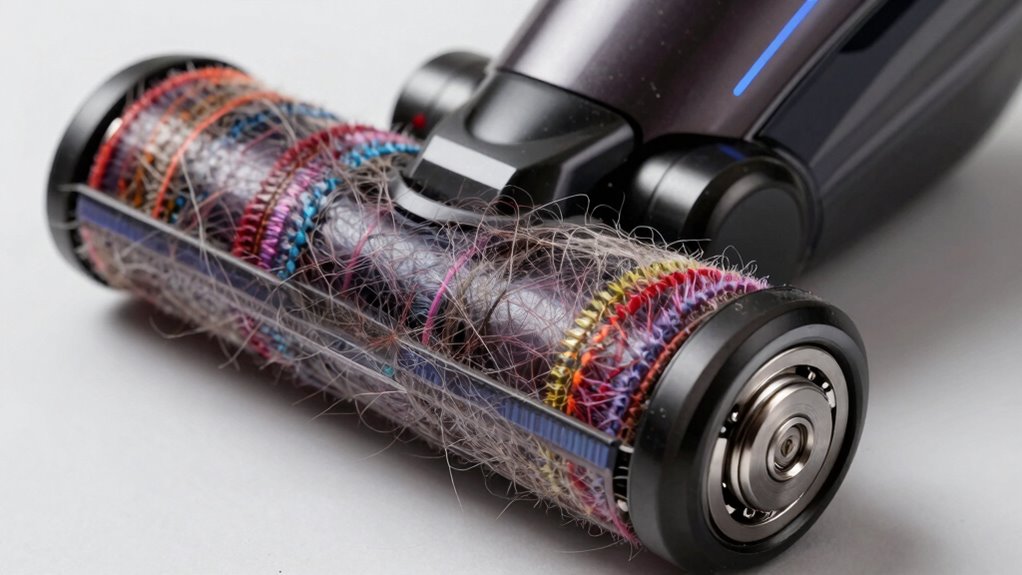
Hair wraps around your vacuum’s brush roll can cause serious damage to its bearings because the tangled hair creates extra strain and resistance. Regular brush maintenance is essential to prevent hair entanglement, which can pull and stress the bearings over time. When hair gets wrapped tightly, it forces the motor to work harder to spin the brush, increasing wear on the bearings and risking premature failure. The added friction can also cause the brush roll to wobble or stop turning altogether. Ignoring hair buildup can lead to costly repairs or replacements. To keep your vacuum running smoothly, check the brush roll frequently, remove hair entanglements promptly, and maintain the brush’s proper function. This simple step helps protect your vacuum’s bearings and extends its lifespan. Additionally, proper maintenance can help identify issues early before they cause significant damage, as early detection is key to avoiding costly repairs. Regularly inspecting for potential bearing damage can prevent costly repairs and ensure optimal performance, especially since bearing wear accelerates with continuous stress from hair entanglements.
How to Prepare Your Vacuum for Hair Removal (Tools & Safety Tips)
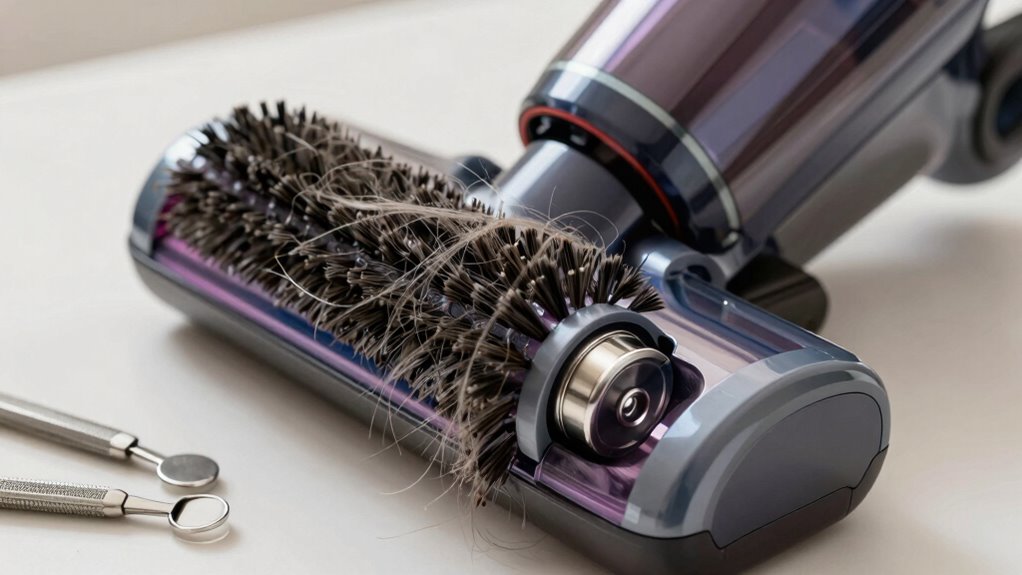
Before you start removing hair from your vacuum, it’s important to gather the right tools and follow essential safety tips. Use a pair of scissors or tweezers for stubborn pet hair and carpet fibers, and keep a soft brush to loosen debris. Always unplug your vacuum to prevent injury. Wear gloves to protect your hands from sharp objects or dirt. Check your vacuum’s manual for specific safety instructions. Incorporating European cloud innovation principles can also help you maintain more sustainable and efficient cleaning practices. Additionally, understanding the concept of Free Floating can assist in maintaining a balanced and effective vacuum operation, which can also contribute to proper piercing aftercare by reducing unnecessary strain on sensitive areas. Practicing safe cleaning techniques ensures both your safety and optimal vacuum performance. Remember that regular maintenance can extend the lifespan of your vacuum and improve its overall efficiency.
How to Safely Remove Hair Wraps From Your Brush Roll
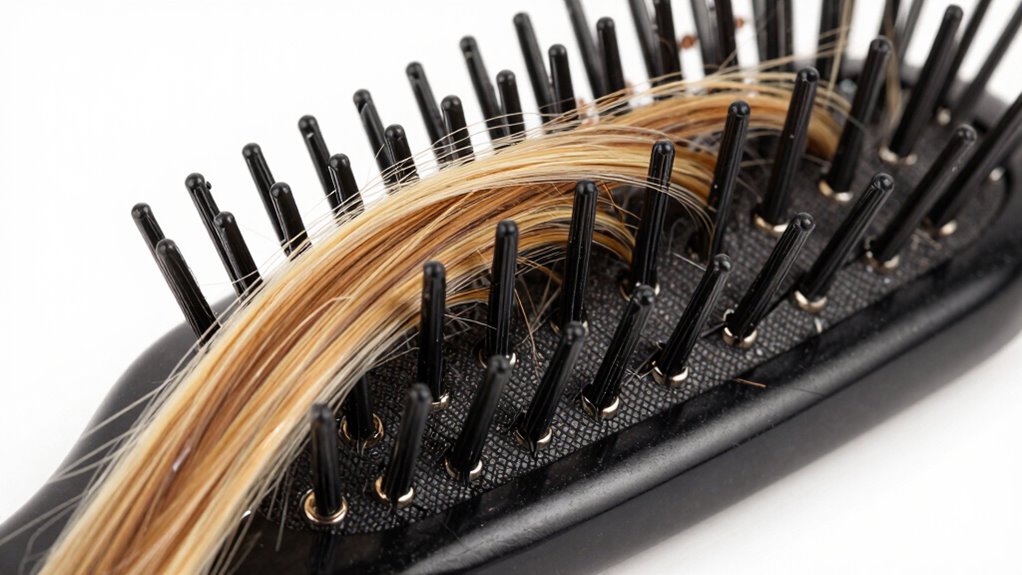
To safely remove hair wraps from your brush roll, start by unplugging your vacuum to prevent any accidents. First, identify the type of hair wrap—whether it’s fine hair, thick hair, or tangled strands—as different types may require different removal methods. Next, examine your brush roll materials; rubber or plastic brush rolls can be more delicate, while metal ones are sturdier. Gently grasp the hair wrap with your fingers or a pair of tweezers, avoiding excessive force that could damage the bristles or bearings. If the hair is tightly wound, use scissors carefully to cut it away, taking care not to scratch the surface. Patience and gentle handling ensure you remove hair wraps effectively without harming your vacuum’s brush roll. Additionally, understanding the support options available for your vacuum can help address any ongoing issues with the brush roll maintenance. Regularly inspecting and maintaining your brush roll can also prevent future hair entanglements, and being aware of proper cleaning techniques can further prolong its lifespan. Being aware of common astrological traits associated with attractiveness can sometimes influence how you perceive beauty while cleaning, adding a fun cosmic perspective to your routine.
Best Tools and Techniques for Detaching Hair Without Damaging Bearings
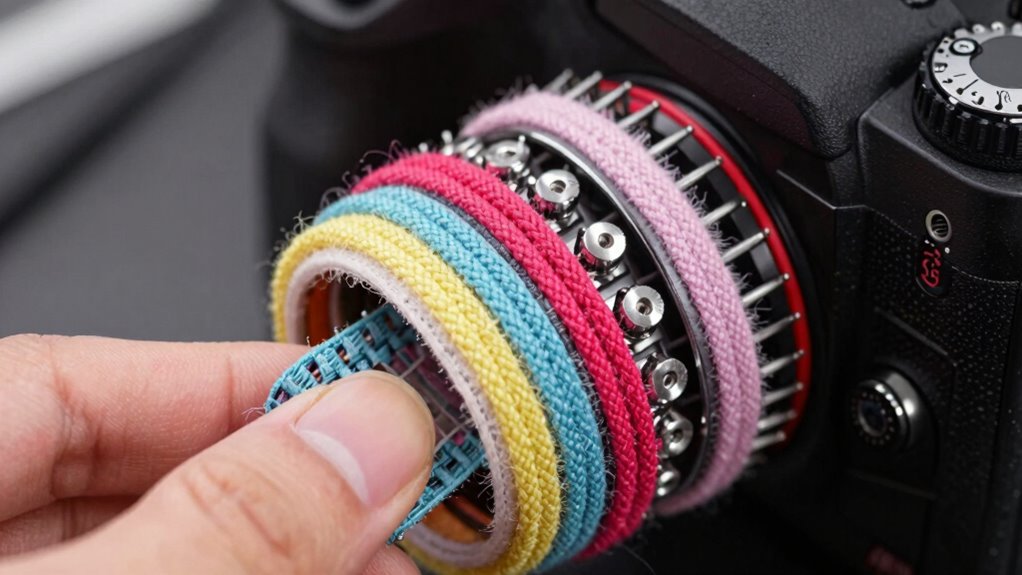
Using the right tools and techniques can make removing hair from your brush roll safer for the bearings. Choose gentle tools that won’t scratch or press too hard, and use careful motions to detach hair without causing damage. Paying attention to proper methods helps keep your bearings in top shape and prolongs your brush’s lifespan. Additionally, understanding cleaning appliance components can help you avoid unnecessary wear and tear during maintenance. Being aware of the best rated vacuum cleaners can guide you in selecting the most effective tools for regular cleaning and maintenance. Proper knowledge of brush roll maintenance can further prevent common issues and extend the life of your appliance.
Choosing Gentle Removal Tools
When removing hair from a brush roll, selecting gentle tools is essential to avoid damaging the bearings or the bristles. Using the right tools can make detangling techniques easier and safer. Consider these options:
- Fine-tooth combs or teasing brushes to gently loosen hair without pulling.
- Plastic picks or dental floss to slide between bristles for delicate removal.
- Soft-bristled brushes or microfiber cloths to lift hair without scratching or stressing components.
- Proper maintenance techniques can also help prevent hair buildup and extend the life of your brush. Regular cleaning can improve the efficiency of your smart appliances and reduce the need for aggressive removal methods. Incorporating gentle cleaning methods preserves the component integrity, ensuring your device functions properly over time. Using proper tools and techniques minimizes stress on delicate parts and maintains the overall longevity of your equipment.
These alternative removal tools help you avoid harsh pulling, reducing the risk of damage. Focus on tools that provide control and precision, ensuring you can detangle hair carefully while protecting your brush’s integrity. This approach keeps your brush roll in top shape and extends its lifespan.
Proper Detachment Techniques
Proper detachment of hair from a brush roll requires selecting the right tools and applying careful techniques to prevent damage to the bearings. Start by using a gentle, plastic pry tool or tweezers to loosen hair wraps without scratching the surface. Gently lift and loosen the hair, working slowly to avoid pulling or twisting the brush roll. Use your fingers to carefully unwind stubborn hair, keeping tension even to prevent bearing stress. During hair wrap removal, focus on steady, controlled movements rather than force. Regular brush roll maintenance involves removing hair carefully to prolong bearing life and ensure smooth operation. Remember, patience is key—rushing can cause damage. Proper technique ensures effective hair removal while preserving your brush roll’s integrity and functionality. Additionally, understanding the art of caring for delicate components can help maintain the longevity of your equipment. Incorporating preventative maintenance practices can further reduce the likelihood of damage during detachment. Being aware of the weight of pinball machines emphasizes the importance of proper handling and support when moving your equipment to avoid accidental damage.
Preventing Bearing Damage
To prevent bearing damage during hair removal, selecting the right tools is essential. Proper brush roll maintenance and bearing lubrication help guarantee smooth operation. First, use a gentle, plastic pry tool to lift the hair wrap without applying excessive force. Second, keep bearings well-lubricated with a light, machine-safe lubricant to reduce friction and wear. Third, regularly clean the brush roll and bearings to remove debris that can cause damage or misalignment. Avoid metal tools or harsh chemicals that may scratch or corrode components. By carefully choosing your tools and maintaining bearings, you reduce the risk of damage. This approach keeps the brush roll functioning efficiently, prolongs its lifespan, and prevents costly repairs.
How to Inspect and Maintain Your Brush Roll After Removing Hair

After removing hair from your brush roll, it’s essential to carefully inspect it for any signs of damage or wear. Look for cracks, warping, or missing bristles, especially if pet hair has accumulated heavily. Check the bearings to ensure they spin smoothly without resistance or wobbling. Use a soft cloth to wipe away dust and debris, which can affect cleaning brushes and reduce effectiveness. Pay attention to any tangled pet hair that might have loosened during removal, as leftover strands can cause future clogs. If you notice any damage or excessive wear, consider replacing the brush roll to maintain ideal performance. Regular inspections help prevent larger issues and keep your vacuum operating smoothly, especially when dealing with pet hair that can be tough on brushes.
Troubleshooting Common Issues When Removing Hair Wraps

When removing hair wraps from your brush roll, it’s important to assess the tension carefully to avoid damage. Use the proper tools safely to prevent harming the bearings or other components. Being cautious during removal helps prevent costly repairs and keeps your brush roll working smoothly.
Assess Wrap Tension Carefully
Evaluating wrap tension is crucial because too tight or too loose a wrap can cause issues when removing the hair wrap. Proper tension assessment helps prevent damage to the brush roll and bearings. To gauge the wrap tension correctly, consider these points:
- Check if the hair is tight enough to stay in place but not so tight that it resists removal.
- Gently tug on the hair to see if it loosens easily—excessive force indicates too tight a wrap.
- Observe the wrap’s overall fit; it should be snug but not constricting, ensuring smooth removal without pulling or tearing.
Use Proper Tools Safely
Using the right tools safely is essential to prevent damage to your hair wrap and guarantee smooth removal. Always select the appropriate tools, like a gentle brush or a small, flat pry tool, to avoid pulling or tearing hair. Proper brush care ensures your tools stay effective and reduces the risk of causing damage. When working with your vacuum, turn it off and unplug it before starting, and use tools designed for maintenance to prevent harming internal components. Avoid using sharp or metal objects that could scratch or damage the brush roll or bearings. Taking these precautions helps maintain your vacuum’s performance and extends its lifespan. By handling tools carefully, you ensure a safe removal process while preserving the integrity of your brush roll and maintaining ideal vacuum maintenance.
Prevent Bearing Damage
To prevent bearing damage during hair wrap removal, it’s crucial to handle the process gently and avoid forcing tools into tight spaces. Applying excessive force can harm the bearings, reducing vacuum longevity and increasing maintenance needs. To protect them, follow these steps:
- Use the correct tools, like a plastic pry tool, to carefully loosen the brush roll without applying pressure directly on the bearings.
- Gently wiggle the brush roll free, avoiding sudden pulls that could dislodge or damage the bearings.
- Regularly inspect and clean the bearings to ensure smooth operation, which helps prevent wear and prolongs their lifespan.
Tips to Prevent Hair Wraps and Keep Your Vacuum Running Smoothly

Hair wraps around your vacuum’s brush roll can hinder its performance and cause frequent clogs. To prevent this, regularly check for pet hair and carpet fibers that tend to stick to the roller. Use a wide-tooth comb or scissors to carefully remove tangled hair before it tightens. Keep your vacuum’s brush roll clean and free of debris by detaching it periodically and wiping it down with a damp cloth. Switching to a vacuum with a hair-repelling brush roll or a self-cleaning feature can also help reduce buildup. Avoid vacuuming large amounts of pet hair or thick carpet fibers in one pass, which can increase hair wrap. Consistent maintenance ensures your vacuum runs smoothly, maintains suction, and minimizes hair-related issues over time.
Final Tips for Extending Your Vacuum’s Lifespan
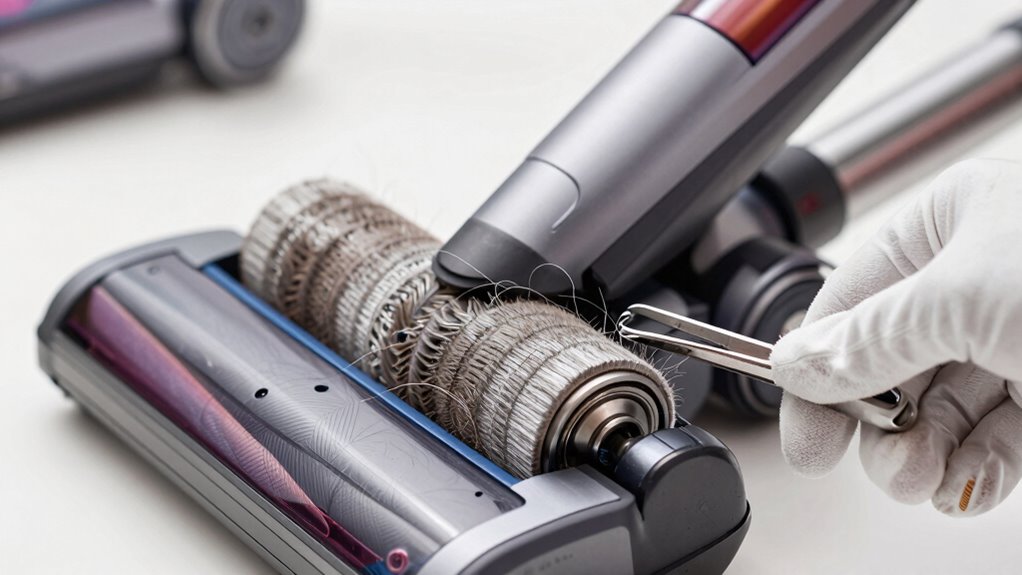
Regularly maintaining and cleaning your vacuum not only prevents hair wraps but also helps extend its overall lifespan. To maximize your vacuum’s durability, focus on these final tips for vacuum maintenance:
- Clean brush rolls frequently to remove hair and debris, preventing strain on the motor and bearings.
- Check and replace filters as needed to guarantee ideal airflow and prevent motor burnout.
- Inspect belts and wheels for wear and replace them promptly to avoid unnecessary mechanical stress.
Frequently Asked Questions
Can Hair Wraps Cause Electrical Problems in My Vacuum?
Hair wraps can potentially cause vacuum electrical issues if they block the brush roll or vents, leading to overheating or motor strain. When hair gets tangled around the brush roll, it can interfere with the vacuum’s electrical components and reduce performance. To prevent this, regularly check for hair wraps, remove them carefully, and guarantee the brush roll spins freely. This helps avoid electrical problems and keeps your vacuum running smoothly.
How Often Should I Check My Brush Roll for Hair Buildup?
You should check your brush roll for hair buildup at least once a month as part of your maintenance schedule. Regularly inspecting the brush helps prevent hair from tangling around the bearings, which can cause damage or reduce performance. If you notice excessive hair buildup, clear it promptly. Keeping your brush roll clean guarantees smooth operation and prolongs the life of your vacuum, saving you time and money in the long run.
Are There Specific Vacuum Models More Prone to Hair Wrap Issues?
Think of your vacuum like a ship steering through stormy seas—some models are more prone to hair entanglement due to their design. Specifically, vacuums with open or exposed brush rolls tend to trap hair more often. These models, often with less thoughtful vacuum design, make it harder to prevent hair build-up. To avoid issues, pick one with enclosed brush rolls and easy access for cleaning, helping you sail smoothly through cleaning tasks.
What Safety Gear Is Recommended When Removing Hair From a Vacuum?
When removing hair from your vacuum, you should wear fire-resistant gloves to protect your hands from sharp edges or hot components, and safety goggles to shield your eyes from debris. These safety gear items help prevent injuries during the process. Always unplug your vacuum first, then carefully access the brush roll, ensuring you’re protected from potential hazards. Prioritizing safety makes the task safer and easier.
Can Regular Maintenance Prevent the Need for Hair Wrap Removal?
Regular maintenance can substantially reduce the chances of hair wrap issues; in fact, 80% of vacuum breakdowns are caused by hair buildup. By following consistent hair care and maintenance routines, you keep your vacuum functioning smoothly. Cleaning brush rolls, checking for tangled hair, and inspecting bearings regularly help prevent hair from wrapping around the brush, saving you time and potential repairs. Stay proactive to keep your vacuum running like new.
Conclusion
By carefully removing hair wraps, you keep your vacuum’s heart—the bearings—spinning freely like a well-oiled dance. Picture your brush roll gliding smoothly, like a boat slicing through calm waters, unburdened by tangled hair. With the right tools and gentle touch, you protect its strength and longevity. Keep this routine, and your vacuum will glide effortlessly each time, ready to sweep away dust and debris, keeping your home fresh and inviting.