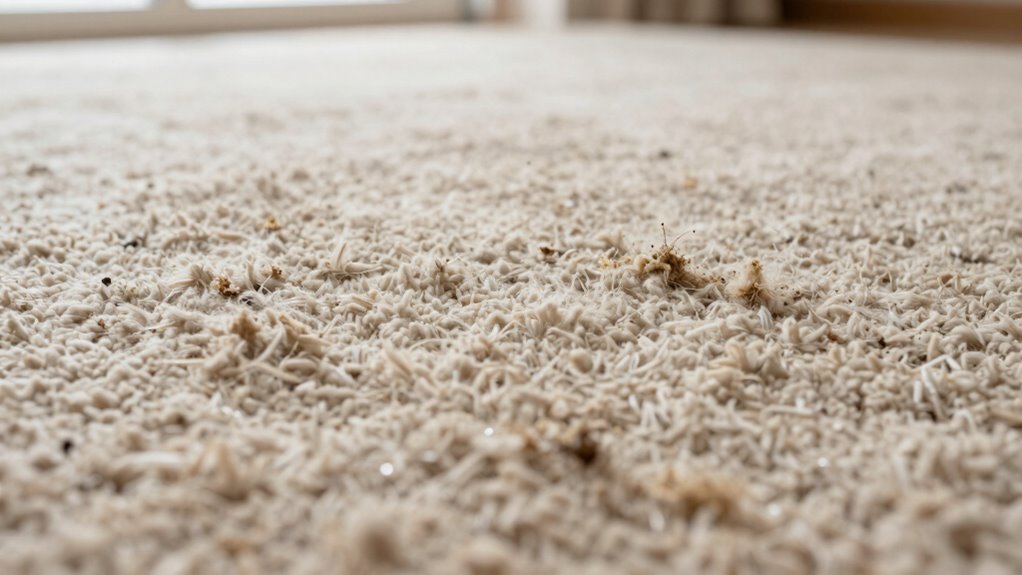

Your carpet likely feels crunchy after cleaning because leftover detergent, cleaning solution residues, or mineral deposits from hard water build up on fibers, making them stiff and rough. Insufficient rinsing or extraction can leave these residues behind, increasing crunchiness. To fix this, make certain thorough rinsing with clean or softened water, use proper extraction techniques, and consider applying softening agents. If crunchiness persists, there are additional steps you can take to restore plushness and softness.
Key Takeaways
- Residual cleaning products or detergent buildup can leave fibers stiff and crunchy after cleaning.
- Hard water minerals deposit on fibers over time, causing rigidity and a crunchy texture.
- Inadequate rinsing or extraction may leave chemical residues that stiffen carpet fibers.
- Excess moisture retention and improper drying prevent fibers from relaxing, leading to crunchiness.
- Using softening agents, proper rinsing, and thorough extraction help restore softness and prevent future stiffness.
Why Is My Carpet Crunchy After Cleaning, and How Can I Fix It?
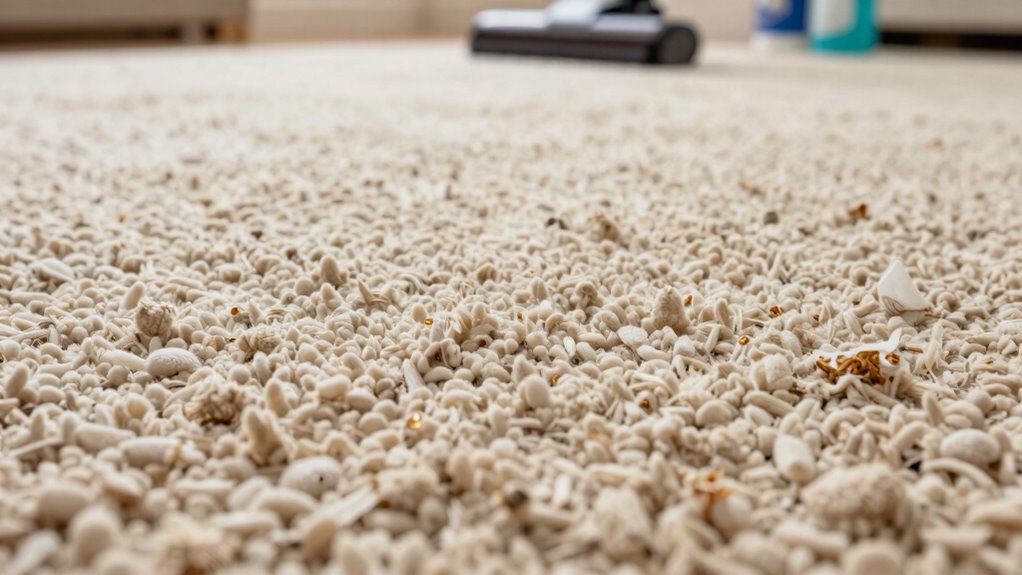
If your carpet feels crunchy after cleaning, it’s usually because too much cleaning solution or residue was left behind. When you use an excess of cleaning solution, it can cling to the carpet fiber, creating a stiff and crunchy texture. This happens especially if you don’t rinse thoroughly or if the cleaning solution isn’t fully extracted during the cleaning process. Over time, the residue builds up, making the carpet feel rough and uncomfortable underfoot. To fix this, you should rinse the carpet thoroughly with water to remove any remaining cleaning solution. Using a clean, damp cloth or running a second rinse with a carpet cleaner can help eliminate residue. Additionally, proper rinsing techniques play a crucial role in maintaining your carpet’s integrity. Regularly vacuuming afterward also helps keep the carpet fiber soft and free of crunchy buildup. Proper rinsing and extraction are important to maintain your carpet’s cleaning efficiency, and understanding residue buildup can help prevent this issue from recurring. Being aware of how cleaning solution residue interacts with carpet fibers can guide you toward better cleaning practices.
What Causes a Stiff or Crunchy Carpet? Common Reasons Explained
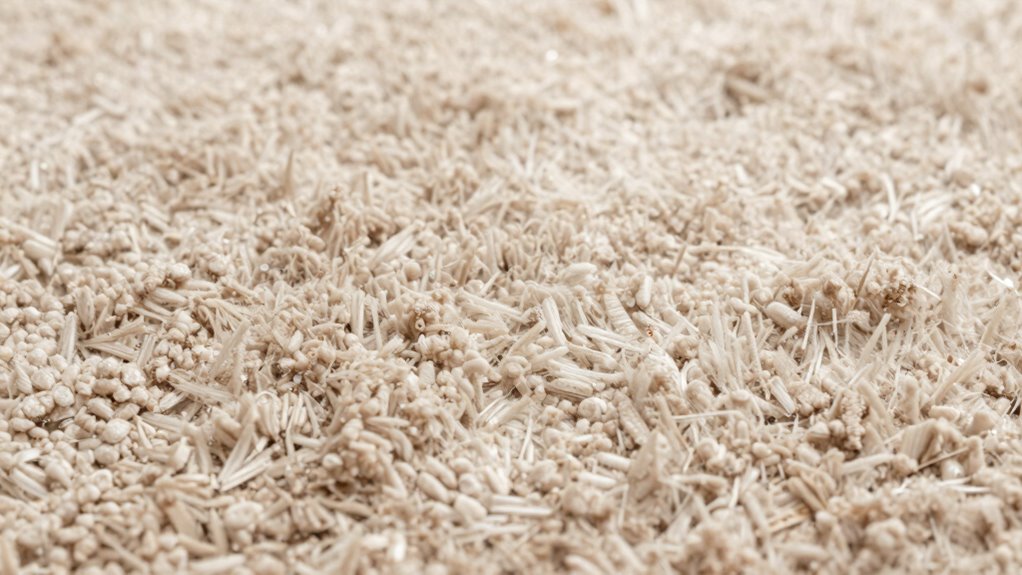
A stiff or crunchy carpet often results from using too much cleaning product or not rinsing thoroughly. Residual detergent can build up and leave your carpet feeling stiff after drying. Understanding these common causes helps you prevent and fix the crunchiness more effectively. Additionally, proper rinsing techniques are essential to ensure no cleaning residue remains behind. Employing the right tools, like a carpet extractor or a wet/dry vacuum, can significantly improve rinsing efficiency and prevent buildup. Using an air purifier in the room can also help remove any lingering airborne particles that contribute to poor carpet air quality. Incorporating automatic cleaning robots with advanced navigation and cleaning modes can help ensure more consistent rinsing and residue removal during routine maintenance. Regularly deep cleaning your carpet can also help prevent the accumulation of residues that cause crunchiness over time.
Excessive Cleaning Products
Using too many cleaning products or applying them excessively can easily leave your carpet stiff and crunchy. When you use an abundance of cleaning chemicals, detergent residue can build up in the fibers, making the carpet feel rough and inflexible. This residue acts like a coating that prevents the fibers from returning to their natural softness. Even if the carpet looks clean, leftover cleaning chemicals might be causing the crunchiness. Overusing cleaning products can also make it harder for water to rinse away all the residue, compounding the problem. To avoid this, use only the recommended amount of cleaning solutions and ensure thorough rinsing. Properly managing cleaning product application helps prevent detergent residue buildup and keeps your carpet feeling soft and fresh.
Insufficient Rinsing Technique
One common cause of a stiff or crunchy carpet is insufficient rinsing after cleaning. When you don’t properly rinse out cleaning solutions, leftover residue can make your carpet feel crunchy. To avoid this, focus on:
- Ensuring thorough rinsing: Use enough water and multiple passes to remove all detergent residue.
- Maintaining your vacuum: A well-maintained vacuum with clean filters helps remove excess moisture and debris effectively.
- Applying proper stain removal techniques: Using the right methods ensures cleaning solutions don’t linger, reducing buildup. Proper rinsing techniques are essential for preventing detergent residue buildup that can cause crunchiness. Additionally, understanding effective rinsing techniques can help you eliminate residues more efficiently. Neglecting these steps can leave behind detergent or soil, making your carpet stiff. Proper rinsing not only improves feel but also prolongs your carpet’s lifespan. Additionally, understanding the importance of proper rinsing techniques can help you achieve a more comfortable, soft carpet after cleaning.
Residual Detergent Buildup
When cleaning your carpet, failing to fully rinse out detergent can lead to buildup that causes it to feel stiff or crunchy. Residual detergent, or detergent residue, remains in the fibers if not thoroughly rinsed, creating a sticky layer that attracts dirt and makes your carpet uncomfortable to walk on. This buildup prevents the fibers from relaxing properly, resulting in that undesirable crunchiness. To prevent this, verify you use enough water during rinsing and follow instructions carefully. Proper buildup prevention involves multiple rinses if needed and avoiding excessive detergent use from the start. Additionally, understanding the importance of cleaning techniques can help ensure thorough rinsing and maintain your carpet’s longevity. Being aware of detergent residue and its effects can help you develop better cleaning habits that preserve your carpet’s softness over time.
Is Residual Cleaning Product Making My Carpet Rigid?
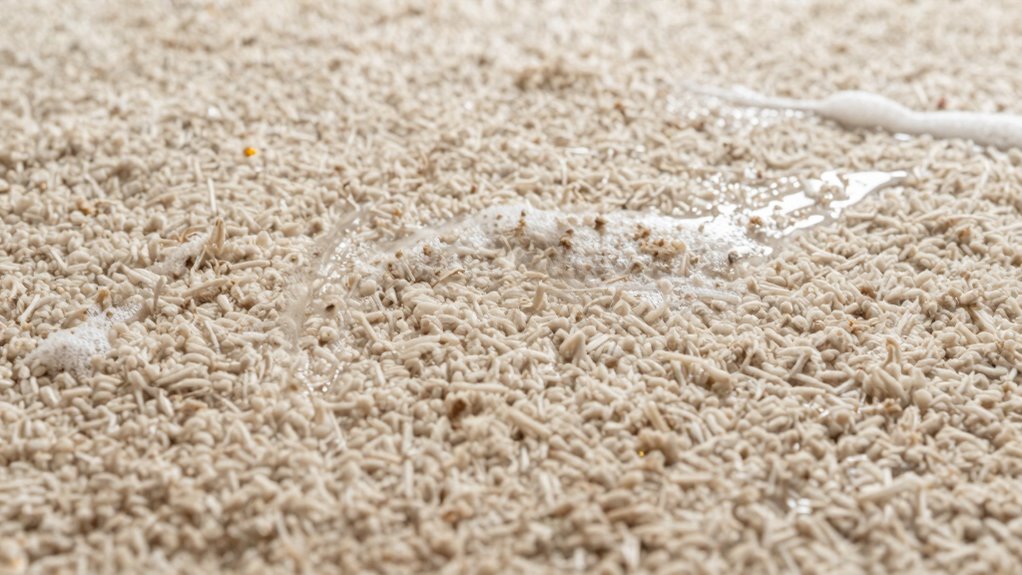
Residual cleaning products can leave a film on your carpet that makes it feel stiff and rigid. This chemical residue can build up over time, causing your carpet to lose its softness. To identify if a residual product is the culprit, consider these points:
- Feel the texture—if it’s sticky or crunchy, chemical residue might be present.
- Check for lingering odors after cleaning, which can indicate residual product presence.
- Notice if the carpet remains stiff even after thorough cleaning, suggesting incomplete rinsing.
- Being aware of evidence-based cleaning methods can help prevent the buildup of residues and maintain your carpet’s softness.
- Additionally, understanding pinball machine weight can help when moving heavy equipment, but it also emphasizes the importance of proper cleaning techniques to avoid damage. Implementing proper rinsing techniques during cleaning can significantly reduce residue buildup and preserve your carpet’s plushness. Using adequate water pressure and thorough rinsing are key aspects of effective cleaning practices that prevent residual buildup.
Residual products can create a film that traps dirt and moisture, making your carpet feel less plush. Using excessive cleaning solutions or not rinsing properly leaves behind this residue, leading to the crunchiness you’re experiencing.
Can Hard Water Deposits Make My Carpet Feel Stiff?
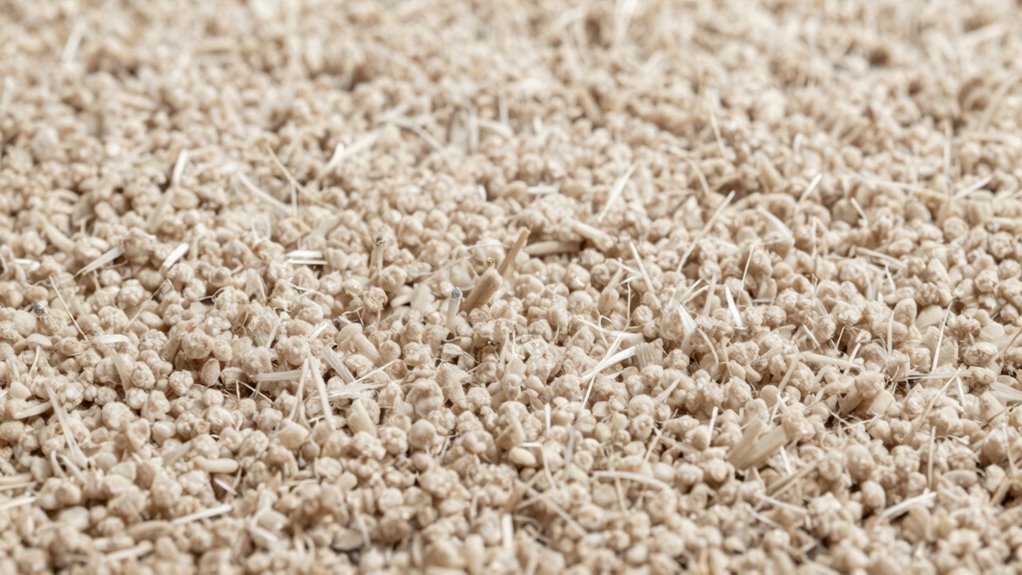
If your carpet feels stiff even after cleaning, hard water deposits might be to blame. Hard water contains high levels of minerals like calcium and magnesium, which can leave behind mineral deposits on your carpet fibers. These deposits can create a stiff, crunchy texture, making your carpet feel less soft and more rigid. When you use hard water during cleaning, these minerals don’t fully rinse out, settling into the carpet’s fibers and causing stiffness over time. The more mineral deposits accumulate, the more noticeable the stiffness becomes. To prevent this, consider using softened water or adding a water conditioner to your cleaning solution. Proper rinsing and extraction can also help reduce mineral buildup and restore your carpet’s softness. Water quality plays a key role in maintaining the longevity and comfort of your carpet fibers.
How to Rinse and Extract Moisture to Keep Your Carpet Soft

To keep your carpet soft after cleaning, it is crucial to rinse thoroughly using proper techniques that remove leftover residue. Effective water extraction methods, like using a wet vacuum or extractor, can help remove excess moisture quickly. You might also consider adding softening agents to your rinse water to prevent stiffness and maintain a plush feel. Additionally, understanding the science of surfactants can help you select the best products to achieve a softer, more comfortable carpet surface. Incorporating knowledge about detergency mechanisms can further optimize your cleaning process for better softness. Being aware of how surfactant properties influence residue removal can also improve your rinsing results, ensuring your carpet stays plush and inviting. Recognizing the role of pH levels in cleaning solutions can help prevent damage and preserve the carpet’s texture and softness. Understanding residue removal techniques can also contribute to achieving a cleaner, softer carpet feel.
Proper Rinsing Techniques
Proper rinsing is essential for maintaining a soft, plush carpet after cleaning. If you don’t rinse thoroughly, residue can cause fiber damage and make your carpet feel crunchy. To avoid this, focus on these key techniques:
- Use plenty of clean water to thoroughly flush out cleaning solutions, ensuring no residue remains.
- Rinse slowly and evenly, working in sections to prevent uneven drying and stiffness.
- Limit cleaning frequency to avoid over-wetting, which can weaken fibers and lead to crunchiness over time.
- Employ proper drying methods, such as using fans or dehumidifiers, to facilitate complete moisture removal and prevent residual stiffness.
Effective Water Extraction Methods
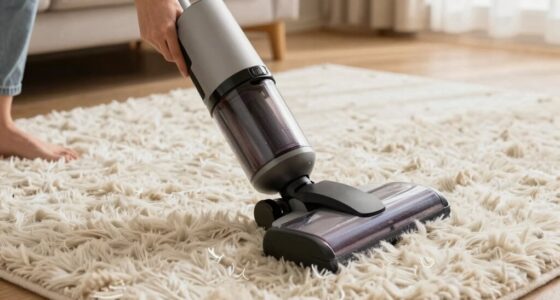
Effective water extraction methods guarantee your carpet stays soft and free of residue after cleaning. To achieve this, use a powerful, well-maintained vacuum to remove excess moisture thoroughly. Proper vacuum maintenance ensures maximum suction, preventing leftover water that can cause crunchiness. When rinsing, focus on extracting as much moisture as possible to avoid dampness that promotes stains and odor. Using high-quality extraction tools helps pull out embedded dirt and moisture, reducing the risk of mold and mildew.
| Technique | Benefit |
|---|---|
| High-powered extraction | Removes more water, keeps carpet soft |
| Regular vacuum maintenance | Maintains suction, improves stain prevention |
| Multiple passes | Ensures thorough moisture removal |
| Use appropriate attachments | Reaches deep fibers for better rinse |
| Prompt drying | Prevents stains and crunchiness |
Using Softening Agents
Using softening agents during rinsing can make a significant difference in maintaining your carpet’s softness after cleaning. Fabric softeners, when used properly, help break down residue that causes crunchiness and restore that plush feel. To maximize carpet softness, consider these tips:
- Add a small amount of fabric softener to your rinse water—ensure it’s diluted properly.
- Use warm water for rinsing to help the softening agents penetrate fibers effectively.
- Follow up with thorough extraction to remove excess moisture and softening residues.
These steps help prevent stiff, crunchy carpet fibers and promote long-lasting carpet softness. Using fabric softeners during rinsing is a simple yet effective way to keep your carpet feeling plush and comfortable after cleaning.
Simple Steps to Restore a Soft, Plush Carpet
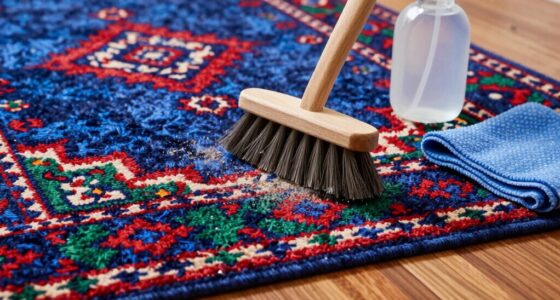
Have you noticed your carpet feeling stiff and crunchy after cleaning? To restore its softness, start by lightly brushing the fibers with a soft-bristled brush to lift trapped debris. Follow this by steaming the carpet with a humidifier or using a steam cleaner on low heat, which helps relax the fibers. Avoid over-cleaning, as excessive cleaning frequency can cause carpet fiber damage, making it more prone to crunchiness.
| Step | Purpose |
|---|---|
| Gentle brushing | Loosens compacted fibers and removes debris |
| Light steaming | Rehydrates fibers, restoring plushness |
| Use minimal cleaning agents | Prevents residue buildup that stiffens fibers |
| Regular maintenance | Keeps fibers healthy and soft over time |
When to Call a Professional for Persistent Crunchiness

If your carpet remains crunchy despite your best cleaning efforts, it’s time to contemplate professional help. Persistent crunchiness could be caused by trapped detergent residue or stubborn stains that require expert intervention. Consider calling a professional if:
- You’ve tried multiple cleaning methods, but the crunch persists.
- You notice stubborn stains that refuse to come out with DIY solutions.
- The carpet feels rough or stiff even after thorough cleaning.
Professional cleaning can effectively remove residual cleaning agents and address stubborn stains, restoring your carpet’s softness. Don’t ignore ongoing issues—professional intervention ensures your carpet gets the deep cleaning it needs to feel plush again. When in doubt, consulting an expert is your best bet to eliminate crunchiness once and for all.
Frequently Asked Questions
How Long Does It Take for a Carpet to Feel Soft Again After Cleaning?
Your carpet usually feels soft again within 12 to 24 hours after cleaning, depending on the drying process. Proper carpet drying is key to softness recovery, so guarantee good ventilation or use fans to speed it up. Avoid walking on the carpet until it’s fully dry, as moisture can cause crunchiness. Once dry, your carpet should regain its plush feel, making it comfortable and inviting.
Can Using Too Much Cleaning Solution Cause a Crunchy Carpet?
Yes, using too much cleaning solution can cause a crunchy carpet. Overuse of detergent leaves behind residue buildup, which dries hard and makes your carpet feel crunchy. To fix this, rinse the carpet thoroughly with clean water to remove excess detergent and residue. Avoid over-saturating the fibers in future cleanings, and consider using a neutralizing rinse to prevent buildup and restore softness.
Does the Type of Carpet Fiber Affect How It Feels After Cleaning?
Think of your carpet fiber as the personality of a fabric—some are silky smooth, others rougher. The type of fiber texture directly affects how it feels after cleaning, as certain cleaning agents can make delicate fibers stiff or coarse. Natural fibers like wool absorb moisture differently than synthetic ones, influencing the crunchiness you notice. So, selecting the right cleaning agents for your carpet fiber guarantees it stays soft and inviting.
Are There Specific Cleaning Methods That Prevent Carpet Crunchiness?
To prevent carpet crunchiness, use proper vacuuming techniques before cleaning to remove loose dirt, which helps avoid residue buildup. When stain removal, opt for gentle cleaning methods and avoid over-wetting the carpet. Use minimal water during extraction and ensure thorough drying. This approach reduces residue and prevents crunchiness, leaving your carpet softer and more comfortable underfoot. Regular maintenance keeps your carpet smooth and fresh longer.
Can Environmental Factors Like Humidity Impact Carpet Softness Post-Cleaning?
Think of humidity effects as a hidden puppeteer pulling strings on your carpet’s softness. High humidity levels can make your carpet feel crunchier after cleaning by trapping excess moisture in fibers, which slows down drying. Environmental impact plays a significant role; low humidity helps carpets dry faster and stay plush, while high humidity prolongs dampness, leading to crunchiness. To maintain softness, regulate humidity levels and guarantee proper ventilation during and after cleaning.
Conclusion
Imagine walking barefoot on a freshly cleaned carpet that feels like soft clouds beneath your feet, inviting you to relax. If your carpet still feels crunchy, don’t settle for the rough texture—try rinsing thoroughly and extracting excess moisture. With a little patience and right techniques, you’ll restore that plush, inviting feel. Soon, your carpet will be a cozy haven, welcoming you home with every step, free from stiffness and residue.