Carpet lines are the neat, visible ridges that form after vacuuming or cleaning, indicating proper fiber alignment and maintenance. They show you’ve kept your carpet tidy and well-groomed, which helps preserve its appearance and prolongs its lifespan. Achieving even lines requires using the right equipment, adjusting your technique, and maintaining consistent pressure. If you want to learn how to get those crisp, uniform lines and keep them looking their best, keep exploring these tips.
Key Takeaways
- Crisp, consistent lines indicate proper carpet grooming and regular vacuuming, reflecting good maintenance practices.
- The appearance of lines depends on fiber alignment and the cleaning techniques or equipment used during cleaning.
- Proper tool selection, consistent movement, and technique help achieve even, straight lines on carpets.
- Uneven or blurry lines suggest neglect, improper equipment use, or fiber misalignment needing correction.
- Regular grooming, prompt stain removal, and appropriate cleaning routines preserve crisp lines and extend carpet lifespan.
What Are Carpet Lines and Why Do They Matter?
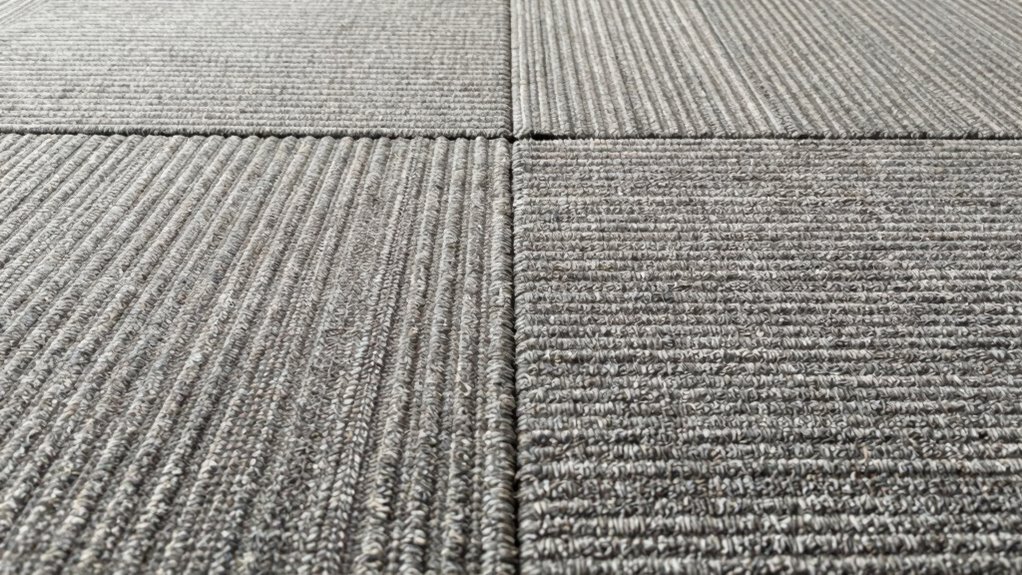
Have you ever noticed the straight, uniform lines that appear on a freshly cleaned or newly installed carpet? Those lines are more than just visual cues—they’re key to carpet aesthetics and texture preservation. Carpet lines create a neat, orderly appearance that instantly boosts your space’s look. They also help maintain the carpet’s fibers, preventing uneven wear and tear over time. When you see those crisp, parallel lines, it means your carpet has been properly groomed, which enhances its overall look and feel. These lines are a sign of good maintenance, ensuring your carpet stays attractive and comfortable longer. Recognizing their importance encourages you to prioritize regular cleaning and professional care, keeping your carpet both beautiful and well-preserved. Additionally, carpet pile direction can influence the appearance of these lines and is crucial for achieving a uniform finish. Properly aligning the carpet pile during cleaning or installation supports the formation of consistent lines and extends the lifespan of your carpet. Regularly adjusting the carpet pile orientation can also improve the visual effect of the lines over time.
What Carpet Lines Reveal About Your Carpet’s Condition and Maintenance Habits

The appearance and quality of carpet lines can tell you a lot about how well your carpet is being maintained. If your lines are crisp and consistent, it indicates regular vacuuming and proper cleaning habits. Conversely, uneven or blurry lines may suggest neglect or insufficient maintenance. Stain removal practices also matter; if stains are consistently treated, your carpet maintains a fresher look, supporting better line formation. Over time, improper stain removal or lack of attention can lead to color fading in certain areas, making the lines less defined. Well-maintained carpets with regular cleaning and prompt stain treatment tend to show vibrant color and clear lines, reflecting good upkeep. Additionally, understanding the importance of Free Floating in carpet fibers can help in assessing how well your carpet retains its appearance over time. Proper carpet fiber construction can also influence how easily your carpet shows lines and maintains its appearance. Using suitable cleaning methods that respect the carpet’s fiber type can prevent damage and preserve the crispness of the lines. Regular vacuuming with the right settings and techniques can also prevent fiber damage and extend the life of your carpet. Recognizing signs of fiber damage early can help address issues before they affect your carpet’s overall appearance. Ultimately, your carpet’s lines serve as visual clues for your overall care routine.
Why Do Carpet Lines Appear After Vacuuming or Cleaning?

When you vacuum or clean your carpet, the fibers shift and realign, creating visible lines. The type of vacuum brush and cleaning method you use also influence how these lines appear. Understanding these factors can help you achieve more even and consistent results. For example, using proper technique and equipment can prevent damage to carpet fibers and ensure a more uniform appearance. Additionally, selecting the appropriate carpet lines and understanding their formation can enhance your cleaning routine and help maintain your carpet’s appearance over time. Being aware of fiber orientation can further assist in achieving a more professional-looking finish, especially as innovations like AI-powered cleaning become more prevalent in home maintenance. This knowledge allows you to optimize your cleaning process and better manage fiber alignment for lasting carpet aesthetics.
Carpet Fiber Alignment
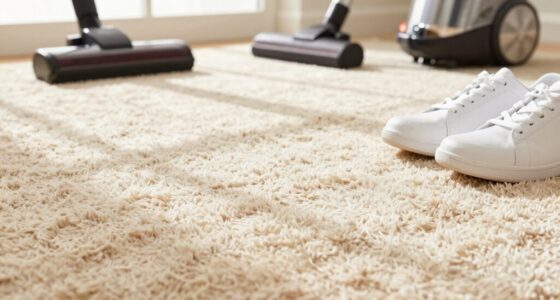
Carpet fiber alignment often becomes noticeable after vacuuming or cleaning because the action of cleaning temporarily shifts the fibers into different positions. When you walk or vacuum over the carpet, the fibers realign in a specific fiber direction, creating visible lines. This fiber alignment influences how light reflects off the surface, making the lines more apparent. The fibers tend to settle in the direction of foot traffic or vacuum movement, causing the pattern to appear more prominent. Over time, the fibers gradually revert to a more natural, random arrangement. Understanding that these lines are just temporary fiber alignment helps you realize that they don’t mean your carpet is damaged. Proper care and regular cleaning can help maintain even fiber distribution, reducing the appearance of lines.
Vacuum Brush Effect
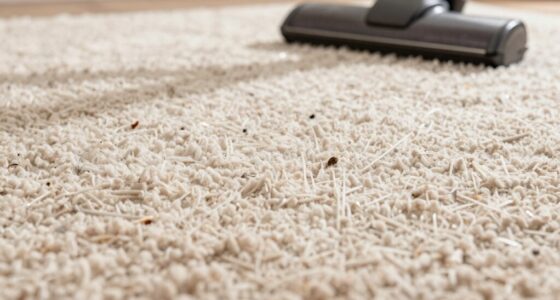
Vacuum brushes can create visible lines on your carpet because their bristles and rollers actively push and lift fibers into specific directions. This is known as the vacuum brush effect, which temporarily rearranges the carpet fiber alignment. As the brush rolls over the surface, it compresses some fibers and lifts others, resulting in the characteristic lines you see after cleaning. These lines highlight the areas where fibers have been aligned in the direction of the vacuum’s movement. The effect is more pronounced on plush or dense carpets, where fibers respond more noticeably to mechanical action. Over time, the fibers settle back into their natural arrangement, causing the lines to fade. The vacuum brush effect is a sign that your vacuum is effectively engaging with your carpet fibers. Additionally, this effect can contribute to a more uniform appearance, similar to the benefits seen in professional cleaning techniques. Regular vacuuming not only maintains cleanliness but also helps in preserving carpet fiber health, which can improve the overall appearance over time. Proper vacuuming techniques can also help minimize visible lines, ensuring a smoother and more consistent look. Regular maintenance of your vacuum can also enhance its effectiveness in creating consistent results across your carpets.
Cleaning Technique Impact
The way you clean your carpet—whether by vacuuming, steam cleaning, or other methods—directly influences the appearance of lines afterward. Different techniques can leave distinct patterns, especially when it comes to pet hair removal and stain prevention. For example, a thorough vacuum with a powerful brush roll lifts pet hair more effectively, creating cleaner lines. Steam cleaning can loosen dirt and prevent stains from settling, but uneven pressure may result in inconsistent lines. Proper technique guarantees even cleaning, which helps maintain that polished look. Additionally, adjusting your cleaning method based on your carpet’s texture and traffic areas can improve pet hair removal and prevent stains, resulting in more uniform and attractive lines. Your choice of technique directly impacts the final appearance of your carpet. Understanding carpet filtration systems can help you select the right cleaning method to keep your carpets looking their best. To achieve the best results, consider the effectiveness of different cleaning equipment, how they interact with your carpet fibers, and the maintenance routines that support their longevity and performance.
How to Achieve Straight, Even Carpet Lines During Cleaning
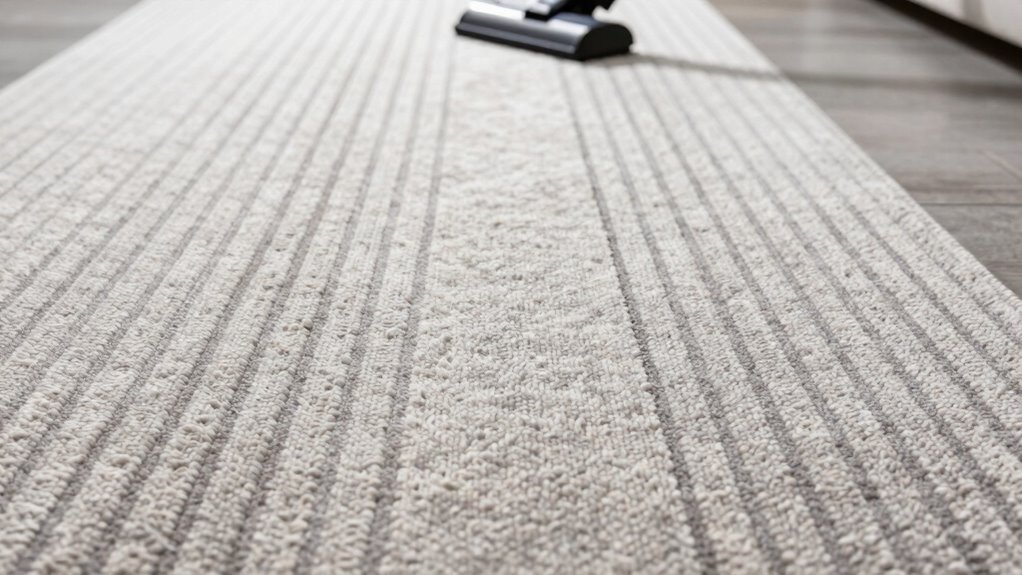
To get straight, even carpet lines, start by choosing the right equipment that fits your carpet type. Use a consistent cleaning technique, moving in straight, overlapping passes to keep lines neat. With the right tools and steady method, you’ll achieve professional-looking results every time.
Proper Equipment Selection
Choosing the right equipment is essential for achieving straight, even carpet lines during cleaning. You want tools that complement the carpet’s color contrast and pattern design to prevent uneven lines. A high-quality vacuum or carpet cleaner with adjustable settings guarantees consistent agitation, helping you follow the pattern seamlessly. Use equipment with a wide cleaning path to reduce overlaps and missed spots, which can distort the lines. When selecting brushes or nozzles, consider how their design interacts with the carpet’s texture and pattern, avoiding equipment that may cause uneven wear or visible streaks. Properly chosen equipment allows you to maintain steady movement and control, ensuring your carpet’s pattern remains crisp and the lines stay straight. Additionally, understanding cleaning principles can help you optimize your cleaning process for a more uniform finish. Employing equipment calibration is also important to ensure your tools perform consistently and produce even results. Being aware of smart home automation techniques can further assist in scheduling and controlling your cleaning routines for optimal results. This careful selection is a key step toward a professional, even finish.
Consistent Cleaning Technique
Achieving straight, even carpet lines requires maintaining a consistent cleaning technique throughout the job. Pay attention to factors like color variation and fiber orientation, which influence how lines appear. To ensure uniform results:
- Maintain a steady pace and overlapping strokes to avoid gaps that cause uneven lines.
- Work in straight, parallel passes, consistently following the same direction.
- Adjust your cleaning pressure to prevent fiber distortion, which can lead to color variation.
- Always move in the same direction each time you change passes, aligning with fiber orientation for a seamless look.
- Incorporate proper cleaning tools designed to support consistent pressure and movement, enhancing the uniformity of your carpet lines.
Choosing the Best Vacuum and Equipment for Neat Carpet Lines
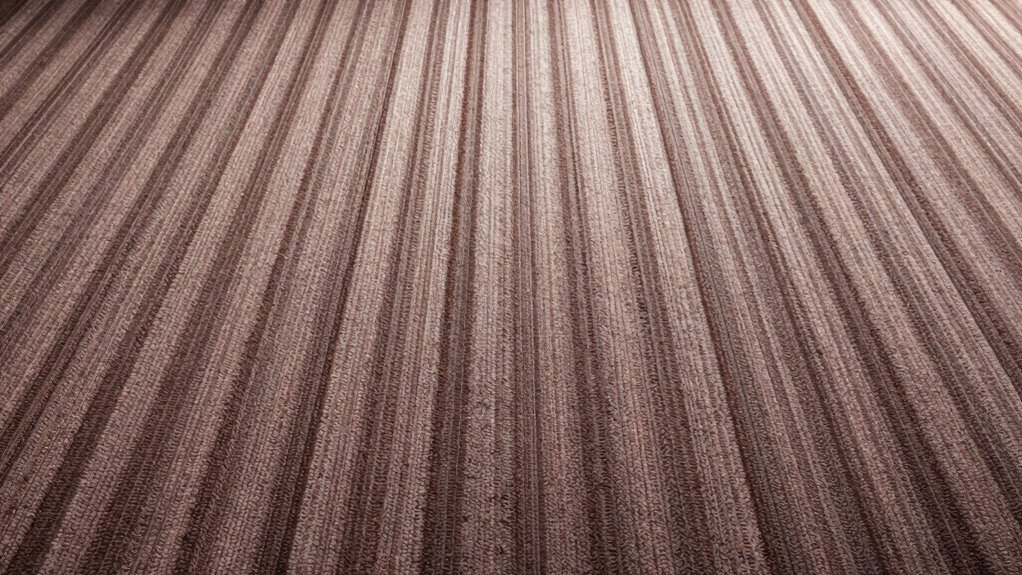
The right vacuum and equipment can make a significant difference in creating crisp, professional-looking carpet lines. To achieve this, prioritize a vacuum that’s well-maintained—regular vacuum maintenance guarantees optimal suction and performance. Consider your carpet fiber types when selecting equipment; for example, low-pile carpets benefit from vacuums with adjustable height settings, while high-pile or plush carpets may need more powerful suction. Using the correct tools, like a beater bar or brush roller suited to your carpet, helps lift fibers and create clean, defined lines. Properly maintained equipment prevents uneven wear and ensures consistent results. Investing in quality vacuum cleaners designed for your specific carpet type will help you achieve the neat, uniform lines you desire.
How to Use Proper Technique for a Consistent Carpet Line Finish
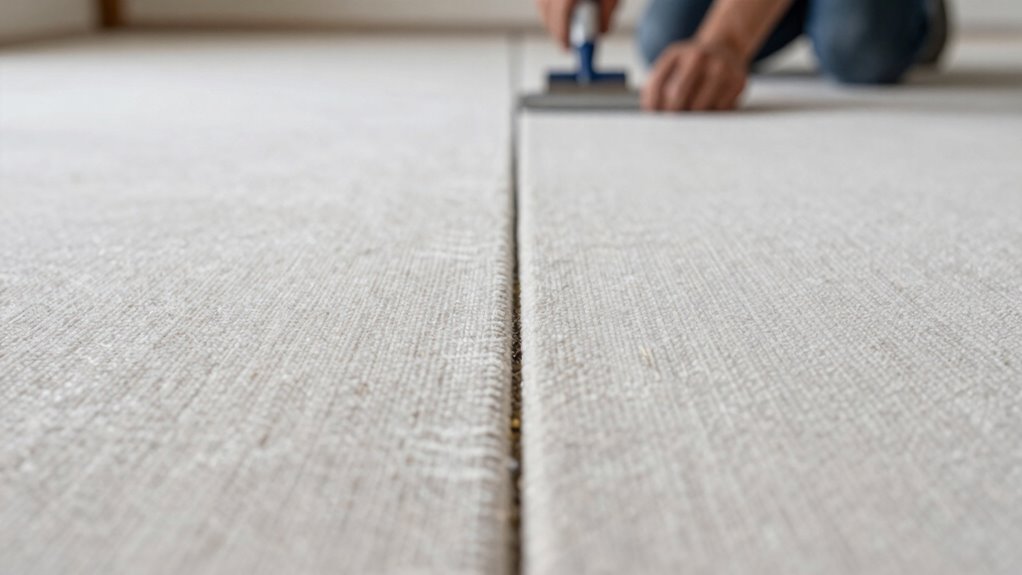
Using proper technique is key to getting clean, consistent carpet lines that look professional. To achieve this, focus on these steps:
Master proper technique for professional, clean carpet lines with steady pressure and straight, deliberate movements.
- Maintain steady, even pressure on your carpet stretcher or knee kicker to ensure uniform tension.
- Pay attention to color contrast—use a darker or contrasting carpet padding underneath to highlight the line.
- Keep your tools aligned and move in straight, deliberate motions for a sharp edge.
- Regularly check your work from different angles, adjusting as necessary to maintain evenness.
Troubleshooting Uneven or Inconsistent Carpet Lines

Uneven or inconsistent carpet lines often result from improper tension, tool misalignment, or uneven subfloor surfaces. If your lines aren’t straight, check the tension you’re applying—too tight or too loose can cause unevenness. Confirm your carpet stretcher is aligned properly and used with steady, consistent pressure. Pay attention to the carpet pile direction; mismatched pile angles can distort the line appearance. Additionally, vacuum patterns can reveal problem areas—irregular or inconsistent vacuuming may cause uneven pile laying, affecting the line’s definition. Re-examining your technique with these factors in mind will help you identify and correct issues. Proper tension, alignment, and attention to pile direction and vacuum patterns are key to achieving smooth, even carpet lines.
Tips for Maintaining Carpet Lines Over Time
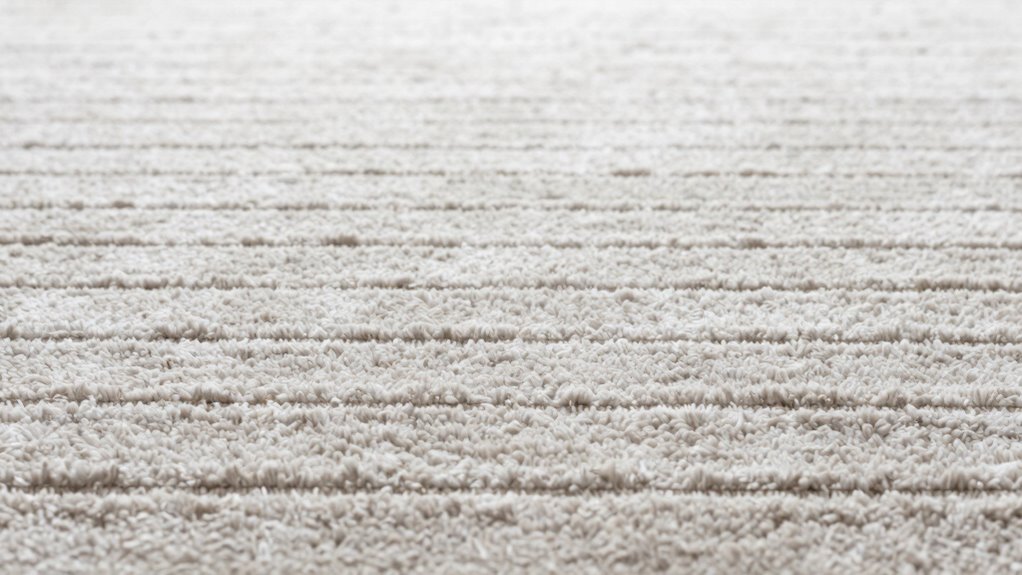
Maintaining crisp, consistent carpet lines over time requires regular attention and proper care. To preserve those clean lines, focus on:
- Regular carpet grooming to lift fibers and reinforce the line definition.
- Prompt stain removal to prevent discoloration that can disrupt the uniform look.
- Using a carpet rake or brush to re-align fibers after foot traffic or vacuuming.
- Avoiding excessive moisture during cleaning, as it can cause lines to fade or shift.
Consistent grooming and timely stain removal help keep your carpet looking freshly lined. Be gentle with cleaning tools to avoid disturbing the fibers, and always follow manufacturer instructions for stain treatments. These simple steps ensure your carpet lines stay sharp and even over time.
Frequently Asked Questions About Creating and Preserving Carpet Lines

Creating and preserving sharp carpet lines involves understanding common questions homeowners have about the process. One key concern is how carpet fiber orientation affects line sharpness—aligning fibers in the same direction helps maintain a clean, crisp appearance. You might wonder how vacuuming patterns influence your lines; consistently vacuuming in the same direction can help reinforce the fiber alignment and prolong the neat look. It’s also natural to ask how often you should re-establish your lines, especially after foot traffic or cleaning. The answer is to regularly groom the fibers with a carpet rake or brush, which helps reset the fiber orientation. Properly maintaining your vacuuming patterns and understanding fiber behavior plays a vital role in creating and preserving those even, professional-looking lines.
Frequently Asked Questions
How Long Do Carpet Lines Typically Last Before Fading?
Carpet lines usually last about a week or two before fading, depending on foot traffic and cleaning habits. To keep them looking fresh longer, you should regularly vacuum and maintain your vacuum for peak performance, which helps preserve the lines. Additionally, stain prevention measures can protect your carpet’s appearance, ensuring the lines stay prominent and neat. Proper care and timely cleaning directly influence how long your carpet lines remain visible.
Can Pet Hair Affect the Appearance of Carpet Lines?
Pet hair can definitely affect the appearance of carpet lines. When pet hair clings to the fibers, it creates a less smooth, uneven look, making the lines less distinct. Regular vacuuming helps remove pet hair, improving the carpet’s overall appearance and ensuring your lines stay crisp and even. Using a brush or a lint roller on the carpet can also help pick up stubborn pet hair, keeping your carpet lines looking neat and defined.
Are Certain Carpet Types Better for Visible Lines?
A stitch in time saves nine, and choosing the right carpet type can make a big difference. You’ll find that carpets with certain fiber types, like nylon or polyester, hold lines better. Also, a lower rug pile height creates more visible, crisp lines. So, opt for carpets with dense fibers and shorter pile if you want those neat, even lines that stand out—your space will look polished and inviting.
How Does Humidity Impact the Formation of Carpet Lines?
Humidity effects can considerably impact the formation of carpet lines. When humidity is high, the fibers expand, making it harder to create crisp, defined lines. Conversely, low humidity causes fibers to contract, helping lines appear more distinct. To achieve even carpet lines, maintain consistent humidity levels, ideally around 40-50%, and allow the fibers time to settle after stretching. This balance ensures a smoother, more uniform finish.
Can DIY Methods Damage My Carpet’s Fibers or Cause Uneven Lines?
Did you know that improper DIY methods can cause fiber damage in up to 30% of cases? You might think you’re saving money, but DIY pitfalls like using harsh chemicals or excessive force can damage your carpet fibers or cause uneven lines. Always follow manufacturer instructions, test cleaning products first, and avoid over-wetting. This helps prevent fiber damage and keeps your carpet looking smooth and professional without costly repairs.
Conclusion
Carpet lines aren’t just about looks—they reflect your care and maintenance habits. By understanding how they form and following proper techniques, you can achieve neat, consistent results every time. Remember, even lines symbolize balance and attention to detail, reminding you that small efforts make a big difference. Keep your carpet well-maintained and your cleaning habits intentional, and those perfect lines will be a demonstration of your dedication. Sometimes, the simplest tricks reveal the deeper truth of care and pride.