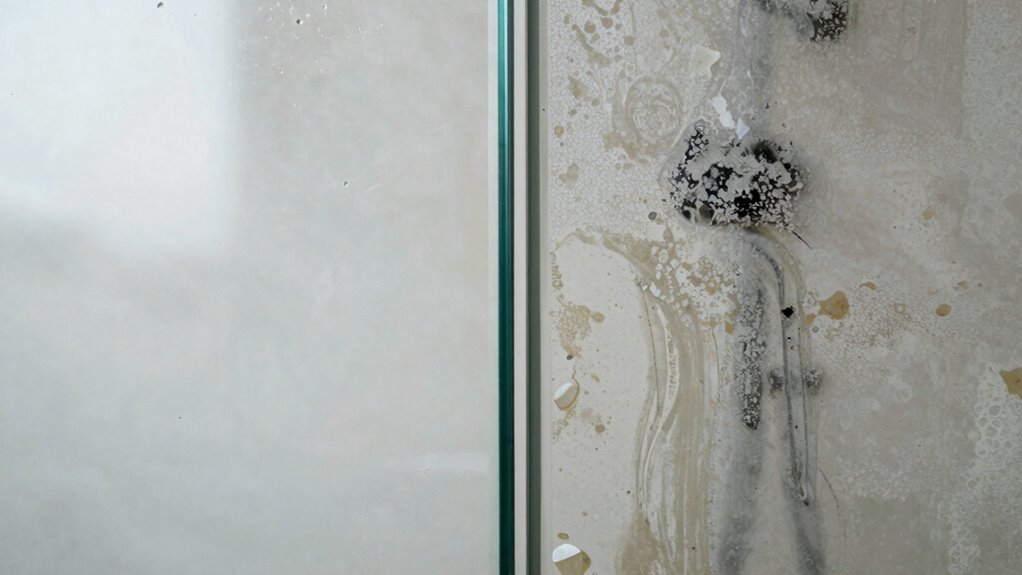

Hard water contains minerals like calcium and magnesium, which react with soap and leave spots or soap scum, making cleaning less effective. Soft water has fewer minerals, so it helps soap lather better and makes surfaces look clearer and stay cleaner longer. This means your cleaning is easier and more thorough. To discover simple ways to improve your cleaning with either water type, continue exploring how you can achieve better results.

Get cleaning gear delivered free — and shop member deals
- Fast, free delivery on millions of items
- Access to Prime Big Deal Days deals on October 6–7
- Prime Video, Amazon Music and more included
Key Takeaways
- Hard water contains minerals like calcium and magnesium that reduce soap’s effectiveness and cause soap scum.
- Soft water enhances cleaning by allowing soap to lather better and prevents mineral deposits on surfaces.
- Hard water leads to mineral buildup, dull fixtures, and streaks, making cleaning more difficult and less effective.
- Using water softeners or filtration improves cleaning results by removing minerals that hinder soap and cleaning agents.
- Soft water extends appliance lifespan and keeps surfaces cleaner, reducing maintenance caused by mineral deposits.
Hard Water vs. Soft Water: What’s the Difference and Why It Matters

Have you ever noticed soap not lathering well or felt a film on your skin after washing? That’s often caused by hard water, which contains high mineral deposits like calcium and magnesium. These minerals can react with soap, reducing its ability to produce foam and leaving a residue on surfaces and skin. Additionally, water pH plays a role; hard water tends to be more alkaline, which can further affect cleaning. Soft water, on the other hand, has fewer minerals and a more neutral pH, making it easier for soap to work effectively. Recognizing the impact of water mineral content helps you understand why cleaning with hard water can be frustrating and why soft water provides a better, more efficient cleaning experience. Moreover, water hardness can lead to scale buildup in pipes and appliances, increasing maintenance costs over time.
How Hard Water Affects Your Cleaning Results and Surfaces
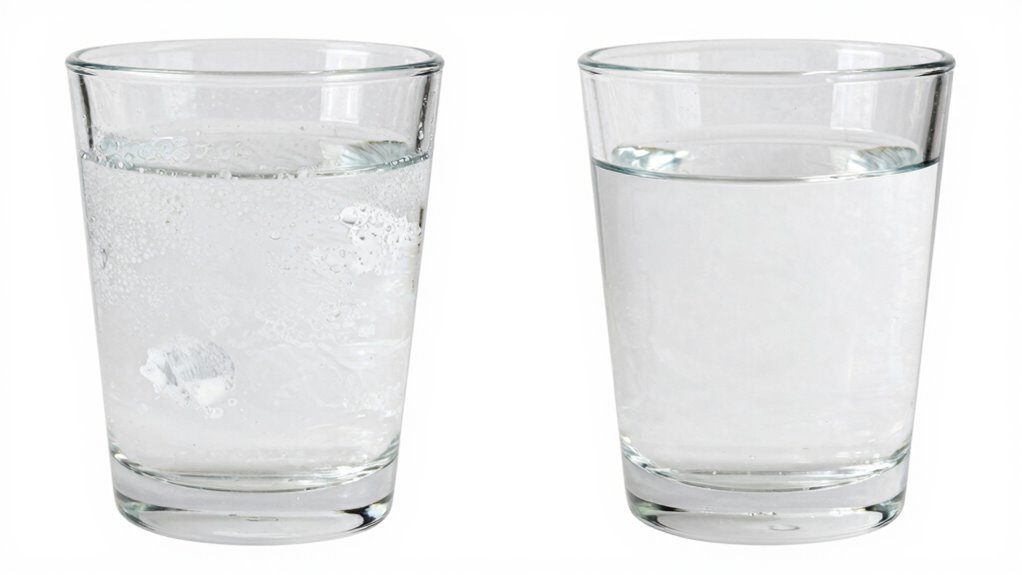
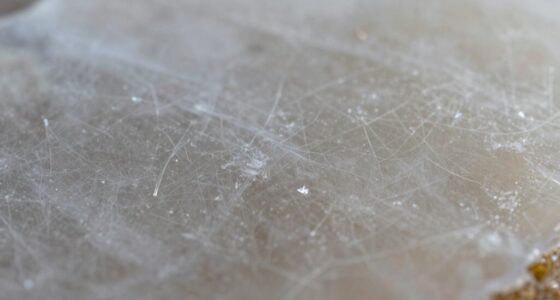
Hard water can markedly impact your cleaning results and the longevity of your surfaces. Its high water mineral content, primarily calcium and magnesium, reacts with soap, reducing soap efficiency. This reaction leads to the formation of soap scum, which is difficult to remove and can leave residues on surfaces. Hard water also leads to mineral deposits on fixtures and surfaces, dulling their appearance over time. You might notice that cleaning takes longer and requires more product, increasing costs and effort. To visualize, here’s a comparison:
| Effect | Explanation |
|---|---|
| Reduced soap efficiency | Minerals bind with soap, creating soap scum and less cleaning power |
| Surface buildup | Mineral deposits cause dullness and potential surface damage |
| Cleaning difficulty | Harder to achieve streak-free, spotless results |
| Surface longevity | Mineral deposits can degrade finishes over time |
Additionally, water hardness can influence the effectiveness of cleaning agents and the rate at which surfaces wear, making understanding and managing water quality essential for optimal cleaning results. Recognizing the impact of mineral content helps in choosing appropriate water softening methods to improve cleaning efficiency and surface maintenance. Proper water treatment can mitigate many issues caused by hard water, leading to better cleaning outcomes and preserving surface integrity over time.
Why Soft Water Helps You Achieve Cleaner, Streak-Free Surfaces
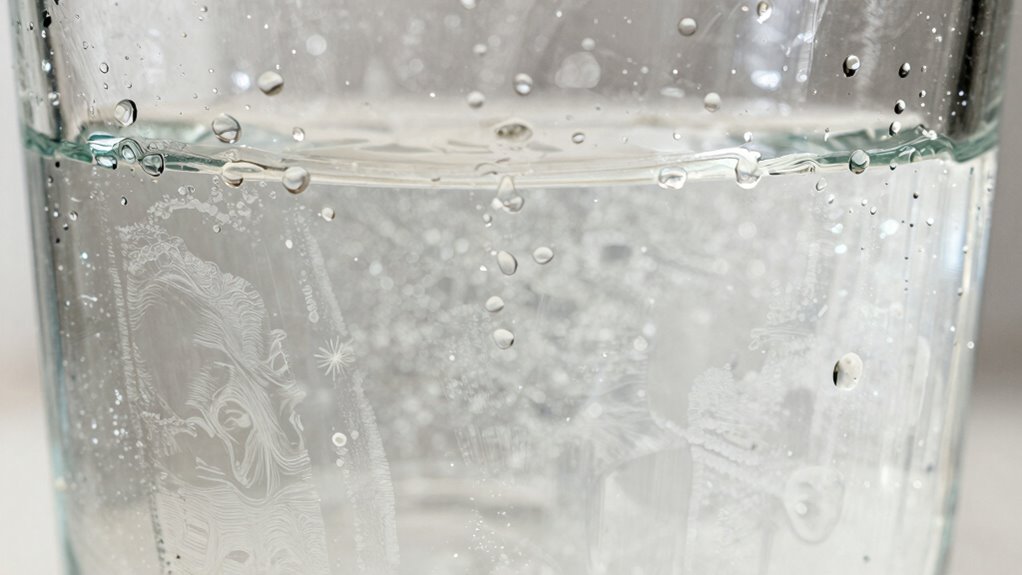
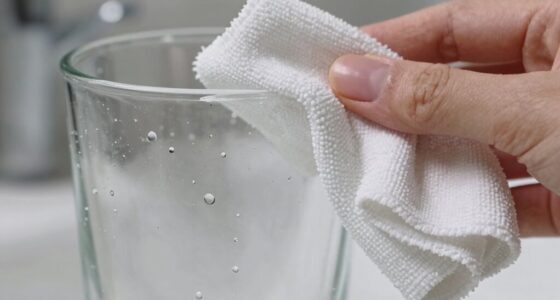
Soft water makes it easier to achieve cleaner, streak-free surfaces because it contains fewer minerals that interfere with cleaning. When water has fewer minerals, there’s less mineral buildup on glass, tiles, and fixtures, preventing streaks and spots. Water chemistry plays a pivotal role here; soft water‘s lower mineral content means soap and cleaning solutions work more effectively, rinsing away dirt and grime without leaving residue. This results in surfaces that look clearer and stay cleaner longer. In contrast, hard water’s minerals can leave deposits that cause streaks and dullness. By using soft water, you reduce the need for extra rinsing or scrubbing, making your cleaning routine more efficient and your surfaces visibly more polished and streak-free. Additionally, air purifier maintenance can be more effective in environments with soft water, as reduced mineral buildup helps keep filters cleaner for longer periods. Moreover, understanding water chemistry can help you select the most appropriate cleaning products and techniques for different surfaces. Recognizing the benefits of water softening can further improve your cleaning results and protect your appliances from mineral damage. For example, incorporating water softening systems into your home can significantly enhance overall cleaning efficiency.
Easy Tips to Improve Cleaning With Hard Water

Dealing with hard water doesn’t mean your cleaning efforts are doomed to fall short; instead, you can improve your results with some simple strategies. First, consider installing a water filtration system to reduce mineral content, which helps prevent mineral buildup on surfaces and fixtures. Using a vinegar rinse periodically can break down mineral deposits and keep your appliances functioning efficiently. When washing dishes or clothes, opt for detergents formulated for hard water, as they help combat mineral interference. Additionally, wiping surfaces dry after cleaning prevents water spots caused by mineral residue. Regularly maintaining your plumbing and fixtures also reduces mineral buildup, ensuring better water flow and cleaning effectiveness. Incorporating smart water testing devices can help you monitor water quality and adjust your cleaning approach accordingly. Understanding hard water chemistry can further aid in selecting the most effective cleaning methods. Being aware of water hardness levels allows you to tailor your cleaning techniques more precisely. Staying informed about mineral buildup prevention techniques can extend the lifespan of your appliances and fixtures. For example, using water softening methods can significantly reduce mineral effects on your home. These tips make cleaning with hard water more manageable and help maintain a cleaner, more streak-free home.
When and How to Use Water Softeners for Better Cleaning Outcomes

To achieve better cleaning results, knowing when and how to use water softeners is essential. Use a water softener when you notice mineral buildup, decreased soap efficiency, or soap scum on fixtures. Regular water softener maintenance, like replenishing salt and cleaning resin beads, guarantees peak performance. Softening water before laundry, dishwashing, or bathing helps prevent mineral deposits and improves cleaning effectiveness. If your water supply is especially hard, consider chemical water treatment options alongside softening to enhance results. Proper timing and maintenance maximize the softener’s benefits, making your cleaning chores easier and more effective. Additionally, understanding color accuracy principles can help optimize the overall water treatment process for better home maintenance, especially when integrating with Gold IRA Markets related investments for diversified financial planning. Incorporating a comprehensive approach to water treatment can also lead to energy savings by reducing the load on water-heating appliances and plumbing systems. Being aware of water hardness levels allows you to adjust your treatment methods appropriately for optimal results.
Frequently Asked Questions
Can Hard Water Damage Cleaning Appliances Over Time?
Yes, hard water can damage your cleaning appliances over time. The mineral deposits from hard water build up inside appliances like washing machines and dishwashers, leading to reduced efficiency and potential clogging. Over time, these deposits can cause appliance corrosion, shortening their lifespan. To prevent this, consider installing water softeners or regularly descaling your appliances to remove mineral buildup and protect your investment.
Are Certain Cleaning Products More Effective With Soft Water?
Did you know that soft water can make cleaning products up to 40% more effective? You’ll find that certain cleaning products work better with soft water because it maintains a more ideal pH balance, helping them lather and clean more efficiently. With soft water, you also reduce mineral buildup, which can hinder the effectiveness of some detergents. So, choosing the right products can save you time and improve your cleaning results.
Does Water Hardness Vary by Geographic Location?
Water hardness does vary by geographic location due to regional differences in mineral content, especially calcium and magnesium levels. You’ll notice some areas have harder water because of underlying geology, while others have softer water. This geographic variability impacts your cleaning results, making it essential to adapt your cleaning methods and products based on regional differences. Knowing your area’s water hardness helps you choose the right cleaning strategies for ideal results.
Can Hard Water Affect Laundry Color Retention?
Yes, hard water can affect laundry color retention. The minerals in hard water cause laundry color fading over time and can lead to fabric dye bleeding, making clothes look dull. To prevent this, you might consider using water softeners or specialized detergents designed for hard water. These solutions help maintain vibrant colors and keep your laundry looking fresh longer, ensuring your clothes retain their original dye and brightness.
How Does Water Hardness Influence Soap and Detergent Longevity?
You’ll notice that hard water shortens soap and detergent’s lifespan. Instead of long-lasting soap residue, hard water creates mineral buildup that clings to your cleaning products, reducing their efficiency. This means you need more detergent to get the same clean, and your soap may wear out faster. So, while soft water helps your detergents work better and last longer, hard water forces you to use more and replace supplies sooner.
Conclusion
Did you know that over 85% of homes worldwide have hard water? Understanding the difference between hard and soft water can save you time, money, and frustration. By using water softeners or simple tips, you can achieve cleaner, streak-free surfaces effortlessly. Don’t let hard water hold you back—making small adjustments can dramatically improve your cleaning results and extend the life of your appliances. Take control today for a brighter, more efficient cleaning experience.
Fall Picks
fall essentials
As an affiliate, we earn on qualifying purchases.