If your floors stay dirty after cleaning, start by checking your cleaning technique. Use gentle, damp mops with proper strokes and avoid aggressive scrubbing. make certain you’re not oversaturating the floor or using dirty water. Choose suitable, pH-neutral cleaners and rinse tools thoroughly. Also, consider if residual residues or buildup might be causing the issue. Taking these steps can often resolve the problem; you’ll discover more tips to achieve truly spotless floors further on.
Key Takeaways
- Check if you’re using appropriate cleaning products suitable for your floor type to avoid residues.
- Ensure the mop is rinsed thoroughly and not overly saturated to prevent spreading dirt or leaving streaks.
- Use proper mopping techniques with gentle, overlapping strokes to lift dirt without pushing it deeper.
- Rinse and change cleaning water frequently to prevent recontamination and buildup on the floor.
- Consider deeper cleaning or professional assistance if grime persists due to improper sealing or stubborn residues.
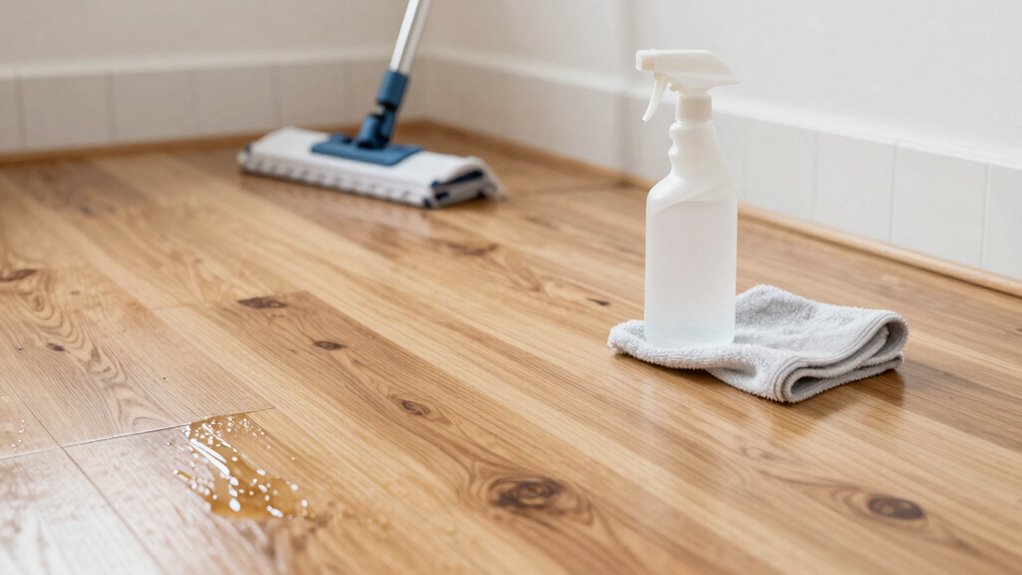
Even after you’ve just cleaned your floors, they may still look dirty or feel sticky. This frustrating situation often stems from issues with your mopping techniques or the cleaning products you choose. To get to the root of the problem, start by evaluating how you’re mopping. Are you using the right motions? Too much water can leave residue, so avoid oversaturating the mop or floor. Instead, opt for a damp mop that’s only slightly moist, and use smooth, overlapping strokes to lift dirt effectively. Remember, scrubbing aggressively can push grime deeper into the surface, so gentle but thorough mopping is key. Proper mopping techniques ensure you’re not just spreading dirt around but actually removing it. Additionally, choosing the right cleaning tools, such as microfiber mops, can improve dirt pickup and reduce leftover residue.
Use gentle, damp mops with smooth strokes to effectively lift dirt without spreading or pushing grime deeper.
Next, consider your cleaning product selection. Using the wrong cleaner can leave a film on your floors, making them look dull or sticky. Check the labels to ensure the product is suitable for your specific floor type—whether it’s hardwood, tile, or laminate. Some cleaners contain harsh chemicals that leave residues, so opt for pH-neutral or specially formulated flooring cleaners. Diluting concentrated cleaners correctly is equally important; too strong, and you risk buildup, too weak, and dirt isn’t fully removed. If you prefer natural options, vinegar diluted with water can work well on certain surfaces, but be cautious with its use on hardwoods, as it can damage the finish.
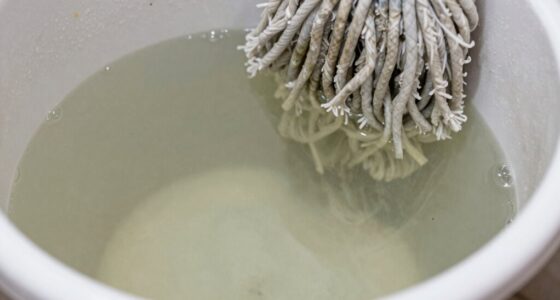
Another common mistake is not rinsing or changing the water frequently enough. Dirty water quickly redeposits grime onto your floors, negating your efforts. Always switch out the cleaning solution when it becomes visibly dirty, and rinse your mop thoroughly after each pass. This prevents recontamination. Additionally, avoid leaving excess water on the floor after mopping—use a clean, dry cloth or a squeegee to remove residual moisture. This step helps prevent streaks and sticky spots caused by leftover cleaning solution or water. Using a flat iron bike or similar equipment can also help ensure a smooth, even finish on your floors, especially if they are hardwood or delicate surfaces.
If your floors still feel sticky despite following these tips, consider whether there might be underlying issues like improper sealing or accumulated grime that needs a deeper clean. Sometimes, stubborn residues require specific cleaning methods or professional attention. By carefully examining your mopping techniques and cleaning product choices, you can considerably improve your results. With consistent effort, you’ll find that your floors stay cleaner longer and look their best every time you mop.

BPAWA Microfiber Mops for Floor Cleaning: Flat Mop for Hardwood Tile Wood
- Adjustable Long Handle: Extends from 32 to 59 inches
- Washable Reusable Pads: Includes 4 durable, super absorbent pads
- Lightweight and Flexible: Easy to maneuver for all users
As an affiliate, we earn on qualifying purchases.
As an affiliate, we earn on qualifying purchases.
Frequently Asked Questions
Can Hard Water Deposits Cause Floors to Stay Dirty?
Yes, hard water deposits can cause floors to stay dirty. Water stains and residue buildup from minerals like calcium and magnesium leave a film that regular cleaning doesn’t remove. If you notice persistent spots or a cloudy film, hard water deposits might be the culprit. To fix this, you should use a vinegar solution or a specialized hard water stain remover. Regularly wiping down with these helps prevent buildup and keeps your floors cleaner longer.
Does Using Too Much Cleaning Product Leave Residues?
Using too much cleaning product can turn your floors into a sticky trap, leaving behind stubborn residue buildup. Think of it like pouring too much ink into water—what’s meant to clean ends up spreading more dirt instead. Overusing cleaning solutions doesn’t just waste product; it creates a film that attracts more dust and dirt, making your floors look dirtier despite your efforts. Always use the right amount to keep your floors spotless.
Can Improper Drying Affect the Cleanliness of Floors?
Improper drying can definitely affect your floor’s cleanliness. If you don’t use effective drying techniques, moisture can linger, trapping dirt and grime. Ensuring good air circulation helps the floor dry faster and more evenly, reducing residue buildup. Avoid leaving water spots or streaks, which can attract more dirt. Properly drying your floors minimizes the risk of dirt and residue sticking around, keeping your floors cleaner for longer.
Are Certain Flooring Materials More Prone to Lingering Dirt?
Certain flooring materials are more prone to lingering dirt due to their surface textures and porosity. For example, carpets and textured tiles trap more debris, making them harder to clean thoroughly. You should consider different maintenance routines based on your floor material, like frequent vacuuming for carpets or sealing porous surfaces. Regularly adjusting your cleaning methods helps prevent dirt buildup and keeps your floors cleaner longer, regardless of material differences.
How Does Humidity Impact the Effectiveness of Cleaning?
High humidity levels can considerably reduce cleaning efficiency because moisture makes dirt and grime stick more stubbornly to surfaces. When humidity is elevated, your cleaning efforts may seem less effective, as moisture hampers the drying process and allows dirt to re-settle quickly. To improve results, keep humidity levels balanced with dehumidifiers or ventilation, ensuring your cleaning solutions work most effectively and your floors stay cleaner longer.

Zep Neutral PH Industrial Floor Cleaner – 1 Gallon – ZUNEUT128 – Concentrated Pro Trusted All-Purpose Floor Cleaner
- Preserves Floor Polish: Maintains protective coating
- Restores Shine: Cleans and restores without rinsing
- Suitable for Various Floors: Marble, granite, vinyl, stone
As an affiliate, we earn on qualifying purchases.
As an affiliate, we earn on qualifying purchases.
Conclusion
If your floors remain dirty after cleaning, don’t get discouraged. Sometimes, the root cause might be using the wrong cleaning products or not rinsing thoroughly. For example, a homeowner once used a cheap mop that spread dirt instead of removing it, making the problem worse. By identifying issues like worn-out equipment or improper cleaning techniques, you can guarantee your floors stay spotless. Keep troubleshooting, and you’ll enjoy cleaner, fresher floors every time.
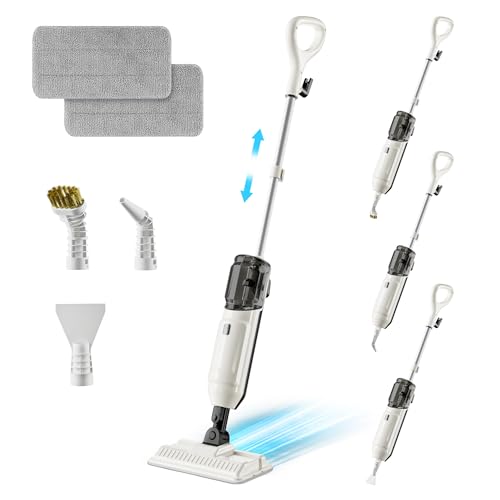
Steam Mop for Floor Cleaning, Multi-Purpose Steam Cleaner with Handheld Steamer & Accessories, Deep Cleaning Floor Steamer for Hardwood and Tile, Pet-Friendly Steam Mop for Home
- High-Temperature Steam: 260°F in 15 seconds for deep cleaning
- Multi-Surface Compatibility: Suitable for hardwood, tile, laminate, vinyl
- Chemical-Free Cleaning: Safe for families and pets
As an affiliate, we earn on qualifying purchases.
As an affiliate, we earn on qualifying purchases.

Zep All-in-One Industrial Floor Cleaning Kit – Contains Floor Stripper, Floor Sealer, Floor Polish and Floor Cleaner – 1 Gallon, (Case of 4) ZULFKIT – Great for Homes, Kitchens, and High-Traffic Areas
- Stain Resistant Floor Sealer: Provides extra stain resistance for interior floors
- High-Traffic Floor Polish: Resists heel marks and prevents slips
- Neutral pH Floor Cleaner: Cleans and maintains polish without stripping
As an affiliate, we earn on qualifying purchases.
As an affiliate, we earn on qualifying purchases.