Your mop bucket smells because bacteria, grime, and stagnant water build up when you don’t clean or change the water regularly. To stop the odor, empty and rinse the bucket after each use, disinfect it frequently, and avoid leaving water standing for too long. Make sure to dry your mop properly before storing it. Keep these tips in mind, and you’ll find simple ways to keep your bucket fresh—and products to help you get started.
Key Takeaways
- Stale, dirty water in the bucket promotes bacterial growth and foul odors.
- Neglecting regular cleaning allows grime and soap scum to build up, causing bad smells.
- Damp mops and storage in humid areas encourage mold, leading to unpleasant odors.
- Using contaminated disinfectants or infrequent water changes can fail to eliminate bacteria.
- Poor ventilation and improper drying of mops contribute to persistent bucket odors.
If your mop bucket develops a foul odor, it can quickly turn cleaning into a frustrating task. That unpleasant smell isn’t just a nuisance; it often signals underlying issues with how you’re handling your mop maintenance. To keep your cleaning routine effective and odor-free, you need to understand how to prevent the smell from taking over your bucket. Proper odor prevention starts with simple, consistent habits that stop bacteria and mold from thriving in the water and on your mop.
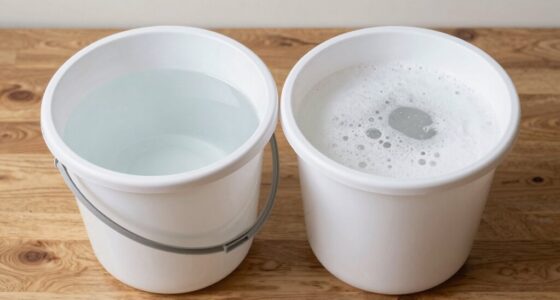
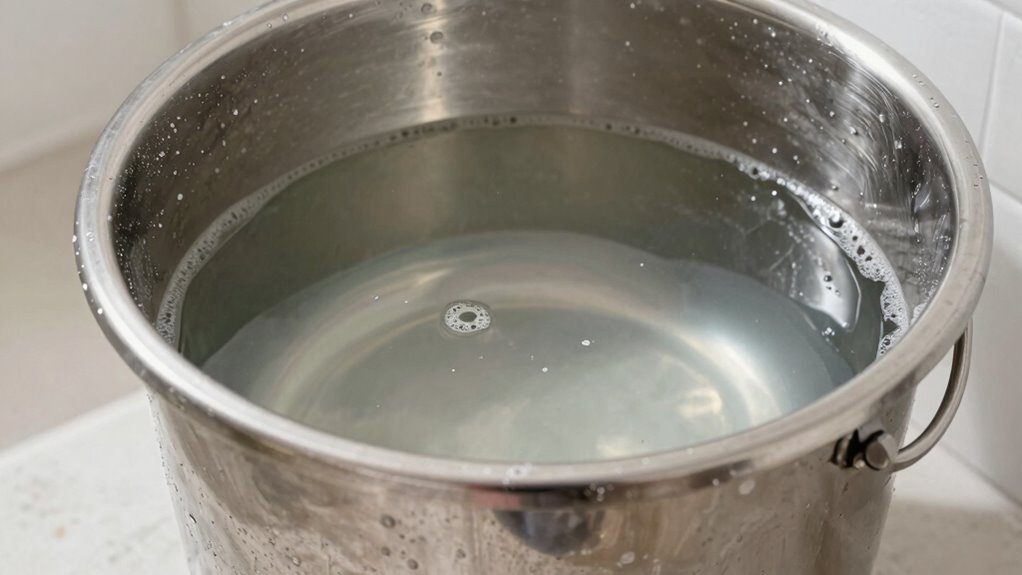
First, always empty and rinse your mop bucket thoroughly after each use. Standing water is a breeding ground for bacteria, which emit unpleasant odors. Don’t just dump the water; give the bucket a good rinse with clean water to remove residual dirt and soap scum. Wiping the inside with a disinfectant can also help eliminate bacteria that cause odors. Regular cleaning of your bucket isn’t just good mop maintenance; it’s essential for odor prevention. When you neglect this step, the buildup of grime and bacteria makes the smell worse over time. Additionally, using appropriate cleaning products can further inhibit bacterial growth and keep odors at bay.
Empty and rinse your mop bucket after each use to prevent bacterial odors from developing.
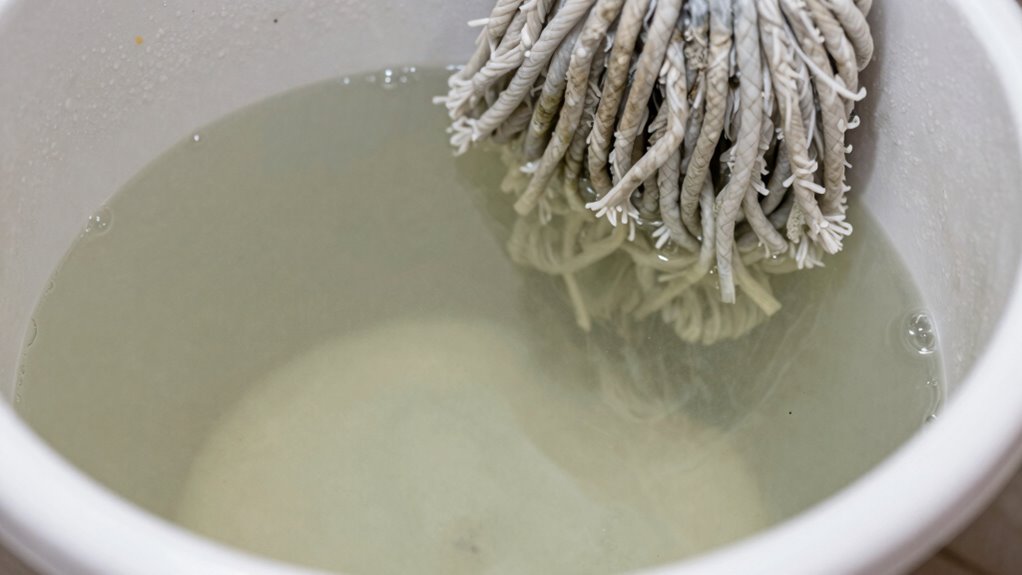
Another key to stopping odors is to change the water frequently. Stale water is a primary source of foul smells. Depending on how much you mop and what surfaces you’re cleaning, aim to replace the water at least once a day or more often if it gets dirty quickly. Using hot water can help break down grime better, further reducing bacteria growth. If you notice the water turning cloudy or smelling bad, replace it immediately. Don’t leave dirty water sitting in your bucket for too long, as this creates an environment perfect for odor-causing bacteria to flourish.
Adding disinfectants or cleaning agents to your mop water can also boost odor prevention. Products containing bleach or commercial disinfectants kill bacteria and mold, preventing their smell from developing. Just be sure to follow the instructions and rinse your bucket thoroughly afterward. Additionally, letting your mop dry thoroughly before storing it can prevent mold growth, which contributes to bad smells. Hang your mop in a well-ventilated area and avoid leaving it damp in the bucket for extended periods.
Incorporating these simple steps into your routine will considerably improve your mop maintenance and prevent odors from becoming an ongoing problem. Consistently cleaning your bucket, changing water regularly, and using disinfectants are effective ways to keep your mop bucket smelling fresh. With a little effort, you’ll turn what used to be a stinky chore into a quick, odor-free part of your cleaning routine.
Frequently Asked Questions
Can Using Scented Cleaning Solutions Prevent Mop Bucket Odors?
Using scented cleaning solutions can help prevent mop bucket odors by masking unpleasant smells and providing a fresh scent. However, they don’t eliminate the underlying bacteria or mold that cause odors in the first place. To effectively prevent odors, focus on regular cleaning, changing the water frequently, and drying your mop thoroughly. Scented cleaning products can enhance odor prevention, but proper maintenance is key to keeping your mop bucket fresh.
How Often Should I Replace the Water in My Mop Bucket?
You should replace the water in your mop bucket at least every 2 to 3 houses or once the water becomes visibly dirty. Regular mop head maintenance and following a consistent cleaning schedule help prevent odor buildup. Changing the water frequently guarantees your mop stays effective and odor-free, while also reducing bacteria growth. This simple routine keeps your cleaning effective and prevents unpleasant smells from developing in your mop bucket.
Are There Natural Remedies to Eliminate Mop Bucket Smells?
They say “an ounce of prevention is worth a pound of cure,” and it’s true for your mop bucket smell. You can use natural remedies like herbal remedies and essential oils to freshen it up. Add a few drops of tea tree or lavender oil to the water, or sprinkle baking soda. These natural solutions help eliminate odors without harsh chemicals, keeping your cleaning routine fresh and effective.
Does the Type of Mop Affect Odor Buildup?
Yes, the type of mop can affect odor buildup. Mops made from synthetic materials tend to trap dirt and bacteria more than natural fiber mops, leading to stronger odors. Using hot water helps sanitize the mop and prevent smells from developing. Regularly rinsing and drying your mop thoroughly after each use also reduces odor-causing bacteria. Choosing the right mop material and maintaining proper water temperature are key to keeping odors at bay.
Can Bacteria Growth in the Bucket Cause Persistent Odors?
Bacterial proliferation in your mop bucket is like inviting uninvited guests to a party—it leads to persistent odors. When you leave dirty water sitting, bacteria thrive and cause odor development that lingers. Regularly cleaning and changing the water slows bacterial growth, keeping odors at bay. Don’t let bacteria turn your mop bucket into a smelly swamp; stay vigilant and maintain proper hygiene to keep freshness alive.
Conclusion
Think of your mop bucket as a garden that needs regular tending. Just like weeds can overrun a garden, bacteria and mold can take over your bucket if you don’t clean it often. By rinsing, drying, and replacing the water regularly, you’re keeping your cleaning tool fresh and your home smelling sweet. Don’t let that foul odor be the weeds in your cleaning garden—nip it in the bud, and enjoy a fresher, happier space every time.