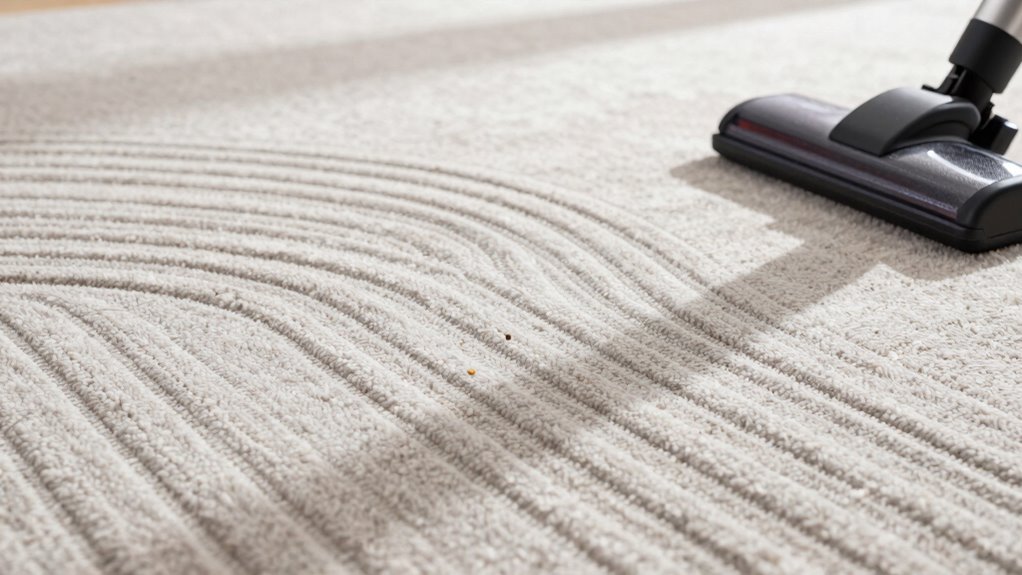
Many people skip a systematic vacuuming pattern, like covering every inch with overlapping, deliberate passes. They rush or vacuum randomly, leaving dust behind in corners, behind furniture, and along edges. This allows dust to quickly settle back and reappear. Using the right tools and maintaining a steady routine can make all the difference. Stay with us to discover how fixing your pattern can keep your home cleaner longer.
Key Takeaways
- Many skip thorough corner and edge vacuuming, allowing dust to accumulate and reappear quickly.
- Rushing through vacuuming sessions results in missed spots and faster dust re-settling.
- Neglecting overlapping passes reduces thoroughness, leaving debris that quickly reaccumulates.
- Failing to use appropriate attachments for different surfaces leads to incomplete cleaning and dust reappearance.
- Ignoring regular filter maintenance diminishes suction power, causing dust to settle back faster.
How to Vacuum Effectively Using the Right Pattern
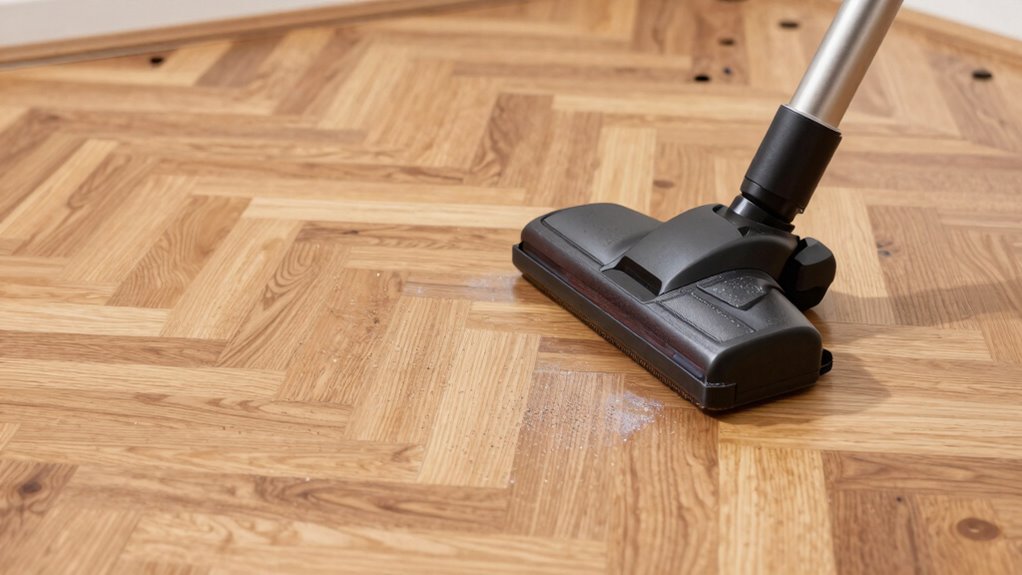
To vacuum effectively, it’s essential to use the right pattern to guarantee thorough cleaning. Your vacuuming technique should focus on maintaining a consistent cleaning rhythm, which assures you cover every inch without missing spots. Start by dividing the area into sections, moving in straight lines or overlapping passes. Push the vacuum forward slowly to pick up dirt, then slowly pull back, allowing the brush roll to lift debris from fibers. Avoid rushing; a steady pace maximizes dirt removal. Change directions occasionally to get deep into carpet fibers. Keep the vacuum moving with purpose, not erratically, to prevent missed areas. Developing a clear pattern helps you stay organized and ensures your floors stay cleaner longer, reducing dust buildup and the need for frequent re-cleaning. Incorporating proper technique can also protect your vacuum’s motor and extend its lifespan. Additionally, using consistent movement reduces wear and tear on your vacuum and ensures optimal performance over time. Paying attention to vacuuming patterns can also help prevent damage to delicate surfaces and improve overall efficiency. Being mindful of your cleaning approach can further enhance the effectiveness of your efforts and prolong the life of your equipment.
Why This Vacuuming Pattern Keeps Dust From Coming Back
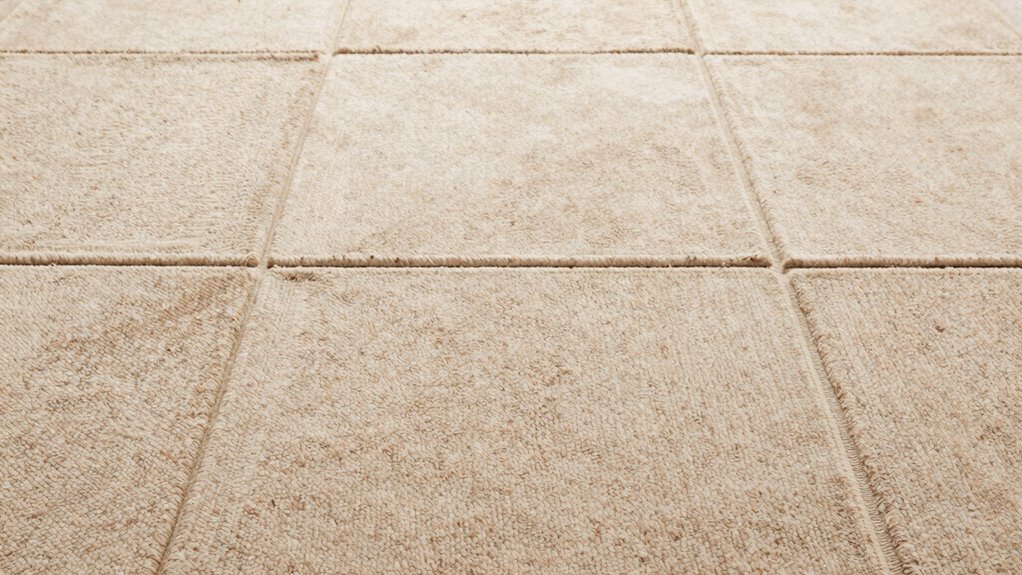
When you follow a consistent vacuuming pattern, you effectively prevent dust from settling back into your carpets and floors. Regular, systematic vacuuming reduces dust accumulation because you remove dirt before it becomes deeply embedded. Additionally, a steady pattern promotes better air circulation, preventing dust from becoming airborne and settling again quickly. Moving your vacuum in overlapping, deliberate passes ensures thorough cleaning, which helps keep dust particles suspended less often. Good air circulation also carries dust away from your living space, reducing the chances of buildup. Incorporating proper vacuum maintenance into your routine ensures optimal suction and filtration, further enhancing dust control. Maintaining vacuum cleaner efficiency is essential for consistent dust removal and to prevent dust from resettling after cleaning. Paying attention to your vacuum’s filter replacement schedule can significantly improve overall cleaning performance. A systematic cleaning routine helps maintain a dust-free environment and minimizes the need for frequent repeat cleaning sessions. By sticking to this pattern, you create an environment where dust is less likely to settle and accumulate, making your cleaning efforts more effective and reducing the frequency of dust reappearing.
Common Mistakes That Undermine Your Vacuuming Efforts

Many people inadvertently sabotage their vacuuming efforts by making simple but common mistakes. Poor vacuuming habits, like rushing or skipping areas, lead to faster dust accumulation and ineffective cleaning. For example, neglecting to change or clean filters reduces suction power. Moving too quickly can leave debris behind, while inconsistent patterns leave spots untouched. Using the wrong attachments or vacuuming in random directions also hampers dust removal. Here’s a quick overview:
| Mistake | Effect |
|---|---|
| Skipping corners and edges | Dust builds up in neglected spots |
| Rushing through cleaning | Debris remains, dust accumulates |
| Not cleaning filters regularly | Reduced suction, poor performance |
| Using improper attachments | Ineffective dust removal |
| Random vacuuming patterns | Uneven cleaning, faster dust return |
Additionally, adopting proper vacuuming techniques can significantly improve cleanliness and reduce the frequency of dust buildup. Being mindful of vacuuming patterns ensures a more thorough clean, preventing dust from settling quickly again. Regularly inspecting and replacing filter components maintains optimal suction and overall effectiveness.
Tips for Maintaining a Dust-Free Home With Proper Vacuuming
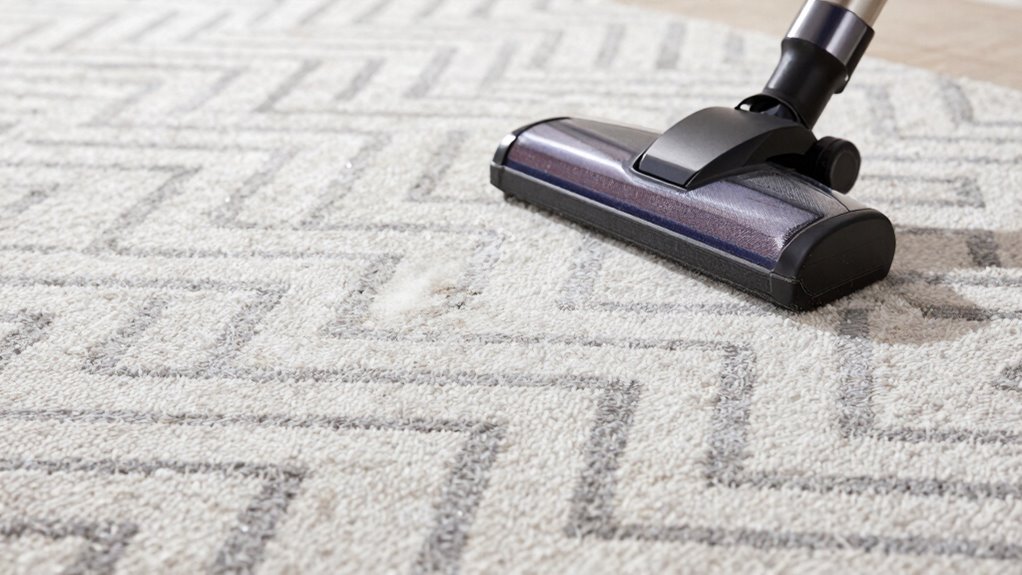
Maintaining a dust-free home requires consistent and proper vacuuming habits. Regular cleaning frequency is essential to prevent dust buildup and keep your environment healthy. Aim to vacuum high-traffic areas at least two to three times a week, and less frequented spaces once a week. This consistency helps prevent dust from settling and becoming embedded in carpets and upholstery. Dust prevention begins with thorough vacuuming that targets hidden particles, especially in corners, under furniture, and along baseboards. Use slow, overlapping passes to ensure deep cleaning. Keep your vacuum filters clean and replace them as needed to maximize efficiency. Additionally, be mindful of vacuum ergonomics to reduce fatigue and improve effectiveness during cleaning sessions. Incorporating smart vacuum technologies can further optimize your cleaning routine by ensuring consistent coverage and thorough dust removal. Choosing a vacuum with HEPA filters can significantly improve allergen control and reduce airborne dust particles. By sticking to a routine and focusing on effective dust prevention, you’ll maintain a cleaner, healthier home with less dust reappearing.
Tools and Accessories That Reinforce the Right Vacuuming Pattern

Using the right tools can substantially improve your vacuuming pattern. Crevice tools reach tight edges, upholstery attachments clean surfaces efficiently, and extension wands help you access hard-to-reach areas. These accessories guarantee you cover every spot effectively and maintain a consistent pattern. Additionally, understanding the field‑of‑view of your vacuum attachments can help you plan your cleaning route more effectively, ensuring comprehensive coverage. Employing proper maintenance of your vacuum can also prevent loss of suction and improve overall performance, making your cleaning more efficient. Regularly checking and replacing filters can further optimize your vacuum’s suction power, ensuring thorough cleaning every time. Incorporating vacuuming techniques that follow a systematic pattern can significantly reduce cleaning time and increase effectiveness.
Crevice Tools for Edges
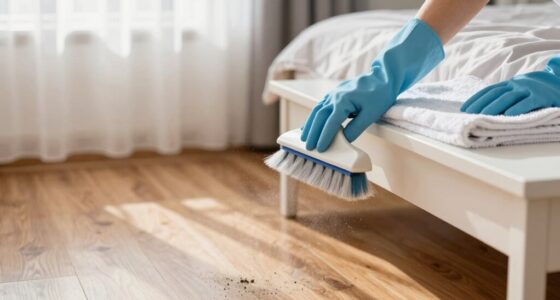
To effectively clean along edges and tight corners, you need the right crevice tools that can reach into those hard-to-access spaces. Crevice tools are essential for precise edge cleaning, allowing you to target dust and debris hidden in corners, along baseboards, and around furniture legs. These narrow attachments extend your vacuum’s reach, ensuring no area is overlooked. Using crevice tools consistently during your vacuuming pattern helps prevent dust buildup and promotes a more thorough clean. They make it easier to follow a systematic pattern, avoiding missed spots. Keep your edge cleaning sharp and efficient by attaching the appropriate crevice tool whenever you tackle corners and edges. This small adjustment can considerably improve your overall vacuuming effectiveness and help dust come back less quickly. Proper tool selection is key to maintaining a dust-free environment and ensuring your vacuuming pattern is as effective as possible.
Upholstery Attachments Effectiveness
Attaching the right upholstery tools can considerably enhance your vacuuming pattern by ensuring thorough cleaning of fabric surfaces. Upholstery attachments are designed to lift dust, pet hair, and dirt embedded in fabric, improving overall fabric maintenance. Using specialized tools like upholstery nozzles or brush attachments allows you to target sofas, chairs, and curtains effectively, preventing dust buildup that can trigger allergies or worsen dust-related issues. These attachments help you follow a consistent vacuuming pattern, ensuring no area is overlooked. Proper upholstery cleaning not only prolongs the life of your furniture but also maintains a healthier indoor environment. Incorporating the right accessories into your routine makes fabric maintenance easier and more effective, reinforcing the importance of a strategic vacuuming pattern for lasting cleanliness. Regularly vacuuming techniques are essential to maximize the effectiveness of your cleaning efforts and prevent dust from returning quickly. Additionally, understanding the dust accumulation process can help you develop a more efficient cleaning schedule.
Extension Wands for Reach
Extension wands for reach are essential tools that help you maintain a consistent vacuuming pattern by allowing you to access hard-to-reach areas with ease. These reach tools extend your vacuum’s capabilities, making it easier to clean behind furniture, along ceiling edges, or high shelves without strain. Using extension wands guarantees you don’t miss spots, reducing dust buildup and preventing dust from quickly resettling. They help you follow a methodical pattern, covering every surface thoroughly. By attaching these reach tools, you avoid the temptation to skip tricky areas, maintaining a uniform cleaning routine. This not only improves your vacuuming efficiency but also helps keep dust from coming back faster. Incorporating extension wands into your routine ensures thorough cleaning and better dust control in your space.
Quick Troubleshooting: Fixing Common Vacuuming Issues

If your vacuum isn’t performing as well as it should, troubleshooting common issues can quickly restore its suction and efficiency. Start by checking the filter; a dirty filter restricts airflow and reduces cleaning power. Confirm the brush roll isn’t tangled with hair or debris, which can hinder agitation. Inspect the hose and attachments for blockages that stop debris from being sucked up. Verify your vacuuming schedule isn’t too infrequent, allowing dust to settle and become harder to remove. Regular maintenance helps prevent dust allergy triggers and keeps your home cleaner. Also, make sure the bag or bin isn’t full, as overfilling cuts suction. Addressing these issues promptly keeps dust at bay and ensures your vacuum works best. Additionally, proper vacuum maintenance can extend the lifespan of your appliance and improve cleaning results, especially considering the importance of professional services in maintaining complex systems.
Frequently Asked Questions
How Often Should I Vacuum to Prevent Dust Buildup Effectively?
You should vacuum at least twice a week to prevent dust buildup effectively. Regular vacuum maintenance keeps your vacuum working efficiently, ensuring deep cleaning. Incorporate dust mopping before vacuuming to pick up surface dust and reduce the workload on your vacuum. For high-traffic areas or allergy sufferers, consider vacuuming more often. Consistent cleaning routines help keep dust at bay and improve indoor air quality over time.
Can Different Flooring Types Require Different Vacuuming Patterns?
Did you know that choosing the right vacuuming pattern depends on your flooring type? For hardwood, use gentle, overlapping passes with lower suction; for carpets, go deeper with slower, deliberate strokes and higher vacuum settings. This ensures effective cleaning and prevents damage. Always adjust your vacuum’s settings based on flooring compatibility, and switch up your pattern to reach hidden dirt and reduce dust buildup, keeping your home healthier.
Do Vacuum Filters Impact Dust Retention and Re-Circulation?
Yes, vacuum filters considerably impact dust retention and re-circulation. When you perform regular vacuum filter maintenance, you guarantee ideal dust particle filtration, preventing dust from escaping back into the air. A clean filter captures more particles, improving air quality. Conversely, a clogged filter allows dust to re-circulate, reducing cleaning efficiency. So, keep your filters clean to maintain effective dust control and healthier indoor air.
How Does Humidity Affect Dust Accumulation and Vacuuming Efficiency?
You might think high humidity hampers vacuuming, but it actually helps reduce dust adhesion, making dust easier to pick up. Lower humidity levels cause dust to cling tightly to surfaces, increasing buildup and decreasing vacuum efficiency. By maintaining ideal humidity, you improve dust removal and prevent rapid accumulation, ensuring your vacuum works better and your home stays cleaner longer. Just avoid excessive humidity, which can lead to mold and other issues.
Are There Specific Vacuuming Techniques to Reduce Allergen Spread?
To reduce allergen spread, you should use a systematic vacuuming motion, overlapping each pass to guarantee thorough coverage. Focus on edge cleaning to remove dust from corners and baseboards, where allergens tend to accumulate. Keep the vacuum bag or canister empty to maintain suction power. Regularly replace filters, and avoid rushing. This approach minimizes allergen dispersion and ensures a cleaner, healthier environment for you.
Conclusion
By mastering the right vacuuming pattern, you’ll see dust vanish like fog in sunlight, leaving your home feeling fresh and inviting. Imagine each pass lifting stubborn particles from hidden corners, preventing them from settling back quickly. When you avoid common mistakes and use the right tools, your efforts become a powerful shield against dust buildup. Keep at it, and watch your home transform into a clean, breathable sanctuary where dust can’t hide.