TL;DR

Get cleaning gear delivered free with Prime
- Fast, free delivery on millions of items
- Prime Video, Amazon Music and more included
- Member-only deals all year
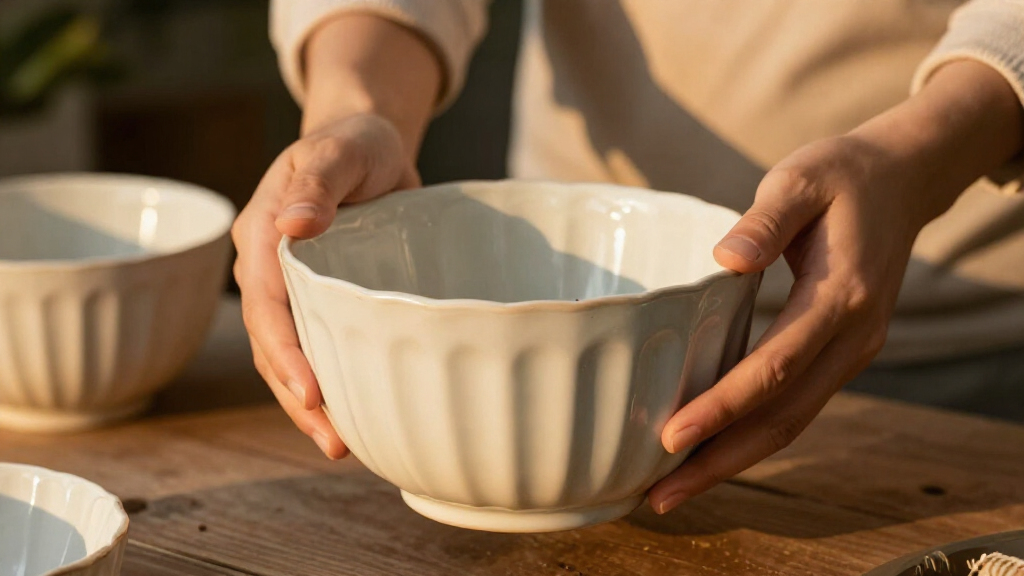
Hunker reports a DIY from Facebook creator She’s So CraftDee that turns two Dollar Tree fluted bowls and glass taper candleholders into vintage-style planters. The project uses glue, paint or primer, and antique wax; the finished pieces are decorative, and the source does not establish whether they are suitable for planting directly into.
A DIY project featured by Hunker shows how to turn two Dollar Tree fluted bowls and glass taper candleholders into vintage-style planters, offering a low-cost decorative craft rather than a store-bought planter. The design comes from Facebook creator She’s So CraftDee and uses glue, paint or primer, and antique wax for its aged finish.
The materials listed in Hunker’s report include a two-pack of Carters Corner Clear Flared Bowls, priced in the report at $2, and three glass taper candleholders at $1.25 each. The maker also uses a hot glue gun, a paint sponge, antique wax, and a choice of primer, acrylic paint, or chalk paint. These prices and product details come from the supplied report and may not reflect current availability or pricing.
For the shorter planter, the instructions apply hot glue around the rim of one candleholder and press a bowl onto it. For the taller version, glue the openings of two candleholders together, then attach the second bowl to the base of one of them. The report says to remove product labels and clean the pieces before assembly.
After the glue sets, coat the assembled pieces with the chosen primer or paint, using additional coats if needed for opaque coverage. The featured creator used Bulls Eye 1-2-3 Plus white spray primer; Hunker says this is one option, not a requirement. Once the coating has dried, apply antique wax lightly with a sponge and wipe it back with a paper towel. The creator’s wax is identified as Waverly Inspirations Chalk Paint Wax. Hunker describes the uneven, patchy finish as part of the intended rustic look.
A Low-Cost Decorative Planter Project
The project offers renters, beginners, and budget-conscious decorators a way to make two coordinated display pieces using inexpensive glassware and basic craft materials. Its appeal is the combination of a simple assembly method and a finish intended to resemble aged decor, rather than a need for specialized woodworking or gardening equipment.
The source’s listed bowl and candleholder prices total $5.75 before paint, wax, glue, and tools. That is not the full cost of the finished project: the listed primer costs $11 and wax costs $7.27 in the report, and the materials may be sold in quantities larger than one project needs. Readers should treat the figures as the report’s example prices, not a verified current total.
The instructions also frame the results as decorative planters, but do not explain drainage or whether the glued glass construction is watertight. That distinction matters for anyone planning to put soil and live plants directly inside. A safer interpretation is to use them as outer cachepots or display vessels unless suitable drainage and water protection are addressed.
Products Worth Considering

TCL T7 Series 85-Inch 4K 144Hz QLED Smart Google TV

Philips Hue Festavia 130-Foot Indoor/Outdoor Smart String Lights, 500 LEDs

Shark Rocket Corded Stick Vacuum (HV301) – Gray/Orange
As an affiliate, we earn on qualifying purchases.
How the Two-Piece Design Works
The design varies the height of the planters by changing how many candleholders support each bowl. One holder creates the shorter piece; two joined holders form the taller base. The fluted sides of the bowls and the candleholders provide the shapes, while paint and antique wax create the vintage-style appearance.
Hunker presents the project as a straightforward craft for novice DIYers. Its report names several paint options and notes that the featured creator chose a spray primer, which the source says takes about 30 minutes to dry. That estimate applies to the named primer and should not be assumed to cover other products or conditions; users should follow the instructions on their own paint and wax.
“The construction process is simple.”
— Hunker, describing the DIY
Drainage and Current Costs Are Unspecified
The source does not say whether the bowls have drainage holes, whether the glued joints resist water, or whether the finished pieces were tested with live plants. It recommends filling them with a cutting, faux or real, but supplies no instructions for protecting the glass, furniture, or glued connections from standing water. Readers using live plants may prefer a nursery pot inside the decorative vessel and should avoid assuming the assembly functions as a conventional, drainable planter.
Current stock and prices at Dollar Tree, Home Depot, Walmart, or other retailers are not confirmed in the report. The supplied source also does not provide a date for the original article, independent testing of the adhesive or finish, or details about how long the completed pieces last.
Assembly, Drying and Plant Display
The next steps for anyone following the project are to clean and assemble the glass pieces, apply the selected coating, and allow each product to dry according to its label before adding the wax. The source gives an approximate 30-minute drying time for the featured spray primer, but users should rely on the manufacturer’s directions for the specific products they have.
Once fully dry, the planters can be used for a decorative cutting or faux greenery, as Hunker suggests. For live plants, a separate pot inside the glass bowl can help keep soil and excess water away from the glued assembly. The report gives no further testing or updates on product availability, pricing, or the planters’ performance in use.
Key Questions
What materials does the project use?
The reported design uses two fluted glass bowls, three glass taper candleholders, a hot glue gun, a paint sponge, antique wax, and primer or paint. Hunker lists acrylic and chalk paint as alternatives to the featured spray primer.
How are the two planters made different heights?
The shorter planter uses one candleholder beneath a bowl. For the taller one, two candleholders are glued together at their openings, and the second bowl is attached to the base of one holder.
Can these planters hold live plants?
The source says to fill the finished pieces with a cutting, real or faux, but does not confirm that they have drainage or water-resistant joints. Using a nursery pot inside the decorative bowl is a cautious option for live plants.
How much does the project cost?
Hunker lists the bowl pack at $2 and each of three candleholders at $1.25, for $5.75 for those items. Paint, wax, glue, tools, taxes, and current store prices are not included in that subtotal, and the source’s prices may have changed.
Source: hunker.com