
To clean engineered hardwood without stripping the finish, use a pH-neutral cleaner designed for hardwoods and avoid harsh chemicals like vinegar or bleach. Sweep or vacuum regularly with a soft-bristled attachment, then mop with a barely damp microfiber cloth following the grain. Wipe up spills immediately and dry the area thoroughly. Staying gentle and consistent helps maintain your floor’s beauty and durability—discover more tips to keep your floors looking their best.
Key Takeaways
- Use a pH-neutral, gentle cleaner diluted per instructions to avoid stripping the finish.
- Sweep or vacuum regularly with a soft-bristled tool to remove dirt without damaging the surface.
- Mop with a barely damp microfiber mop, following the grain, to clean without excessive moisture.
- Dry the floor immediately after mopping with a soft cloth to prevent water spots and damage.
- Address spills immediately with a soft cloth and mild cleaner to prevent stains and long-term harm.

Keeping engineered hardwood floors clean is essential to maintaining their beauty and durability. To do this effectively, you need to follow proper maintenance tips that protect the finish while keeping the surface spotless. The key is using the right cleaning products and techniques that won’t strip or damage the protective layer. When it comes to maintenance tips, the first thing to remember is to avoid harsh chemicals or abrasive tools. These can dull the finish over time and create scratches. Instead, opt for gentle cleaners designed specifically for engineered hardwood floors.
Start by regularly sweeping or vacuuming the floor to remove dirt, dust, and debris. This prevents particles from scratching the surface when you mop. Use a soft-bristled broom or a vacuum with a hardwood floor attachment to avoid causing any damage. When it’s time to wash the floors, choose cleaning products that are pH-neutral and formulated for hardwood. You can find these at most home improvement stores or online. Avoid products containing ammonia, bleach, or vinegar, as they can break down the finish or cause discoloration.
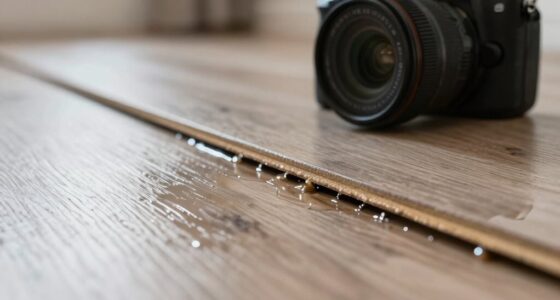
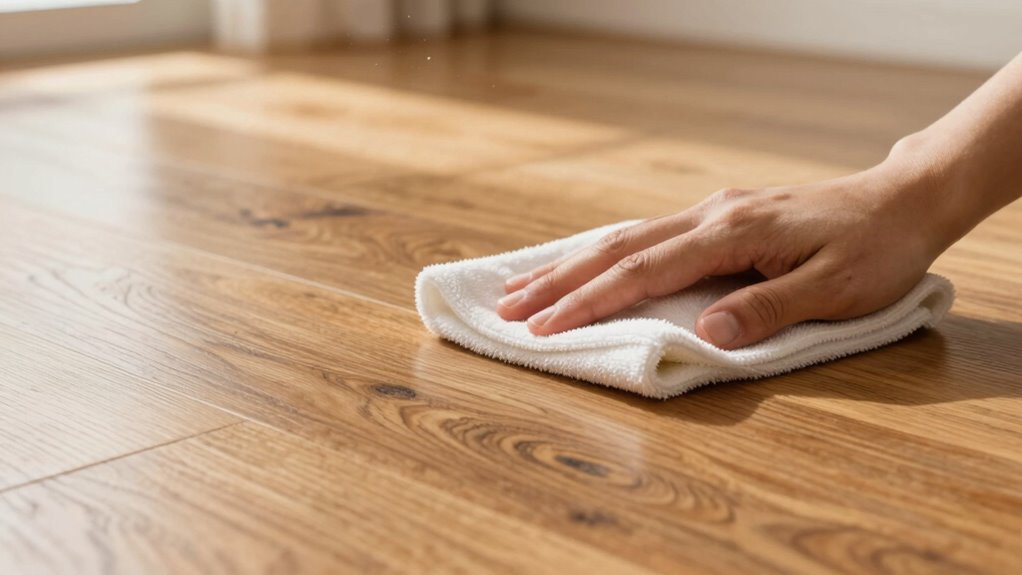
When applying cleaning products, always dilute them according to the manufacturer’s instructions. Use a damp mop rather than a soaking wet one, because excess water can seep into seams and cause the core to swell or warp. Wring out the mop thoroughly so it’s only slightly damp. Lightly mop the surface, following the grain of the wood if possible, to lift dirt without leaving streaks or residue. After mopping, go over the floor with a dry microfiber cloth or mop to remove any remaining moisture. This extra step helps prevent water spots and keeps your floors looking polished.
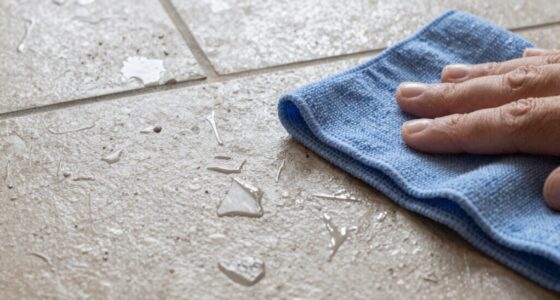
In addition to regular cleaning, immediately clean up spills to prevent staining or water damage. Use a soft cloth to wipe up liquids without rubbing too hard. For stubborn spots or scuffs, use a gentle cleaner recommended for engineered hardwood, or a mixture of water and a small amount of mild dish soap. Test any new product on a small, inconspicuous area first to make sure it doesn’t affect the finish. Regular maintenance also involves paying attention to proper cleaning techniques that preserve the natural protective layer on your floors.
Frequently Asked Questions
Can I Use Vinegar to Clean Engineered Hardwood Floors?
You can use vinegar cleaning on engineered hardwood floors, but with caution. Vinegar is a natural cleaner, yet its acidity might affect the floor finish safety if used undiluted or too often. To keep your floors protected, always dilute vinegar with water and test a small, hidden area first. Avoid soaking the floor, and use a damp mop to clean, ensuring you preserve the finish while effectively removing dirt.
How Often Should I Clean Engineered Hardwood Floors?
You should clean your engineered hardwood floors weekly to maintain their beauty and durability. Incorporate regular dust prevention by sweeping or vacuuming daily to remove dirt and debris. Follow a proper maintenance routine by using a damp mop with a gentle cleaner, avoiding excess water that can damage the finish. This routine helps prevent scratches, keeps your floors looking fresh, and prolongs their lifespan.
What Cleaning Products Are Safe for Engineered Hardwood?
You should use eco-friendly cleaners or DIY solutions that are gentle and free of harsh chemicals. Look for products specifically formulated for engineered hardwood, or make your own with a mix of water and a small amount of vinegar or castile soap. Always test a small, hidden area first, and avoid excessive moisture to protect your floor’s finish. These safe options help keep your floors clean without damage.
Can I Use a Steam Mop on Engineered Hardwood?
You shouldn’t use a steam mop on engineered hardwood because the heat and moisture can damage the finish and warp the wood. Instead, try steam cleaning with a gentle approach, like using vinegar cleaning diluted with water for light dirt and grime. Vinegar cleaning is effective and safe when used sparingly, but avoid excessive moisture to keep your engineered hardwood looking its best without stripping the finish.
How Do I Remove Stubborn Stains Without Damaging the Finish?
Stubborn stains can seem like they’ll never come off, but with gentle stain removal, you can save your finish like a hero saving a masterpiece. Use a soft cloth dampened with a mixture of mild soap and water, gently working on the stain. Avoid harsh chemicals, and always dry immediately. This approach preserves your finish while effectively removing stains, keeping your engineered hardwood looking pristine and protected.
Conclusion
Keeping your engineered hardwood floors clean without stripping the finish is simple when you use gentle cleaners and regular maintenance. Did you know that dust and dirt can scratch your floors and reduce their lifespan by up to 50%? By following these tips, you’ll protect your investment and enjoy beautiful, durable floors for years to come. Remember, a little effort goes a long way in preserving the natural beauty and longevity of your hardwood.