

Grout sealing helps protect your tiles from stains, water damage, and mold when the surface is thoroughly cleaned and dried before application. It’s effective if you choose the right product and apply it properly in even coats, allowing it to cure fully. However, sealing doesn’t fix damaged or heavily stained grout, nor will it work if the surface isn’t prepared correctly. Keep watching to discover more about when and how sealing makes the biggest difference.

Get cleaning gear delivered free with Prime
- Fast, free delivery on millions of items
- Prime Video, Amazon Music and more included
- Member-only deals all year
Key Takeaways
- Grout sealing helps prevent stains, water damage, and mold growth when applied properly after thorough cleaning and drying.
- Sealing is ineffective on damaged or heavily stained grout, which may require regrouting or professional repair first.
- Proper surface preparation, including cleaning and drying, is essential for the sealant to adhere and perform effectively.
- Sealing extends grout lifespan and maintains appearance, but improper application or neglecting curing can reduce its benefits.
- The choice of sealer (water-based or solvent-based) depends on surface use, with sealing frequency varying accordingly.
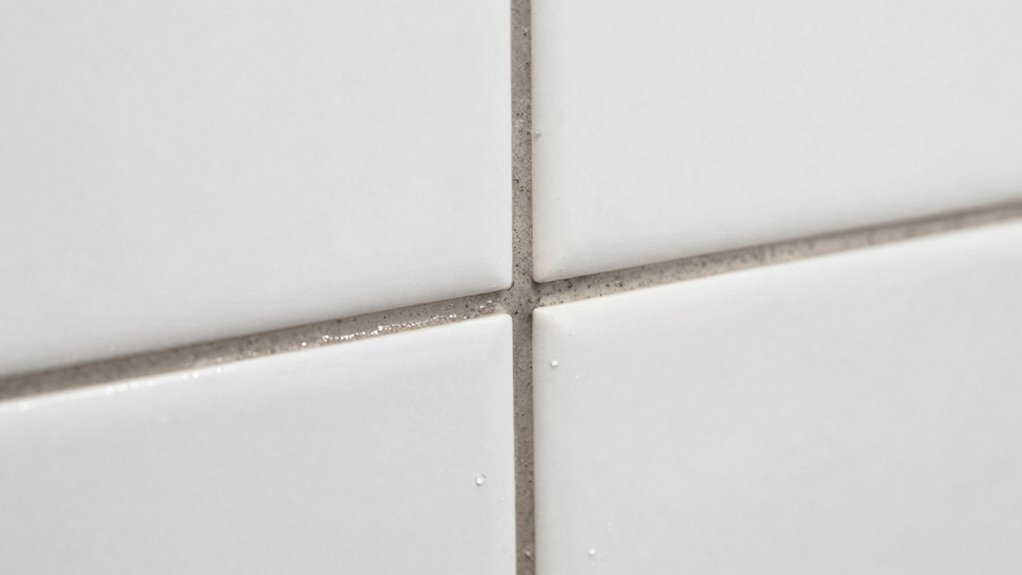
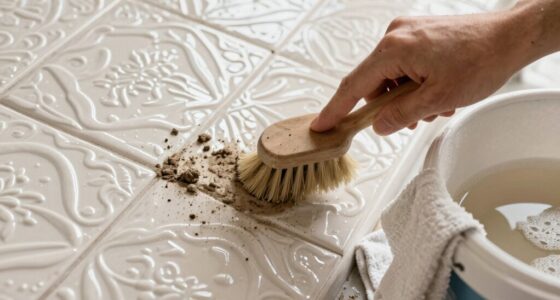
Grout sealing is a simple yet vital step to protect your tiles and keep your surfaces looking fresh. When you decide to tackle this task yourself, you can save money and have the satisfaction of maintaining your space on your own. DIY techniques for grout sealing are straightforward, especially when you choose the right sealing products. First, you need to make certain your grout is thoroughly cleaned and completely dry before applying any sealant. This step is essential because dirt, grime, or moisture trapped in the grout can prevent the sealant from adhering properly, reducing its effectiveness. Once the grout dries, you can start applying sealing products with a brush, roller, or applicator that comes with the product. Many sealers are designed to penetrate deep into the grout lines, creating a barrier that repels water, stains, and mold.
Clean and dry grout thoroughly before sealing for best results and improved durability.
It’s important to follow the manufacturer’s instructions carefully when using sealing products. Some products require multiple coats, while others need a specific curing time before you can use the surface again. Applying too much sealant at once can cause it to pool or create a hazy residue, which may be difficult to remove. Conversely, applying too little might leave your grout vulnerable to staining and moisture. To guarantee even coverage, work slowly and methodically, especially along the edges and corners. Using painter’s tape can help keep the application neat if you’re sealing tiles with a lot of detail. After applying, you should allow the sealant to cure fully, which usually takes 24 to 48 hours. During this time, avoid getting the surface wet or exposing it to heavy foot traffic.
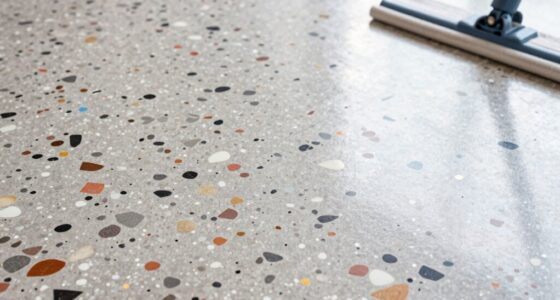
Additionally, understanding the differences between sealing products, such as water-based versus solvent-based sealers, can help you choose the best option for your needs and ensure proper surface protection. Sealing products come in a variety of formulations, including water-based and solvent-based options. Water-based sealers tend to have less odor and are easier to clean up, making them a popular choice for DIY projects. However, solvent-based sealers often provide a more durable, longer-lasting barrier. Knowing when to seal your grout depends on your surface’s usage. For areas prone to spills or high moisture, like bathrooms and kitchens, sealing is recommended after installation and perhaps periodically afterward. Regular maintenance, including cleaning the grout with gentle, pH-neutral cleaners, can extend the life of your sealant.
However, grout sealing doesn’t work for every surface or situation. If your grout is already damaged or excessively stained, sealing might not be enough to fix the problem. In such cases, regrouting or professional restoration might be necessary. Also, if your grout isn’t properly cleaned or dried before sealing, the sealant won’t bond correctly, rendering the effort ineffective. Understanding these limits helps you decide when grout sealing is the right step to protect your tile surfaces and when it’s better to seek expert advice.
Frequently Asked Questions
How Long Does Grout Sealing Last Before Needing Reapplication?
You can expect grout sealing to last about 3 to 5 years, depending on sealing longevity and your reapplication schedule. To maintain its protective barrier, you should reapply the sealant every few years or when you notice stains and moisture seeping in. Regularly inspecting your grout lines helps determine the right time for reapplication, ensuring your tiles stay protected and look their best longer.
Can Grout Sealing Be Applied on Old, Deteriorated Grout?
Yes, you can apply grout sealing on old, deteriorated grout, but it may not be very effective if the grout is heavily damaged or crumbling. Before sealing, you should thoroughly clean and remove loose material. In some cases, regrouting or repairing the deteriorated areas first is better to guarantee a proper seal. Sealing old, heavily damaged grout might only provide a temporary fix rather than a long-lasting solution.
Is Grout Sealing Safe for Children and Pets?
Sealing grout is generally safe for children and pets, providing protection from stains and mold. You should, however, guarantee the sealant is non-toxic and fully cured before allowing kids or pets back into the area. This simple step safeguards children’s safety and pet protection, preventing potential exposure to harmful fumes or chemicals. Always read product labels carefully and follow manufacturer instructions for a secure, safe sealing process.
How Does Climate Affect the Effectiveness of Grout Sealing?
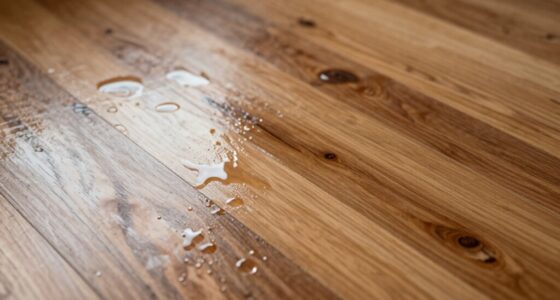
Climate impact profoundly affects the sealing durability of grout. In humid or rainy environments, moisture can weaken the sealant over time, reducing its effectiveness. Conversely, in dry, hot climates, the sealant may dry out and crack faster, compromising protection. You should consider these factors because climate influences how long your grout sealing remains effective. Proper application and maintenance tailored to your climate can help maximize its lifespan.
Can Grout Sealing Prevent Mold Growth Entirely?
No, grout sealing can’t prevent mold growth entirely. It acts as a barrier, reducing moisture and dirt that foster mold, but sealing limitations mean it can’t stop mold in all situations. You must still clean regularly, control humidity, and address leaks. Think of sealing as a shield—helpful but not foolproof—so maintaining good hygiene and ventilation remains essential for mold prevention.
Conclusion
Think of grout sealing like watering a delicate plant. When done right and at the right time, it helps protect your grout from stains and damage, allowing your beautiful tiles to shine. But just like overwatering can harm a plant, unnecessary sealing or improper application can do more harm than good. So, assess your needs carefully and apply sealing wisely—because, in the end, a well-cared-for grout is like a flourishing garden, thriving under your attentive care.
Fall Picks
fall essentials
As an affiliate, we earn on qualifying purchases.