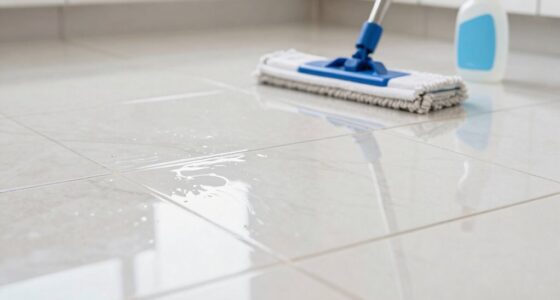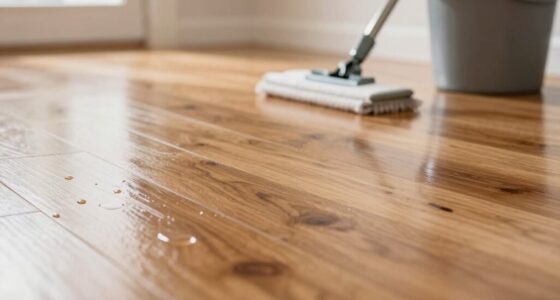

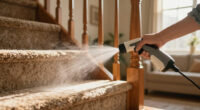
Sticky floors need different washer passes than dusty floors because they carry residues like grease or spills that require more aggressive scrubbing and special solutions to loosen. Gentle passes won’t remove stubborn residues or prevent spreading, so you need to increase pressure and use equipment designed for deep cleaning. If you keep these differences in mind, you’ll get better results and avoid damage. There’s more to know about choosing the right techniques for each surface type.
Key Takeaways
- Sticky floors require more pressure and multiple passes to effectively loosen and remove residues like grease or glue.
- Dusty floors need gentle sweeping or dry mopping to prevent pushing dust or debris further into the surface.
- Different residues demand tailored cleaning solutions, influencing the number and type of washer passes used.
- Using the same passes on sticky and dusty floors can spread residues or damage the surface.
- Adjusting washer passes ensures thorough cleaning while preserving the integrity of each surface type.

When cleaning floors, it’s tempting to use the same washer passes for both dusty and sticky surfaces, but doing so can actually make the problem worse. Dusty floors are often light and dry, so a gentle pass with a basic cleaning solution and appropriate equipment works fine. Sticky floors, however, carry residues that require a different approach. If you use the same equipment and cleaning solution, you risk spreading the stickiness around or leaving behind residues that trap more dirt over time. That’s why understanding the need for tailored equipment selection and cleaning solutions is crucial for effective cleaning.
Using the same cleaning tools for dusty and sticky floors can worsen the mess—tailored solutions are essential.
For dusty floors, a light sweep or a dry mop might suffice, along with a mild cleaning solution if needed. You want equipment that can pick up fine particles without pushing debris deeper into the surface. A soft-bristled brush or a microfiber mop works well here because it traps dust effectively without scratching the floor. When switching to sticky floors, you need a different set of tools—something with more scrubbing power, like a rotary scrubber or a damp microfiber mop that can handle stubborn residues. These tools are designed to lift sticky substances without spreading them further or causing damage to the surface. Additionally, understanding the different types of cleaning equipment available can help you select the most effective tools for each surface. Using appropriate equipment tailored to the surface type ensures a more efficient and thorough cleaning process. Recognizing these differences can also help prevent unnecessary wear and tear on your equipment over time.
Choosing the right cleaning solution is just as important as selecting the right equipment. For dusty floors, a simple mixture of water and a gentle cleaning agent usually does the trick. But for sticky floors, you need a cleaning solution formulated to break down residues. Look for products designed specifically to dissolve sticky substances like grease, glue, or spills. Applying the right cleaning solution and letting it sit for a few minutes before scrubbing helps loosen the sticky build-up, making it easier to remove with proper equipment. Being aware of the cleaning solutions available ensures you select the most effective product for each situation. Properly matching the cleaning solution to the surface type is essential for avoiding damage and ensuring thorough cleanliness.
It’s also important to adjust your cleaning passes depending on the surface. For dusty floors, light, sweeping passes are enough. But for sticky floors, you should focus on multiple, deliberate passes, applying more pressure when needed. Using the wrong equipment or cleaning solution on a sticky surface can push residues further into the floor, making cleaning more difficult and potentially damaging the surface. By selecting equipment suitable for the task and applying the correct cleaning solution, you ensure that each pass effectively lifts grime or dust without compounding the problem. Recognizing these differences is key to maintaining the longevity and appearance of your flooring. Moreover, being aware of the different cleaning techniques suitable for each type of surface can further enhance your cleaning results.
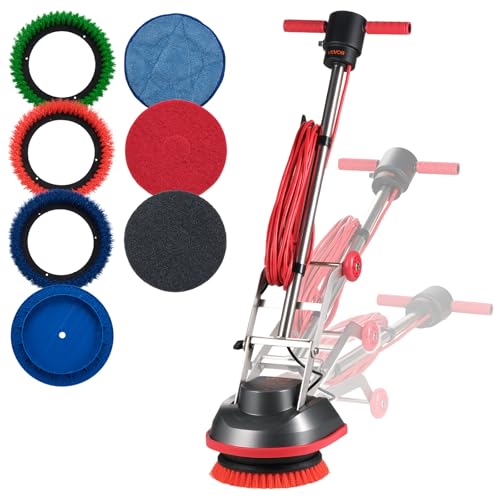
VEVOR Commercial Floor Scrubber Machine, Heavy Duty Floor Cleaner Polisher with 2 Wheels, Professional Electric Carpet Buffer, Max 1900 RPM, 43 FT Cord, 3 Pads & 3 Brushes – All Floor Surfaces
- Variable Speed Control: Adjustable 1200-1900 RPM for different surfaces
- Wide Application: Suitable for stores, offices, warehouses, garages
- Large Cleaning Width: 13 inches for efficient coverage
As an affiliate, we earn on qualifying purchases.
As an affiliate, we earn on qualifying purchases.
Frequently Asked Questions
Can Different Washer Passes Improve Cleaning Efficiency for Sticky and Dusty Floors?
Yes, using different washer passes can improve cleaning efficiency for sticky and dusty floors. For sticky floors, you need slower, more thorough passes that target the floor texture to loosen and remove residue. Dusty floors benefit from faster, lighter passes that focus on dirt removal without spreading dust. Adjusting your cleaning frequency and pass pattern guarantees each floor type gets the right attention, resulting in cleaner, better-maintained surfaces.
How Do Washer Pass Techniques Vary Between Sticky and Dusty Floor Materials?
You vary washer pass techniques based on surface texture and cleaning frequency. For sticky floors, you use multiple passes with gentle pressure to lift residues without damaging the surface, especially if cleaned frequently. For dusty floors, you focus on fewer passes with firmer pressure to remove loose debris efficiently. Adjusting your approach helps optimize cleaning, ensuring each floor type gets proper attention without unnecessary wear or residue buildup.
Are There Specific Detergents Recommended for Sticky Versus Dusty Floor Cleaning?
For sticky floors, you should choose detergent formulations with degreasing agents that break down residue, and your mopping techniques should focus on thorough, overlapping passes to lift stubborn grime. For dusty floors, use milder detergents that loosen dust particles without leaving residue. Adjust your mopping techniques accordingly: gentle, sweeping motions for dust, and more aggressive passes for sticky areas to guarantee effective cleaning.
What Signs Indicate a Need to Adjust Washer Passes for Sticky Floors?
Like a painter noticing their brush strokes, you’ll see sticky floors resisting your mopping techniques, hinting at a need for adjustment. When your floor texture feels persistently slick or leaves a residue after cleaning, it signals you should change washer passes. Focus on thorough, overlapping strokes to break through the sticky film, ensuring your washer passes are tailored to the floor’s texture. This fine-tuning guarantees a pristine, residue-free finish.
Do Different Washer Passes Affect the Longevity of Cleaning Equipment?
Yes, different washer passes can affect equipment durability. Using improper settings or too many passes on sticky floors may cause unnecessary wear and tear, reducing the lifespan of your cleaning equipment. To maintain ideal equipment performance, follow maintenance routines that include adjusting washer passes based on floor type. Properly calibrated passes ensure effective cleaning without overstraining your equipment, helping it last longer and perform better over time.

18" Professional Microfiber Mop Floor Cleaning mop, Flat Mop with Stainless Steel Handle,4 Reusable Washable Mop Pads and mop Pads Brush,Microfiber Mop for Hardwood (18" Microfiber Mop)
- Large 18-inch Aluminum Mop Head: Covers more area efficiently with durable stainless steel handle
- 4 Reusable Washable Mop Pads: Easy to attach, remove, and clean for repeated use
- Adjustable 45-inch Stainless Steel Handle: Ergonomic, extendable handle for comfortable cleaning
As an affiliate, we earn on qualifying purchases.
As an affiliate, we earn on qualifying purchases.
Conclusion
So, next time you’re cleaning, ask yourself: do you really want your floors to feel sticky or just dusty? Using the right washer passes for each type makes all the difference. Sticky floors need more thorough, targeted passes to remove residues, while dusty floors require gentle sweeping to lift debris. Can you imagine trying to clean a sticky mess with the same gentle sweep you’d use for dust? Adjust your approach, and your floors will thank you.

CHOMP! Concrete Oil Stain Remover: Pull It Out Removes and Cleans Oils, Greases from Garage Floors & Driveways 32 Fl Oz
- Powerful Oil Stain Removal: Deep penetrating formula lifts tough stains
- Safe and Non-Hazardous: No bleach, acid, or harmful chemicals
- Easy Application Process: Simply pour, dry, and brush away
As an affiliate, we earn on qualifying purchases.
As an affiliate, we earn on qualifying purchases.
VEVOR Commercial Floor Scrubber Machine, Heavy Duty Floor Cleaner Polisher with 2 Wheels, Professional Electric Carpet Buffer, Max 1900 RPM, 43 FT Cord, 3 Pads & 3 Brushes – All Floor Surfaces
- Variable Speed Control: Adjustable 1200-1900 RPM for different surfaces
- Wide Application: Suitable for stores, offices, warehouses, garages
- Large Cleaning Width: 13 inches for efficient coverage
As an affiliate, we earn on qualifying purchases.
As an affiliate, we earn on qualifying purchases.