You can use vinegar on some floors, like tile or vinyl, when diluted appropriately, as it effectively cleans and disinfects. However, avoid using vinegar on natural stone surfaces such as marble or granite, since its acidity can cause damage or dull their appearance. Hardwood floors may tolerate diluted vinegar, but it’s best to test a small area first. To make certain of safe and effective cleaning, learn more about surface-specific guidelines and precautions.

Get cleaning gear delivered free — and shop member deals
- Fast, free delivery on millions of items
- Access to Prime Big Deal Days deals on October 6–7
- Prime Video, Amazon Music and more included
Key Takeaways
- Vinegar is effective for cleaning tile, vinyl, and sealed hardwood floors when diluted properly.
- Avoid using vinegar on natural stone surfaces like marble or granite to prevent etching.
- Always test vinegar on a small, inconspicuous area before full application.
- Excessive or concentrated vinegar can damage porous or sensitive flooring materials.
- Vinegar works as a natural disinfectant but may require stronger disinfectants for high-touch or illness-prone areas.
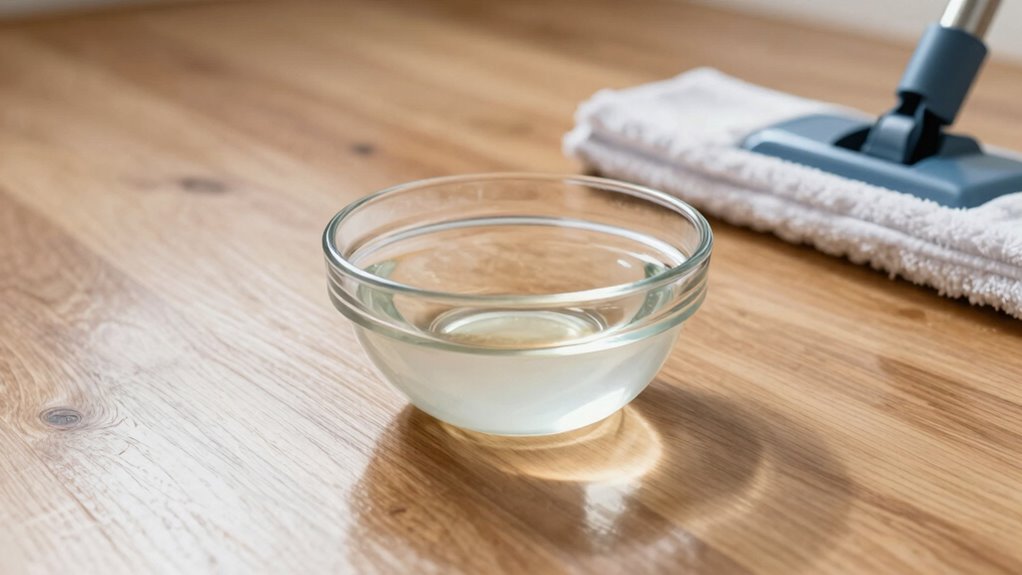
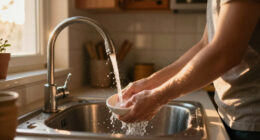
Vinegar is a popular and affordable natural cleaner that many people use to keep their floors spotless. It’s celebrated for its ability to tackle grime, cut through grease, and leave surfaces looking fresh without harsh chemicals. When considering eco friendly cleaning, vinegar stands out as a sustainable choice because it’s a biodegradable substance that doesn’t harm the environment. Many homeowners prefer it over commercial cleaners that often contain synthetic chemicals. Additionally, vinegar can serve as an effective alternative disinfectant, especially in settings where reducing chemical exposure is a priority. Its acetic acid content can kill certain bacteria and mold, making it a handy multi-purpose cleaner for various surfaces.
However, before pouring vinegar on your floors, you should consider the type of surface you’re cleaning. Not all flooring materials respond equally well to vinegar, and using it indiscriminately could cause damage. For example, natural stone surfaces like marble or granite are porous and sensitive to acids, which can etch or dull their finish. In such cases, avoid vinegar altogether or test it on a small, inconspicuous area first. Hardwood floors, on the other hand, often tolerate diluted vinegar solutions without issue, making it a popular choice for eco friendly cleaning routines. For tile or vinyl floors, vinegar works wonderfully at removing dirt and disinfecting, provided it’s properly diluted.
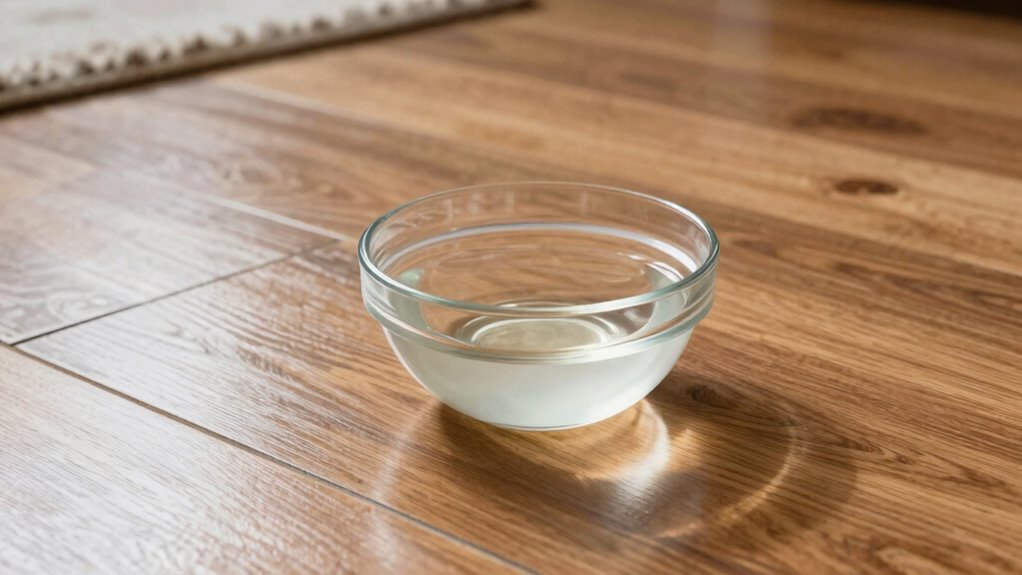
Using vinegar as an alternative disinfectant is appealing because it’s natural and inexpensive. You can mix a solution of one part vinegar to three parts water for a safe, effective cleaning spray. This mixture can help eliminate germs without relying on harsher chemical disinfectants, which some people find problematic due to allergies or sensitivities. Still, vinegar isn’t a registered disinfectant, so it may not kill all pathogens as thoroughly as commercial disinfectants. For high-touch areas or during illness outbreaks, you might need a stronger disinfectant or a specific EPA-registered product. But for everyday cleaning, vinegar can be a reliable, eco friendly option that reduces your exposure to chemicals.
As an affiliate, we earn on qualifying purchases.
Frequently Asked Questions
Is Vinegar Safe for Hardwood Floors?
Vinegar can be safe for hardwood floors if you dilute it properly, maintaining the pH balance. It acts as a natural disinfectant, helping to clean without harsh chemicals. Just mix one cup of vinegar with a gallon of water, and avoid using full-strength vinegar, which can damage the finish. Always test a small area first to guarantee your hardwood floor remains safe and undamaged.
Can Vinegar Remove Stubborn Stains From Tile Floors?
You might be surprised, but vinegar can actually help with stubborn stain removal on tile floors. Its cleaning effectiveness cuts through grime and mineral deposits, making those tough stains easier to tackle. Just remember, for best results, apply a vinegar solution, let it sit briefly, then scrub gently. While vinegar won’t work miracles on every stain, it’s a safe, natural option worth trying before harsher chemicals.
How Often Can I Clean My Laminate Floors With Vinegar?
You can clean your laminate floors with vinegar regularly, but avoid overdoing it. Aim for cleaning every 1-2 weeks, or as needed, to keep your floors looking fresh. Use a vinegar dilution of one part vinegar to three parts water to prevent damage. Frequent cleaning with this mixture helps remove dirt and grime without harming the laminate’s finish, ensuring your floors stay spotless and well-maintained.
Does Vinegar Leave Any Residue on Vinyl Flooring?
Vinegar generally doesn’t leave heavy residue on vinyl flooring if you use it properly. However, if you use too much or don’t rinse well, vinegar residue can build up, making your floor look dull. Over time, this residue could potentially cause minor vinyl damage, especially if left to sit. To avoid issues, dilute vinegar well, use sparingly, and rinse with clean water afterward.
Are There Any Flooring Types That Shouldn’T Come Into Contact With Vinegar?
Imagine vinegar as a magic potion that turns marble into a fancy sculpture—permanently damaged. You should avoid using vinegar on marble floors to prevent etching. Likewise, steer clear of it on carpets—your cozy, fluffy friends—since it can cause discoloration and damage fibers. For vinyl or tile, vinegar works wonders, but always double-check surface compatibility. Better safe than sorry, so skip vinegar where it’s likely to cause harm!
natural disinfectant for vinyl floors
As an affiliate, we earn on qualifying purchases.
As an affiliate, we earn on qualifying purchases.
Conclusion
In summary, vinegar can be a safe and effective cleaner for many floors when used properly. For example, imagine a homeowner who used diluted vinegar on their tile floors and loved the streak-free shine without harsh chemicals. Just remember to test a small area first and avoid vinegar on natural stone surfaces. With the right precautions, vinegar can be your go-to, eco-friendly cleaning solution for your floors.
As an affiliate, we earn on qualifying purchases.
eco friendly floor cleaning products
As an affiliate, we earn on qualifying purchases.
As an affiliate, we earn on qualifying purchases.
Evergreen bestsellers Picks
bestsellers
As an affiliate, we earn on qualifying purchases.