
TL;DR

Get cleaning gear delivered free with Prime
- Fast, free delivery on millions of items
- Prime Video, Amazon Music and more included
- Member-only deals all year
This article explains how to convert a traditional, non-smart air conditioner into a smart device without risking your security deposit. It covers confirmed methods, potential pitfalls, and next steps for homeowners.
A homeowner has shared verified methods to upgrade a traditional, non-smart air conditioning unit with smart features without risking their security deposit or violating lease terms. This development is relevant for renters and homeowners seeking smart home integration without costly or risky modifications.
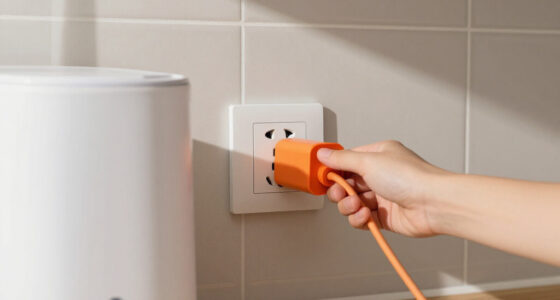
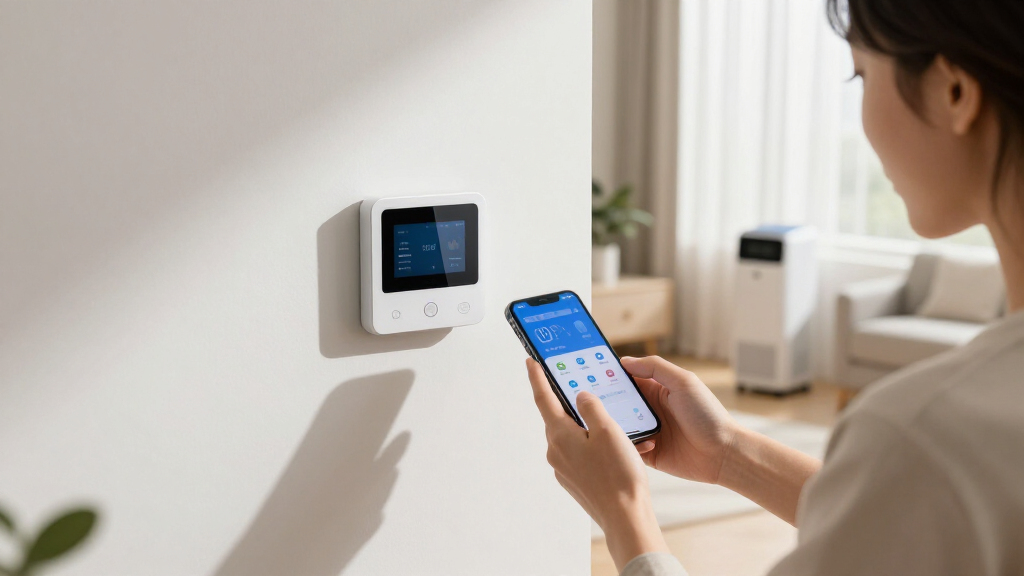
The homeowner used external smart plugs and compatible sensors to add remote control and monitoring capabilities to their existing AC unit. These devices do not require permanent modifications or damage to the unit, thus avoiding potential issues with landlords or property managers.
Experts confirm that using high-quality, UL-rated smart plugs and wireless sensors is a safe and effective way to make a dumb AC ‘smart.’ These devices can be controlled via smartphone apps, allowing users to turn the unit on/off, set schedules, and monitor energy consumption remotely.
Claims about avoiding damage to the unit or the property are supported by product warranties and safety standards. However, some landlords may have specific policies, so tenants should review lease agreements before proceeding.
Practical Impact of Upgrading an AC Without Lease Violations
This approach allows renters and homeowners to enjoy smart home features without risking their security deposit or violating lease agreements. It democratizes smart home technology by making it accessible to those with traditional appliances and rental restrictions.
It also highlights a broader trend toward non-invasive, portable smart home solutions, which are gaining popularity among consumers wary of permanent modifications or damage liabilities.
Products Worth Considering

Blueair Signature SP1i Smart Air Purifier

LG 75-Inch QNED73B Mini LED 4K Smart TV (2026)

Samsung 75-Inch QLED Q7F Series Smart TV (2025)
As an affiliate, we earn on qualifying purchases.
Background on Smart Home Integrations for Renters
Many renters face restrictions on modifying appliances or property fixtures, limiting their ability to upgrade to smart home systems. Traditionally, adding smart features required installing new hardware or wiring, which could void security deposits or violate lease terms. Recently, the market has seen growth in portable, non-invasive smart devices like plugs and sensors, enabling users to upgrade without permanent alterations.
This shift aligns with increasing demand for smart home technology that is easy to install, portable, and reversible, especially among tenants and short-term residents.
Limitations and Potential Risks of Non-Invasive Smart Upgrades
While using smart plugs and sensors is generally safe, there are still some uncertainties. For example, not all AC units may respond well to external controls, especially older or specialized models. There is also a potential risk of overloading circuits if multiple devices are used improperly. Additionally, some landlords might have policies against using external devices, even if they are non-invasive.
It is not yet clear how widespread landlord acceptance is or whether certain smart devices could inadvertently void warranties or violate safety standards.
Next Steps for Renters and Homeowners Considering Smart Upgrades
Consumers interested in similar upgrades should review their lease agreements and consult with property managers if possible. They should choose UL-rated, reputable smart plugs and sensors, and follow safety instructions carefully. Future developments may include more integrated, landlord-friendly smart solutions designed specifically for rental properties.
Research into device compatibility with various AC models and ongoing discussions about landlord policies will shape how widely these methods are adopted in the future.
Key Questions
Can I add smart features to my AC without damaging it?
Yes, using external smart plugs and wireless sensors allows you to control and monitor your AC remotely without making permanent modifications or risking damage.
Will using smart plugs void my lease or security deposit?
Generally, no. As long as the devices are non-invasive and do not cause damage, they typically do not violate lease terms. However, tenants should review their lease agreements and seek approval if possible.
Are there safety concerns with using external smart devices on appliances?
When using UL-rated, properly installed smart plugs and sensors, safety risks are minimal. Following manufacturer instructions and avoiding overloading circuits are recommended.
Will this method work with all AC units?
Most standard, non-smart AC units can be controlled with smart plugs, but compatibility depends on the model and power requirements. Older or specialized units may have limitations.
What should I do if my landlord disapproves of external devices?
It’s best to consult your lease and speak with your landlord. If external devices are prohibited, consider portable, non-permanent options or seek landlord approval before proceeding.
Source: hn