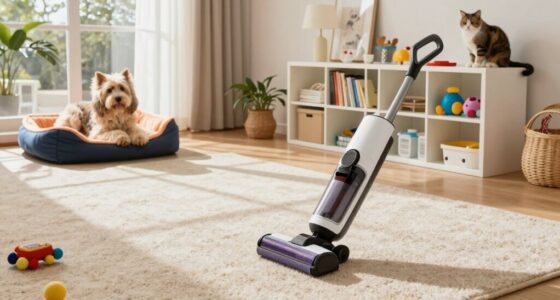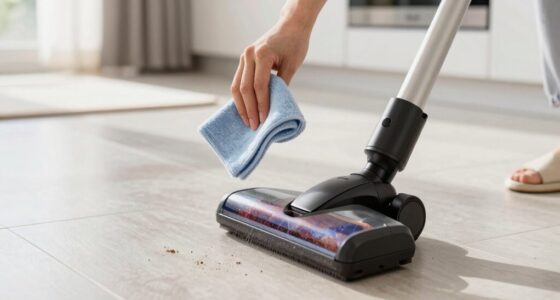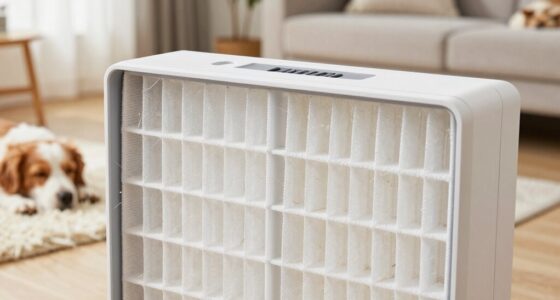
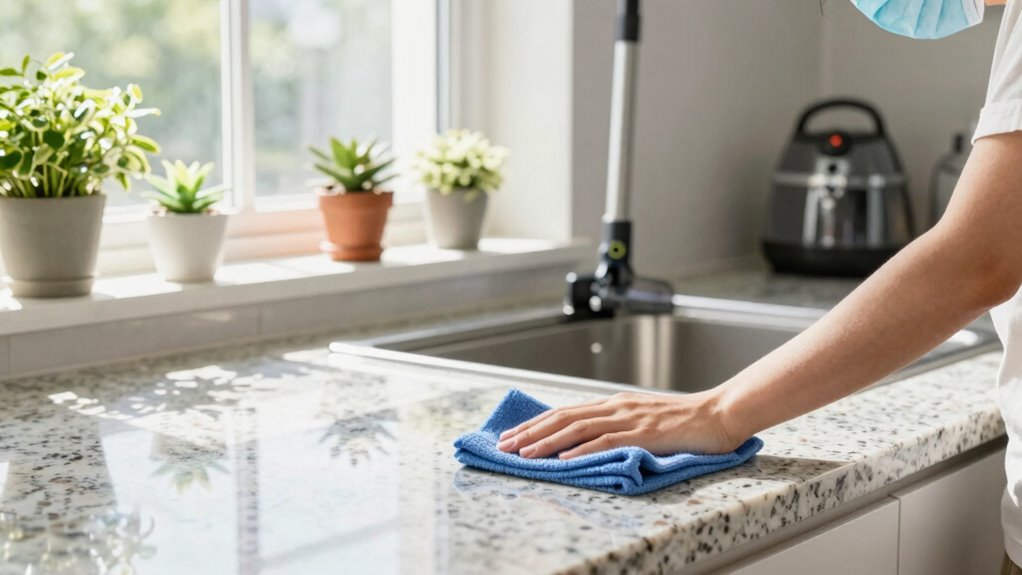
To clean asthma-friendly without harsh fragrances, use fragrance-free, non-toxic products and natural alternatives like vinegar and baking soda. Dust with damp microfiber cloths or HEPA-filtered vacuum attachments to trap allergens instead of dispersing them into the air. Regularly wash bedding and declutter to minimize dust buildup. Keep air purifiers with HEPA filters running smoothly. If you keep these tips in mind, you’ll discover even more ways to create a healthier, allergen-reduced environment.
Key Takeaways
- Use damp microfiber cloths and HEPA-filtered vacuum cleaners to trap dust without dispersing irritants.
- Choose fragrance-free, non-toxic cleaning products and natural alternatives like vinegar and baking soda.
- Regularly wash bedding, curtains, and washable fabrics to reduce dust mites and allergens.
- Maintain air purifiers with HEPA filters and change filters frequently for optimal air quality.
- Minimize clutter, opt for hard surfaces, and clean behind furniture and vents to prevent dust buildup.
Why Dust and Allergens Worsen Asthma and How to Stop Them
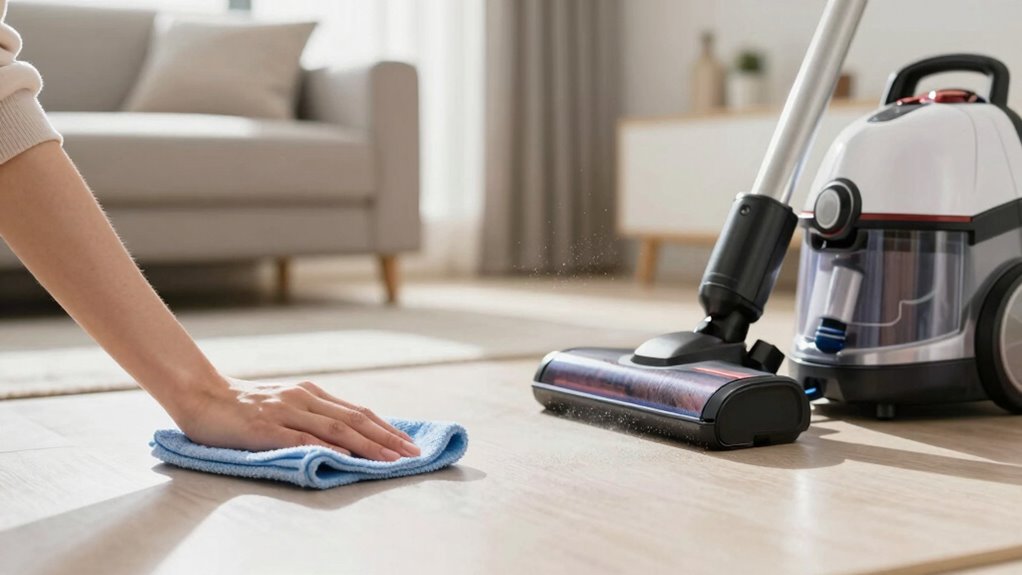
Dust and allergens can quickly trigger asthma symptoms because they irritate your airways and cause inflammation. Airborne allergens, such as pollen, pet dander, and mold spores, easily become suspended in the air, making it easier for you to inhale them. Dust accumulation in your home provides a breeding ground for these allergens, especially in carpets, bedding, and upholstery. When you breathe in airborne allergens, your immune system reacts, leading to airway constriction, wheezing, and shortness of breath. To reduce these triggers, it is crucial to control dust buildup and limit airborne allergens. Regular cleaning helps prevent dust accumulation, minimizing the amount of irritants you breathe in and helping keep your asthma under control.
Easy Techniques to Reduce Dust and Allergens in Your Home

You can make a big difference by dusting regularly with a damp cloth to trap particles. Using HEPA filters helps remove allergens from the air, making your home safer. Additionally, reducing clutter and choosing washable fabrics can cut down on dust buildup and improve air quality. Incorporating color accuracy cleaning tools can further enhance your dust reduction efforts. Selecting appropriate filtration systems ensures that airborne particles are effectively captured, contributing to a healthier indoor environment. Regularly maintaining air purifiers with filter replacement is also essential to sustain their effectiveness over time. Integrating smart appliance technology can automate some cleaning tasks, making dust control even more efficient.
Regular Dusting Practices
Regular dusting is one of the simplest ways to reduce allergens and improve indoor air quality. By dusting regularly, you remove surface dust that can harbor dust mites and other allergens, helping prevent their buildup. Use a damp cloth or microfiber duster to trap dust rather than spreading it around. This also enhances your air purifier benefits, as less dust in the air means it works more efficiently. Focus on high-touch surfaces like shelves, furniture, and electronics. Avoid using harsh chemicals; instead, opt for gentle, fragrance-free cleaners. Consistent dusting prevents dust mite proliferation and keeps airborne allergens at bay. Incorporating this habit into your routine makes your environment healthier and more comfortable, especially for asthma sufferers.
Use of HEPA Filters
Incorporating HEPA filters into your home environment is an effective way to further reduce airborne allergens and improve air quality. Using an air purifier equipped with a HEPA filter captures tiny particles like dust mites, pet dander, and pollen that trigger asthma symptoms. To keep the purifier working efficiently, regular filter maintenance is essential—check manufacturer recommendations for replacement intervals and change filters promptly. This ensures your air purifier continues to effectively trap allergens and maintain clean indoor air. HEPA filters are especially beneficial in bedrooms and living areas, creating a healthier environment for asthma sufferers. By integrating these filters into your cleaning routine, you’ll notice fewer airborne irritants, making your home safer and more comfortable. Proper airflow around the unit is also crucial to optimize performance and prevent dust buildup. Additionally, understanding the air filtration process can help you select the best equipment for your specific needs. Regularly inspecting and maintaining your filters can prevent dust accumulation and ensure continuous, effective filtration. Being aware of your home’s overall ventilation system can further enhance allergen reduction efforts.
Minimize Clutter and Fabrics
Did you know that clutter and excessive fabrics can trap dust, pet dander, and other allergens? By keeping clutter minimal, you make cleaning easier and reduce allergen buildup. Focus on decluttering regularly, donating items you no longer need, and organizing your belongings efficiently. Limit the number of fabric surfaces, such as heavy curtains, upholstery, and plush toys, since these attract and hold dust. Opt for hard surfaces like wood, tile, or vinyl whenever possible, and choose washable covers for furniture. Regularly vacuum and wipe down furniture to prevent dust accumulation. Simplifying your space not only makes cleaning more manageable but also creates a healthier environment for asthma management. Incorporating natural materials in your decor can further reduce chemical exposure and improve indoor air quality. Additionally, selecting hypoallergenic textiles can help minimize allergen retention and support respiratory health. Using air purifiers with HEPA filters can also significantly decrease airborne dust and allergens, enhancing your home’s air quality.
Essential Tools for Safe, Fragrance-Free Asthma-Friendly Cleaning

To clean safely and effectively, you need the right tools that are free of fragrances and harsh chemicals. Essential supplies include gentle, asthma-friendly cleaners and soft cloths or sponges. Make sure to store these items properly to keep them safe and ready for use whenever you need them. Additionally, choosing non-toxic cleaning products can help minimize exposure to harmful chemicals and support overall health. Incorporating energy-efficient cleaning tools can also reduce environmental impact while maintaining a healthy indoor environment. Being aware of toilet maintenance and repairs can help prevent issues that may introduce dust or contaminants into your cleaning routine. Regularly practicing auditory discrimination during cleaning routines can enhance your awareness of potential sources of dust or allergens. Furthermore, utilizing water-based cleaning techniques can decrease the reliance on chemical agents, making your cleaning routine even safer for asthma sufferers.
Essential Cleaning Supplies
What are the essential tools you need to clean safely and effectively for asthma-friendly living? First, invest in a high-quality air purifier and learn proper air purifier maintenance to reduce airborne allergens. Using an air purifier with a HEPA filter helps trap dust, pet dander, and other irritants. Additionally, allergen-proof covers for pillows, mattresses, and comforters are vital to prevent dust mites from triggering asthma symptoms. You’ll also need soft microfiber cloths and gentle, fragrance-free cleaning solutions to wipe surfaces without releasing harsh chemicals or fragrances. Keep a handheld vacuum with a HEPA filter handy for quick dust removal. Understanding heat distribution in cleaning tools can help optimize their effectiveness and longevity. These supplies create a safer environment by minimizing dust and allergens, making your cleaning routine effective and asthma-friendly without relying on strong fragrances or toxic chemicals.
Safe Storage Methods
Proper storage of cleaning supplies is essential to maintain a safe and asthma-friendly environment. Effective storage organization prevents accidental spills, limits exposure, and keeps harmful chemicals out of reach. Use a dedicated cleaning caddy to keep your supplies together and portable for easy access. Store cleaning products in a cool, dry place away from children and pets. Label containers clearly to avoid confusion and ensure proper use. Consider using airtight containers for powders or liquids to prevent leaks and reduce dust dispersion. Regularly check for expired or unused products and dispose of them safely. Keep items sorted by frequency of use, placing daily essentials within easy reach. Good storage practices help maintain a clean, dust-free space while minimizing fragrance and chemical exposure. Additionally, following proper ventilation considerations can improve indoor air quality and reduce irritants associated with cleaning activities.
How to Choose Fragrance-Free Cleaning Products That Are Safe for Your Lungs

Choosing fragrance-free cleaning products is a smart step toward protecting your lungs, especially if you have asthma. To find safe options, read labels carefully and look for products labeled as fragrance free options. These products don’t contain added scents that can trigger asthma symptoms. Focus on cleaning items made with non toxic ingredients, which minimize the risk of harmful fumes or irritants. Avoid products with artificial fragrances, dyes, or harsh chemicals. Instead, opt for simple, transparent formulas that prioritize safety and effectiveness. You can also check for certifications from trusted organizations that verify the absence of harmful ingredients. By choosing fragrance-free options with non toxic ingredients, you reduce your exposure to potential asthma triggers while keeping your home clean. Incorporating art care and living concepts can help create a healthier environment tailored to your needs. Additionally, understanding ergonomics and workflow in your cleaning routine can help minimize physical strain and make cleaning easier and safer. Being aware of indoor air quality can further support your efforts to maintain a healthy living space. Maintaining good ventilation practices can also significantly decrease airborne irritants and improve overall air quality.
Natural, Non-Toxic Alternatives to Scented Cleaners
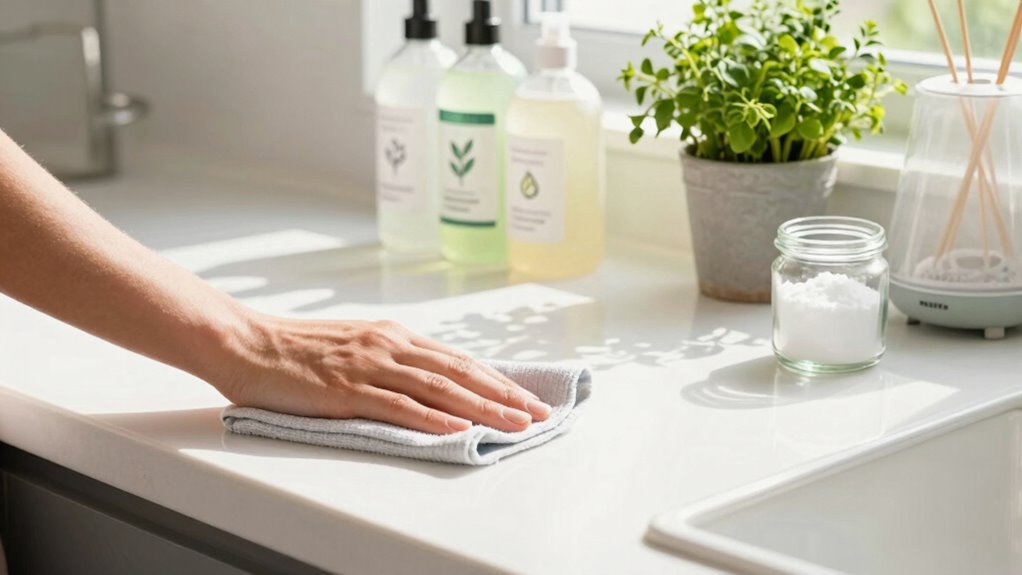
Switching to natural, non-toxic cleaning alternatives can further reduce your exposure to harmful chemicals and synthetic fragrances. You can use simple ingredients like vinegar, baking soda, and lemon to clean effectively without irritants. Essential oils, such as tea tree, eucalyptus, or lavender, add natural antimicrobial properties and pleasant scents, serving as natural deodorizers. These oils help freshen your space without triggering asthma symptoms. Additionally, consider making your own sprays or cleaning solutions to control what goes into your home. Here are some options:
- Use essential oils like lemon or eucalyptus for natural freshness
- Create homemade all-purpose cleaners with vinegar and essential oils
- Use baking soda for odor absorption
- Opt for natural deodorizers like activated charcoal
- Add essential oils to laundry or air diffusers for ongoing scent control
Moreover, choosing ecologically sustainable cleaning products that emit gentle, non-irritating light therapies can complement your asthma-friendly cleaning routine by promoting overall well-being without harsh chemicals.
Simple Tips to Keep Your Home Dust-Free Over Time

Keeping your home dust-free requires regular, proactive efforts to prevent buildup and reduce allergens. Start by cleaning surfaces weekly with a damp cloth to trap dust effectively. Maintain your air purifier by changing filters as recommended; a well-maintained purifier improves air quality and helps with dust mite prevention. Vacuum carpets and upholstery regularly using a HEPA filter vacuum. Use the following table to highlight key tips:
| Tip | Benefit |
|---|---|
| Dust with damp cloth | Reduces airborne dust |
| Cover mattresses & pillows | Prevents dust mite buildup |
| Regularly clean air purifier | Ensures ideal performance |
| Wash bedding weekly | Eliminates dust mites and allergens |
These simple steps can markedly reduce dust and allergens over time, supporting your asthma-friendly home.
How to Find and Remove Hidden Dust and Allergens
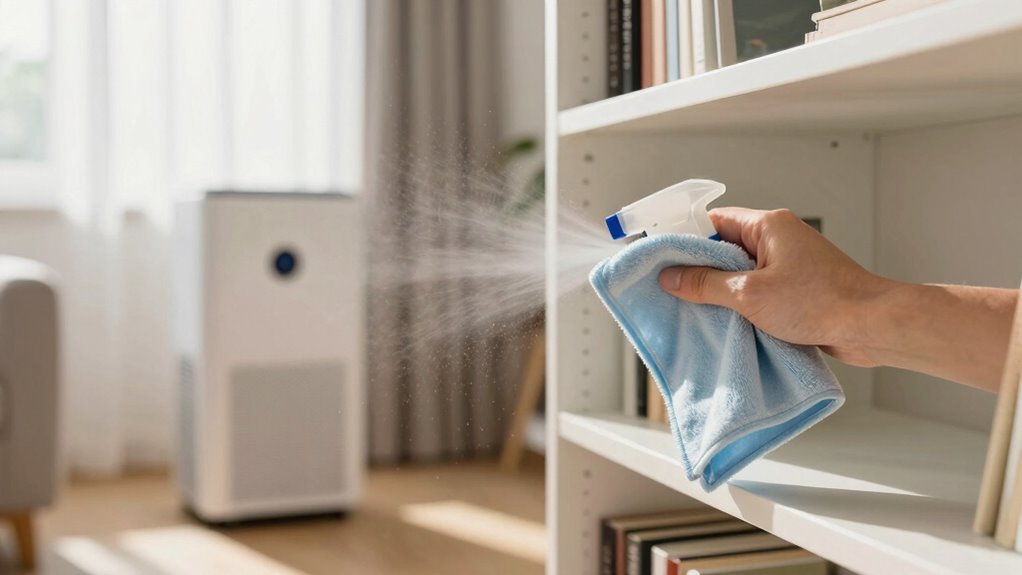
Hidden dust and allergens often lurk in overlooked areas, making it essential to thoroughly inspect your home beyond visible surfaces. Start by checking places like behind furniture, inside vents, and under appliances. Focus on air duct cleaning to remove accumulated dust and allergens that circulate through your home’s ventilation. Consider pet dander removal, especially in areas your pets frequent, like bedding and furniture. Use a microfiber cloth or HEPA vacuum attachments to target these hidden spots. Don’t forget to:
- Clean behind and underneath furniture
- Check under appliances and in vents
- Wash pet bedding regularly
- Use air purifiers with HEPA filters
- Schedule professional air duct cleaning periodically
These steps help eliminate dust and allergens, making your home safer for asthma management.
Establishing a Regular Cleaning Routine to Support Your Asthma
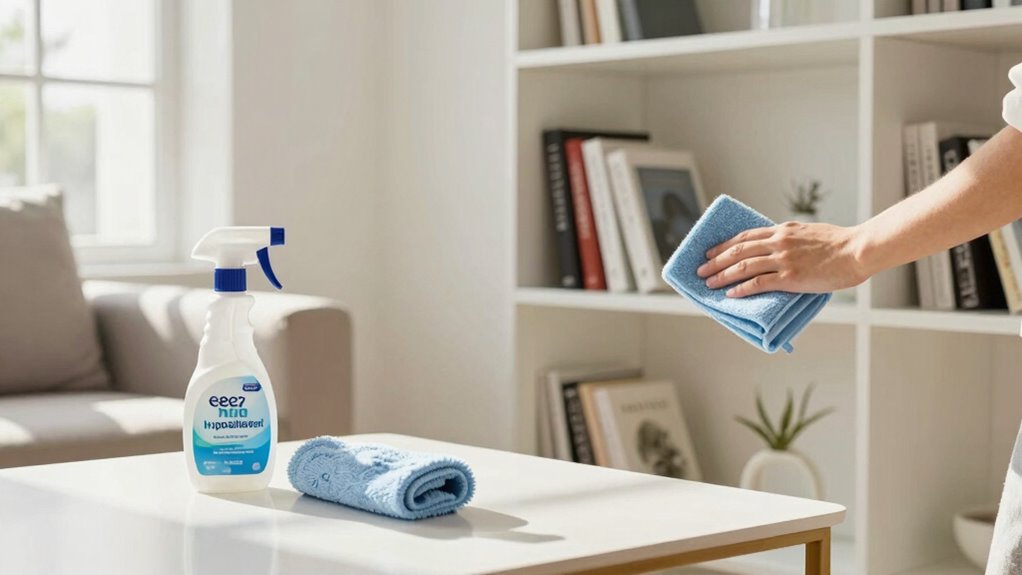
Establishing a regular cleaning routine is essential for managing asthma symptoms effectively. Consistent cleaning reduces dust and allergens that can trigger attacks. Incorporate vacuuming schedules that focus on high-traffic areas, and use a vacuum with a HEPA filter to capture tiny particles. Regularly dust surfaces with a damp cloth to prevent dust from becoming airborne. An air purifier benefits your routine by continuously filtering airborne pollutants, helping to maintain cleaner indoor air. Set specific days for tasks like vacuuming and dusting to create a predictable, manageable schedule. Keeping up with these routines minimizes dust buildup and allergens, making your environment safer for asthma management. A consistent routine empowers you to control indoor triggers and breathe easier every day.
Common Mistakes That Could Worsen Your Asthma (And How to Avoid Them)

While maintaining a regular cleaning routine helps reduce asthma triggers, some common mistakes can unintentionally make symptoms worse. For example, neglecting to use air purifier benefits means airborne allergens remain in your environment. Skipping allergen-proof covers on mattresses and pillows allows dust mites to thrive, worsening symptoms. Using harsh cleaning chemicals can irritate your lungs, so opt for gentle, fragrance-free products. Forgetting to vacuum with a HEPA filter or not cleaning vents spreads dust and allergens. Additionally, failing to wash bedding regularly and ignoring clutter can trap dust. To improve your indoor air quality, incorporate an air purifier and invest in allergen-proof covers. Avoiding these mistakes helps create a safer, asthma-friendly home environment.
Frequently Asked Questions
Can Air Purifiers Help Reduce Dust and Allergens Effectively?
Yes, air purifiers with HEPA filters can help you reduce dust and allergens effectively. They trap tiny particles, including pollen, pet dander, and dust mites, improving your indoor air quality. By running an air purifier regularly, you’ll notice less dust settling around your space and fewer allergy symptoms. Make sure to choose a model designed for allergen reduction to get the best results in creating a healthier environment.
Are There Specific Cleaning Schedules Recommended for Asthma Management?
Think of your cleaning schedule as a shield protecting you from asthma triggers. You should aim for routine cleaning every 2 to 3 days, focusing on dust-prone areas. Incorporate a consistent cleaning frequency, like vacuuming with a HEPA filter and dusting with damp cloths, to keep allergens at bay. Staying on top of your routine helps reduce dust and keeps your air safer and healthier every day.
How Do I Identify Hidden Sources of Dust in My Home?
To identify hidden sources of dust, regularly inspect areas like behind furniture, under appliances, and inside vents where dust can easily accumulate. Check under beds, inside closets, and around baseboards for dust buildup. Pay attention to less obvious spots such as ceiling fans, window sills, and decorative items. Tracking these hidden sources helps you keep dust levels low, improving your asthma management and creating a healthier home environment.
Are There Any Natural Remedies to Minimize Dust Buildup?
Think of your home as a breathing garden—natural remedies can help it flourish. To minimize dust buildup, regularly use damp cloths and natural dusting agents like vinegar or baking soda. Incorporate houseplants to naturally filter the air, and keep humidity levels steady. These simple dust prevention tips help maintain a cleaner, healthier environment without harsh chemicals, making your home a sanctuary that’s safe for everyone.
Can Humidifiers Influence Dust Levels and Asthma Symptoms?
Humidifiers can influence dust levels and asthma symptoms by providing humidity that helps regulate dust particles in the air. The benefits of using a humidifier include reducing airborne dust and easing breathing. Properly maintaining your humidifier prevents mold and bacteria buildup, which can worsen asthma. Keep humidity levels between 30-50%, and regularly clean your device to guarantee ideal dust regulation and to minimize asthma triggers in your environment.
Conclusion
By embracing gentle, fragrance-free cleaning techniques, you create a sanctuary where dust and allergens vanish like morning fog, leaving your lungs free to breathe easy. Imagine your home as a peaceful oasis, free from harsh scents and lurking dust bunnies, where every breath feels lighter and more natural. With mindful routines and safe tools, you can transform your space into a haven of calm, ensuring your asthma stays under control and your environment remains truly asthma-friendly.