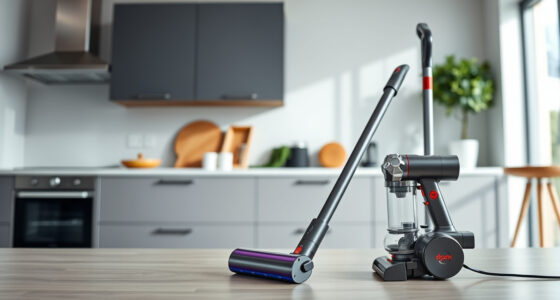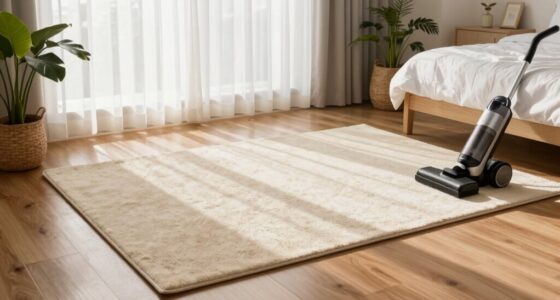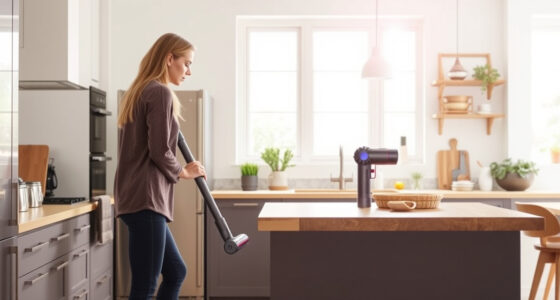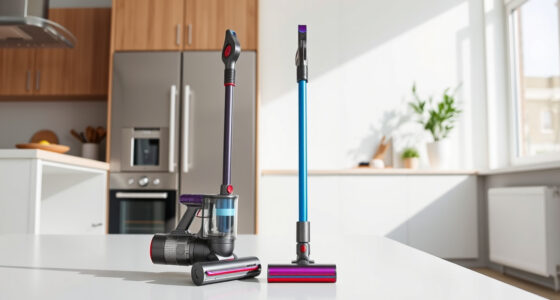
To keep your floors allergen-free during peak spring allergy season, use a vacuum with a HEPA filter. Clear the floor of furniture for easier access, and vacuum slowly, focusing on high-traffic areas. Don’t forget to clean corners with a crevice tool and regularly empty the canister or replace bags. After vacuuming, damp mop hard surfaces with a microfiber mop to capture remaining dust. Want to know more tips for thorough cleaning? There’s plenty more to explore!
Listen free for 30 days with Audible
Thousands of audiobooks and originals — cancel anytime.
As an affiliate, we earn on qualifying purchases.
Key Takeaways
- Use a vacuum with a HEPA filter to effectively trap allergens like dust and pollen from floors.
- Adjust the vacuum height setting for different surfaces, ensuring thorough cleaning on carpets and hard floors.
- Vacuum slowly and in overlapping rows to capture all allergens, especially in high-traffic areas.
- Follow up with a damp mop to trap remaining dust and allergens on hard surfaces.
- Regularly maintain your vacuum by cleaning filters and emptying the canister or replacing bags for optimal performance.
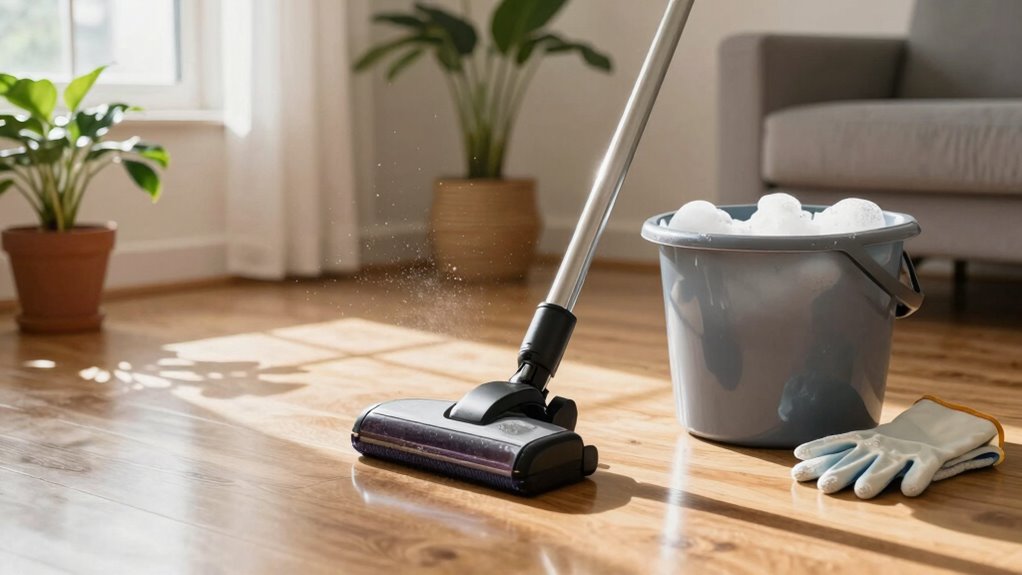
As allergy season rolls in, you might notice the air feels heavier, making it the perfect time to tackle your floors. Dust, pollen, and pet dander can easily accumulate, aggravating those pesky allergies. To combat this, you’ll want to prioritize allergen removal in your cleaning routine. One of the best ways to do this is by focusing on effective vacuum techniques.
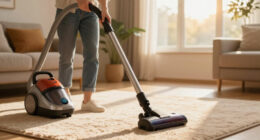
Start by choosing a vacuum with a HEPA filter. These filters trap tiny particles, making sure that allergens don’t just circulate back into the air. Before you begin, clear the floor of any furniture or obstacles. This helps you reach every corner and crevice, maximizing your allergen removal efforts. Don’t rush; take your time to guarantee you cover the entire area thoroughly.
Choose a vacuum with a HEPA filter, clear obstacles, and take your time to maximize allergen removal.
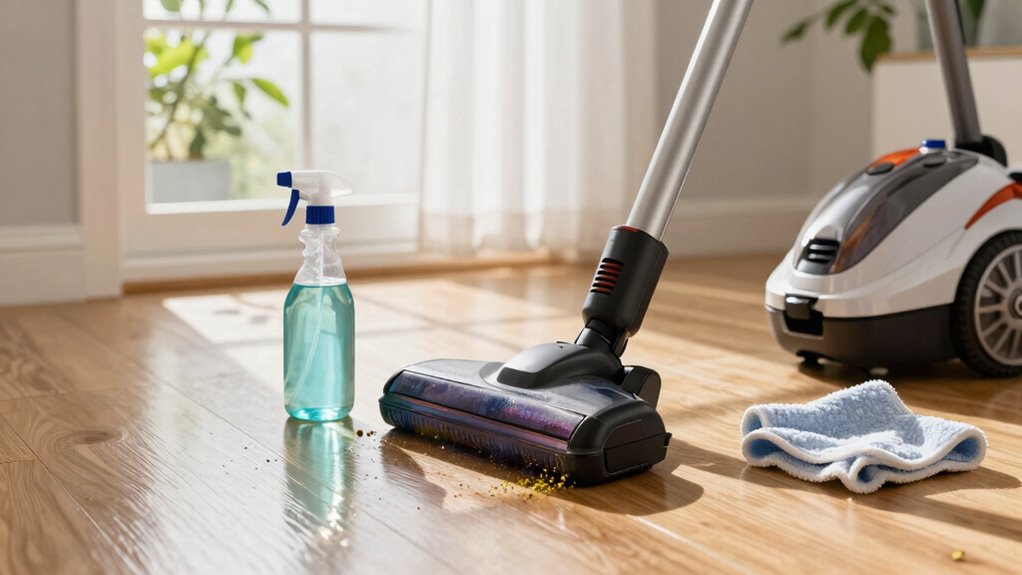
When you’re ready to vacuum, adjust the height setting if your vacuum has one. This is essential for different floor types. For carpets, lower the setting to allow the vacuum to penetrate deeper fibers. If you’re cleaning hardwood or tile, raise it to avoid scratching the surface. This simple adjustment can make a significant difference in how well you pick up allergens.
As you vacuum, employ a slow and steady pace. Quick passes won’t capture all the dust and allergens. Instead, move the vacuum in overlapping rows, making sure you cover every inch. Pay special attention to high-traffic areas where dirt tends to accumulate. Corners and edges often collect dust bunnies too, so don’t forget to use the crevice tool for those spots. Regularly cleaning and maintaining your vacuum filters and brushes can also improve its allergen-trapping effectiveness. Incorporating proper air filtration techniques can further reduce airborne particles during and after cleaning. Additionally, using appropriate cleaning tools can ensure more thorough removal of allergens from various surfaces.
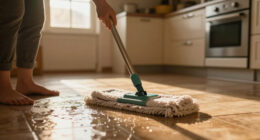
After vacuuming, consider using a damp mop, especially on hard surfaces. A microfiber mop can effectively trap dust and allergens, preventing them from becoming airborne again. If you have carpets, it’s a great idea to deep clean them periodically. Renting a steam cleaner or hiring a professional service can provide a thorough cleaning that regular vacuuming might miss.
Finally, don’t overlook your vacuum itself. Regularly empty the canister or replace the bag to maintain its efficiency. Cleaning the filters can also enhance performance, making sure you’re getting the most out of your equipment. Additionally, routine equipment maintenance can help ensure your cleaning tools are working optimally to remove allergens effectively.
As an affiliate, we earn on qualifying purchases.
Frequently Asked Questions
What Types of Flooring Are Best for Allergy Sufferers?
If you’re an allergy sufferer, hardwood and tile are your best flooring options. Hardwood benefits include easy cleaning and fewer allergens, as it doesn’t trap dust and pet dander like carpets do. Tile advantages come from its hard surface, which resists mold and mildew, making it ideal for high-humidity areas. Both types provide a stylish look while helping you maintain a healthier indoor environment, so you can breathe easier at home.
How Often Should I Clean My Floors During Allergy Season?
You should clean your floors at least once a week during allergy season to minimize allergy symptoms. If you’re particularly sensitive, consider increasing the cleaning frequency to two or three times a week. Regular vacuuming and mopping help remove dust, pet dander, and pollen, which can trigger your allergies. By staying on top of floor maintenance, you’ll create a healthier environment and breathe easier throughout the season.
Can I Use Essential Oils While Cleaning?
Using essential oils while cleaning can be like adding a revitalizing breeze to your routine. They offer essential oil benefits, like natural antibacterial properties and pleasant scents. However, you should always follow safety precautions. Dilute oils properly to avoid skin irritation and guarantee good ventilation. Some oils might trigger allergies, so test them first in a small area. Enjoy the benefits, but stay mindful for a safer, cleaner home!
Are There Specific Cleaning Products to Avoid?
You should avoid cleaning products with harsh chemicals like ammonia, bleach, or synthetic fragrances. These ingredients can trigger allergies and irritate your respiratory system. Instead, focus on gentle cleaning techniques using natural alternatives. Look for products with plant-based ingredients that are free from allergens. Always read labels carefully to guarantee you’re choosing safe options that won’t exacerbate your allergies while keeping your floors clean and fresh.
How Can Pets Affect Allergy Levels Indoors?
Pets can greatly affect allergy levels indoors. Their fur and skin shed pet dander, a common indoor allergen that triggers reactions. Even if you don’t have allergies, it’s essential to keep your home clean. Regularly vacuuming and using air purifiers can help manage dander. You might also want to restrict pets from certain areas, like your bedroom, to minimize exposure. Keeping surfaces dust-free can make a noticeable difference in your indoor air quality.
As an affiliate, we earn on qualifying purchases.
Conclusion
As you tackle those floors, you might think you’re just battling dust and dirt, but really, you’re waging war against the pollen that’s sneaking in. Isn’t it ironic? You clean to breathe easier, yet the very act stirs up the allergens you’re fighting. But don’t let that discourage you! With every swipe and sweep, you’re one step closer to a cleaner, allergen-free haven. So, embrace the irony, and keep those floors sparkling—your sinuses will thank you!
As an affiliate, we earn on qualifying purchases.
As an affiliate, we earn on qualifying purchases.
NFL season / tailgating Picks
team gear
As an affiliate, we earn on qualifying purchases.