Even when your home looks clean, doggy smells can linger deep in hidden areas and porous surfaces like carpets, furniture, and walls. Odor molecules embed into fibers and settle in unseen spots, making them tough to eliminate with regular cleaning. Airborne particles and pet dander also contribute to persistent odors. To fully refresh your space, you need to target these hidden sources and use specialized treatments. If you want to learn more, you’ll find helpful tips below.
Key Takeaways
- Odors often penetrate deep into porous surfaces like carpets, furniture, and walls, making them hard to eliminate with regular cleaning.
- Hidden pet hideouts, air vents, and behind furniture trap airborne particles and persistent smells that re-emerge over time.
- Standard cleaning masks rather than neutralizes pet odors; specialized treatments like enzymatic cleaners are often needed.
- Pet dander and airborne particles linger in the air and on surfaces, contributing to a “doggy” smell despite cleanliness.
- Proper ventilation and regular deep cleaning of hidden areas are essential for truly removing embedded pet odors.
Where Do Dog Odors Hide in Your Home?

Dog odors can linger in places you might not expect, even after cleaning. Hidden spots around your home often trap pet hideouts where odors settle deep. Carpets and rugs are prime locations, especially if your dog spends a lot of time lounging or playing there. Bedding, blankets, and soft furniture also absorb smells over time. Don’t forget about pet hideouts like crates, kennels, or under furniture—these areas can harbor persistent odors that seep into the surrounding areas. Walls, baseboards, and corners can trap airborne smells that aren’t immediately visible. Even hidden behind curtains or inside air vents, odors can hide and slowly spread through your home. Regularly inspecting and cleaning these spots can help reduce lingering pet odors considerably. Additionally, understanding how odors are absorbed by fabrics can help you choose more effective cleaning strategies.
Why Do Pet Smells Stick Around, Even After Cleaning?
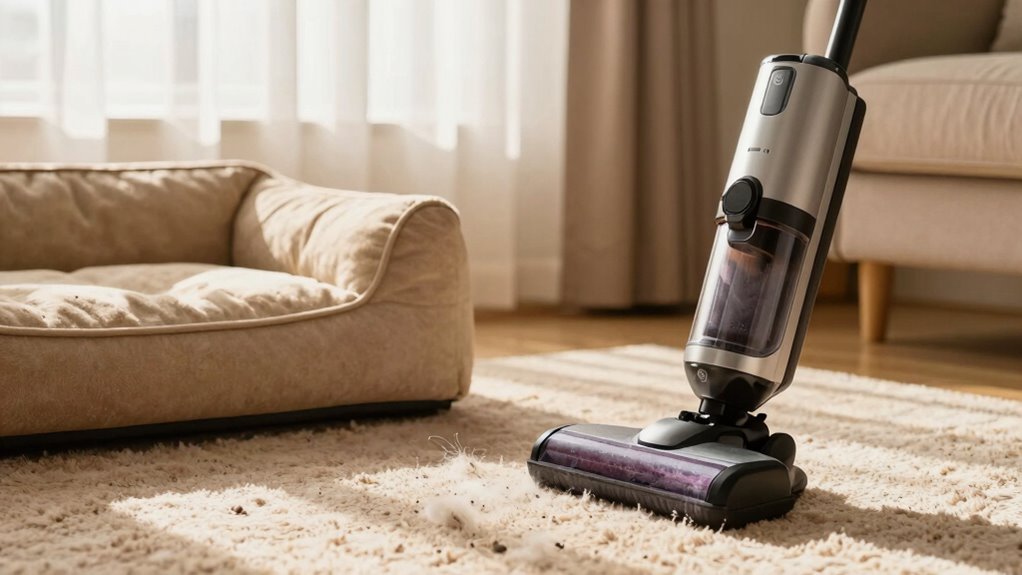
Even after cleaning, pet smells can persist because odors often penetrate deep into surfaces and materials, making them difficult to eliminate completely. Many pet odor myths suggest that regular cleaning alone will fully remove odors, but this is a common cleaning misconception. Odors cling to porous surfaces like upholstery, carpets,, and even walls, where they become embedded in fibers or porous materials. Simply washing or vacuuming often isn’t enough; you need targeted treatments to break down odor molecules. Additionally, some cleaning products only mask smells temporarily rather than eliminate them. Understanding that pet odors are deeply ingrained helps you realize why they stick around despite your efforts. Addressing these odors requires more than superficial cleaning—it calls for specialized solutions that penetrate and neutralize smells at their source. Recognizing porous surfaces as the primary culprits emphasizes the importance of using products designed to reach deep into materials and effectively neutralize embedded odors. Incorporating advanced odor neutralization methods can significantly improve your chances of completely eliminating stubborn pet smells. Using proper cleaning techniques can also play a crucial role in removing residual odors and preventing future buildup. Employing deep cleaning methods helps ensure that odors do not resurface over time, especially when combined with effective odor absorption strategies that trap and remove lingering smells.
How to Remove Dog Odors From Carpets, Furniture, and Air
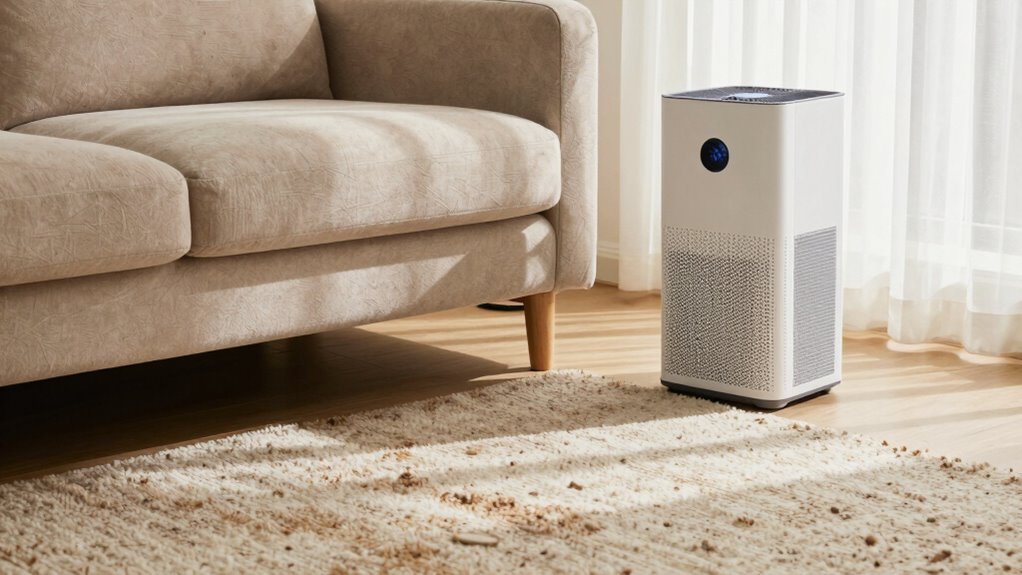
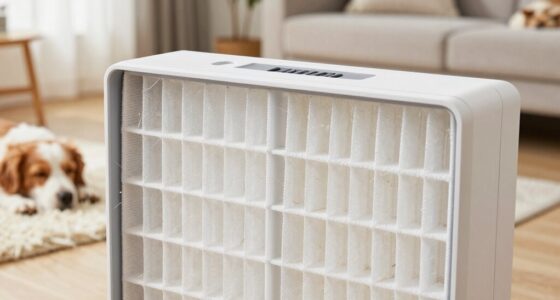
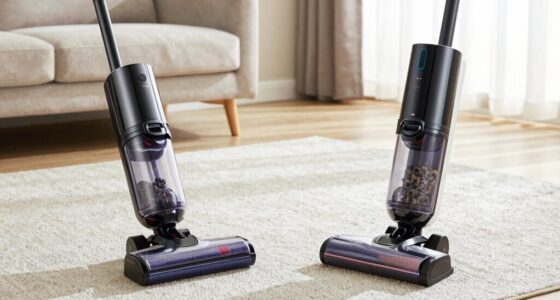
To effectively eliminate pet odors from your home, it’s essential to target the sources embedded in carpets, furniture, and the air. Start by regularly vacuuming with a high-quality cleaner designed for pet hair and odors. Deep cleaning carpets with enzymatic solutions breaks down odor-causing molecules. Don’t forget to treat furniture with appropriate upholstery cleaners or steam cleanings. Pet grooming also plays a key role—bathing your dog reduces the amount of odor they carry and shed. To improve indoor air quality, use air purifiers equipped with HEPA filters to trap airborne pet dander and particles. Additionally, incorporating sound therapy science techniques, such as using calming sound frequencies, can help to mask or reduce lingering pet smells indoors. These steps work together to neutralize lingering smells and create a fresher, cleaner environment for you and your furry friend. Understanding the role of pet dander in odor persistence can also help in choosing the most effective cleaning methods.
Simple Tips to Keep Your Home Smelling Fresh With Pets
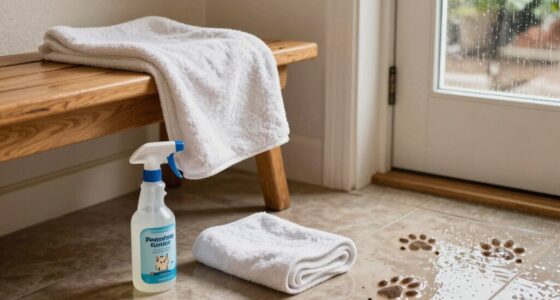
Maintaining a fresh-smelling home with pets is achievable by implementing simple daily habits. Regular pet grooming, like brushing and bathing, reduces dander and odors that linger in your space. Keep your pet’s bedding clean and wash it weekly to prevent smells from building up. Using air purifiers with HEPA filters can also make a big difference by trapping pet dander and airborne odors before they spread. Vacuum frequently with a high-quality vacuum designed to pick up pet hair and allergens. Keep your home well-ventilated by opening windows when possible, allowing fresh air to circulate. Additionally, understanding the role of air quality in home environments can help you choose effective air purification methods. Incorporating air purification technology into your routine ensures that airborne pollutants and odors are continuously filtered out. Being aware of indoor air quality factors can help you identify other sources of household odors. Regularly assessing your home’s ventilation system can further improve air circulation and odor control. Practicing these cleaning and maintenance habits consistently helps control pet-related smells, making your home smell fresh and inviting even with furry friends around.
Are Your Pet Allergens Making Odors Worse?

Have you noticed that your home’s smell worsens whenever your pet’s allergies flare up? Pet dander and allergen buildup can intensify odors, making your space smell even more “doggy.” When allergens accumulate, they trap odors in your home’s fabrics and surfaces, creating a cycle of stale smells. To combat this, consider:
- Regularly dusting and vacuuming to remove pet dander
- Washing pet bedding and fabrics frequently
- Using HEPA air purifiers to trap airborne allergens
- Maintaining good ventilation to reduce allergen buildup
- Reducing clutter where pet dander can settle
- Incorporating robotic cleaning solutions to efficiently maintain surfaces and reduce allergen accumulation
These steps help reduce allergen buildup, decreasing odors and improving your home’s freshness. Addressing pet dander and allergens isn’t just for allergy relief—it’s also key to controlling persistent pet odors. Additionally, understanding the impact of allergens on odor retention can help you choose the most effective cleaning strategies. For example, allergen buildup can lead to the retention of odors in soft furnishings, making regular cleaning essential for odor control. Regular cleaning routines can also prevent the formation of odor-causing bacteria, which thrive in allergen-rich environments. Furthermore, incorporating air quality management practices can significantly improve overall home freshness and reduce lingering pet smells.
When Should You Call a Professional for Odor Removal?

Persistent odors that won’t go away despite regular cleaning and airing out are a clear sign it’s time to call in a professional. If your attempts at deodorizing aren’t lasting, a professional evaluation can identify hidden sources and ensure effective odor remediation. You might also notice lingering smells in places you’ve already cleaned, or odors that seem to return quickly. Consider reaching out if pets have caused damage to carpets, upholstery, or hidden areas like vents. A professional can assess these problem spots thoroughly. Recognizing hidden sources of odor is crucial for lasting results, especially when dealing with complex issues such as free floating particles that can settle into various surfaces and materials. Understanding home ventilation systems can help prevent the buildup and recirculation of persistent odors, ensuring a fresher living environment. Additionally, being aware of how odor-causing particles can linger in unseen areas can help you determine when professional help is necessary.
Frequently Asked Questions
Can Certain Dog Breeds Cause Stronger Odors Than Others?
Yes, certain dog breeds cause stronger odors due to breed-specific odors and coat type. Breeds with oily or water-repellent coats, like retrievers or spaniels, tend to trap dirt and oils, increasing smells. Short-haired breeds often have less odor because they shed less oil and dirt. You can reduce these odors by regular baths, grooming, and cleaning, regardless of your dog’s breed or coat type.
Are There Natural Remedies to Neutralize Pet Odors Effectively?
Ever wonder if natural remedies can truly neutralize pet odors? You can try essential oils like lavender or lemon, but always dilute them before use. Odor absorbers, such as baking soda or activated charcoal, work wonders by trapping smells. Combine these with regular cleaning to keep your home fresh naturally. Isn’t it worth exploring gentle, chemical-free solutions to create a more inviting space for both you and your pet?
How Often Should I Deep Clean My Home to Prevent Smells?
You should deep clean your home at least once a month to maintain a fresh scent and prevent odors from lingering. Regular cleaning frequency helps remove pet hair, dander, and dirt that can trap smells. Focus on areas like carpets, upholstery, and pet bedding. By staying consistent with your cleaning routine, you’ll keep your home smelling clean and fresh, reducing the need for frequent odor neutralizers and ensuring scent maintenance over time.
Do Air Purifiers Really Eliminate Pet Odors Completely?
Air purifier effectiveness varies, but they can markedly reduce pet odor elimination in your home. While they won’t eliminate every smell completely, high-quality purifiers with activated carbon filters and HEPA technology can capture pet dander, hair, and odors. To maximize results, combine using an air purifier with regular cleaning and proper ventilation. This combined approach helps keep your living space fresher and reduces those persistent pet smells.
Can Diet Changes Improve My Dog’s Odor and Reduce Home Smells?
Think of your dog’s scent like a vintage record—sometimes, changes in dog food can make a big difference. Switching to a high-quality, scent control dog food helps reduce odor from within, improving your pup’s smell and the overall home aroma. Plus, a healthier diet can decrease skin oils and dander, which contribute to lingering smells. It’s a simple step to keep your home fresher and your dog happier.
Conclusion
Even if your home looks clean, pet odors can linger because they hide in carpets, furniture, and airflow. Did you know that pet dander and odor particles can stay airborne for hours, affecting indoor air quality? Regular cleaning and odor-neutralizing strategies can make a big difference. Stay proactive—consider professional help if odors persist. Keeping your home fresh isn’t just about cleanliness; it’s about creating a healthier, more comfortable space for you and your furry friend.