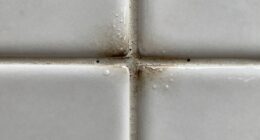
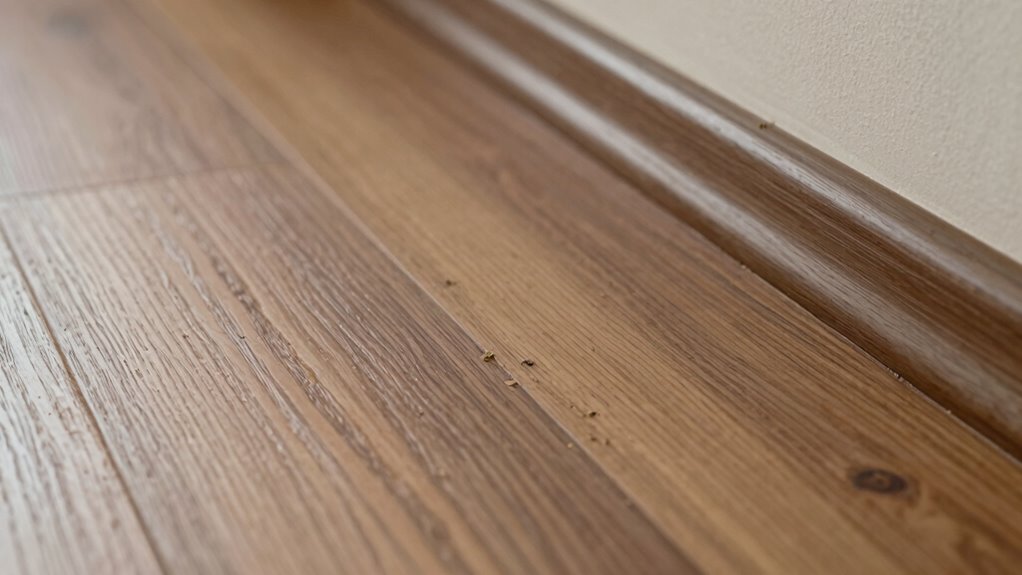

Dust mites love hiding in carpets, rugs, and other porous floors where skin flakes, dust, and warmth accumulate. They thrive in warm, humid environments, so thick carpets and shaggy rugs are especially inviting. You’ll find them lurking beneath furniture, in cracks, and in dusty corners. To keep these allergens at bay, focus on easier-to-clean surfaces like hardwood or vinyl, and explore more tips to create a healthier home environment.
Key Takeaways
- Dust mites thrive in carpets and rugs, especially plush or shaggy types that trap moisture and debris.
- Hidden areas like beneath furniture, in cracks, and corners provide safe havens for dust mites.
- Porous flooring materials such as carpets and soft rugs are more inviting than hard, smooth surfaces.
- High humidity and poor ventilation increase dust mite survival in floor environments.
- Regular cleaning, including hot water washing and HEPA vacuuming, reduces mite habitats and allergen buildup.
Why Dust Mites Love Floors: and How They Affect Your Allergies
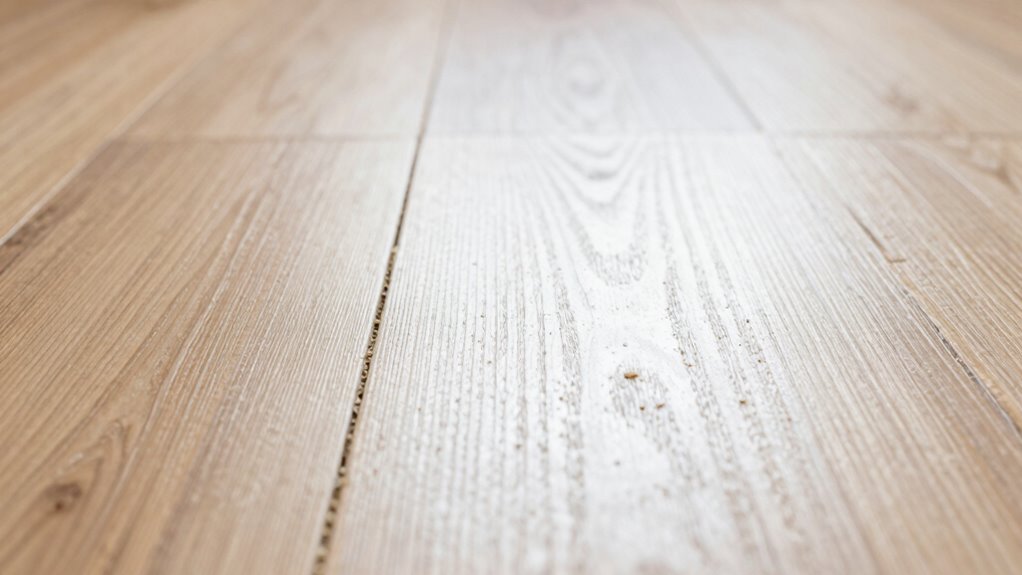
Dust mites thrive in floors because these surfaces trap skin cells, dust, and other debris they feed on. Understanding dust mite biology reveals they’re tiny creatures that thrive in warm, humid environments, making floors ideal habitats. They consume dead skin flakes shed by humans and pets, which act as primary allergen triggers. Their presence can considerably worsen allergy symptoms, triggering sneezing, congestion, and asthma flare-ups. Floors, especially carpets and rugs, provide ample hiding spots where dust mites can multiply undisturbed. Their microscopic bodies and waste particles become airborne easily, spreading allergens throughout your home. The moisture levels in your flooring environment significantly influence dust mite populations, as higher humidity promotes their growth. Recognizing why dust mites love floors helps you understand their role in allergy aggravation and emphasizes the importance of cleaning and allergen reduction strategies to keep these pesky invaders at bay. Additionally, proper ventilation can help regulate humidity and reduce dust mite habitats. Maintaining optimal indoor humidity levels is crucial in controlling dust mite proliferation and minimizing allergy symptoms. Proper floor cleaning routines, including regular vacuuming with HEPA filters, can further diminish dust mite populations and improve indoor air quality. Implementing humidifiers or dehumidifiers can assist in maintaining consistent indoor humidity, further discouraging dust mite development.
How to Detect Dust Mite Infestations in Your Floors
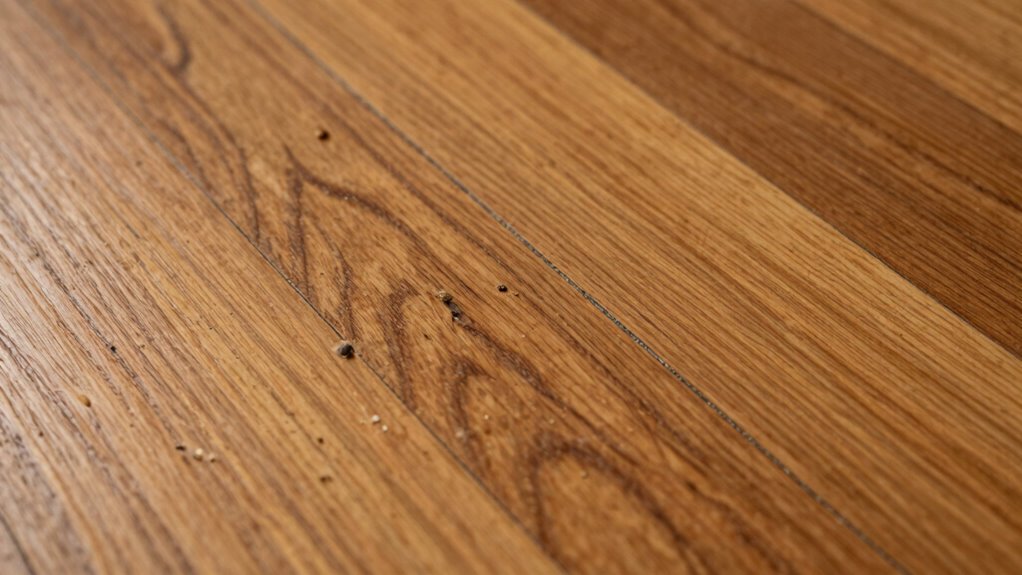
To spot a dust mite infestation, look for signs like increased allergy symptoms or tiny spots of debris. You might also find mites hiding in carpets, bedding, or cracks in your flooring. Using simple inspection techniques can help you identify hidden mites before they become a bigger problem. Additionally, examining your floors for dust accumulation can reveal areas where mites tend to thrive. Regular cleaning and proper maintenance of your floors can help reduce the likelihood of infestations. Incorporating European cloud servers into your home maintenance routines can also support better environmental monitoring and data analysis to detect early signs of infestation, which is an example of the importance of attention to detail in managing household health risks. Staying aware of inspection methods ensures you can catch issues early and maintain a healthier living environment.
Signs of Infestation
Detecting dust mite infestations in your floors can be challenging, but paying attention to certain signs can help. Look for increased allergy triggers, such as sneezing or itchy eyes, especially after cleaning or sleeping. Unexplained respiratory issues might also signal hidden mites. Check your bedding solutions for signs of dust accumulation, as mites thrive where dust collects. Regular cleaning and dust mite prevention measures can significantly reduce their presence. Additionally, understanding common hiding spots can help you target problem areas more effectively. Recognizing air quality issues in your home can also indicate dust mite activity, since poor ventilation often exacerbates dust buildup. Maintaining good ventilation can help control dust levels and reduce mite habitats. Being aware of furniture materials and how they contribute to dust accumulation can further aid in effective dust mite management.
Hidden Dust Mites
Since dust mites often hide deep within your floors and bedding, spotting them can be tricky without knowing what to look for. Understanding dust mite biology helps you identify signs of their presence. Look for subtle clues indicating allergen buildup, such as increased sneezing or coughing. To detect hidden dust mites, watch for:
- Tiny dark specks on carpets or under furniture
- Powdery residue in carpet fibers
- Skin flakes or other debris that trap dust mites
- Areas prone to moisture, like beneath rugs or in corners
- Halal standards in cleaning products can influence safe and effective removal methods.
Being aware of these signs aids in allergen avoidance. Regular cleaning and deep vacuuming can reduce their hiding spots. Recognizing where dust mites hide is essential for maintaining a healthier, allergy-proofed home.
Inspection Techniques
Inspecting your floors for dust mite infestations requires a careful and systematic approach. Start by observing areas where allergy symptoms, like sneezing or itchy eyes, worsen, as these can indicate dust mite presence. Understanding dust mite biology helps you target their preferred habitats—soft, fibrous, or damp spots. Use a flashlight to examine carpets, upholstery, and baseboards closely, looking for tiny dark specks or debris. Gently lift carpet fibers or vacuum thoroughly to dislodge mites and their waste. Pay attention to hidden corners, under furniture, and beneath rugs. Regularly inspecting these areas allows you to identify early signs of infestation, enabling prompt cleaning and treatment. Recognizing the habits and hiding spots of dust mites is key to effective detection and allergy symptom relief. Additionally, being aware of appliance maintenance plans can help ensure your HVAC and air filtration systems are functioning properly to reduce airborne allergens. Proper inspection techniques are essential for maintaining a healthy indoor environment and minimizing allergen buildup. Knowing how to identify dust mite hiding spots can significantly improve your chances of early detection and effective remediation. Incorporating dust mite-resistant materials into your flooring choices can also help prevent infestations from taking hold. Staying informed about reliable home testing methods can further assist in pinpointing problem areas before symptoms worsen.
Which Floor Types Are More Susceptible to Dust Mites
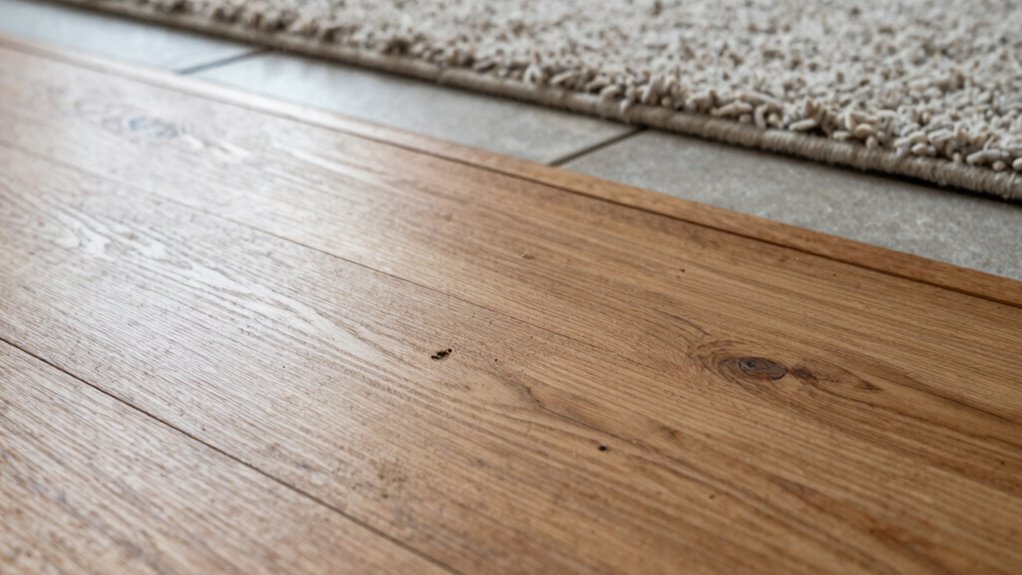
Carpeted floors are particularly vulnerable to dust mites because their fibers trap moisture and provide a perfect environment for these tiny pests to thrive. When considering flooring materials, some types are more susceptible due to their susceptibility factors. Carpets, especially plush or shaggy ones, tend to hold dust, skin flakes, and humidity, creating ideal conditions for dust mites. Conversely, smooth surfaces are less hospitable. Key factors that influence susceptibility include:
- Dense fibers that trap dust and moisture
- Low ventilation or airflow
- High humidity levels
- Porous materials that retain allergens
Additionally, the layered structure of carpets can further entrap particulates and moisture, making them even more inviting for dust mites. Regular cleaning and proper maintenance can significantly reduce these risks by removing accumulated dust and moisture. Utilizing appropriate flooring choices that are less porous and easier to clean can help minimize dust mite habitation. Understanding these susceptibility factors helps you choose floors that are less inviting to dust mites, reducing allergy triggers in your home.
Easy Ways to Reduce Dust Mites in Your Floors
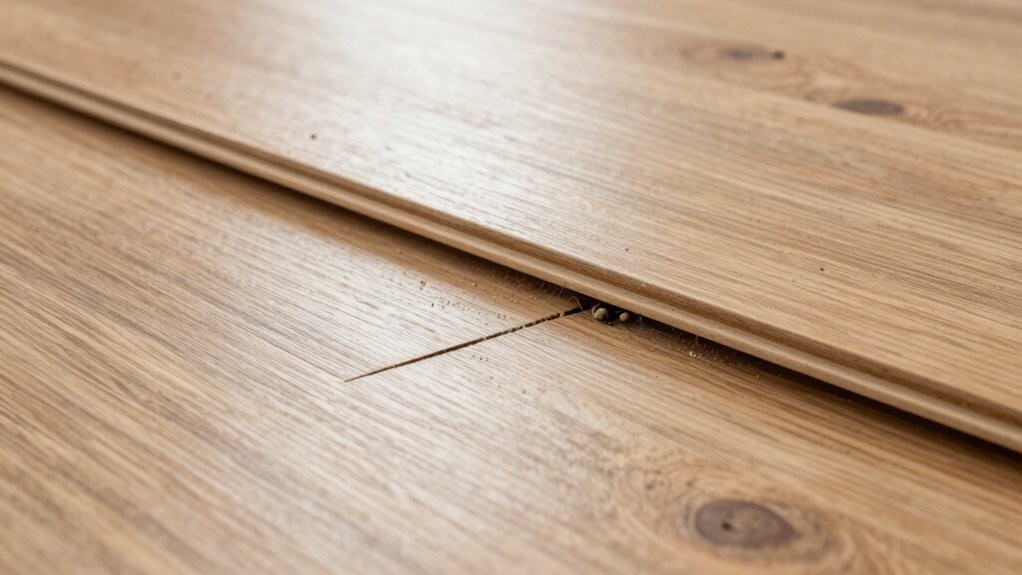
To effectively reduce dust mites in your floors, regular cleaning is essential. Understanding dust mite biology helps you target their hiding spots, as they thrive in bedding, carpets, and upholstery. Since dust mites feed on dead skin cells, frequent vacuuming with a HEPA filter can markedly cut down their population. Washing bedding and rugs weekly in hot water (at least 130°F) destroys mites and reduces allergy symptoms. Keeping humidity below 50% creates an inhospitable environment for dust mites to survive. Additionally, removing clutter and using washable rugs or mats limits dust accumulation. These simple steps disrupt dust mite habitats, helping alleviate allergy symptoms and creating a healthier living space. Consistency is key to maintaining a dust mite-resistant environment.
Cleaning Tips for Different Floor Surfaces to Keep Dust Mites Away
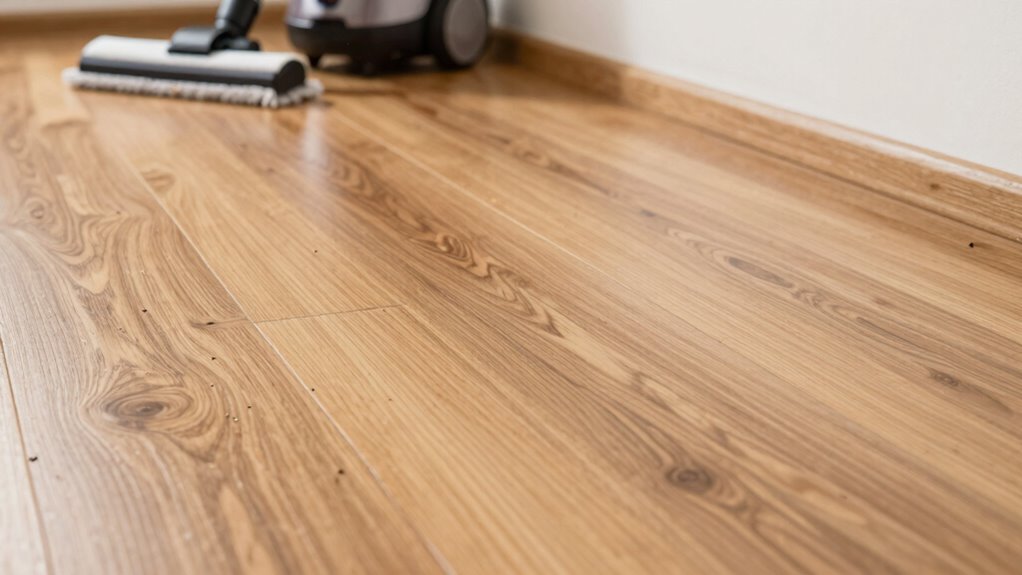
To keep dust mites at bay, you need to clean your floors regularly using the right techniques. Sweeping and vacuuming effectively remove surface dust and allergens, especially in hard-to-reach areas. Mastering ideal mopping methods ensures your floors stay dust-free and allergy-proofed.
Sweeping and Vacuuming Methods
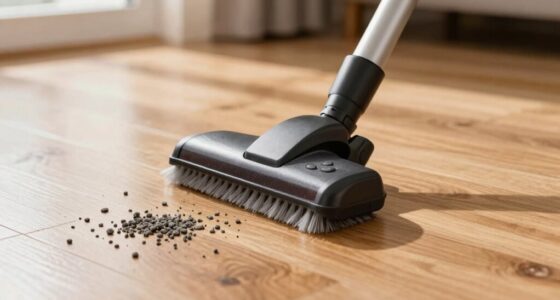
Regular sweeping and vacuuming are essential steps in allergy-proofing your floors, as they effectively remove dust mites, dead skin cells, and other allergens. To maximize effectiveness, choose the right duster selection for your surfaces and guarantee proper vacuum maintenance. For best results, consider these tips:
- Use a microfiber duster for delicate surfaces and to trap dust efficiently
- Opt for a vacuum with a HEPA filter to trap allergens and improve air quality
- Empty your vacuum bag or canister regularly to maintain suction power
- Replace or clean vacuum filters as recommended by the manufacturer
Consistently maintaining your vacuum and selecting appropriate tools help prevent dust buildup, making your home less hospitable for dust mites and allergy triggers.
Optimal Mopping Techniques
Effective mopping techniques are essential for removing residual dust mites and allergens from different floor surfaces. To achieve this, you should adjust your mopping frequency based on your floor type and household needs—more frequent mopping reduces allergen buildup. Use a damp mop rather than a soaked one to prevent excess moisture that can trap dust mites. After mopping, employ effective drying techniques such as wiping with a dry cloth or opening windows to speed up air circulation. For tile and vinyl floors, a quick rinse with clean water and thorough drying works best. Hardwood floors benefit from a damp cloth followed by a dry mop to avoid warping. Consistent, proper mopping and drying methods considerably reduce dust mite habitats and improve indoor air quality.
Using Encasements and Barriers to Protect Your Floors
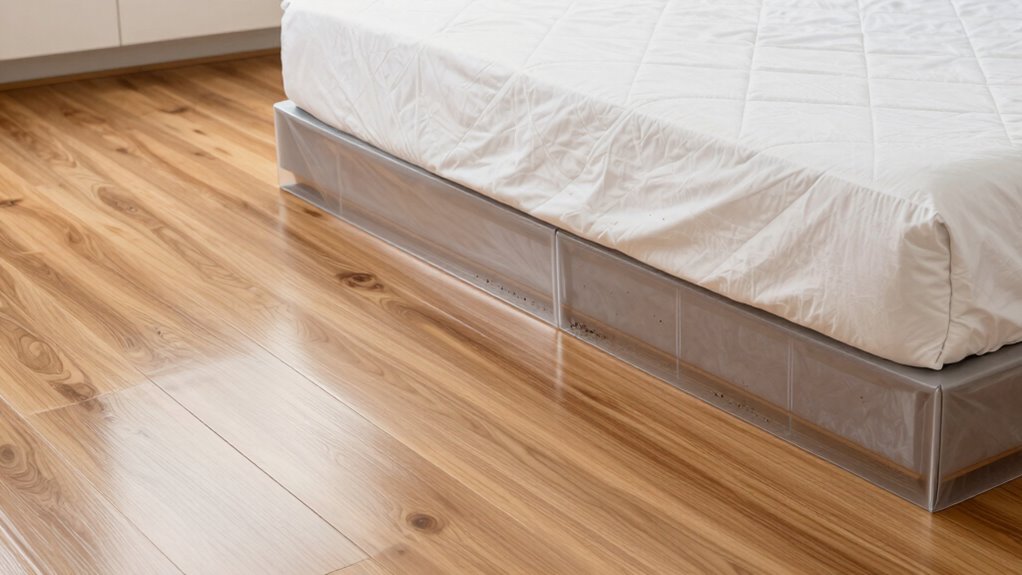
Encase your mattresses and pillows with allergen-proof covers to create a barrier that prevents dust mites, pet dander, and other irritants from settling in. To further protect your floors, consider using allergen barriers made from effective flooring materials. These barriers can block dust mites from penetrating deep into carpets and rugs. When choosing flooring, opt for smooth surfaces like hardwood, laminate, or vinyl, which are easier to clean and less likely to trap allergens. Additionally, install physical barriers such as door sweeps and seal gaps around windows and doors to keep dust from entering. Regularly inspect and replace worn or damaged encasements. These simple steps greatly reduce allergen accumulation, helping you breathe easier and minimize allergy symptoms.
Long-Term Tips to Keep Dust Mites Out of Your Home
To keep dust mites at bay over the long term, maintaining a consistent cleaning routine is essential. Understanding dust mite biology helps you target their favorite hiding spots, like carpets, bedding, and upholstery. Regular vacuuming with a HEPA filter removes dust mites and their debris, reducing allergy symptoms. Wash bedding weekly in hot water to kill mites and prevent their buildup. Keep humidity levels below 50%, because dust mites thrive in humid environments. Use allergen-proof encasements on mattresses and pillows to create a barrier. Declutter and minimize dust-collecting items, making cleaning easier. These long-term strategies disrupt dust mite habitats, lessen allergy symptoms, and create a healthier living space. Consistency and awareness are key to allergy-proofing your home effectively.
Frequently Asked Questions
Can Dust Mites Survive on Sealed or Waterproof Flooring Materials?
Yes, dust mites can survive on sealed flooring and waterproof surfaces. While sealing floors helps reduce dust mite hiding spots, it doesn’t eliminate them entirely. Dust mites cling to fibers, debris, and microscopic skin flakes, which can still accumulate on sealed or waterproof surfaces. Regular cleaning, vacuuming, and humidity control are essential to minimize dust mite presence, even on sealed floors, to better allergy-proof your living space.
Do Area Rugs Attract More Dust Mites Than Hard Floors?
Imagine stepping into a cozy living room with a plush area rug. You’ll find that, unlike hard floors, rugs attract more dust mites because dirt accumulation and foot traffic trap dust and skin cells. These create an ideal environment for mites to thrive. So, yes, area rugs tend to attract more dust mites than hard floors, making regular cleaning essential to reduce allergens and improve your indoor air quality.
Are Hardwood Floors or Carpets More Allergen-Friendly?
Hardwood floors are generally more allergen-friendly than carpets because they don’t trap dust mites, pet dander, or pollen as easily. You should maintain your vacuum regularly to guarantee it’s effective at removing allergens from both types of flooring. For added protection, consider allergy-friendly options like HEPA filters and frequent cleaning routines. This approach helps reduce dust and allergens, making your living space healthier and more comfortable.
How Often Should I Replace or Deep-Clean My Flooring?
You should replace or deep-clean your flooring every 1 to 3 years, depending on use and condition. Did you know that regular vacuuming, at least twice a week, can reduce dust mite buildup by up to 50%? Maintain a consistent cleaning schedule, including deep cleaning or replacing carpets when they become worn or stained, to keep allergens at bay. Staying proactive helps create a healthier indoor environment.
Do Pets Contribute to Dust Mite Buildup on Floors?
Yes, pets contribute to dust mite buildup on floors. Their pet dander increases allergen accumulation, creating a perfect environment for dust mites to thrive. Regularly vacuum and clean your floors to reduce pet dander and prevent allergen buildup. Using HEPA filters and washing pet bedding frequently also help minimize dust mite presence, making your home safer for allergy sufferers.
Conclusion
Did you know that dust mites thrive in about 90% of homes, especially in carpets and upholstery? By regularly cleaning your floors, using barriers, and choosing the right surfaces, you can markedly reduce their presence. Staying proactive not only minimizes allergy symptoms but also creates a healthier living space. With consistent effort, you’ll keep dust mites at bay and enjoy fresher, allergy-free floors every day.