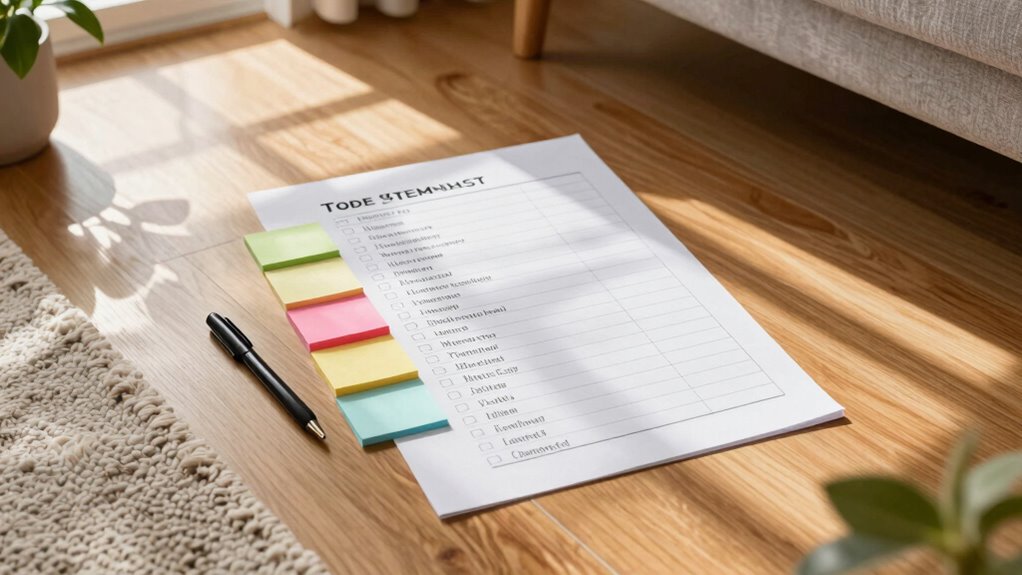

On your monthly ‘Under Everything’ day, start by gathering essential cleaning supplies like a vacuum, mop, and microfiber cloths. Walk through your space to identify hidden dirt, dust, or damages under furniture and along edges. Vacuum and sweep thoroughly before mopping with the right cleaner for your floor type. Check for cracks or scratches, and address any issues promptly. Keep your floors in top shape—continue to discover simple tips to maintain their longevity and cleanliness.
Key Takeaways
- Schedule a monthly “Under Everything” inspection to check for hidden dirt, dust, and potential damage beneath furniture and appliances.
- Clear the area and move furniture to access and thoroughly clean or inspect the floor underneath.
- Use vacuum and microfiber cloths to remove dust and debris, followed by targeted cleaning solutions for stubborn stains.
- Check for signs of damage like cracks, scratches, or loose tiles, and address issues promptly.
- Incorporate this routine into your regular cleaning schedule to maintain floor longevity and overall cleanliness.

Are you confident your floors are always clean and well-maintained? If not, setting aside a dedicated day each month for a thorough check-up can make a big difference. This “Under Everything” day isn’t just about superficial cleaning; it’s about deep cleaning, inspecting, and guaranteeing your floors stay in top shape. To make this task manageable, developing effective cleaning routines and following simple maintenance tips can streamline the process and keep your space looking its best.
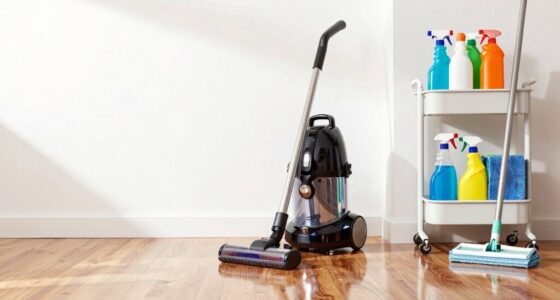
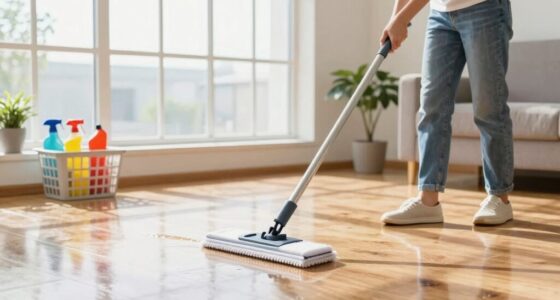
Start by gathering your cleaning supplies—mop, vacuum, microfiber cloths, cleaning solutions suited to your flooring type, and any tools needed for detailed inspection. Before you begin, take a walk around your space and note any areas that look particularly dirty or damaged. This pre-inspection helps you target your efforts and identify potential issues early, preventing small problems from becoming costly repairs. When you get to the cleaning routines, focus on both surface dirt and hidden grime. Vacuum carpets thoroughly, paying special attention to corners and under furniture, then follow up with a deep steam clean if necessary. For hard floors, sweep to remove loose debris, then mop with a suitable cleaner to lift any embedded dirt or stains. Don’t forget to clean baseboards and edges, where dust and grime tend to accumulate.
Gather cleaning supplies, inspect your space, and focus on dirt and grime for a thorough floor check-up.
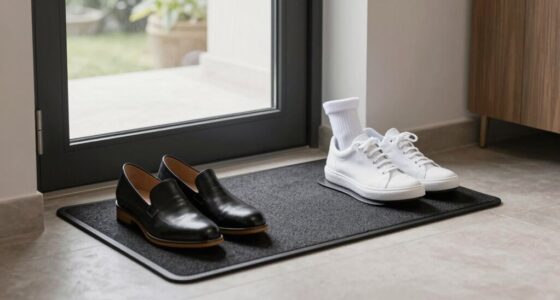
As you move through your cleaning routines, remember that maintenance tips are key to longevity. For example, placing mats at entry points can trap dirt before it reaches your floors, reducing wear and tear. Use protective pads under furniture to prevent scratches, and avoid dragging heavy objects across surfaces. Regularly check for signs of damage like cracks, scratches, or loose tiles, and address these issues promptly. If you notice stubborn stains or discoloration, consider using specialized cleaning products recommended for your floor type. Additionally, understanding Free Floating flooring can help you select the appropriate cleaning methods and avoid damage. Maintaining a routine of regular cleaning not only keeps your floors looking fresh but also extends their lifespan.
Throughout this process, it’s essential to stay consistent. Set reminders or a calendar to perform your monthly “Under Everything” check, so it becomes a habit rather than a chore. Taking these small steps ensures your floors remain clean, safe, and visually appealing. With a clear plan in place, you’ll find that this routine doesn’t take much time—just enough to catch dirt and damage early, saving you from larger problems down the line. By integrating simple maintenance tips into your cleaning routines, you’ll enjoy beautiful, durable floors that enhance your entire home environment.
Frequently Asked Questions
How Often Should I Perform the “Under Everything” Day Checklist?
You should perform the “under everything” day checklist once a month to stay on top of seasonal cleaning and guarantee safety precautions are met. Regular inspections help prevent dust buildup, pests, and potential hazards. Make it a routine, and you’ll keep your space safe and clean. Set a specific day, like the first weekend of each month, and stick to it to maintain consistent cleanliness and safety.
What Tools or Supplies Are Needed for the Floor Check?
Think of your floor check as a detective’s toolkit. You’ll need a sturdy flashlight to spot hidden dust, a microfiber cloth for gentle cleaning, and a screwdriver for loose screws. Don’t forget a vacuum for thorough cleaning, a small pry bar for stubborn items, and gloves to protect your hands. These tool essentials make flooring maintenance easier, helping you catch issues early and keep your floors looking fresh and flawless.
Can I Customize the Checklist for Different Types of Flooring?
Yes, you can personalize the checklist for different flooring materials by adding specific inspection points suited to each type. For example, hardwood may require checking for scratches, while tile needs grout assessments. Customization options allow you to tailor your checklist to ensure you cover all important aspects for each flooring material, making your monthly inspection more effective and relevant to your home’s unique flooring needs.
How Do I Handle Unexpected Issues Found During the Inspection?
When you find unexpected issues during your inspection, handle them promptly by evaluating the damage and prioritizing repairs. For damage repair, document the problem and schedule necessary fixes to prevent further deterioration. If pests are present, take immediate pest prevention measures, such as sealing entry points or applying treatments. Addressing issues quickly keeps your flooring in good shape, saving you time and money in the long run.
Is This Routine Suitable for Homes With Pets or Children?
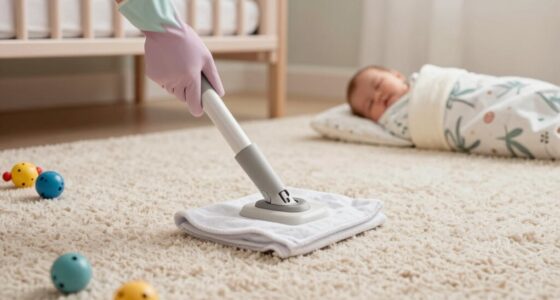
Yes, this routine is suitable for homes with pets or children if you incorporate pet safety and child-proofing considerations. You’ll want to check for small objects, sharp edges, and toxic substances that could harm little ones or animals. Regularly inspecting and adjusting your checklist guarantees your environment stays safe, reducing risks and creating a secure space for everyone. This proactive approach helps keep your home both clean and safe for your loved ones.
Conclusion
By following this simple monthly floor checklist, you keep your space clean, safe, and inviting. Regular maintenance prevents costly repairs and extends the life of your flooring. Did you know that neglecting floor care can reduce its lifespan by up to 50%? Staying consistent with these basic steps guarantees your floors stay fresh and durable. Make it a habit—you’ll enjoy a healthier, more comfortable home with minimal effort each month.