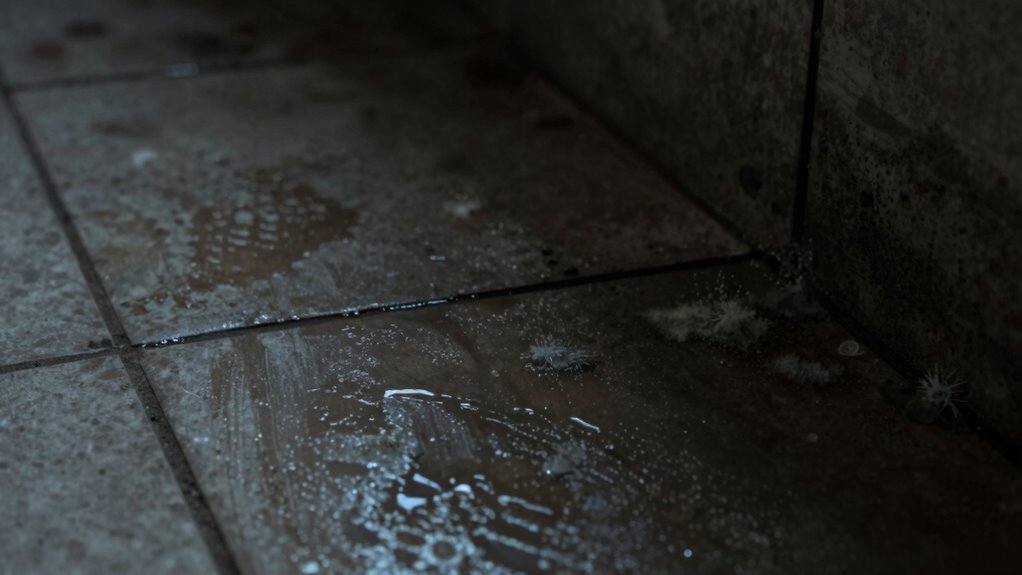

Mildew smell after mopping often persists because moisture hides in places you might not see, like behind appliances, in crevices, under furniture, or in porous materials like wood and drywall. Tiny cracks and hidden corners trap dampness, supporting mold growth that causes odors. To truly dry your space and eliminate the smell, you’ll want to learn effective detection and drying techniques—if you keep going, you’ll discover how to prevent this from happening again.
Key Takeaways
- Moisture can be trapped in tiny cracks, porous surfaces, and hidden corners, promoting mold growth and mildew odors.
- Hidden areas like behind furniture, appliances, under rugs, and along baseboards often retain dampness post-mopping.
- Moisture remains undetected in crevices, grooved surfaces, and beneath fixtures, fueling mold spores’ growth.
- Poor ventilation prevents drying, allowing damp environments to foster mildew and persistent smells.
- Using moisture meters and thorough inspections helps identify concealed dampness contributing to mildew odors.
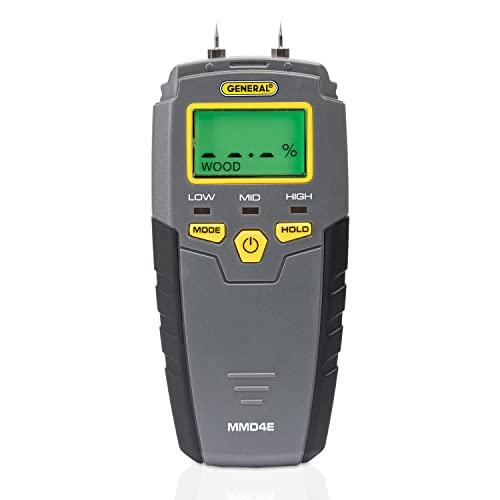
General Tools MMD4E Digital Moisture Meter, Water Leak Detector, Moisture Tester, Pin Type, Backlit LCD Display With Audible and Visual High-Medium-Low Moisture Content Alerts, Grays
HUMIDITY SENSOR: Our handy meter tool can quickly determine what level of remediation is needed to keep your…
As an affiliate, we earn on qualifying purchases.
As an affiliate, we earn on qualifying purchases.
Why Does Mildew Smell Linger After Mopping?
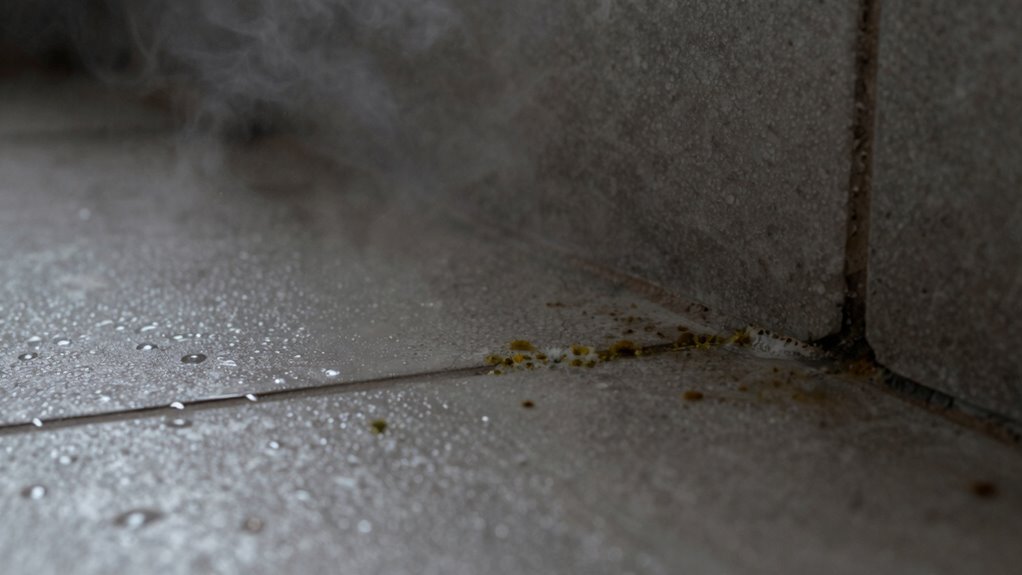
Mildew smell often lingers after mopping because mold spores and bacteria thrive in damp environments left behind on floors. When you mop, moisture absorption occurs, trapping water in tiny cracks and porous surfaces. This residual moisture creates an ideal environment for mold spores to settle and multiply. Even if the surface looks dry, unseen water can remain, providing ongoing hydration for mold growth. As mold spores feed on organic materials or dust, they release foul odors that persist long after cleaning. Your efforts to sanitize may remove surface dirt but won’t necessarily eliminate the moisture that sustains these spores. This lingering dampness is the primary reason why mildew smells continue to emanate from your floors. Additionally, proper drying techniques can help prevent mold growth and eliminate lingering odors, as thorough drying removes the moisture buildup that promotes mold development. Implementing smart home moisture sensors can also help monitor humidity levels and alert you to excessive dampness, further reducing the risk of persistent mildew odors. Using dehumidifiers and ventilation during and after cleaning can significantly speed up moisture evaporation and inhibit mold growth in your home.

ERICKHILL Pinless Wood Moisture Meter, Non-Destructive Wall Moisture Meter for Drywall Masonry Building Material Dampness Inspection Mold Detector Device, Detects up to 2-inch Below Surface
【𝐍𝐨𝐧-𝐝𝐞𝐬𝐭𝐫𝐮𝐜𝐭𝐢𝐯𝐞 𝐓𝐞𝐬𝐭】ERICKHILL Moisture Meter adapts non-invasive and inductive methods to measure moisture. 𝑷𝒓𝒐𝒕𝒆𝒄𝒕 𝒚𝒐𝒖𝒓 𝒉𝒐𝒎𝒆 𝒇𝒓𝒐𝒎 𝒘𝒂𝒕𝒆𝒓 𝒅𝒂𝒎𝒂𝒈𝒆…
As an affiliate, we earn on qualifying purchases.
As an affiliate, we earn on qualifying purchases.
Where Does Moisture Hide After Cleaning?
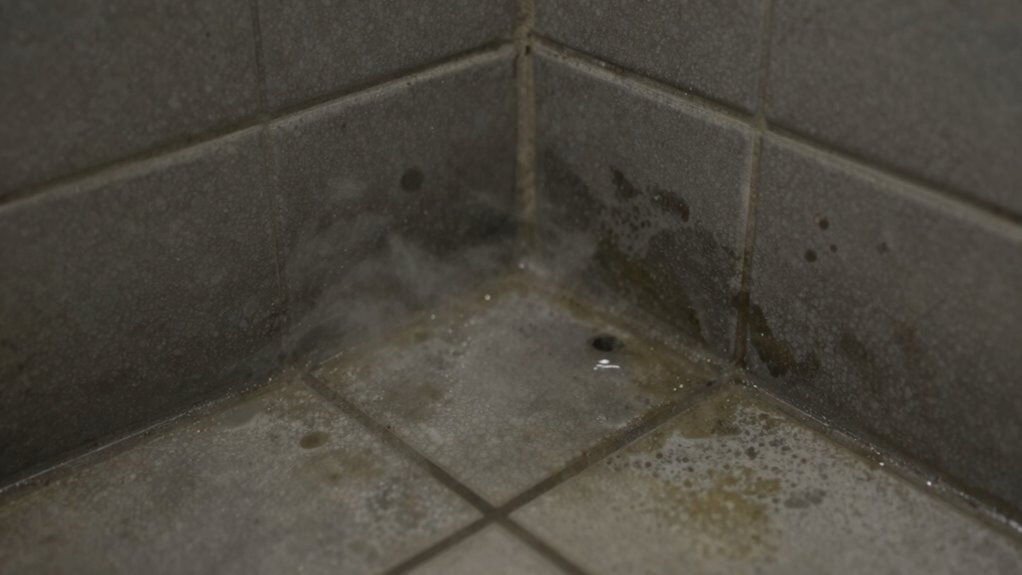
Moisture often lingers in hidden corners and along edges where your cleaning tools might miss. It can also hide beneath furniture and rugs, creating damp spots that promote mold growth. To prevent a persistent mildew smell, you need to identify and dry these overlooked areas thoroughly. Additionally, proper ventilation helps reduce excess moisture and discourages mold development. Ensuring proper air circulation is essential for drying out moisture that tends to hide in less obvious spots. Incorporating dehumidifiers into your cleaning routine can further help reduce residual moisture and prevent mildew buildup. Using moisture sensors can also alert you to hidden dampness that isn’t immediately visible. Employing moisture control techniques supports maintaining a dry, healthy indoor environment.
Hidden Corners And Edges
Even after you finish mopping, some areas can still trap dampness, especially in hidden corners and along edges. These spots often escape regular cleaning, allowing moisture to linger. Hidden corners behind cabinets or appliances and along baseboards are prime locations where moisture hides. Proper edge cleaning is essential to prevent mold growth and mildew smell. To guarantee these areas dry completely, pay close attention to:
- Corners where walls meet floors
- Behind furniture and appliances
- Along baseboards and moldings
- Inside tight crevices and grooves
Using a smaller brush or cloth helps reach these tricky spots. Remember, thorough edge cleaning and paying attention to hidden corners are key to avoiding lingering dampness and odors after mopping. Additionally, understanding moisture retention patterns can help you identify areas most prone to developing musty smells, especially in hard-to-reach spots where moisture tends to get trapped. Recognizing how moisture absorption varies across different surfaces can further improve your cleaning strategy. Being aware of moisture absorption rates can help you select appropriate cleaning tools and drying methods for different materials. Keeping an eye on moisture levels during your cleaning routine can also prevent future issues with dampness and odors.
Underneath Furniture And Rugs
After you finish mopping, water can easily seep into spaces beneath furniture and rugs, where it’s hard to see or reach. These hidden areas often trap moisture, leading to furniture moisture buildup and rug dampness. If you don’t lift furniture or move rugs regularly, this trapped moisture can linger, creating a perfect environment for mildew and mold to develop. Check underneath couches, beds, and heavy tables, and lift rugs to inspect the underside. Even small amounts of water can promote dampness that’s hard to detect but damaging over time. To prevent a mildew smell, ensure these areas dry thoroughly. Ventilate the space, use fans, and consider moisture absorbers to keep these hidden spots dry and free of excess moisture. Incorporating energy-efficient drying methods can help speed up the process and reduce energy consumption during drying. Being aware of hidden moisture and how it accumulates can help you better manage moisture and prevent mildew growth in your home. Additionally, understanding plant properties can inform the best practices for drying and moisture management in various environments. Using air circulation techniques can further enhance drying efficiency in these concealed areas.

2500 Sq.Ft Dehumidifier for Basement with Drain Hose Max 34 Pints, VEAGASO Dehumidifiers for Home, Large Room, Bathroom, Bedroom, Three Modes, Intelligent Humidity Control, Dry Clothes, 24HR Timer
Three Smart Modes Dehumidifiers – Our dehumidifier for basements come with 3 smart modes that make choosing between…
As an affiliate, we earn on qualifying purchases.
As an affiliate, we earn on qualifying purchases.
How Do Porous Materials Trap Moisture and Mold?
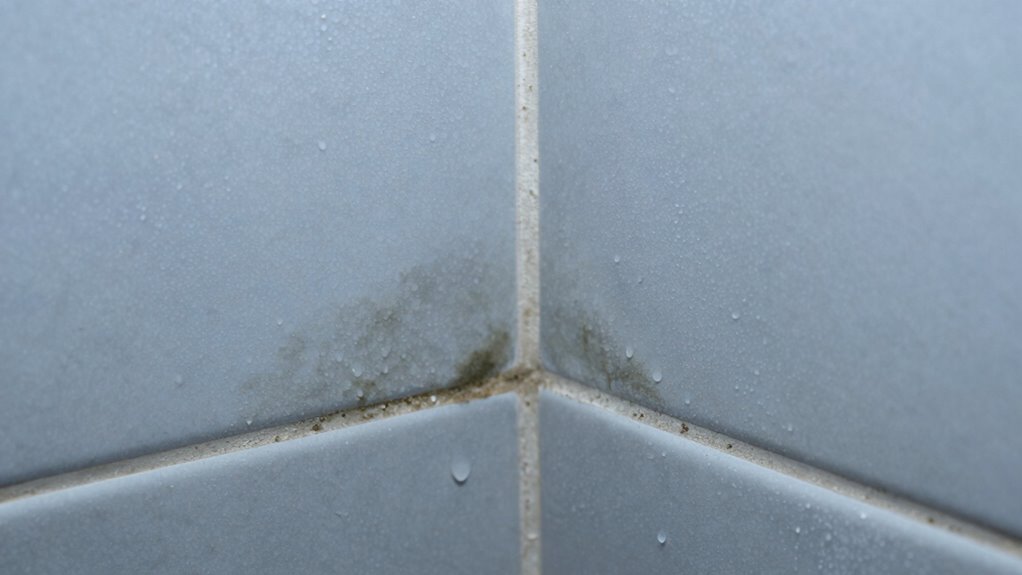
Porous materials naturally absorb and hold moisture because of their tiny spaces and open structures. When you mop, these surfaces—like wood, drywall, or fabric—allow moisture to seep in easily. Their structure traps moisture absorption, which creates an ideal environment for mold growth. This is why mold can hide inside porous surfaces long after cleaning. To understand how they trap moisture and mold, consider:
- Tiny pores in the material trap water molecules
- Open structures prevent moisture from escaping quickly
- Moisture encourages mold spores to settle and grow
- Humidity can linger within porous surfaces, worsening the problem
- The porous nature of these materials makes thorough drying essential to prevent mold development and understanding material properties is key to effective cleaning and maintenance. Recognizing porous surfaces helps in implementing better drying techniques and mold prevention strategies. Additionally, moisture retention within these materials can lead to prolonged mold issues if not properly addressed. Effective drying methods are crucial for minimizing residual moisture and preventing mold growth in porous materials. Proper ventilation and dehumidification are also important components of mold prevention in these environments.

Lumkew 40Pcs Disposable Crevice Cleaning Brushes for Small Spaces, Detail Gaps Scrub Cleaner Brush Set for Toilet Bowl Corner, Household Cleaning Tool Supplies for Window Track, Door Grooves, Vent Fan
Reaching Narrow Corners: One of the big tough problems with cleaning toilets is getting into all the toilet's…
As an affiliate, we earn on qualifying purchases.
As an affiliate, we earn on qualifying purchases.
How Can I Detect Hidden Moisture Behind Appliances?
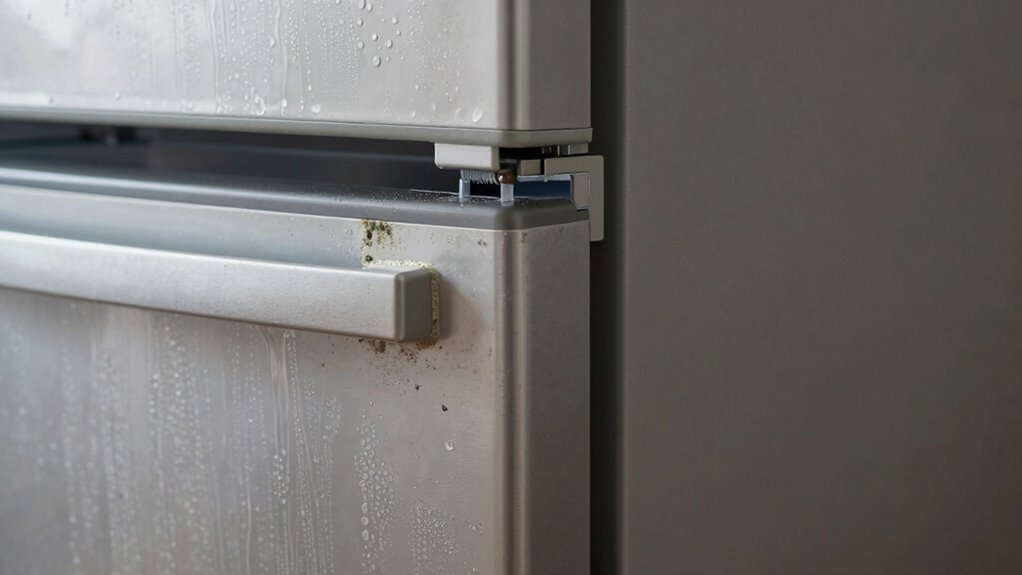
Moisture can hide behind appliances like refrigerators, washing machines, or dishwashers, creating conditions perfect for mold growth. To detect hidden moisture, perform a thorough appliance inspection. Start by checking for any visible leaks, drips, or water stains around the appliance’s base and behind panels. Use a moisture meter to perform moisture detection; these devices quickly identify areas with elevated humidity levels. Feel for dampness around seals, hoses, and connections. If you notice a musty smell or see signs of mold, investigate further. Power off the appliance before inspecting behind it to avoid electrical hazards. Regular appliance inspections help you catch hidden moisture early, preventing mold growth and maintaining a healthier environment.
How Do Humidity and Ventilation Affect Mildew Growth?
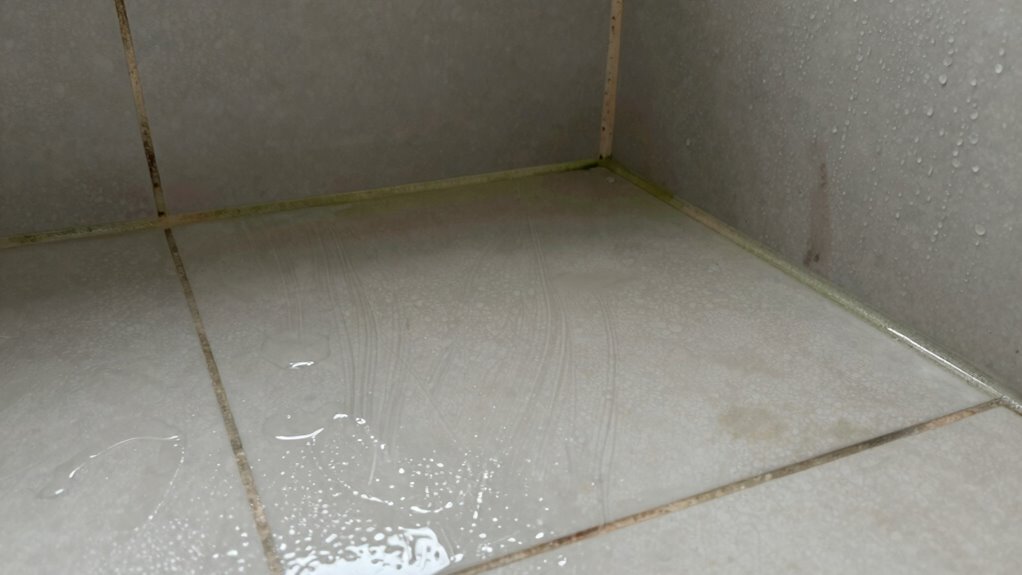
High humidity levels and poor ventilation create ideal conditions for mildew to thrive. When moisture stays trapped, mildew spores flourish, leading to persistent smells. To prevent this, focus on humidity control and airflow improvement. Enhancing ventilation helps dry surfaces faster and reduces dampness that mildew needs. You can do this by:
- Opening windows regularly to increase airflow
- Using exhaust fans in high-moisture areas
- Running dehumidifiers to lower humidity levels
- Ensuring vents aren’t blocked or clogged
These steps keep moisture levels in check and promote proper drying. Proper humidity control prevents mold from settling in hidden spots, while airflow improvement makes sure damp air escapes. Keeping these factors in balance is key to avoiding mildew growth and its associated smell after mopping.
What Are the Best Ways to Dry Floors and Surfaces Thoroughly?
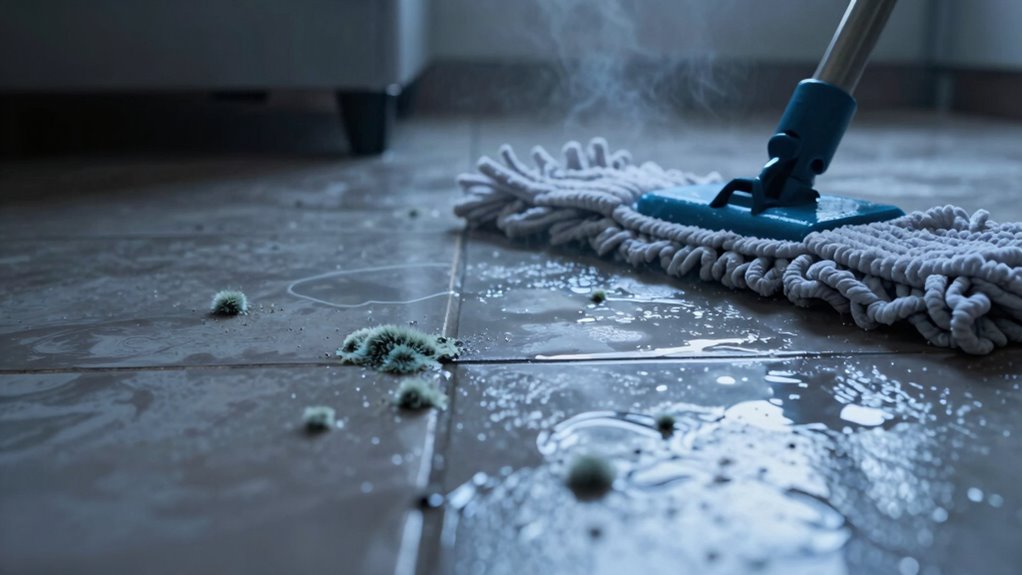
To effectively prevent mildew smells after mopping, it’s essential to dry floors and surfaces thoroughly. Using a dehumidifier benefits you by reducing excess moisture, speeding up the drying process, and lowering humidity levels that foster mold growth. After mopping, wipe surfaces with a clean, dry cloth or squeegee to remove excess water. Consider applying mold resistant coatings to vulnerable areas, which create a protective barrier against moisture and mold. Good air circulation also helps dry surfaces faster; open windows or use fans to promote airflow. For hard-to-dry spots, a microfiber mop or absorbent towels can be useful. Combining these methods ensures moisture is eliminated quickly, reducing the risk of mildew development and unpleasant odors.
How Can I Remove Mildew Odors Permanently?
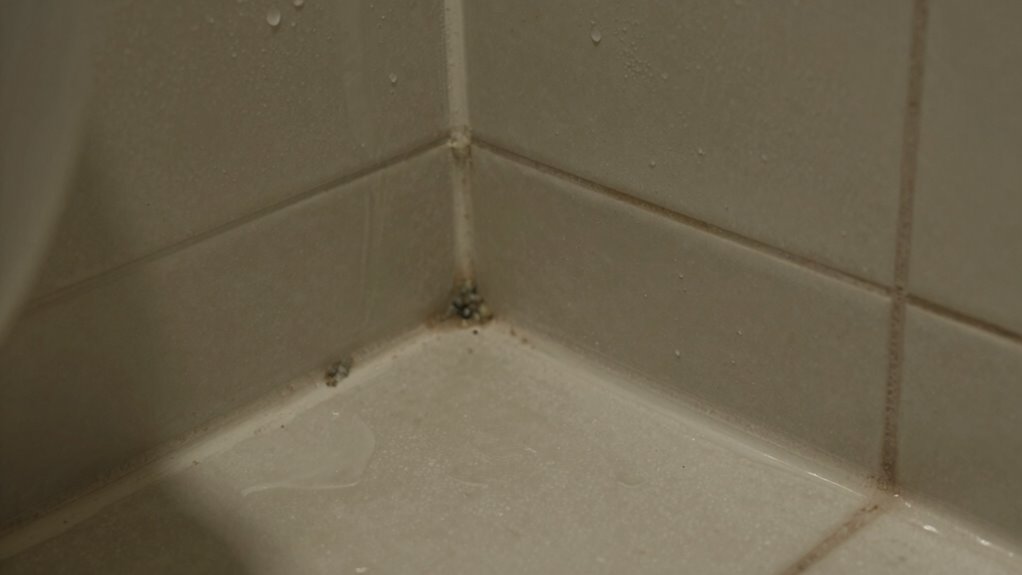
To get rid of mildew odors permanently, you need to improve your ventilation and keep the air moving. Using natural deodorizers like baking soda or vinegar can also help neutralize smells over time. Regular cleaning practices prevent mold buildup and keep your space fresh long-term.
Improve Ventilation Techniques
Improving ventilation is essential for permanently removing mildew odors after mopping. Proper airflow helps dry out damp areas and prevents mold growth. Start by optimizing airflow through window ventilation; open windows regularly to create cross-breezes that expel moisture. You can also:
- Use fans to increase indoor airflow
- Keep vents clear and unobstructed
- Install exhaust fans in high-moisture areas
- Maintain consistent airflow to dry surfaces quickly
These techniques reduce lingering moisture, discouraging mildew buildup. Focus on maximizing natural ventilation whenever possible, especially after mopping. By enhancing airflow, you eliminate the damp environment that mildew thrives in, leading to fresher air and a healthier space. Proper ventilation is a simple, effective step to ensure odors don’t return.
Use Natural Deodorizers
Natural deodorizers are an effective way to eliminate mildew odors without relying on harsh chemicals. You can use essential oils like tea tree, lavender, or eucalyptus, which have natural antifungal properties and leave a fresh scent. Add a few drops of your chosen oil to a spray bottle filled with water and spray it onto affected areas after mopping. Baking soda is another powerful deodorizer; sprinkle it on carpets, rugs, or upholstery to absorb moisture and neutralize odors. Let it sit for 15-30 minutes before vacuuming or sweeping away. Combining essential oils with baking soda enhances odor elimination and keeps your space smelling clean. These natural solutions are safe, affordable, and eco-friendly, making them excellent choices for permanent mildew odor removal.
Regular Cleaning Practices
Maintaining a consistent cleaning routine is the best way to prevent mildew odors from lingering long-term. Establishing regular cleaning schedules helps you stay ahead of moisture buildup and mold growth. Use surface disinfectants routinely on high-touch areas and damp surfaces to kill bacteria and mold spores. Focus on drying surfaces thoroughly after cleaning or mopping to eliminate residual moisture. Incorporate the following practices:
- Schedule weekly deep cleanings to remove hidden mold
- Use effective surface disinfectants for all damp areas
- Dry surfaces completely after cleaning
- Check for leaks or persistent moisture issues regularly
How Do I Prevent Future Moisture and Mildew Problems?
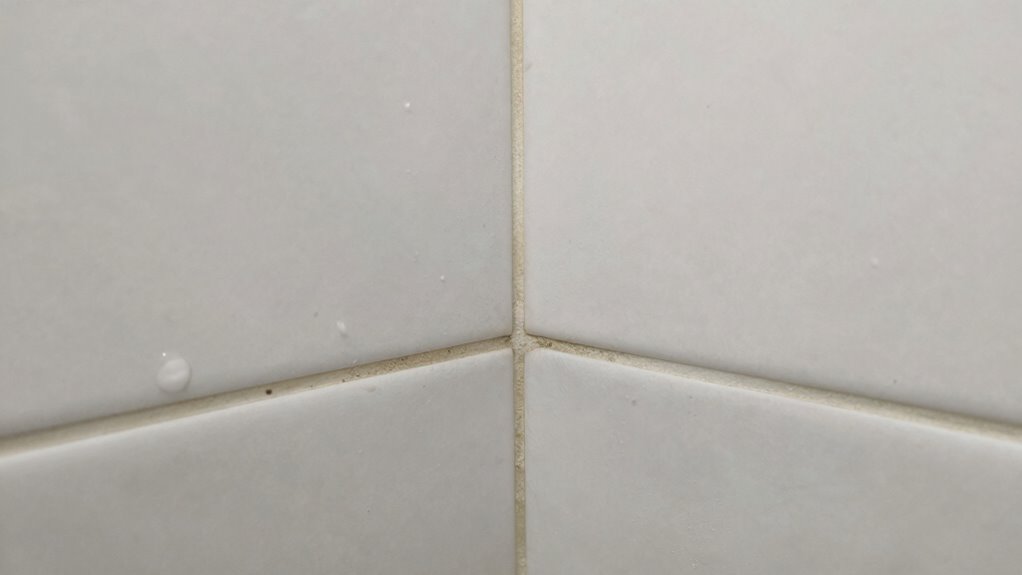
To prevent future moisture and mildew problems, it’s essential to control the humidity levels in your home and make certain of proper ventilation. Implement effective ventilation strategies, such as opening windows, using exhaust fans, or installing vents in high-moisture areas like bathrooms and kitchens. These methods help air circulate and reduce moisture buildup. Additionally, consider dehumidifier options suited to your space; a good dehumidifier can maintain ideal humidity levels, preventing excess moisture from lurking. Regularly monitor humidity with a hygrometer to keep it below 60%. Keep surfaces dry after cleaning or spills, and avoid leaving damp items in enclosed spaces. By managing humidity and airflow, you considerably reduce the chance of mildew formation and keep your home fresh.
When Should I Call a Professional for Mold and Mildew?
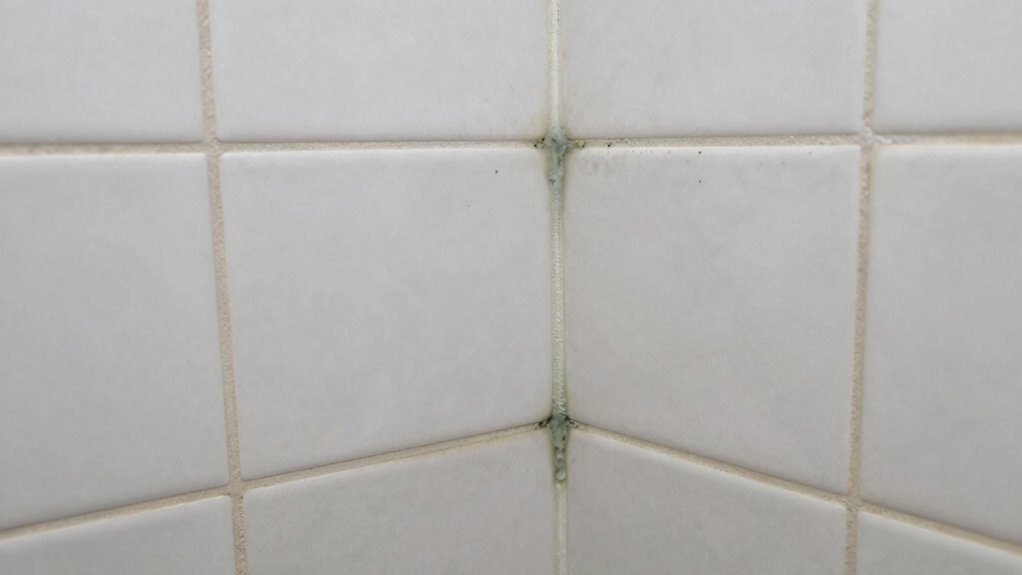
While controlling humidity and improving ventilation can prevent many issues, there are times when mold and mildew problems go beyond what DIY measures can handle. If you notice persistent mold smells, visible growth, or suspect hidden mold behind walls, it’s time to call a professional for mold remediation. A professional assessment guarantees thorough detection and safe removal, preventing health risks. Consider calling experts if:
- The mold covers a large area (more than 10 square feet)
- Mold keeps returning despite cleaning efforts
- You experience health symptoms like allergies or respiratory issues
- You see mold growth in hard-to-reach spots or behind furniture
Don’t delay professional help if these signs appear. Proper mold remediation protects your home and health, making a professional assessment essential when problems escalate.
Frequently Asked Questions
Can Air Purifiers Eliminate Mildew Smells Caused by Hidden Moisture?
Yes, air purifiers can help eliminate mildew smells caused by hidden moisture. Their effectiveness depends on the type of purifier and filters used, such as HEPA or activated carbon filters, which target mold spores and odors. While air purifiers improve air quality by reducing airborne mold particles, they don’t directly eliminate moisture. To fully address the smell, you should also focus on moisture elimination by drying out hidden damp areas.
Are Certain Cleaning Products More Effective Against Persistent Mildew Odors?
Ever wondered if some cleaning products really fight persistent mildew odors? You’ll find that effective cleaners with antimicrobial properties are more successful. Odor eliminators containing enzymes or activated charcoal also work wonders. These products target mold spores and absorb lingering smells, making your space fresher. So, yes—certain cleaners and odor eliminators are more effective against stubborn mildew odors, especially when used correctly and combined with proper ventilation.
How Long Does It Typically Take for Mold to Develop After Mopping?
Mold can start developing within 24 to 48 hours after mopping if moisture stays trapped. The mold timeline depends on moisture duration; the longer the area remains damp, the faster mold forms. To prevent this, guarantee you dry the surface thoroughly after mopping. Keep an eye out for any persistent dampness or musty smell, which indicate mold growth is already underway and immediate action is needed.
What Signs Indicate Hidden Mold Behind Walls or Under Flooring?
Think of your walls or floors as silent sentinels hiding secrets. If you notice persistent dampness, discoloration, or peeling paint, these are clues pointing to hidden mold. Moisture signs like warped surfaces or a musty smell also signal trouble beneath. Keep an eye out for these subtle indicators, as they reveal the presence of hidden mold lurking behind walls or under flooring, waiting to cause damage.
Does Using Dehumidifiers Prevent Mildew Growth After Cleaning?
Using dehumidifiers helps prevent mildew growth after cleaning by controlling humidity levels and reducing moisture. You should also implement good ventilation strategies, like opening windows or using exhaust fans, to keep air circulating and moisture at bay. Maintaining low humidity and proper airflow makes it harder for mildew to develop, ensuring your space stays fresh and mold-free after mopping.
Conclusion
Think of hidden moisture as a sneaky thief hiding behind your appliances; it’s easy to overlook but can cause lasting damage. By staying vigilant, thoroughly drying surfaces, and addressing humidity, you can keep mildew at bay. Don’t let dampness sneak in like an uninvited guest—tackle it head-on. With consistent care and prompt action, you’ll create a dry, fresh space where mold and mildew have no place to hide.