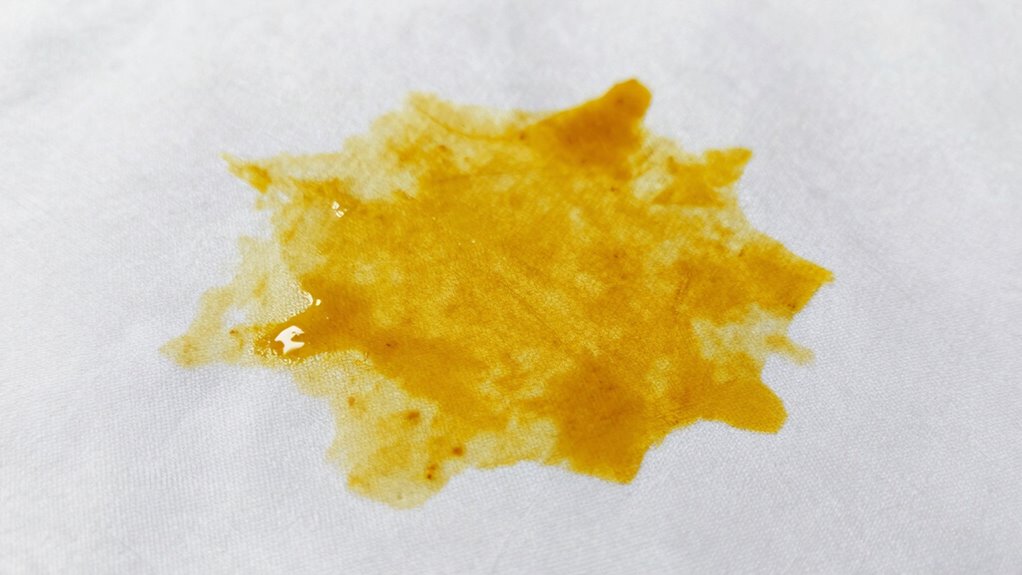
Act quickly when you notice a curry stain to prevent the yellow pigment from setting. Start by applying a fabric pre-treatment directly on the stain, gently working it in and letting it sit for at least 10 minutes. Rinse thoroughly with cold water from the backside, then treat with a stain remover or a mixture of dish soap and white vinegar. Wash in cold water and check if the stain disappears—if not, more tips will help you succeed.
Listen free for 30 days with Audible
Thousands of audiobooks and originals — cancel anytime.
As an affiliate, we earn on qualifying purchases.
Key Takeaways
- Act quickly with a fabric pre-treatment to break down curry pigments before washing.
- Rinse stained area thoroughly with cold water from behind to prevent setting the stain.
- Use a stain remover or a mixture of dish soap and white vinegar to loosen stubborn curry stains.
- For persistent stains, soak fabric in oxygen-based bleach or a commercial stain remover following instructions.
- Wash in cold water, check stain removal before drying, and avoid hot water to prevent setting the pigment.
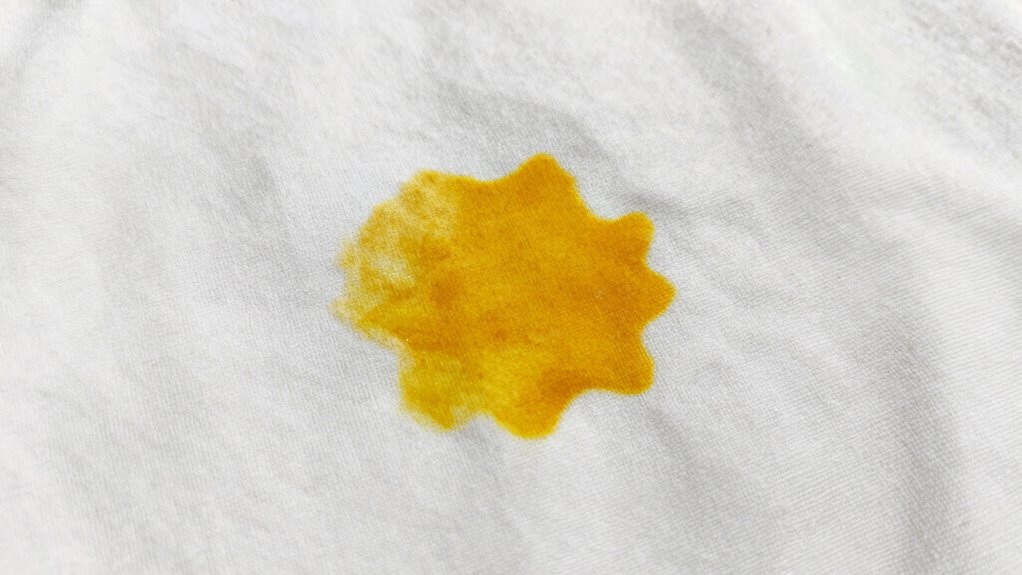
Curry stains can be stubborn, but acting quickly makes them easier to remove. When you notice a fresh stain on your clothing or fabric, the first step is to treat it promptly. Using a fabric pre-treatment product is often the most effective way to loosen the pigment and prevent the stain from setting. Apply a small amount of the pre-treatment directly onto the affected area, making sure to cover the entire stain. Gently work it into the fabric with your fingers or a soft brush, then let it sit for at least 10 minutes. This initial step is vital because it helps break down the yellow pigment from the curry, making subsequent stain removal techniques more effective. Proper stain removal techniques and timely action are essential to prevent permanent discoloration.
Once you’ve pre-treated the stain, you should focus on the proper stain removal techniques. Cold water is your best friend here, as hot water can lock in the stain, making it more difficult to remove. Rinse the fabric thoroughly under cold running water from the backside of the stain, which helps push the pigment out of the fibers rather than driving it further in. If the stain persists after rinsing, consider applying a stain remover or a mixture of equal parts dish soap and white vinegar directly onto the area. Let it sit for 10 to 15 minutes before washing. The vinegar’s acidity helps break down the pigment, and dish soap helps lift greasy residues often associated with curry.
For stubborn stains, you may need to repeat these steps or try additional stain removal techniques. Some people find that soaking the fabric in a solution of oxygen-based bleach or a commercial stain remover designed for protein and pigment stains can greatly improve results. Always follow the manufacturer’s instructions and test on a small, inconspicuous area first to prevent fabric damage.
After treating the stain, wash the fabric in cold water with your regular laundry detergent. Avoid using hot water until you’re sure the stain is gone, as heat can set any remaining pigment. Check the fabric before drying; if the stain persists, repeat the pre-treatment and washing process. Drying the fabric with a curry stain still visible risks setting the yellow pigment permanently. Patience and promptness are your best allies in removing curry stains effectively. By combining fabric pre-treatment with proven stain removal techniques, you stand a good chance of restoring your fabric to its original state without any unsightly discoloration.
fabric stain remover for curry stains
As an affiliate, we earn on qualifying purchases.
As an affiliate, we earn on qualifying purchases.
Frequently Asked Questions
Can Curry Stains Be Removed From Delicate or Vintage Fabrics?
Yes, curry stains can be removed from delicate or vintage fabrics if you use gentle fabric care. Act quickly to prevent the stain from setting, and avoid harsh scrubbing. Use mild detergents and cold water, and test any stain prevention methods on a hidden area first. Patience is key—treat stains promptly and carefully to preserve your fabrics’ integrity and prevent damage.
How Long Should I Wait Before Treating a Fresh Curry Stain?
In the grand scheme of stain removal, timing is everything, much like a well-timed telegram. You should treat a fresh curry stain as soon as possible, ideally within the first 15 minutes. Waiting too long allows the stain to set, making removal more difficult. Act quickly to prevent the stain from becoming entrenched, and use cold water to rinse and loosen the pigment before applying any stain remover.
Are There Any Natural Remedies for Removing Curry Stains?
Yes, you can try herbal solutions and home remedies to remove curry stains. Mix equal parts of lemon juice and baking soda to create a paste, then gently apply it to the stain. Alternatively, use a mixture of vinegar and water or apply turmeric-free herbal teas as natural stain removers. These remedies are eco-friendly and effective, helping lift the yellow pigment without harsh chemicals.
Does Repeated Washing Damage the Fabric or Stain Removal?
Repeated washing can damage your fabric and make stain persistence worse, so don’t fall into the trap of endless scrub cycles. Each wash wears down fibers, risking fraying and weakening, while stubborn curry stains might just become more ingrained. Instead, treat the stain carefully with proper stain removers before washing. Otherwise, you’ll end up with a faded, frayed mess, mourning your once-pristine garment.
Can Professional Cleaning Methods Effectively Eliminate Stubborn Curry Stains?
Yes, professional cleaning can effectively eliminate stubborn curry stains. They use advanced stain removal techniques that penetrate deep into fibers, breaking down the yellow pigments caused by turmeric and spices. By applying specialized cleaning solutions and equipment, they often succeed where home methods fail. Trusting professionals guarantees thorough stain removal without damaging your fabric, restoring your garment’s appearance and prolonging its lifespan.
oxygen-based bleach for fabric stains
As an affiliate, we earn on qualifying purchases.
As an affiliate, we earn on qualifying purchases.
Conclusion
Remember, even the stubbornest curry stains don’t have to define your day. Like a painter wiping away a misplaced brushstroke, you have the power to restore your fabrics and move forward. Every stain is a reminder that life’s messes are temporary, and with patience and the right approach, you can turn chaos back into clarity. So, stay calm, act wisely, and let your resilience be the true stain remover.
As an affiliate, we earn on qualifying purchases.
pre-treatment stain remover for clothing
As an affiliate, we earn on qualifying purchases.
As an affiliate, we earn on qualifying purchases.
Fall Picks
fall essentials
As an affiliate, we earn on qualifying purchases.