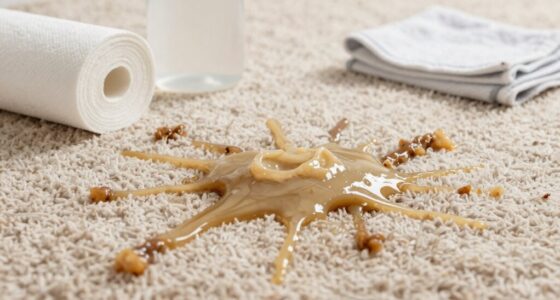
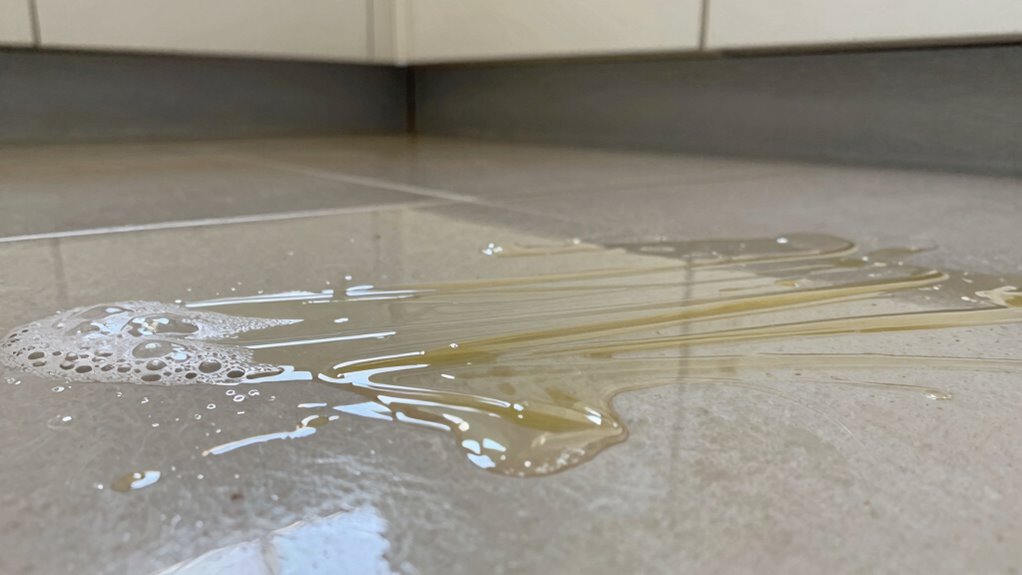

Soap alone fails to remove heavy kitchen grease because it can’t fully break down the tough, sticky bonds that grease forms with surfaces. Grease is resistant to simple water and soap because of its chemical structure, especially when it’s built up over time. Hot water and stronger degreasers are often needed to melt and dissolve stubborn fats. Keep exploring to discover effective techniques for tackling even the toughest kitchen grease issues.
Key Takeaways
- Soap molecules struggle to fully dissolve heavy, sticky grease layers, leaving residues behind.
- Soap’s surfactants are often insufficient to break down the strong chemical bonds in thick kitchen grease.
- Heavy grease forms a stubborn film that traps dirt, which soap alone cannot effectively loosen or remove.
- Cold or lukewarm water with soap fails to melt fats, reducing cleaning power against stubborn grease.
- Over-reliance on soap can trap grease, making floors dirtier and requiring additional cleaning agents.
Why Heavy Kitchen Grease Is Hard to Remove

Heavy kitchen grease is tough to remove because it forms a stubborn, sticky layer that bonds tightly to surfaces. Over time, grease buildup thickens and becomes more difficult to clean. Soap alone has limitations because it struggles to break down the greasy film effectively. While soap can handle minor splatters, thick grease clings stubbornly, resisting regular cleaning methods. The sticky residue causes surfaces to remain slippery and greasy even after washing. This is because soap’s molecules are not always strong enough to dissolve the oils completely, especially when grease has been allowed to accumulate over time. As a result, relying solely on soap leaves behind a greasy film, making thorough cleaning more challenging. Understanding the chemical properties of cleaning agents can help in selecting the most effective method for grease removal. Effective cleaning techniques often involve using degreasers or hot water to better break down the oils. Additionally, employing proper cleaning tools like scrub brushes or microfiber cloths can improve grease removal efficiency. Recognizing the importance of proper cleaning agents can further enhance your cleaning effectiveness and reduce effort. Furthermore, incorporating natural remedies such as vinegar or baking soda can assist in breaking down stubborn grease residues.
What’s So Tough About Grease and How It Resists Soap
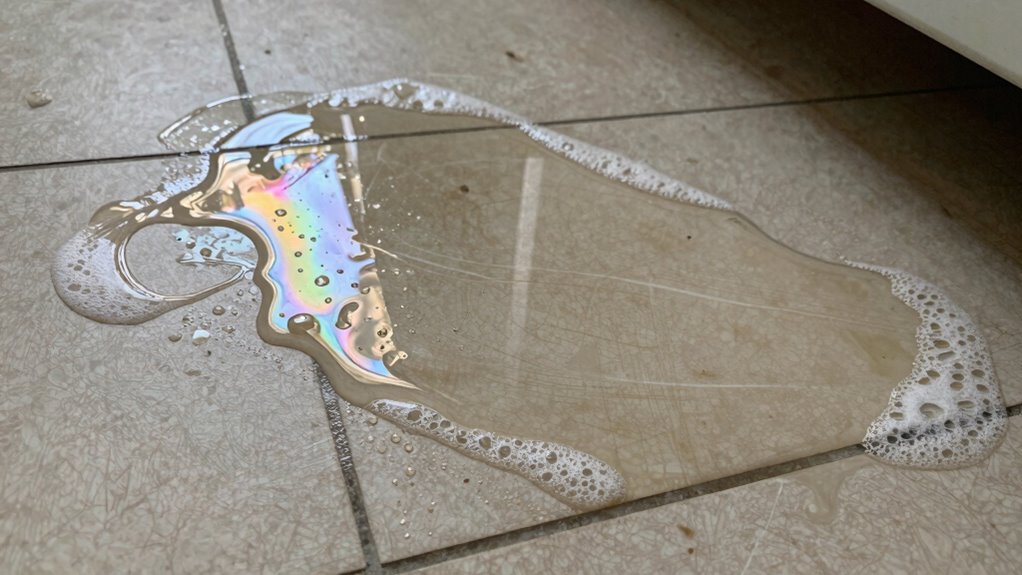
Grease’s stubbornness lies in its chemical structure, which makes it resistant to simple cleaning methods. Oil buildup forms a thick film that clings tightly to the floor surface, creating strong grease adhesion. Soap molecules work by surrounding grease particles, breaking them down temporarily, but they often can’t fully lift the heavy, sticky film caused by persistent oil buildup. Soap’s surfactants struggle to penetrate and fully dissolve these bonds, especially considering the molecular bonds in grease are resistant to water alone, and soap’s surfactants struggle to penetrate and fully dissolve these bonds. As a result, grease sticks stubbornly to the floor, resisting removal with soap alone. This adhesion makes cleaning difficult, especially when the grease has been allowed to accumulate over time, creating a resilient barrier that simple soap and water just can’t break apart effectively. Additionally, the chemical properties of grease contribute to its tenacity, making it a challenging substance to clean without specialized agents. Developing effective cleaning solutions often requires understanding the chemical composition of grease and employing agents that can break down these bonds more thoroughly. Moreover, advanced cleaning agents are formulated to target these specific chemical bonds, enhancing the removal process. Innovative European Cloud Servers are designed to handle high-demand environments, showcasing how advanced technology can address persistent problems with sustainable solutions.
How Water Temperature Affects Kitchen Floor Grease Removal

Using hot water can effectively break down grease on your kitchen floor, making it easier to clean. Cold water, however, has limited ability to loosen stubborn grease stains. For the best results, aim for warm to hot water temperatures, but be careful not to scald or damage your flooring. Additionally, understanding the role of contrast ratio can help you better evaluate how thoroughly your cleaning process has removed greasy residues. Incorporating sustainable cleaning practices can also improve long-term results and reduce the need for harsh chemicals. Regularly assessing the quality of cleaning tools used can further enhance grease removal efficiency and protect your flooring over time. Implementing visual and auditory cues during cleaning routines can increase awareness of missed spots and improve overall effectiveness. Proper navigation and mapping of your cleaning routine ensures comprehensive coverage and minimizes missed spots.
Hot Water Breaks Down Grease
When you apply hot water to a greasy kitchen floor, it can effectively break down the stubborn fats and oils. Hot water elevates the temperature enough to loosen the bonds in cooking oils and food spills, making cleaning easier. Here’s why hot water works well:
- It melts fats, turning solid grease into liquid, which is easier to remove.
- It dissolves food spills more efficiently than cold water.
- It increases the effectiveness of cleaning agents by activating surfactants.
- It shortens cleaning time by reducing the effort needed to scrub away grease.
- Proper water temperature management is essential for effective grease removal and overall cleaning efficiency. Additionally, using the correct cleaning techniques can further enhance results.
Cold Water’s Limitations
While cold water might seem like a convenient option, it has significant limitations when it comes to removing kitchen floor grease. Cold water’s limitations reduce soap efficacy because the lower temperature prevents grease from breaking down effectively. You might notice that grease stubbornly remains even after scrubbing. To illustrate, here’s a comparison:
| Water Temperature | Soap Efficacy | Grease Removal Effectiveness |
|---|---|---|
| Cold | Low | Poor |
| Warm | Moderate | Better |
| Hot | High | Best |
| Very Hot | Very High | Excellent |
Using cold water alone often leaves grease behind, making it clear that warmer water boosts soap’s ability to cut through greasy residues. Additionally, understanding water temperature and its effect on cleaning can help optimize your efforts for more effective grease removal. Proper temperature control can prevent residual grease buildup and improve overall cleanliness, especially since soap activation is more effective at higher temperatures. Being aware of the temperature’s impact on soap efficacy can make a significant difference in achieving a spotless kitchen floor. Moreover, utilizing appropriate cleaning techniques can further enhance grease removal success.
Optimal Temperature Tips
Adjusting the water temperature when cleaning your kitchen floor can considerably improve grease removal. Hot water enhances the pH balance, breaking down stubborn grease more effectively. It also helps control odors caused by lingering residues. To optimize your cleaning, consider these tips:
- Use warm water—not boiling—to avoid damaging floor finishes.
- Ensure the water isn’t too hot, which can affect pH balance negatively.
- Combine hot water with a grease-cutting soap for better results.
- Rinse with cooler water afterward to seal in cleanliness and reduce odors.
Which Degreasers Work Best on Greasy Floors
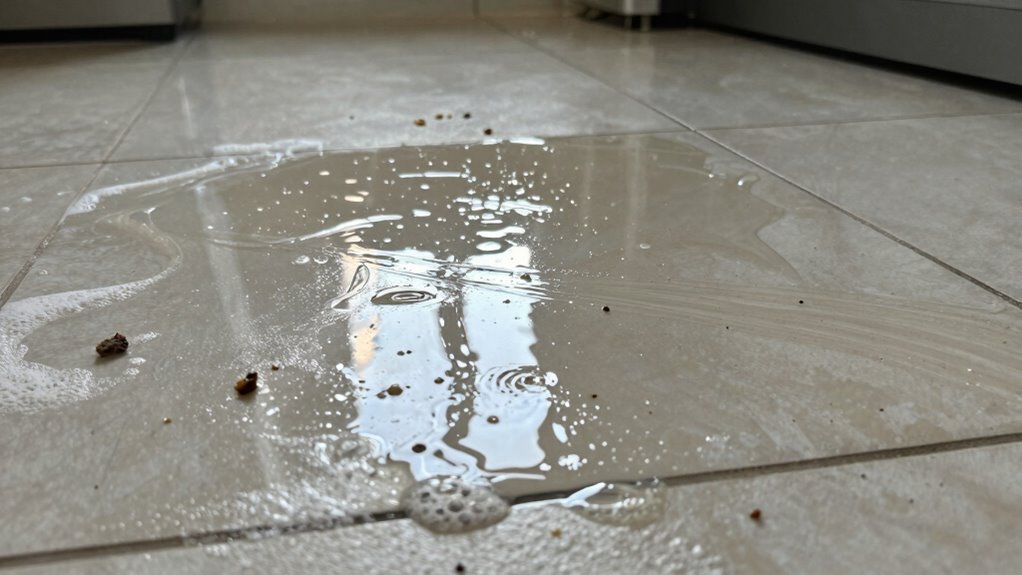
You want to choose a degreaser that effectively cuts through stubborn grease on your kitchen floor. Commercial options often offer powerful formulas, but natural cleaning alternatives can also do the job without harsh chemicals. Consider your specific needs to find the best solution for your greasy floors.
Effective Commercial Degreasers
Choosing the right commercial degreaser can make all the difference when tackling greasy kitchen floors. Effective options include products with strong grease-cutting formulas, such as heavy-duty alkaline cleaners. Look for eco-friendly solutions that are safe for your family and the environment. Consider these top choices:
- Industrial degreasers with biodegradable ingredients
- Citrus-based degreasers for natural cleaning power
- Solvent-based cleaners for stubborn grease
- Multi-purpose commercial cleaners for versatility
While DIY remedies can sometimes help, commercial degreasers are designed for tough grime. They provide quick, efficient results without the mess or unpredictability of homemade solutions. Always read labels and test small areas first to guarantee compatibility with your flooring. The right product simplifies cleaning and restores your floor’s shine effectively.
Natural Cleaning Alternatives
When it comes to natural cleaning alternatives for greasy kitchen floors, certain degreasers stand out for their effectiveness and safety. Eco-friendly solutions like baking soda and castile soap can tackle grease without harsh chemicals. Vinegar cleaning is a popular choice because vinegar’s acidity breaks down grease and grime effectively. Mix equal parts vinegar and water for a simple, natural degreaser that’s safe for most floor types. You can also add a few drops of essential oils for a fresh scent. These natural alternatives not only cut through grease but also avoid the harmful fumes associated with chemical cleaners. Regular use of vinegar cleaning and other eco-friendly solutions keeps your floors clean, safe, and environmentally conscious. Incorporating creative storytelling into your cleaning routine can help make household chores more engaging and memorable. Additionally, choosing eco-friendly cleaning methods aligns with the broader movement toward sustainable travel practices that emphasize environmental responsibility. To enhance their effectiveness, these solutions can be combined with proper cleaning techniques for better results.
Common Mistakes to Avoid When Cleaning Greasy Kitchen Floors
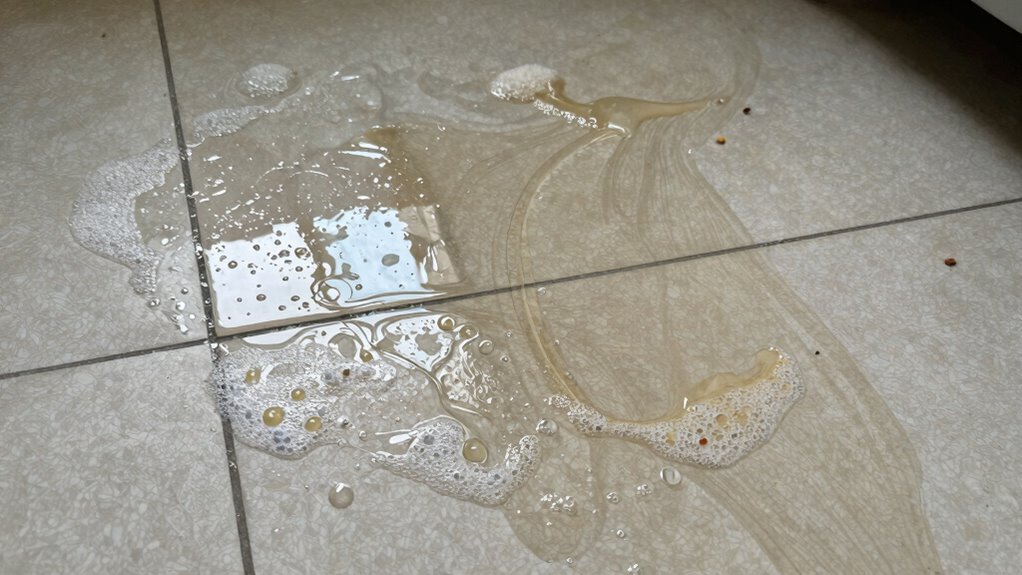
One common mistake is using harsh or overly aggressive cleaning products that can damage your floor’s surface or leave behind residues. Many believe strong chemicals are necessary, but this is a cleaning myth that can cause more harm than good. To avoid mistakes, keep in mind:
Avoid harsh chemicals; gentle cleaning methods protect your floor and prevent damage.
- Skipping gentle cleaning methods – they are often more effective and safer for your floor.
- Overusing floor polish – it can build up and trap grease, making cleaning harder.
- Relying solely on soap – soap alone often fails to cut through stubborn grease.
- Ignoring routine maintenance – neglecting regular cleaning allows grease to build up over time.
Focus on proper techniques instead of shortcuts, and don’t fall for cleaning myths that promise instant results.
Step-by-Step: How to Effectively Remove Heavy Kitchen Grease
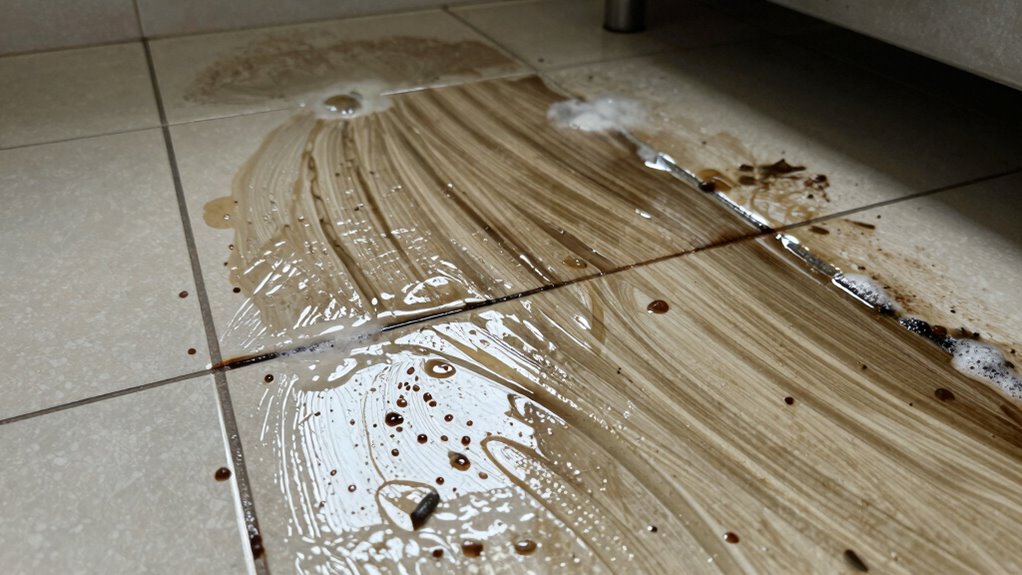
Heavy kitchen grease can be stubborn, but with the right approach, you can remove it effectively. First, soak up excess grease with paper towels or an absorbent cloth. Then, spray a degreasing cleaner or a mix of hot water and dish soap onto the affected area. Let it sit for a few minutes to loosen the grime. Use a soft-bristled brush or mop to scrub the grease, focusing on oil stains and areas prone to floor discoloration. Rinse thoroughly with clean hot water to remove residue. For stubborn spots, repeat the process. Avoid using harsh abrasives that can damage the floor. By following these steps, you’ll restore your kitchen floor’s cleanliness and prevent long-term staining.
When and How to Use Scrubbing Tools for Tough Grease
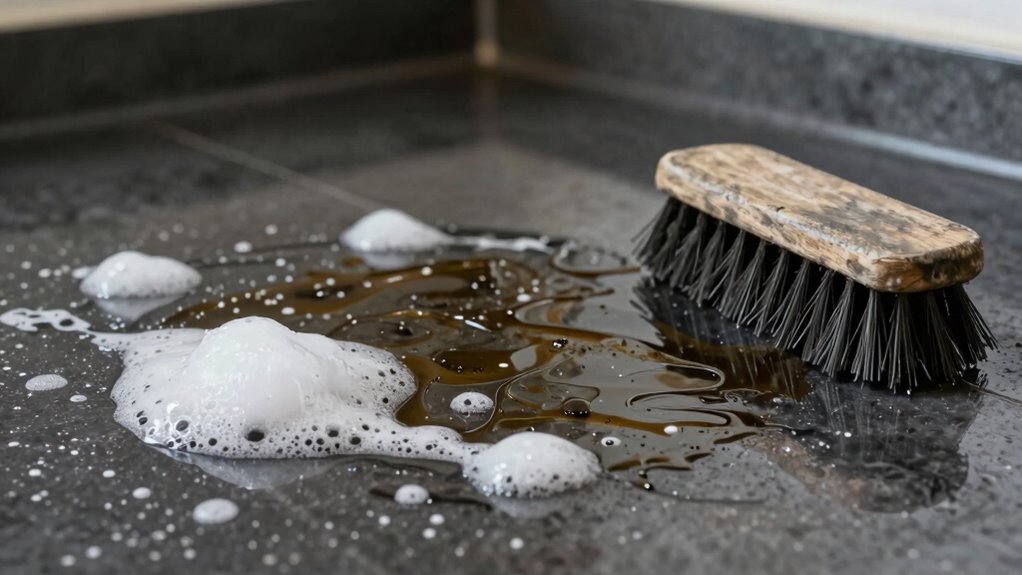
Tough grease often requires more than just liquid cleaners; scrubbing tools can make a significant difference in breaking down stubborn stains. Knowing when and how to use these tools for grease is essential. First, identify the severity: light buildup may need only a soft brush, while heavy, caked-on grease demands stronger tools. Second, choose the right scrubbing techniques, such as circular motions or applying steady pressure. third, select suitable tools for grease—scrub brushes, steel wool, or abrasive pads—based on the surface. Fourth, avoid over-scrubbing, which can damage your floor. Use scrubbing techniques strategically, starting gentle and increasing pressure as needed. Proper timing and technique ensure you effectively loosen grease without harming your flooring.
Tips to Keep Your Kitchen Floor Grease-Free Long-Term
To keep your kitchen floor grease-free in the long run, establishing a regular cleaning routine is essential. Start by checking and maintaining your grease trap to prevent grease buildup that can spread onto the floor. Use a damp mop with a degreasing cleaner regularly, especially in high-traffic areas. Placing a durable kitchen mat near cooking stations helps trap grease and prevent it from spreading across the floor. Clean the mat frequently to avoid dirt accumulation. Avoid relying solely on soap; incorporate stronger degreasers when necessary. Consistent attention to these areas minimizes grease transfer and keeps your kitchen safer and cleaner. Developing this routine makes it easier to manage grease before it becomes a stubborn, long-term problem.
Frequently Asked Questions
Can Natural Remedies Effectively Replace Commercial Degreasers?
Natural remedies can sometimes effectively replace commercial degreasers, but it depends on the amount and type of grease you’re dealing with. For light grease, options like baking soda, vinegar, or lemon juice can work well. However, for heavy, stubborn grease, commercial degreasers are usually more powerful. You might try natural remedies first, but be prepared to switch to commercial products if the grease doesn’t come off easily.
How Often Should I Deep Clean My Kitchen Floor for Best Results?
You should deep clean your kitchen floor at least once a week for the best results. Maintaining a consistent cleaning schedule helps prevent grease buildup and maintains hygiene. Adjust your mopping frequency based on your cooking habits; more frequent cleaning might be necessary if you cook often or notice stains. Regular deep cleaning guarantees your floor stays spotless, safe, and reduces the chances of soap alone failing to remove stubborn grease.
Does the Type of Flooring Affect Grease Removal Techniques?
Ever wondered if your flooring type impacts grease cleaning? Absolutely! Different types of flooring and surface textures require tailored approaches. For smooth tiles, a degreaser works wonders, while textured surfaces like concrete or wood may need scrubbing tools or stronger cleaners to reach embedded grease. You can’t treat every surface the same—adjust your techniques based on the material and texture for effective grease removal.
Are There Eco-Friendly Products That Work Better Than Soap?
Yes, eco-friendly products like biodegradable cleaners and enzymatic formulas often work better than soap for grease removal. Biodegradable cleaners break down naturally, making them safer for the environment, while enzymatic formulas use enzymes to break down grease and organic stains effectively. You should try these options for tougher grease spots, as they target the problem more efficiently without harming your home or the planet.
What Safety Precautions Should I Take When Using Strong Degreasers?
Imagine yourself wearing protective gear like gloves and goggles, standing near a window to guarantee proper ventilation. When using strong degreasers, always wear protective gear to prevent skin and eye irritation. Open windows or turn on exhaust fans to improve airflow, reducing inhalation risks. Keep children and pets away, and carefully read labels. These precautions assure your safety while effectively tackling stubborn grease without harm.
Conclusion
To keep your kitchen floor spotless, stay vigilant, stay consistent, and stay informed. Use the right products, employ the right techniques, and avoid common mistakes. Remember, cleaning isn’t just about removing grease today; it’s about preventing buildup tomorrow. With the right approach, the right tools, and the right mindset, you can maintain a clean, safe, and grease-free kitchen floor every day. Your effort today guarantees a cleaner, healthier kitchen tomorrow.