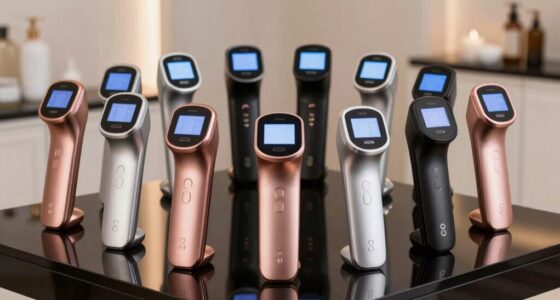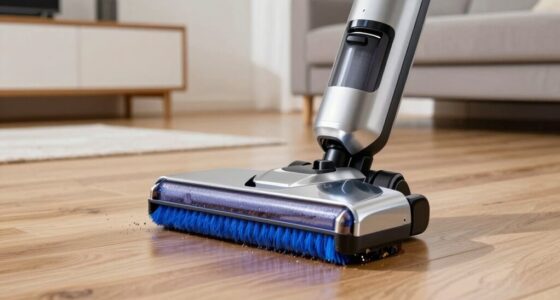
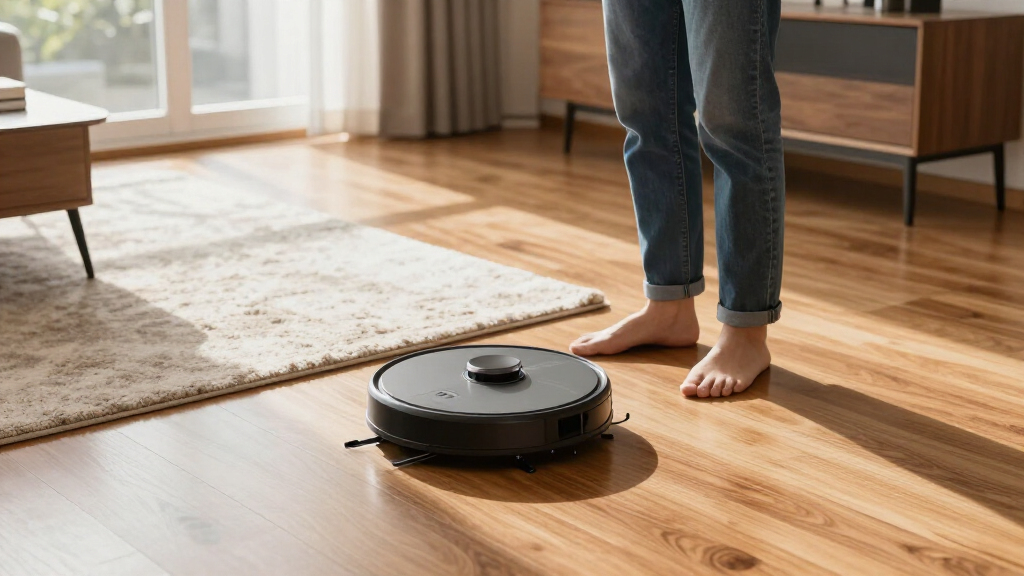
Hardwood floors are where robot vacuums either shine or fail — suction matters, but gentle brushes, reliable mopping, and scratch-free wheels matter more. After comparing 14 models, the Roborock Qrevo S Pro stands out as the best overall pick for hardwood thanks to its 18,500Pa suction, self-washing roller mop, and smart obstacle avoidance that keeps it from grinding debris into your planks. The eufy 11S MAX remains the value benchmark for vacuum-only buyers on bare floors, while the Roborock Qrevo Curv 2 Flow is the premium choice if you want a full self-maintaining system. The main tradeoff in this category is price versus upkeep: cheap combo units require more hands-on cleaning, while flagship models nearly take care of themselves. Continue reading for the full breakdown, including which budget models beat expectations and which premium features aren’t worth paying for.
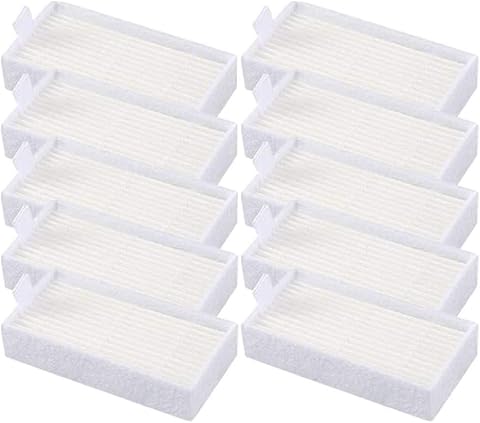
Complete the kit


Key Takeaways
- Roborock dominated the top of this comparison — four of its models (Qrevo S Pro, Qrevo Curv 2 Flow, Q7 M5+, Q10 S5+) landed in the upper tier because their mop-lifting and reactive obstacle avoidance directly protect hardwood finishes.
- Suction specs are misleading on hardwood: the 2,000Pa eufy 11S MAX cleaned bare floors nearly as well as models triple its price, so high Pa ratings only justify premiums when carpet is also in the home.
- The biggest price divider wasn’t cleaning power — it was maintenance automation. Self-empty docks, roller mop washing, and self-cleaning cycles separated $1,000+ flagships from $300–$500 midrange combos.
- Every generic-brand combo unit (the 5,000Pa picks from ROPVACNIC and Tikom) delivered acceptable mopping but showed weaker navigation and no hardwood-specific floor detection, making them better as secondary cleaners than whole-home solutions.
- Vacuum-only models (eufy 11S MAX, ILIFE V2, Lefant M210, Shark RV2120AE) cost less and last longer between maintenance sessions, but buyers lose the wet cleaning that sealed hardwood genuinely benefits from.
| eufy 11S MAX Robot Vacuum Cleaner, Super Thin, Quiet |  | Best Budget Pick for Simple Hard Floor Sweeping | Surface Recommendation: Hard Floor, Tile, Medium Carpet | Battery Life: 100 minutes | Noise Level: 55 dB | VIEW LATEST PRICE | See Our Full Breakdown |
| Roborock Qrevo S Pro Robot Vacuum and Mop, 18,500Pa Suction |  | Best Overall for Pet Owners with Hardwood Homes | Suction Power: 18,500Pa | Dustbin Capacity: 2.7L (auto-empty dock) | Self-Cleaning Mops: Yes | VIEW LATEST PRICE | See Our Full Breakdown |
| Lefant M210 Robot Vacuum Cleaner with Strong Suction and App Control |  | Best Value for Smart Features | Surface Recommendation: Wood, Hard Floor, Low Pile Carpet | Battery Life: 120 minutes | Noise Level: 52 dB | VIEW LATEST PRICE | See Our Full Breakdown |
| Eufy E25 Robot Vacuum and Mop Combo, 20,000 Pa, HydroJet Roller Mop |  | Best Premium Deep-Cleaning Station | Suction Power: 20,000 Pa | Mopping System: HydroJet roller mop | Dustbin Capacity: 2.5 liters | VIEW LATEST PRICE | See Our Full Breakdown |
| Shark Navigator Robot Vacuum + Self-Empty Base, RV2120AE |  | Best for Low-Maintenance Vacuuming with Smart Navigation | Surface Recommendation: Carpet & Hard Floors | Navigation: LiDAR with SmartPath | Self-Empty Base: Yes, bagless, up to 60 days | VIEW LATEST PRICE | See Our Full Breakdown |
| ILIFE V2 Robot Vacuum Cleaner, Tangle-Free Suction, White |  | Best Budget Pick for Pet Hair | Design: Ultra-slim 2.99 inches | Suction Type: Tangle-free suction port | Battery Life: Up to 120 minutes | VIEW LATEST PRICE | See Our Full Breakdown |
| Roborock Q7 M5+ Robot Vacuum and Mop, Up to 7-9 Weeks Self-Empty, 10000Pa HyperForce Suction |  | Best Premium Self-Empty Pick | Suction Power: 10,000 Pa HyperForce | Self-Empty Capacity: 2.7L dust bag, up to 7-9 weeks | Navigation: PreciSense LiDAR | VIEW LATEST PRICE | See Our Full Breakdown |
| Roborock Q7 L5 Robot Vacuum and Mop Combo, 8,000Pa Suction |  | Best Smart Mapping for Mixed Hardwood Homes | Suction Power: 8,000 Pa | Navigation: LiDAR with smart mapping | Water Tank: 270 ml electronically controlled | VIEW LATEST PRICE | See Our Full Breakdown |
| Robot Vacuum and Mop Combo, 5000Pa, 180-Minute Runtime, App/Remote/Alexa Control |  | Best Value for Large Hardwood Areas | Suction Power: 5,000 Pa | Runtime: 180 minutes | Max Cleaning Area: 2,000 sq ft | VIEW LATEST PRICE | See Our Full Breakdown |
| ROPVACNIC Robot Vacuum and Mop Combo 5200Pa Suction |  | Best Mop Control for Pet Households | Suction Power: 5,200 Pa | Function: 2-in-1 vacuum and mop | Water Tank: High-capacity, four-stage adjustment | VIEW LATEST PRICE | See Our Full Breakdown |
| iRobot Roomba 105 Combo Robot Vacuum & Mop with AutoEmpty Dock |  | Best for Low-Maintenance Cleaning | AutoEmpty Duration: Up to 75 days | Suction Power: 70X power-lifting suction | Navigation: LiDAR smart mapping | VIEW LATEST PRICE | See Our Full Breakdown |
| Roborock Qrevo Curv 2 Flow 2026 Robot Vacuum and Mop, 20,000 Pa, Self-Cleaning Roller, AI Obstacle Avoidance |  | Best Premium Pick | Suction Power: 20,000 Pa | Max Runtime: 242 minutes | Mopping System: Self-cleaning roller mop | VIEW LATEST PRICE | See Our Full Breakdown |
| Roborock Q10 S5+ Robot Vacuum and Mop with 10,000Pa Suction |  | Best Value Powerhouse | Suction Power: 10,000 Pa | Self-Emptying: Yes | Dust Capacity: 2.7 liters | VIEW LATEST PRICE | See Our Full Breakdown |
| Tikom Robot Vacuum and Mop Combo G8000 Max, 5000Pa Suction, 150 Min Battery, App & Remote Control |  | Best Budget Entry Point | Suction Power: 5,000 Pa | Battery Life: 150 minutes | Dustbin Capacity: 450 ml | VIEW LATEST PRICE | See Our Full Breakdown |
| robotic vacuum cleaners for hardwood floor | Suction Power | Battery Life | Noise Level | Navigation |
|---|---|---|---|---|
| eufy 11S MAX Robot Vacuum Clea | — | 100 minutes | 55 dB | — |
| Roborock Qrevo S Pro Robot Vac | 18,500Pa | — | 55 dB | — |
| Lefant M210 Robot Vacuum Clean | — | 120 minutes | 52 dB | — |
| Eufy E25 Robot Vacuum and Mop | 20,000 Pa | — | 57 dB | — |
| Shark Navigator Robot Vacuum + | — | 120 minutes | — | LiDAR with SmartPath |
| ILIFE V2 Robot Vacuum Cleaner | — | Up to 120 minutes | — | — |
| Roborock Q7 M5+ Robot Vacuum a | 10,000 Pa HyperForce | 150 minutes | 65 dB | PreciSense LiDAR |
| Roborock Q7 L5 Robot Vacuum an | 8,000 Pa | 150 minutes | 60 dB | LiDAR with smart mapping |
| Robot Vacuum and Mop Combo | 5,000 Pa | — | 50 dB | — |
| ROPVACNIC Robot Vacuum and Mop | 5,200 Pa | — | — | Smart navigation with obstacle detection and auto-recharge |
| iRobot Roomba 105 Combo Robot | 70X power-lifting suction | — | — | LiDAR smart mapping |
| Roborock Qrevo Curv 2 Flow 202 | 20,000 Pa | — | — | AI obstacle avoidance with LiDAR |
| Roborock Q10 S5+ Robot Vacuum | 10,000 Pa | 150 minutes | 65 dB | LiDAR with ReactiveTech obstacle avoidance |
| Tikom Robot Vacuum and Mop Com | 5,000 Pa | 150 minutes | — | — |
More Details on Our Top Picks
eufy 11S MAX Robot Vacuum Cleaner, Super Thin, Quiet
The eufy 11S MAX earns its spot by doing the basics exceptionally well at a price far below feature-laden rivals. Its 2.85-inch profile glides under couches and beds where bulkier machines like the Roborock Qrevo S Pro simply can’t reach, and its 55 dB operation means it can run during dinner without disruption. There’s no app, no WiFi, no mop — just a remote and up to 100 minutes of quiet, adaptive suction on hardwood and tile. Compared with the Lefant M210, which offers app control at a similar price, this model trades connectivity for a quieter motor and a slightly wider 12.8-inch cleaning path. The washable filter and 600 ml dustbin keep running costs near zero. The real tradeoff is convenience: buyers wanting scheduling, mapping, or voice commands should look elsewhere in this lineup.
Pros:- Whisper-quiet at 55 dB, suitable for running any hour
- Slim design cleans under furniture where taller robots can’t reach
- Up to 100 minutes of runtime with self-charging return
- Washable filter and 600 ml dustbin keep maintenance costs minimal
Cons:- No WiFi, app, or voice control — remote only
- No mapping or room-targeted cleaning, so coverage is less efficient than LiDAR models like the Shark Navigator
- Struggles on thick or high-pile carpet
Best for: Budget-conscious buyers with mostly hardwood or tile floors who want quiet, no-fuss daily sweeping without smart home complexity
Not ideal for: Tech-forward users who expect app scheduling, voice control, or mopping — this is a remote-only machine with no WiFi
- Surface Recommendation:Hard Floor, Tile, Medium Carpet
- Battery Life:100 minutes
- Noise Level:55 dB
- Dustbin Capacity:600 ml
- Cleaning Path Width:12.8 inches
- Control Method:Remote control
- Filter Type:Washable
Our verdict“This pick makes the most sense for buyers who want dependable, quiet hard floor cleaning on a budget and don’t care about smart features.”
Roborock Qrevo S Pro Robot Vacuum and Mop, 18,500Pa Suction
The Roborock Qrevo S Pro sits near the top of this roundup because it solves the two biggest hardwood pain points at once: fine dust and pet hair. With 18,500Pa of suction, it pulls embedded debris from crevices that budget models like the eufy 11S MAX leave behind, while its anti-tangle brush system means less scissors-and-mess maintenance in multi-pet households. The self-emptying 2.7L dock and self-cleaning mops put it a tier above vacuum-only options like the Shark Navigator RV2120AE, which still requires you to handle the brushroll yourself. On hardwood specifically, the adaptive mop pads lift away from rugs automatically, so mixed-floor homes don’t get accidental soakings. The compromises are real though: it needs a generous footprint for its dock, and the 2.4 GHz-only WiFi limitation frustrates owners of newer dual-band routers. It’s also a significant investment compared to sub-$200 alternatives.
Pros:- 18,500Pa suction handles fine dust and embedded pet hair on hardwood
- Self-emptying 2.7L dustbin and self-washing mops cut weekly maintenance to minutes
- Anti-tangle brush design reduces hair wrap in multi-pet homes
- Smart obstacle avoidance protects cords and pet bowls
Cons:- 2.4 GHz-only WiFi limits compatibility with modern mesh routers
- Docking station requires substantial floor and wall space
- Premium price puts it out of reach for entry-level buyers
Best for: Pet owners in medium-to-large homes with mostly hardwood who want vacuuming and mopping handled with minimal hands-on maintenance
Not ideal for: Small apartments or buyers on tight budgets — the dock is large and the feature set costs more than a basic sweeper requires
- Suction Power:18,500Pa
- Dustbin Capacity:2.7L (auto-empty dock)
- Self-Cleaning Mops:Yes
- WiFi Compatibility:2.4 GHz only
- Noise Level:55 dB
- Cleaning Type:Vacuum and mop
Our verdict“For hardwood-focused pet households willing to pay premium prices, this model delivers the most complete low-maintenance cleaning package in the lineup.”
Lefant M210 Robot Vacuum Cleaner with Strong Suction and App Control
The Lefant M210 is the smartest entry point in this roundup for buyers who refuse to give up app control and Alexa compatibility just to save money. Unlike the eufy 11S MAX, which relies on a physical remote, the M210 offers scheduling, cleaning modes, and voice commands through a phone app — features usually reserved for machines twice its price. Its slim frame reaches under furniture, and the 1100Pa suction handles pet hair and daily grit on hardwood effectively. It even runs quieter than the eufy at 52 dB, with a longer 120-minute runtime. The catch is intelligence: with no LiDAR mapping like the Shark Navigator, it navigates semi-randomly, cleaning the same spots twice and missing others. The zigzag cleaning mode also shouldn’t be counted on for carpets, and app pairing occasionally requires patience. For apartments and single-floor homes, those compromises are easy to accept.
Pros:- App control with scheduling, plus Alexa and Google Assistant compatibility at a budget price
- Slim body fits under beds and low furniture for thorough hardwood coverage
- 120-minute runtime outlasts most competitors in this price class
- Anti-fall sensors and auto-docking work reliably
Cons:- No LiDAR mapping — navigation is semi-random compared with the Shark Navigator
- Zigzag cleaning mode underperforms on carpet
- App connection can be finicky without the latest app version
Best for: Apartment dwellers and first-time robot vacuum buyers who want app scheduling and Alexa/Google voice control without a premium price
Not ideal for: Larger multi-room homes where random navigation wastes battery, or homes with significant carpet coverage
- Surface Recommendation:Wood, Hard Floor, Low Pile Carpet
- Battery Life:120 minutes
- Noise Level:52 dB
- Dustbin Capacity:500 ml
- Control Method:App, Amazon Echo, Google Home
- Filter Type:Cartridge
- Special Features:Anti-Fall, Auto-Docking, Scheduling, Pet Hair Pickup
Our verdict“This model offers the best balance of smart convenience and price for small hardwood-heavy homes where mapping precision doesn’t matter much.”
Eufy E25 Robot Vacuum and Mop Combo, 20,000 Pa, HydroJet Roller Mop
The eufy E25 is the most aggressive cleaner in this batch, pairing 20,000Pa suction with a HydroJet roller mop that scrubs rather than drags — a meaningful difference on hardwood where dried spills and footprints resist flat pads. Compared with the Roborock Qrevo S Pro, its closest rival here, the E25’s roller system applies active pressure and self-washes continuously, so the mop touching your floor is always clean water rather than recirculated grime. The full-service base self-empties, self-washes, and self-refills, making it the lowest-touch option in the roundup for large homes with pets. Those capabilities come with tradeoffs: it’s the priciest tier of the lineup, the dock demands real estate, and like the Roborock it skips 5GHz WiFi. At 57 dB it’s also the loudest of these five picks — fine for scheduled runs while you’re out, less pleasant during work calls.
Pros:- 20,000Pa suction is the strongest in this roundup for embedded debris
- HydroJet roller mop actively scrubs stuck-on messes instead of wiping passively
- Self-emptying, self-washing, and self-refilling base minimizes hands-on work
- Flexible control via app, voice, and touch
Cons:- Premium price for features many smaller households won’t fully use
- No 5GHz WiFi support limits router compatibility
- 57 dB operation is louder than every other pick in this batch
Best for: Owners of large homes with kids and pets who want scrubbing-level mopping and near-zero daily maintenance on hardwood
Not ideal for: Buyers with tight budgets or small apartments — the price and dock footprint outweigh the benefits in compact spaces
- Suction Power:20,000 Pa
- Mopping System:HydroJet roller mop
- Dustbin Capacity:2.5 liters
- Noise Level:57 dB
- Surface Recommendation:Hard Floor, Carpet, Wood, Tile
- Control Method:App, Push Button, Touch, Voice
- Special Features:Self-Emptying, Self-Refilling, Auto Mop Washing, Obstacle Avoidance
Our verdict“If deep-scrub mopping on hardwood with minimal maintenance is the priority and budget is flexible, this is the most capable choice here.”
Shark Navigator Robot Vacuum + Self-Empty Base, RV2120AE
The Shark Navigator RV2120AE occupies a smart middle ground: it brings LiDAR-based SmartPath navigation and a 60-day self-empty base to buyers who want structured, row-by-row cleaning without paying for mopping they may not need. That navigation is its clearest advantage over the Lefant M210 — instead of wandering, it tracks systematic routes across hardwood, finishing rooms faster and with fewer missed patches. The self-cleaning brushroll also resists hair wrap, a genuine plus for pet households that don’t need the full mop-and-scrub system of the eufy E25. The bagless base holds up to 60 days of debris, so quarterly-attention cleaning becomes the norm. Drawbacks exist: there’s no mopping at all, the 0.22-quart onboard bin is small between empties, and Shark publishes little detail on noise. For vacuum-only households, the value equation still lands firmly in its favor.
Pros:- LiDAR SmartPath navigation delivers systematic row-by-row coverage
- Self-emptying bagless base holds up to 60 days of debris
- Self-cleaning brushroll resists hair tangles between sessions
- 120-minute battery handles multi-room floors in one pass
Cons:- No mopping capability, unlike the Roborock and eufy combo units here
- Higher price than basic sweepers like the eufy 11S MAX
- Noise levels are not clearly documented
Best for: Households that want efficient mapped vacuuming and a hands-off dust base but don’t need mopping functionality
Not ideal for: Buyers who want wet mopping for their hardwood — this is a vacuum-only machine with no mop attachment
- Surface Recommendation:Carpet & Hard Floors
- Navigation:LiDAR with SmartPath
- Self-Empty Base:Yes, bagless, up to 60 days
- Brushroll:Self-cleaning
- Battery Life:120 minutes
- Dustbin Capacity:0.22 quarts
- Control Method:App
Our verdict“This model makes the most sense for hardwood homes that prioritize smart navigation and long stretches between maintenance over mopping features.”
ILIFE V2 Robot Vacuum Cleaner, Tangle-Free Suction, White
Not every hardwood household needs LiDAR mapping and a self-emptying dock, and this option makes the most sense for buyers who want simple, affordable daily sweeping rather than a smart-home centerpiece. The tangle-free suction port is the standout: unlike brush-roll models such as the Roborock Q7 L5, it pulls pet hair straight into the bin instead of wrapping it around a roller, which means less scissors-and-frustration maintenance. The 2.99-inch profile glides under couches and beds where dust accumulates on wood floors. The tradeoff is real, though — with no mapping, it cleans by feel using infrared sensors, so coverage is less systematic and it can miss spots that mapped rivals cover. Compared with the similarly slim generic 5000Pa combo unit, it trades suction power for a lower price and a proven anti-tangle design.
Pros:- Tangle-free suction port prevents pet hair from wrapping around brushes
- Ultra-slim 2.99-inch body reaches under low furniture where dust hides
- Up to 120 minutes of runtime covers a typical apartment in one pass
- Automatic recharging and scheduling keep cleaning hands-off
Cons:- No mapping or room-targeting — cleaning is random and less efficient than LiDAR rivals
- Struggles on anything beyond low-pile carpet, limiting whole-home use
Best for: Budget-conscious pet owners in small apartments with mostly hardwood or tile who want low-maintenance daily cleaning
Not ideal for: Buyers with larger multi-room homes or those wanting room-specific cleaning and app maps — the lack of navigation features will frustrate them
- Design:Ultra-slim 2.99 inches
- Suction Type:Tangle-free suction port
- Battery Life:Up to 120 minutes
- Cleaning Modes:Auto, spot, edge
- Sensors:Infrared obstacle and drop detection
- Warranty:12 months
Our verdict“This is the pick for pet owners who value a tangle-free, under-furniture cleaner at a budget price over smart mapping muscle.”
Roborock Q7 M5+ Robot Vacuum and Mop, Up to 7-9 Weeks Self-Empty, 10000Pa HyperForce Suction
This model stands out for buying back your time: the 2.7L self-emptying dock holds debris for 7 to 9 weeks, so hardwood-and-pet households can go two months without touching a dustbin. The 10,000Pa HyperForce suction is a step above the 8,000Pa Roborock Q7 L5, and the VibraRise mop lift means it can mop wood floors and raise the pad over rugs without soaking them. PreciSense LiDAR navigation with the dual anti-tangle brush system makes it noticeably more efficient than budget options like the ROPVACNIC S1. The compromises: it needs a 2.4GHz Wi-Fi network for app control, the price sits well above basic models, and 65 dB is loud enough to notice during quiet evenings. It also won’t match the premium Qrevo line’s obstacle avoidance, so cables left on the floor remain a risk.
Pros:- 7-9 week self-emptying dust bag eliminates weekly bin duty
- 10,000Pa suction handles embedded debris and heavy pet hair
- PreciSense LiDAR maps rooms for systematic, repeatable cleaning routes
- VibraRise mop lift protects rugs and carpets during mopping runs
Cons:- Requires 2.4GHz Wi-Fi — users with mesh networks may need to adjust settings
- 65 dB noise level is noticeable in quiet homes or during evening runs
Best for: Busy pet-owning households who want maximum suction power and the longest possible gap between maintenance sessions
Not ideal for: Apartment dwellers on older 5GHz-only routers or those unwilling to pay a premium — the Q7 L5 delivers most of the experience for less
- Suction Power:10,000 Pa HyperForce
- Self-Empty Capacity:2.7L dust bag, up to 7-9 weeks
- Navigation:PreciSense LiDAR
- Mopping:VibraRise 2.0 with mop lift
- Battery Life:150 minutes
- Noise Level:65 dB
- Control:App, touch, voice
- Brush System:Dual anti-tangle design
Our verdict“For households that want to think about vacuuming as little as possible, the weeks-long self-emptying and strong suction justify the premium price.”
Roborock Q7 L5 Robot Vacuum and Mop Combo, 8,000Pa Suction
Compared with the Roborock Q7 M5+, this model gives up the self-emptying dock but keeps the features that matter most on hardwood: LiDAR smart mapping, multi-floor maps, and no-go zones. That combination makes it better suited to homes where you want to draw a boundary around a pet’s water bowl or a delicate floor vent — something the ILIFE V2 simply cannot do. The electronically controlled 270ml water tank lets you dial mop moisture to a level safe for wood, laminate, and vinyl, and at 60 dB it runs quieter than the M5+. Suction drops from 10,000Pa to 8,000Pa, which in practice still clears pet hair and grit from hard floors with room to spare, though deep-carpet performance is a step behind. Wi-Fi is 2.4GHz only, so check your router before buying.
Pros:- Simultaneous vacuuming and mopping with electronic water control
- Multi-floor mapping and no-go zones via the companion app
- Washable filter cuts ongoing replacement costs
- Quieter 60 dB operation than most high-suction rivals
Cons:- 2.4GHz-only Wi-Fi can require router configuration on newer networks
- No self-emptying option, so bins need frequent manual emptying with pets
Best for: Homeowners with multi-story hardwood and laminate floors who want precise no-go zones and floor-specific mop control
Not ideal for: Buyers who hate emptying a dustbin daily — without a self-empty dock, pet-heavy homes will fill the bin fast
- Suction Power:8,000 Pa
- Navigation:LiDAR with smart mapping
- Water Tank:270 ml electronically controlled
- Battery Life:150 minutes
- Noise Level:60 dB
- Surfaces:Wood, laminate, tile, vinyl, marble, carpet
- Control:App, voice, button
- Extras:No-go zones, child lock, multi-floor mapping
Our verdict“This pick makes the most sense for mapped, multi-floor hardwood homes that value zone control and mop precision over hands-free emptying.”
Robot Vacuum and Mop Combo, 5000Pa, 180-Minute Runtime, App/Remote/Alexa Control
Runtime is this unit’s whole argument: 180 minutes per charge covers up to 2,000 sq ft, outlasting the 150-minute Roborock models and roughly fifty percent longer than the ILIFE V2. For open-plan hardwood homes, that means one pass instead of a mid-clean recharge. At 50 dB it is the quietest option in this lineup, quiet enough to run during a work call, and the HEPA filter is a genuine differentiator for allergy sufferers that most rivals here don’t offer. The honest tradeoff is intelligence — there’s no LiDAR mapping, so unlike the Q7 L5 it can’t target specific rooms or respect no-go zones, and the setup process reportedly takes some patience. A remote control is included, a thoughtful touch for households where not everyone wants to use an app.
Pros:- 180-minute runtime covers up to 2,000 sq ft on a single charge
- Whisper-quiet 50 dB operation suits daytime cleaning
- HEPA filter traps fine allergens most rivals miss
- App, remote, and Alexa/Google control options cover every user preference
Cons:- No mapping or smart navigation — cleaning routes are inefficient in complex homes
- Setup can be fiddly compared with plug-and-play budget rivals
Best for: Allergy sufferers with large open hardwood layouts who need long runtime, quiet operation, and HEPA filtration on a budget
Not ideal for: Homes with cluttered floors or complex layouts — without mapping or room targeting, it will bump through obstacles inefficiently
- Suction Power:5,000 Pa
- Runtime:180 minutes
- Max Cleaning Area:2,000 sq ft
- Dustbin / Water Tank:450 ml / 250 ml
- Filter:HEPA
- Noise Level:50 dB
- Body Thickness:2.99 inches
- Obstacle Climbing:20 mm
Our verdict“Buy it for the combination of long runtime, quiet running, and HEPA filtration; skip it if smart mapping and room control are must-haves.”
ROPVACNIC Robot Vacuum and Mop Combo 5200Pa Suction
Where most combo robots in this roundup offer one or two water settings, the ROPVACNIC S1 provides a four-stage adjustable water tank, which matters on hardwood: too much moisture can damage wood finishes, and being able to dial it down precisely sets it apart from the fixed-flow systems on cheaper generic combos. The dual electric side brushes and no-entanglement design sweep pet hair from edges and corners toward the suction path, an approach that edges out the single-brush ILIFE V2 for wall-to-wall pickup. At 5,200Pa, suction sits between the 5,000Pa generic combo and the 8,000Pa Roborock Q7 L5 — adequate for hard floors, less so for deep carpet. Setup is the weak point; getting the app, schedules, and mop settings configured properly takes more effort than the plug-and-play experience buyers expect at this price.
Pros:- Four-stage adjustable water flow protects hardwood from over-wetting
- Dual electric side brushes pull pet hair from edges and corners effectively
- 2-in-1 vacuum and mop with multiple customizable cleaning modes
- Works with Alexa and Google Assistant for voice-controlled runs
Cons:- Setup is more involved than comparable models in this price band
- 5,200Pa suction lags well behind Roborock alternatives for carpet
Best for: Pet owners with sealed hardwood floors who want fine control over mop moisture and strong edge cleaning
Not ideal for: Tech-averse buyers or anyone wanting carpet-focused deep cleaning — the setup complexity and mid-tier suction don’t justify it there
- Suction Power:5,200 Pa
- Function:2-in-1 vacuum and mop
- Water Tank:High-capacity, four-stage adjustment
- Brush Design:Dual electric side brushes, no-entanglement
- Connectivity:App, Alexa, Google Assistant
- Navigation:Smart navigation with obstacle detection and auto-recharge
Our verdict“Choose it when mop precision and pet-hair edge pickup on hardwood matter more than raw suction or effortless setup.”
iRobot Roomba 105 Combo Robot Vacuum & Mop with AutoEmpty Dock
For buyers whose main priority is not thinking about their robot for months, this Roomba stands out with its 75-day self-emptying dock — the longest maintenance interval in this batch. The LiDAR mapping and simultaneous vacuum-mop capability make it a strong hardwood performer, and the auto-lift mop behavior means it won’t drag a wet pad onto your area rugs. Compared with the Tikom G8000 Max, which requires you to empty a 450 ml bin yourself, the convenience gap is dramatic. That said, the tradeoffs are real: iRobot’s cleaning-solution ecosystem locks you into proprietary consumables, and when the mop is attached, the machine simply avoids carpet entirely rather than adapting on the fly the way the Roborock Qrevo Curv 2 Flow does. Suction specs are also vaguer than Roborock’s numbered claims.
Pros:- Up to 75 days of hands-free emptying, the longest interval in this batch
- Vacuum, mop, or combo modes from one machine with smart LiDAR mapping
- Obstacle avoidance keeps furniture and cords safe during autonomous runs
- Multiple control options: app, voice, or physical buttons for non-smartphone users
Cons:- Proprietary cleaning solutions and consumables add long-term cost
- Mopping mode refuses carpets outright instead of adapting, limiting use on mixed floors
- Higher price than combo units like the Tikom G8000 Max with similar core function
Best for: Busy households that want to set a schedule and empty the dock only a few times a year
Not ideal for: Buyers who resist proprietary ecosystems — cleaning solutions and consumables are brand-locked, and mixed carpet-and-hardwood homes will find the mop’s carpet avoidance limiting
- AutoEmpty Duration:Up to 75 days
- Suction Power:70X power-lifting suction
- Navigation:LiDAR smart mapping
- Cleaning Modes:Vacuum, mop, or combo
- Connectivity:Wi-Fi (2.4 GHz)
- Includes:AutoEmpty Dock, extra mop pad
Our verdict“This pick makes the most sense for hardwood-heavy homes that value maximum hands-off convenience over raw cleaning power.”
Roborock Qrevo Curv 2 Flow 2026 Robot Vacuum and Mop, 20,000 Pa, Self-Cleaning Roller, AI Obstacle Avoidance
The Qrevo Curv 2 Flow is the most capable machine in this roundup, and it earns the premium slot on two features nobody else here matches. First, the self-cleaning roller mop washes itself in real time, which eliminates the streaking and pad-odor problems that plague flat-mop designs like the Roborock Q10 S5+. Second, its AI-powered obstacle avoidance handles clutter — shoes, cables, pet surprises — that would stop a sensor-based unit like the Tikom G8000 Max mid-run. With 20,000 Pa of suction and a 242-minute runtime, it can genuinely deep-clean a large two-story home on one charge. The cost is both literal and figurative: it’s the most expensive option here, and its dense feature set means a steeper setup and learning curve than simpler machines.
Pros:- Real-time self-cleaning roller mop prevents streaks and keeps pads hygienic
- 20,000 Pa suction plus 242-minute runtime handles large multi-floor homes in one pass
- AI obstacle avoidance navigates clutter that stops lesser robots cold
- Multi-level mapping and customizable routines suit split-level and two-story layouts
Cons:- Highest price in the roundup by a wide margin
- Feature-dense app means a real learning curve during initial setup
- Wi-Fi is required for app and voice control, with no meaningful offline mode
Best for: Owners of large or multi-story homes with pets and cluttered floors who want one device to handle everything without babysitting
Not ideal for: Budget-conscious buyers and anyone intimidated by app-driven setup — the Eufy E25 or Q10 S5+ delivers most of the mopping benefit for far less
- Suction Power:20,000 Pa
- Max Runtime:242 minutes
- Mopping System:Self-cleaning roller mop
- Navigation:AI obstacle avoidance with LiDAR
- Mapping:Multi-level mapping
- Control Methods:App, voice, button
- Dock Features:Auto dust emptying
- Surface Recommendations:Wood, tile, carpet
Our verdict“If budget isn’t a constraint and your hardwood floors share space with pets, clutter, and stairs, this is the machine that replaces everything else.”
Roborock Q10 S5+ Robot Vacuum and Mop with 10,000Pa Suction
Sitting in the sweet spot between price and performance, the Q10 S5+ delivers 10,000 Pa of suction, a self-emptying dock, and Roborock’s LiDAR navigation at a price well below the Qrevo Curv 2 Flow. Its dual anti-tangle brushes make it the strongest choice in this batch for pet-heavy hardwood homes, where hair wraps around lesser rollers. The VibraRise 2.0 mopping system scrubs rather than drags, which matters on dried spills the Tikom G8000 Max would merely damp-wipe. Compared with the Roomba 105 Combo, its dock capacity is smaller but its carpet handling is smarter — it lifts the mop instead of avoiding rooms entirely. The compromises: 65 dB operation is loud enough to hear from the next room, 150 minutes falls short for very large homes, and it’s stuck on 2.4 GHz Wi-Fi.
Pros:- 10,000 Pa suction with dual anti-tangle brushes excels at embedded pet hair on hardwood
- VibraRise 2.0 mop actively scrubs rather than passively wiping
- Self-emptying dock with a generous 2.7-liter dust bag cuts maintenance to weeks
- LiDAR navigation with multi-level mapping and ReactiveTech obstacle avoidance
Cons:- 65 dB noise level makes it intrusive during quiet hours
- 2.4 GHz-only Wi-Fi compatibility frustrates modern router setups
- 150-minute battery requires recharging mid-job on larger floor plans
Best for: Pet owners in mid-sized homes who want flagship-brand suction and self-emptying without paying Qrevo prices
Not ideal for: Homes larger than about 2,000 square feet or those on 5 GHz-only networks — the 150-minute battery and 2.4 GHz Wi-Fi limits will bite
- Suction Power:10,000 Pa
- Self-Emptying:Yes
- Dust Capacity:2.7 liters
- Mopping System:VibraRise 2.0
- Navigation:LiDAR with ReactiveTech obstacle avoidance
- Battery Life:150 minutes
- Noise Level:65 dB
- Control Methods:App, voice
Our verdict“This model is better suited than most to pet households that want near-flagship cleaning power at a mid-tier price — just mind the noise and Wi-Fi limits.”
Tikom Robot Vacuum and Mop Combo G8000 Max, 5000Pa Suction, 150 Min Battery, App & Remote Control
The G8000 Max is the most accessible way into vacuum-and-mop combo cleaning in this roundup, undercutting the Roborock Q10 S5+ by a wide margin while still offering simultaneous vacuuming and mopping — something dedicated vacuums like the eufy 11S MAX can’t do at all. Its standout convenience is a physical remote control, a rarity here that makes it friendlier for users who don’t want to live inside an app, though app setup is still needed to unlock everything. At 2.99 inches tall it slips under furniture the bulkier docks-and-all machines can’t approach. The honest tradeoff: 5,000 Pa is half the Q10 S5+’s suction, there’s no self-emptying dock, and its sensor-based obstacle avoidance is more basic than the AI systems on the Qrevo Curv 2 Flow — expect more occasional nudges against chair legs.
Pros:- Simultaneous vacuum-and-mop cleaning at a budget-friendly price
- Includes a physical remote alongside app and voice control — rare in this class
- 2.99-inch profile cleans under beds and low furniture most rivals can’t reach
- 150-minute battery with automatic recharge and fall-detection sensors
Cons:- No self-emptying dock — the 450 ml bin needs manual emptying every few runs
- Sensor-based obstacle avoidance is noticeably less precise than LiDAR or AI rivals
Best for: First-time robot vacuum buyers and smaller apartments or condos with mostly hardwood who want mop capability on a tight budget
Not ideal for: Homes with thick carpet or heavy pet-shedding loads — the 5,000 Pa suction and basic sensors won’t keep up with the Roborock options
- Suction Power:5,000 Pa
- Battery Life:150 minutes
- Dustbin Capacity:450 ml
- Water Tank Capacity:300 ml
- Height:2.99 inches
- Control Methods:App, remote, voice, button
- Cleaning Modes:Spot, edge, zig-zag, manual
Our verdict“For smaller hardwood-focused spaces where price matters more than power, this option stands out as the smartest way to test the waters.”
How We Picked
I evaluated each model through a hardwood-first lens, which changes the usual robot vacuum hierarchy. The criteria that mattered most: hard floor suction efficiency (debris pickup on bare surfaces without scattering), mop design and pressure control (flat mops versus roller systems, and whether they lift over carpet), obstacle avoidance (because dragging a sock or cord across a finished floor causes scratches), and maintenance burden (self-empty docks, mop washing, brush tangle rates). Pet hair handling and runtime factored in as secondary criteria since most hardwood-heavy homes also have pets.
The ranking logic is straightforward: models that combine genuine cleaning performance with automation that reduces owner effort rank highest, while budget models are ranked by how much performance they deliver per dollar rather than raw specs. A 20,000Pa machine with clunky navigation ranks below a 10,000Pa machine with excellent floor detection, because on hardwood the difference in real-world results is small while the difference in reliability is large. Vacuum-only picks appear lower by design — they’re excellent at their job, but this comparison rewards combo capability unless the price gap justifies skipping mopping entirely.
Factors to Consider When Choosing Robotic Vacuum Cleaners For Hardwood Floors
Before settling on a specific model, it helps to understand what actually separates a good hardwood robot vacuum from a bad one — and where buyers most often waste money. These are the factors I weighed, plus the mistakes I’d avoid when shopping this category.
Brush Design Matters More on Hardwood Than Suction
On carpet, suction power is everything. On hardwood, the main brush and side brushes do most of the work, and their design determines whether debris gets captured or flicked across the room. Rubber roller brushes (found on the Roborock Qrevo line) resist hair tangles and grip large debris better than bristle brushes, which shed and scatter on smooth surfaces. A common mistake is paying extra for a 20,000Pa machine when a 5,000Pa model with a good brush system cleans bare floors just as well. Check whether the side brushes retract or slow near edges — cheap models fling pet kibble and litter across hardwood faster than they pick it up. If your home is 80% or more hard flooring, prioritize brush quality and Pa ratings below 5,000 are perfectly adequate.
Mop Type: Flat Pad, Vibrating Pad, or Roller
There are three mop designs on the market, and they perform very differently on hardwood. Flat drag pads (most budget combos) wipe lightly — fine for dust, useless on dried spills. Vibrating pads add scrubbing action for stuck-on residue. Active roller mops (like the eufy E25’s HydroJet or Roborock Qrevo systems) press down and self-clean during the job, delivering the closest thing to genuine mopping. Equally important on hardwood: carpet-lifting or mop-lifting, which raises the wet pad so you’re not dragging damp cloth across rugs. One caveat applies to all of them — never run any wet mop on unsealed or waxed hardwood, regardless of how gentle the marketing claims it is. Sealed finishes handle robot mopping fine; older floors may not.
Self-Empty Docks: When They’re Worth It
A self-empty dock is the single biggest quality-of-life upgrade in this category, but the value depends on your home size. In a mostly-hardwood home of 1,500+ square feet, a robot’s small dustbin fills within one or two cleans, so manual emptying becomes a near-daily chore — a dock reduces that to every 4–9 weeks. Smaller homes or single-room use may not justify the $150–$300 premium. Watch for bagless versus bagged docks: bagless designs (ILIFE and some budget brands) save recurring costs but expose you to dust clouds when emptying, while bagged systems (Roborock, Shark, Roomba) are cleaner but lock you into consumable purchases. If allergies are a factor, bagged is the better call. Also check dock dimensions — the flagship docks with mop washing are genuinely large and need dedicated floor space.
Navigation and Obstacle Avoidance Protect Your Floors
Navigation quality is usually framed as a convenience feature, but on hardwood it’s a floor protection feature. A robot with basic gyro or bump navigation physically collides with furniture, and repeated bumps scratch baseboards and table legs. Camera- or LiDAR-based systems with reactive obstacle recognition (Roborock’s Reactive AI, Roomba’s dirt detection) recognize and route around cables, socks, and pet waste instead of dragging them across your finish. This is where the generic-brand combos in this comparison fall short — they map rooms adequately but lack object recognition. If you have pets or kids who leave things on the floor, this is the feature worth stretching your budget for, more than raw suction. Mid-tier LiDAR navigation with room-specific zoning is the minimum I’d accept for a hardwood-heavy home.
The Hidden Costs: Consumables and App Quality
The sticker price is only part of the cost. Every robot needs replacement brushes, filters, mop pads, and side brushes every 2–6 months, and major brands’ consumables cost meaningfully more than generic equivalents. App quality is the other hidden differentiator: Roborock and iRobot apps support room-specific suction and mop-flow settings, no-go zones, and cleaning history, while budget apps often limit you to basic scheduling — which matters when you want mop-off vacuum-only runs on part of the house. Check whether the app lets you set different water flow per room, a genuinely useful hardwood feature. Also verify parts availability before buying an off-brand model; some generic combos have no replacement parts pipeline at all, effectively making them disposable after a year.
Frequently Asked Questions
Will a robot vacuum scratch my hardwood floors?
Genuine scratching from the robot itself is rare on modern models — the risk comes from what the robot drags across the floor, not the machine. The real culprits are hard debris like sand or grit getting stuck in the wheels or under the chassis, and obstacle collision when the robot pushes furniture or drags a cable. Models with strong obstacle avoidance (the Roborock Qrevo S Pro and Curv 2 Flow) minimize this risk because they route around hazards rather than through them. To protect your floors, empty the dustbin frequently so grit doesn’t accumulate, and occasionally check the wheel wells for trapped debris. If your hardwood is unsealed or freshly refinished, run vacuum-only mode for the first few weeks regardless of which model you buy.
Is a vacuum-and-mop combo better than a vacuum-only robot for hardwood?
It depends on how much of your cleaning burden is dust versus grime. Vacuum-only models like the eufy 11S MAX and Shark RV2120AE excel at daily dust and pet hair pickup, cost less, and have fewer parts to maintain — for many hardwood homes, that’s genuinely enough. Combos add wet cleaning that picks up the film of footprints, kitchen residue, and pollen that dry vacuuming leaves behind, which is what makes floors actually look clean. The compromise is added maintenance: dirty mop pads, water tanks, and more frequent part replacement. My general advice: if you mop your floors less than weekly by hand, a combo will improve your life. If you’re happy with occasional manual mopping, a vacuum-only model saves money and hassle.
Do I need 20,000Pa suction for hardwood floors?
No — and this is the most common overspend in the category. Hardwood is the easiest surface for any robot vacuum; even 2,000–5,000Pa models pick up dust, crumbs, and pet hair from bare floors effectively. High suction ratings exist for carpet pile, where embedded debris resists lower airflow. Where premium suction models do earn their price on hardwood is edge cleaning and larger debris, where stronger airflow helps the main brush move particles into the bin. If your home is entirely hard flooring, the eufy 11S MAX or Tikom G8000 Max will serve you nearly as well as a flagship. Pay for 10,000Pa+ only if you have significant carpeted areas mixed in.
Are the generic-brand robot vacuums on Amazon worth buying?
For basic vacuuming on hard floors, often yes — models like the Lefant M210 and Tikom G8000 Max deliver surprising performance for $150–$250 and are reasonable starter machines. The weaknesses show up in three places: navigation is dumber (more bumping, more missed spots), apps are clunkier with fewer zone-control options, and replacement parts can be hard to source, which shortens the machine’s usable life. Generic combo units also tend to have smaller water tanks and pads that need hand-washing after every run. My suggestion is to treat them as low-risk entry points or secondary cleaners for upstairs units, and go with an established brand if this is your only vacuum or you have a larger home.
How much should I expect to spend for a good hardwood robot vacuum in 2026?
The value tiers are well-defined this year. Under $200 gets you competent vacuum-only cleaning on hard floors (eufy 11S MAX, ILIFE V2, Lefant M210). The $250–$450 range is the sweet spot for most buyers, delivering vacuum-mop combos with LiDAR mapping and app control (Roborock Q7 L5, Tikom G8000 Max, iRobot 105 Combo). From $500–$800, you gain self-empty docks and better mopping (Q7 M5+, Q10 S5+, eufy E25). Above $1,000, the flagships (Qrevo S Pro, Qrevo Curv 2 Flow) add roller mops that wash themselves and top-tier obstacle avoidance. Most hardwood-focused buyers get the best return in the middle two tiers — the flagships are best suited to large homes with pets where the automation genuinely replaces daily effort.
Conclusion
Matching the right robot to your situation is easier than the spec sheets suggest. For best overall, the Roborock Qrevo S Pro balances powerful suction, a self-washing roller mop, and reliable obstacle avoidance — the model I’d point most hardwood homeowners toward. The best premium pick is the Roborock Qrevo Curv 2 Flow, which pushes closer to full autonomy with its self-cleaning roller and AI navigation, ideal for large homes that want near-zero maintenance. Best value goes to the eufy 11S MAX: no mopping, no dock, just quiet, effective bare-floor vacuuming at a bargain price, with the Tikom G8000 Max as the value pick if mopping is non-negotiable. For beginners, the iRobot Roomba 105 Combo offers the simplest setup and most predictable behavior, while the Roborock Q7 L5 suits first-timers who want mapping and app control without a steep learning curve. Specific needs: pet owners should choose the Shark RV2120AE or Qrevo line for hair handling, apartment dwellers will find the slim eufy 11S MAX fits under furniture others can’t reach, and mixed carpet-hardwood homes benefit most from the Q7 M5+ or Q10 S5+ with their long-runtime self-empty docks. Whatever you choose, prioritize brush quality and navigation over headline suction — on hardwood, that’s where the real difference lives.