To remove marker stains from hard floors, start by blotting with a dry cloth and then use a vinegar-water solution or mild dish soap, testing in a small area first. For fabrics, quickly blot the stain, then try diluted vinegar, baking soda paste, or natural stain removers, avoiding rubbing. Each surface needs gentle, eco-friendly methods. Keep in mind, the right approach depends on the material; discover more effective tips below.

Get cleaning gear delivered free — and shop member deals
- Fast, free delivery on millions of items
- Access to Prime Big Deal Days deals on October 6–7
- Prime Video, Amazon Music and more included
Key Takeaways
- Blot excess marker ink immediately on both surfaces to prevent spreading; avoid rubbing to protect surfaces and fabrics.
- Use eco-friendly solutions like vinegar and water or mild dish soap for hard floors and fabrics, respectively.
- Rubbing alcohol or commercial stain removers are effective for stubborn stains on hard surfaces; test first.
- For fabrics, natural cleaners like baking soda paste or diluted vinegar work best; avoid harsh chemicals.
- Quick, gentle treatment with appropriate solutions increases chances of complete stain removal on both hard floors and fabrics.
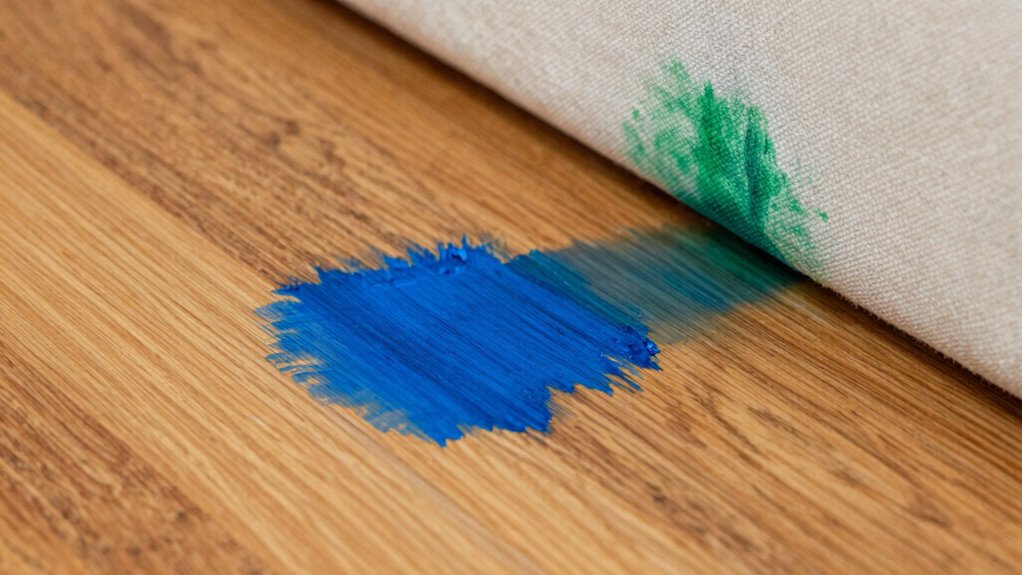
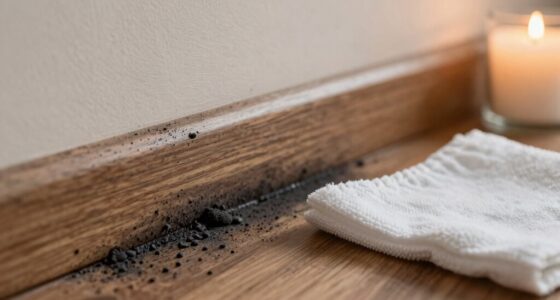
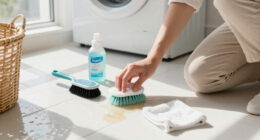
Have you ever found yourself frustrated by stubborn marker stains on your clothes or furniture? It’s a common dilemma, especially if you have kids around. When tackling these stains, it’s essential to approach the problem with the right strategies. For hard floors, start by blotting up as much of the marker ink as possible with a clean, dry cloth. Avoid rubbing, which can spread the stain or push it deeper into the surface. When it comes to cleaning solutions, eco-friendly options are a smart choice, especially in homes with children or pets. Many natural cleaners, like a mixture of white vinegar and water or a mild dish soap solution, are effective at breaking down ink stains on tile or hardwood floors. If the stain persists, applying a small amount of rubbing alcohol or a commercial stain remover designed for hard surfaces can help lift the ink. Always test a small, inconspicuous area first to prevent damage or discoloration.
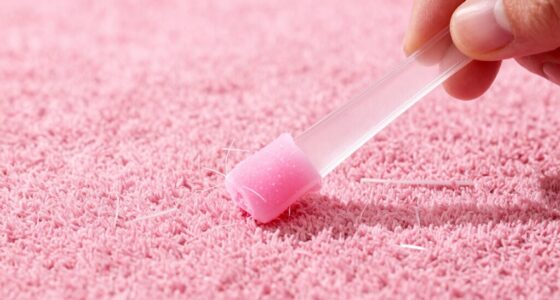
When it comes to fabric, the key is to act quickly. Blot the stain with a clean cloth to absorb excess ink, but don’t rub, as this can spread it further. For fabrics, particularly clothing or upholstery, eco-friendly cleaning solutions like diluted vinegar or baking soda paste work well. Apply a small amount directly to the stain and let it sit for a few minutes before gently blotting with a damp cloth. For more stubborn stains, consider using a natural stain remover made from plant-based ingredients. If you’re dealing with children’s clothes or fabric that can’t withstand harsh chemicals, child-proofing strategies include keeping cleaning products out of reach and using non-toxic solutions. This not only protects your little ones but also guarantees your cleaning methods are safe and environmentally friendly.
Additionally, using color-safe cleaning products can help preserve the integrity of fabrics while removing stains effectively. In all cases, patience is key. For both hard floors and fabric, repeat the process if necessary. The goal is to lift the stain without damaging the surface or fabric. Remember, the sooner you act, the better your chances of removing the marker completely. Using eco-friendly cleaning solutions not only benefits the environment but also keeps your home safe for everyone in it. With the right approach—quick action, gentle methods, and safe cleaning products—you can effectively remove marker stains and keep your home looking its best.
eco-friendly marker stain remover for hard floors
As an affiliate, we earn on qualifying purchases.
As an affiliate, we earn on qualifying purchases.
Frequently Asked Questions
Can Marker Stains Be Removed From Delicate or Antique Surfaces?
You can remove marker stains from delicate or antique surfaces, but you must be cautious. Use gentle, delicate surface cleaning methods to avoid damaging the finish. Test any cleaning solution in an inconspicuous area first. Avoid harsh chemicals that could harm the antique finish, and opt for mild, non-abrasive cleaners. Patience is key—taking your time helps preserve the integrity and beauty of delicate or antique surfaces while effectively removing stains.
Are There Eco-Friendly Methods for Removing Marker Stains?
Imagine a gentle breeze sweeping away stubborn marks—you can achieve this with eco-friendly solutions. Using natural stain removal methods like vinegar, baking soda, or lemon juice offers a safe, environmentally conscious way to lift marker stains. These natural options not only protect your surfaces and the planet but also keep your space free from harsh chemicals, making cleaning both effective and earth-friendly.
How Long Should I Let Cleaning Solutions Sit Before Wiping?
You should let cleaning solutions sit on the stain for about 5 to 10 minutes, allowing enough dry time to loosen marker residues. During this cleaning duration, avoid wiping prematurely, as it might spread the stain or make it harder to remove. After the designated dry time, gently wipe the area with a clean cloth. Patience guarantees better results, especially on delicate surfaces like fabric or finished hard floors.
Do Different Marker Brands Require Different Stain Removal Techniques?
Like different tools for different jobs, various marker brands often need unique stain removal techniques. Some markers have alcohol-based ink, so you might need rubbing alcohol, while others are water-soluble and respond well to soap and water. Always check the label for specific instructions, as trying the wrong method could set the stain. Adjust your approach based on the marker brand for the best results and avoid unnecessary damage.
Is Professional Cleaning Necessary for Old or Stubborn Marker Stains?
For old or stubborn marker stains, professional cleaning can be highly effective, but DIY cleaning might work first. Start with gentle solutions like rubbing alcohol or vinegar for fabric or hard floors. If stains persist, consider professional services, especially for delicate surfaces or extensive marks. They use specialized tools and solutions that you might not have, ensuring thorough removal without damaging your surfaces. Sometimes, professional help is the best way to restore your space.
natural stain remover for fabric upholstery
As an affiliate, we earn on qualifying purchases.
As an affiliate, we earn on qualifying purchases.
Conclusion
In the end, even the most vibrant marker moments can become gentle memories with the right approach. Whether on your sturdy floors or soft fabrics, knowing what works helps you turn potential mishaps into minor blips. Think of it as a chance to breathe new life into your space, embracing the small imperfections as part of your home’s unique story. With patience and the right tools, you’ll keep your environment looking fresh and inviting, no matter what comes your way.
vinegar water solution for stain removal
As an affiliate, we earn on qualifying purchases.
As an affiliate, we earn on qualifying purchases.
baking soda paste for fabric stains
As an affiliate, we earn on qualifying purchases.
As an affiliate, we earn on qualifying purchases.
Fall Picks
fall essentials
As an affiliate, we earn on qualifying purchases.