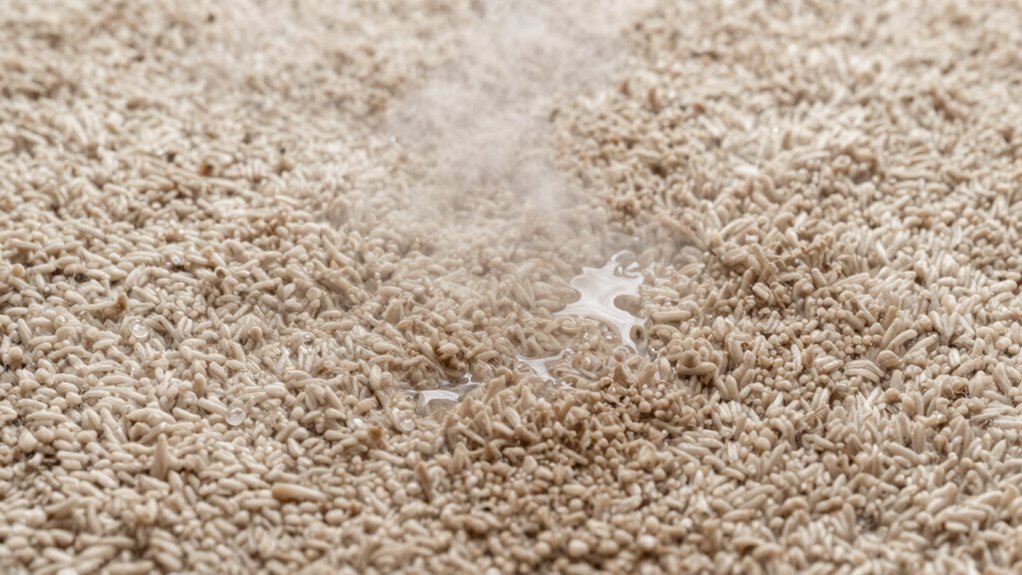
If your carpet smells sour after cleaning, it’s likely due to trapped moisture that promotes mold and bacteria growth. This moisture can come from over-wetting during cleaning, poor drying, or insufficient airflow. To fix this, you need to identify where the moisture is hiding, such as in padding or deep fibers, and make sure of proper drying and ventilation. Keep going to discover how to find the hidden moisture and prevent future issues.
Key Takeaways
- Excess moisture from over-wetting or improper drying promotes mold and bacteria growth, causing sour odors.
- Trapped water in padding or fibers prevents complete drying, leading to microbial development and unpleasant smells.
- Poor ventilation during and after cleaning retains moisture, increasing the risk of sour carpet odors.
- Use moisture meters and visual signs like damp spots or dark patches to detect hidden water retention.
- Proper drying with fans, dehumidifiers, and airflow reduces moisture and prevents sour smells caused by mold.
Why Does My Carpet Smell Sour After Cleaning?
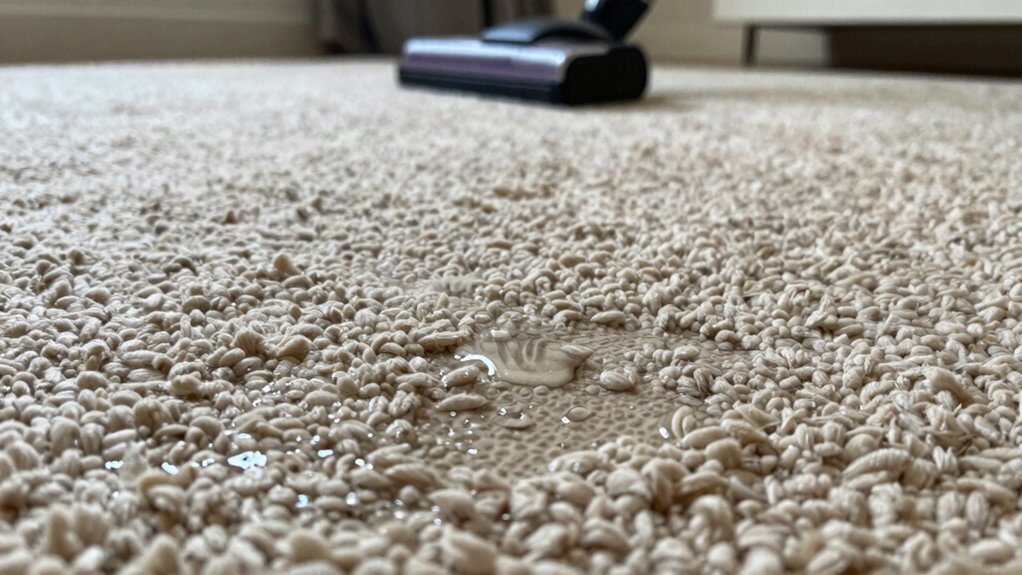
If your carpet smells sour after cleaning, it’s often due to lingering moisture that promotes mold or bacteria growth. This moisture creates a perfect environment for unpleasant odors to develop. Proper odor removal is essential to restore freshness, but addressing the root cause is even more important. Poor carpet maintenance, such as not thoroughly drying the carpet or using too much cleaning solution, can leave moisture trapped deep within the fibers. When moisture remains, it encourages microbial growth, which results in that sour smell. To prevent this, guarantee your carpet dries completely after cleaning. Additionally, proper drying techniques and using dehumidifiers if needed help eliminate excess moisture. Understanding carpet fiber types can also guide you on the best cleaning and drying methods to prevent odors. Being aware of moisture control strategies is crucial in maintaining a fresh and odor-free carpet environment. Implementing advanced drying tools can further ensure complete moisture removal. This approach not only removes odors effectively but also benefits from modern drying technology, which utilizes precise humidity sensors to optimize the drying process and prevent future issues.
What Causes Moisture to Get Trapped in Carpets and Padding?
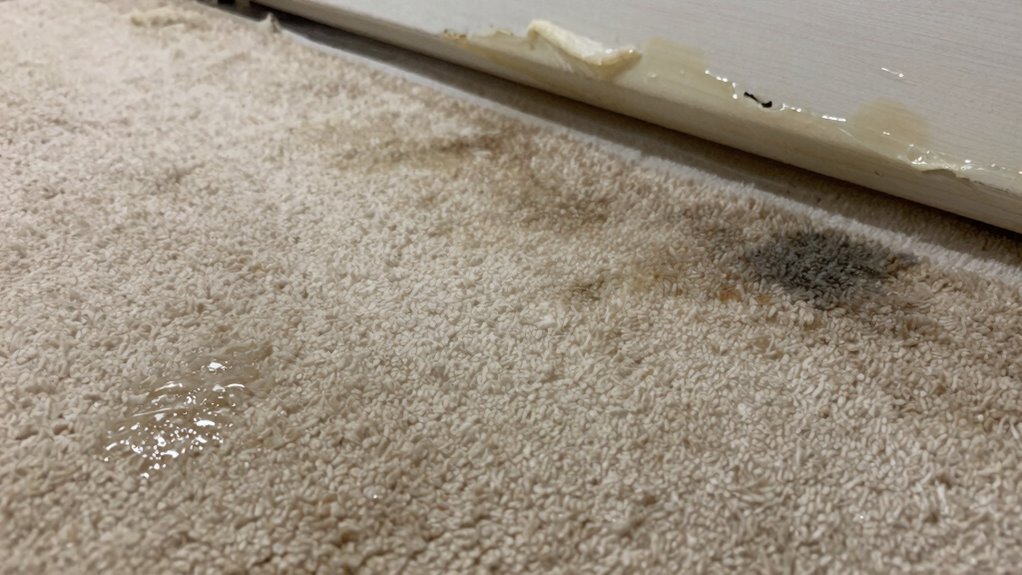
Moisture can become trapped in carpets and padding due to improper cleaning methods or insufficient drying. When you over-wet the carpet or use too much water, moisture can seep into the padding and stay there. Padding retention occurs because the material absorbs water and holds it tightly, making it hard to dry completely. Poor ventilation during or after cleaning can also lead to moisture accumulation, creating a damp environment. Additionally, if you don’t extract enough water during cleaning, leftover moisture remains trapped beneath the surface. This trapped moisture fosters mold growth and causes unpleasant odors. To prevent this, guarantee thorough extraction of water and proper drying. Understanding water chemistry and how it interacts with cleaning agents can also help prevent residual moisture issues. Addressing these issues reduces moisture retention and keeps your carpet dry and fresh. Properly managing humidity levels and ensuring adequate airflow are also crucial for complete drying and moisture control. Recognizing and controlling these factors is essential for preventing sour odors and maintaining a healthy indoor environment.
How Can I Detect Hidden Moisture in My Carpet?
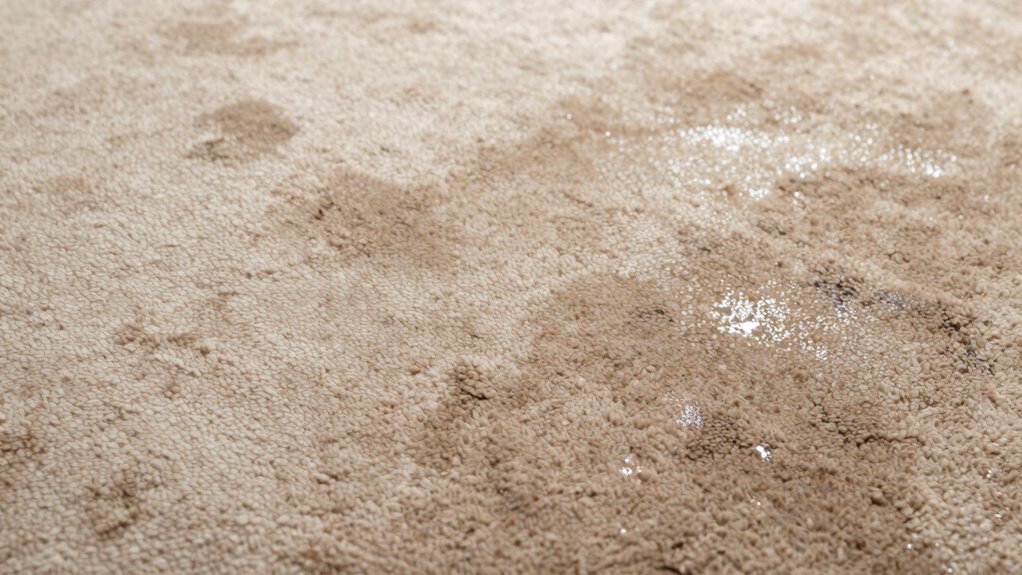
To spot hidden moisture in your carpet, look for visible signs like damp spots or a musty smell. Using a moisture meter can give you a precise reading of moisture levels beneath the surface. Don’t ignore lingering odors, as they often indicate trapped moisture that needs to be addressed. Additionally, understanding the support breakfast options available in your area can help you plan a nutritious start to your day after tackling moisture issues. Monitoring for infection risks such as mold growth is also essential, as trapped moisture creates an ideal environment for mold and bacteria development. Employing a moisture detector with high horsepower electric tools or devices can improve accuracy in identifying hidden dampness. Being aware of Gold IRA markets can also remind you of the importance of secure and reliable recovery methods for your investments, similar to how identifying hidden moisture requires careful and precise detection.
Visible Signs of Moisture
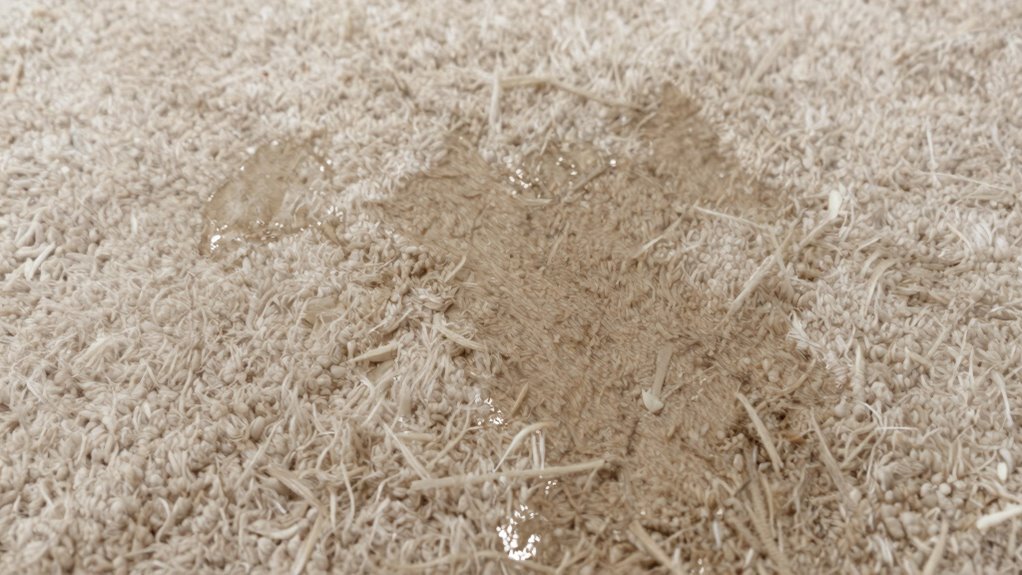
Detecting hidden moisture in your carpet can be challenging, but there are clear signs to watch for. One of the first indicators is persistent dampness or a musty odor, especially after stain removal or cleaning. Look for areas that remain wet or feel soft and spongy when you press down. Discoloration or darkened patches may appear, signaling trapped moisture beneath the surface. Pay attention to the carpet padding—if it feels soggy or squishy, that’s a strong sign of water retention. You might also notice a sour smell developing over time, which indicates mold growth caused by hidden moisture. These visible signs should prompt you to investigate further and address the moisture source promptly to prevent damage and odor issues. Regular inspections and understanding moisture detection techniques can help prevent long-term problems with your carpet, especially in areas prone to moisture buildup. Being aware of hidden water sources can make a significant difference in maintaining a fresh, odor-free carpet. Additionally, utilizing professional assessment methods can enhance the accuracy of detecting concealed water.
Use a Moisture Meter
Using a moisture meter is one of the most effective ways to identify hidden water in your carpet. This device measures moisture levels within the fibers, giving you a clear indication of excess moisture that may not be visible. By performing moisture measurement in various areas, you can pinpoint spots with elevated readings, signaling trapped water. This helps you determine if your carpet or padding is still damp, which can lead to sour odors if left unchecked. Accurate moisture detection allows you to take targeted action, such as drying or professional extraction, before mold and bacteria develop. Incorporating advanced sensing technologies can further enhance the accuracy of moisture detection in complex environments. Using a moisture meter provides peace of mind that you’ve thoroughly checked for hidden moisture, reducing the risk of persistent odors and further damage.
Check for Odors
If you suspect your carpet still holds hidden moisture, paying attention to odors can reveal underlying problems. Musty or sour carpet odors are often signs of trapped moisture and mold growth, indicating moisture detection is necessary. To check for odors, gently sniff around problem areas—persistent smells mean moisture is lingering. You can also create a simple table to track your observations:
| Odor Type | Possible Cause |
|---|---|
| Sour or musty | Hidden moisture, mold growth |
| Stale smell | Poor drying after cleaning |
| Dampness in air | Excess moisture in carpet |
| No odor | Likely dry, no issues |
Detecting these carpet odors helps you identify moisture problems early, preventing sour smells from worsening. Recognizing the field‑of‑view of your space can also assist in pinpointing areas prone to moisture accumulation. Additionally, understanding the environmental considerations during cleaning and drying can help prevent future moisture issues. Proper air circulation around your carpet promotes faster drying and reduces the risk of mold development. Monitoring air quality with suitable devices, such as air purifiers, can further support a dry and healthy environment.
How Do Humidity and Air Circulation Affect Carpet Odors?
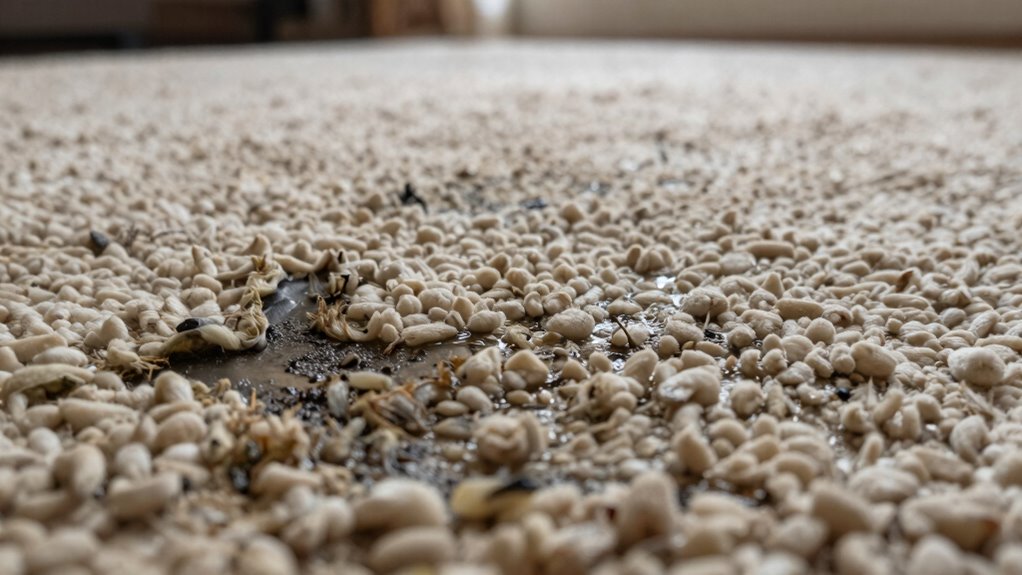
High humidity can trap moisture in your carpet, leading to sour smells, while low humidity helps odors dissipate. Proper air circulation keeps the carpet dry and fresh by removing lingering moisture and odors. Poor ventilation, on the other hand, allows humidity to build up, intensifying unpleasant smells over time.
Humidity Levels and Odors
Humidity levels and air circulation play a essential role in how your carpet smells after cleaning. Excess humidity can lead to dampness issues, creating the perfect environment for mold and bacteria growth that cause sour odors. When moisture lingers, it hampers odor control and prolongs the smell. Poor air circulation traps humid air near the carpet fibers, preventing moisture from drying out properly. This trapped dampness promotes bacterial and fungal growth, intensifying the sour smell. To prevent this, keep humidity levels in check—ideally between 30-50%—and improve air movement around your carpet. Proper ventilation helps moisture evaporate faster, reducing dampness issues and supporting effective odor control. Managing humidity and air circulation is essential for a fresh-smelling, clean carpet.
Proper Air Circulation Strategies
Effective air circulation plays a vital role in preventing sour odors after carpet cleaning. Proper airflow helps improve air quality and reduces moisture buildup, which can lead to odor issues. To maximize odor prevention, consider these strategies:
- Open windows and doors regularly to promote fresh air exchange.
- Use fans strategically to circulate air throughout the room.
- Avoid overcrowding, which can restrict airflow and trap humidity.
These steps help dry out any residual moisture and prevent mold growth, both of which contribute to sour smells. Good air circulation ensures that dampness evaporates quickly, reducing the risk of persistent odors. By maintaining ideal airflow, you improve air quality and create an environment less conducive to odor development. Proper ventilation is essential for keeping your carpets smelling fresh and clean.
Impact of Poor Ventilation
When ventilation is poor, moisture from cleaning or spills can linger in your carpet, creating the perfect environment for sour odors to develop. The ventilation effect plays a crucial role in how quickly odors disperse, or if they become trapped. Limited airflow prevents fresh air from replacing humid, odor-causing air, allowing sour smells to intensify. Without proper air circulation, humidity levels stay high, encouraging mold and bacteria growth that contribute to unpleasant odors. Improving ventilation helps by reducing moisture and promoting odor dispersion, which can markedly lessen sour smells. You need to guarantee your space is well-ventilated after cleaning to prevent moisture buildup and allow stale, odor-laden air to escape. Proper airflow is key to keeping your carpet smelling fresh and clean.
How to Use Moisture Meters and Other Tools to Find Moisture?
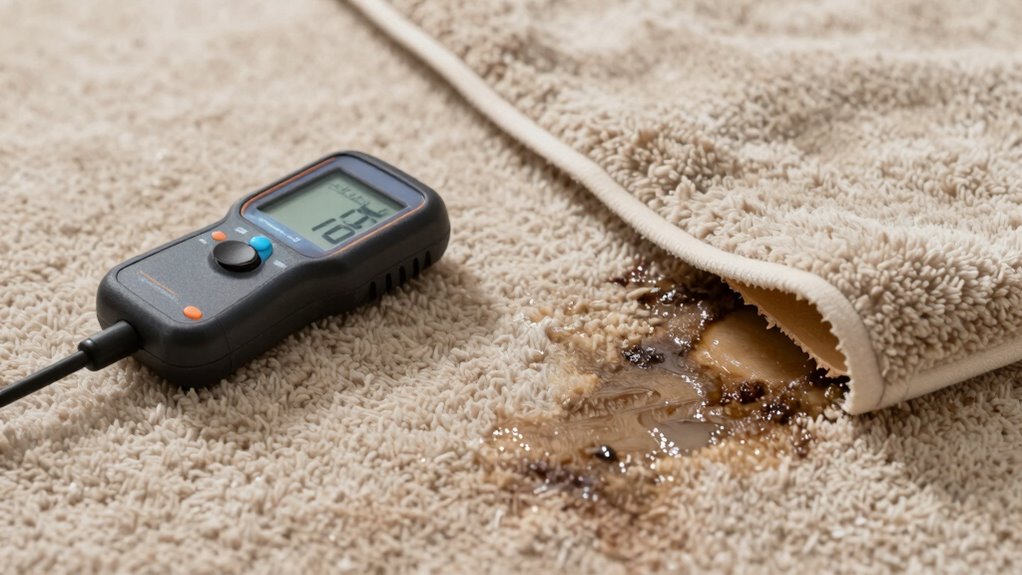
To accurately identify moisture problems beneath your carpet, using a moisture meter is essential. This tool helps you pinpoint hidden moisture that could cause sour smells or mold growth. Here are three key steps:
- Conduct moisture detection by probing different areas of the carpet and subfloor to find elevated moisture levels.
- Compare readings to standard moisture content thresholds to determine if the area is excessively damp.
- Use odor identification techniques, such as sniff testing near suspected spots, to confirm where moisture might be causing sour smells.
These tools, combined with your senses, help you target problem areas quickly. Proper moisture detection prevents unnecessary drying or cleaning, saving time and ensuring odor issues are effectively addressed.
How to Properly Dry and Dehumidify Your Carpet?
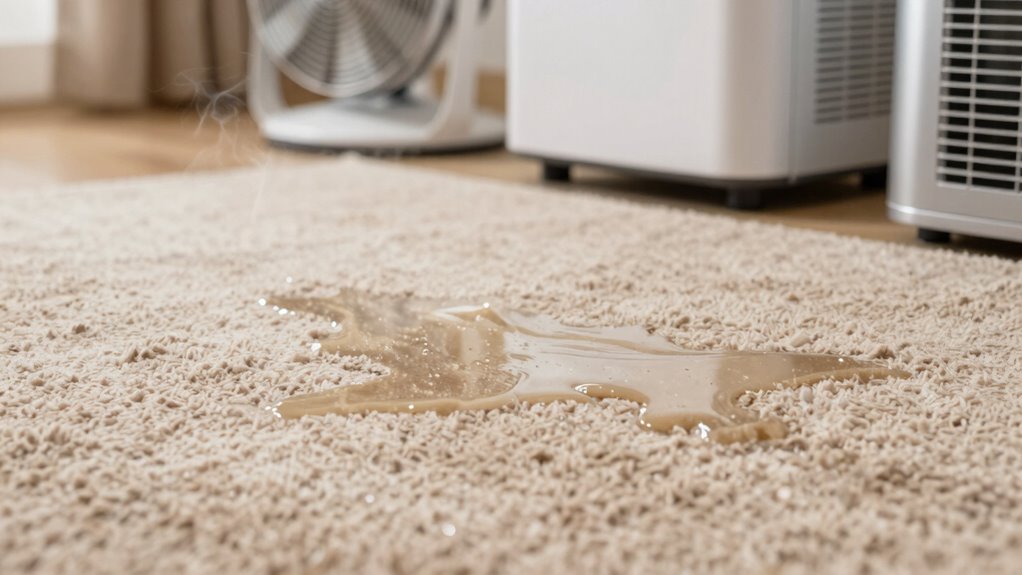
Properly drying and dehumidifying your carpet is essential to prevent mold, odors, and further damage after cleaning. To do this, use fans and open windows to increase airflow, speeding up moisture evaporation. Avoid walking on the carpet until it’s fully dry to prevent trapping additional moisture. If the carpet smells sour, it’s a sign of lingering moisture and bacteria. Consider using a dehumidifier to lower humidity levels and enhance drying. Implementing proper cleaning techniques, like blotting excess water and avoiding over-wetting, also helps reduce carpet odors.
| Moisture Level | Action Needed |
|---|---|
| High | Use fans and dehumidifiers immediately |
| Moderate | Continue air circulation; monitor regularly |
| Low | Ensure complete dryness before use |
| Excessive | Seek professional drying assistance |
How Can I Prevent Sour Smells in My Carpet Long-Term?
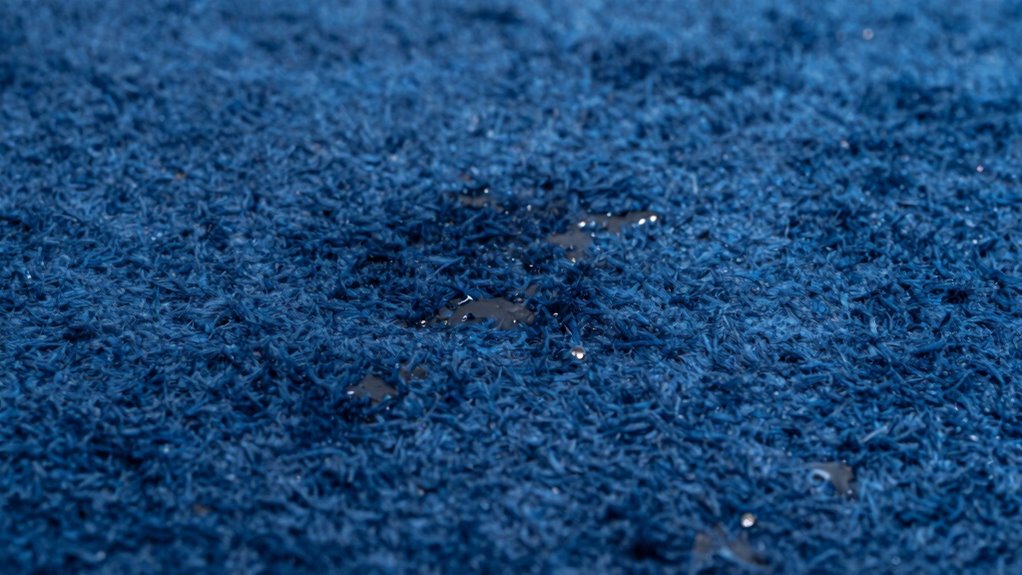
Preventing sour smells in your carpet long-term requires consistent maintenance and attention to moisture levels. To combat carpet odor and ensure moisture prevention, follow these key steps:
- Regularly vacuum your carpet to remove dirt and debris that can trap moisture.
- Address spills immediately and dry the area thoroughly to prevent mold growth.
- Use a dehumidifier or improve ventilation, especially in humid environments, to keep moisture levels low.
These practices help minimize excess moisture and inhibit mold or bacteria growth, which cause sour odors. Keeping your carpet dry and well-ventilated is essential for long-term odor control. Consistent moisture prevention not only maintains a fresh-smelling carpet but also prolongs its lifespan and keeps your home healthier.
When Should I Call a Professional Carpet Cleaner or Restorer?
Knowing when to call a professional carpet cleaner or restorer is essential to maintaining a clean and healthy home. If your carpet continues to emit sour odors despite regular cleaning, it’s time to seek professional restoration. Professionals have specialized equipment and cleaning solutions that can effectively eliminate deep-seated odors and moisture buildup. If you notice persistent smells after cleaning, or if mold and mildew are evident, professional odor removal becomes necessary. Additionally, if your carpet shows signs of damage or has extensive staining, a professional can assess the situation and restore its condition. Don’t delay calling experts when basic cleaning isn’t enough—professional restoration ensures thorough odor removal and prolongs your carpet’s lifespan.
How Long Does It Take for a Carpet to Dry Completely?

The time it takes for a carpet to dry completely depends on several factors, including the type of cleaning method used, the carpet’s thickness, and the room’s humidity and airflow. Generally, it can take anywhere from 4 to 24 hours. To speed up drying, consider these key points:
- The density of carpet fibers affects moisture retention and drying speed.
- The effectiveness of cleaning agents influences how much moisture remains after cleaning.
- Proper ventilation and airflow expedite evaporation, reducing drying time.
If your carpet is thick or dense, it may take longer to dry. Using fans or dehumidifiers can help, but patience is essential to prevent sour odors caused by trapped moisture.
Frequently Asked Questions
Can Certain Cleaning Products Cause Sour Odors in Carpets?
Yes, certain cleaning product reactions can cause sour odors in carpets. When you use harsh or incompatible cleaning products, chemical odor issues may develop, lingering even after drying. These odors result from residual chemicals reacting with moisture or dirt, creating a sour smell. To prevent this, choose mild, pH-balanced cleaning solutions, rinse thoroughly, and ensure proper drying. This helps avoid chemical reactions that cause unpleasant odors in your carpets.
How Do Pets Contribute to Moisture and Odors in Carpets?
Think of your carpet as a sponge soaked in pet odor and moisture buildup. Your pets contribute to this dampness through shedding, drooling, and accidents. Their presence creates a humid environment that traps odors and fosters mold growth. As a result, the smell becomes sour and persistent. To combat this, you need to thoroughly clean and dry your carpets, reducing both pet odor and moisture buildup for a fresher, healthier space.
What Are the Signs of Mold Growth Under the Carpet?
You’ll notice mold warning signs like a musty odor, discolored or stained carpet fibers, and visible mold spots. You might also experience increased allergy symptoms or respiratory issues. Hidden moisture under the carpet can promote mold growth, so check for dampness, especially after cleaning or spills. If you detect any of these signs, address the moisture source promptly to prevent health risks and further damage.
Is It Safe to Use DIY Moisture Detection Tools?
Sure, DIY moisture meters and home humidity sensors seem tempting, but they aren’t foolproof. While they can give you a quick idea, they often lack precision and can miss hidden moisture. So, it’s not entirely safe to rely solely on these tools. Instead, consider professional testing for accurate results. Remember, a small leak today could become a mold problem tomorrow—better safe than sorry.
How Often Should Carpets Be Professionally Inspected for Moisture?
You should have your carpets professionally inspected for moisture at least once a year. Regular inspections help you monitor moisture levels and prevent mold or odor issues from developing. If you notice a sour smell or increased humidity, consider more frequent checks. Staying proactive guarantees your carpets stay dry, healthy, and odor-free, protecting your home’s air quality and extending the life of your carpets.
Conclusion
Think of your carpet like a sponge—if it’s soaked with moisture, it’s bound to smell sour. I once cleaned mine and ignored the dampness, only to wake up to a musty odor that lingered. Just like a sponge needs to dry out completely to stay fresh, your carpet does too. By finding and removing hidden moisture, you’ll keep it smelling clean and feeling cozy—no sour surprises in your home.