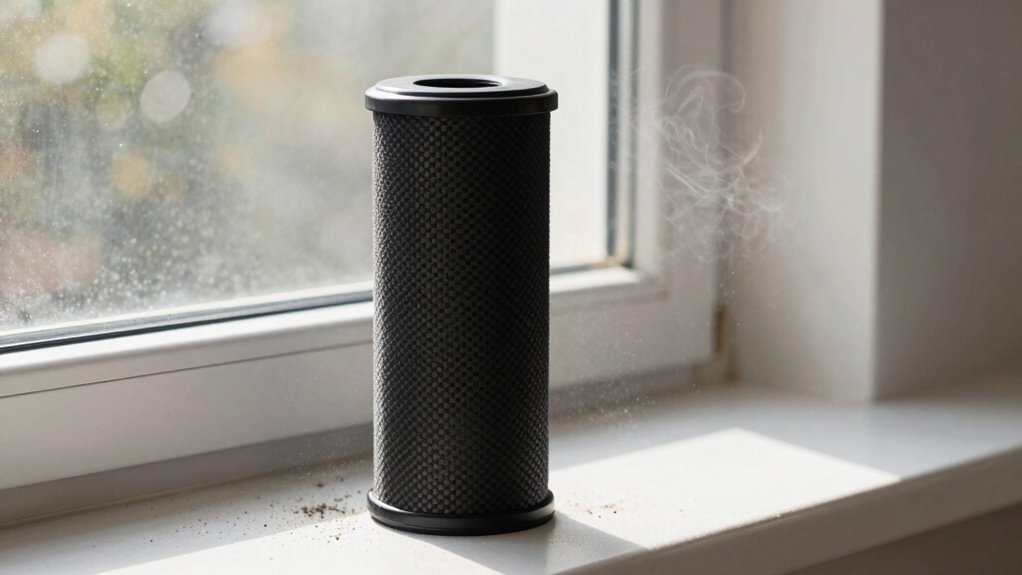
Carbon filters help control odors by trapping gas molecules with activated charcoal’s porous structure, neutralizing smells effectively. However, they don’t remove settled dust or particulate matter from the air, because those solid particles are too large to be absorbed. You’ll need other filters, like HEPA, for dust. To learn how these filters work together and keep your air fresh, continue exploring the details behind their unique functions.
Key Takeaways
- Carbon filters absorb gaseous odors through adsorption but do not filter out solid dust particles.
- Activated charcoal’s porous surface traps odor molecules but cannot capture settled dust or pollen.
- They are effective against persistent smells but require separate filters, like HEPA, for dust removal.
- Filter saturation reduces odor absorption efficiency, necessitating regular replacement for continued performance.
- Combining carbon filters with particulate filters provides comprehensive air purification for odors and dust.
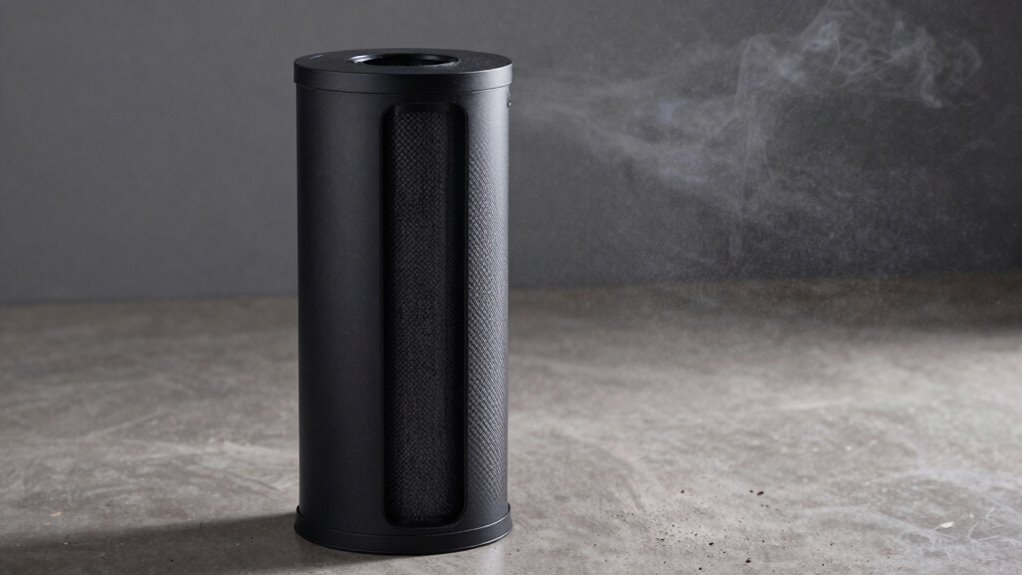
Have you ever wondered how to effectively eliminate unpleasant odors from your home or grow space? If so, you’ve probably heard about carbon filters and their ability to tackle odors. These filters use activated charcoal, a highly porous form of carbon, to absorb and neutralize smells. When air passes through a carbon filter, the activated charcoal attracts odor molecules, trapping them within its tiny pores through a process called odor absorption. This makes carbon filters incredibly effective at removing strong, persistent smells like cooking fumes, pet odors, or greenhouse odors, leaving your environment smelling fresh and clean.
What sets activated charcoal apart is its vast surface area, which provides numerous sites for odor molecules to adhere to. When you install a carbon filter, it acts like a sponge for airborne smells, pulling in polluted air and trapping the odor-causing particles before they circulate into your living or grow space. You’ll notice a significant reduction in smells relatively quickly, especially if the filter is properly maintained and replaced regularly. This ongoing process guarantees that the air quality remains high, and the odors don’t have a chance to build up again. Proper maintenance also helps prevent filter saturation and ensures the continued effectiveness of the filtration system.
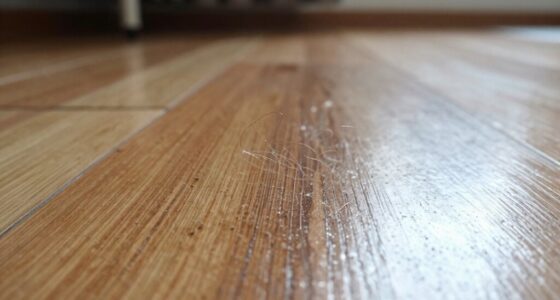
However, it’s important to understand what carbon filters do and don’t do. While they excel at odor absorption, they don’t remove settled dust or other particulate matter from the air. If dust or pollen are your main concerns, you’ll need additional filtration methods, like HEPA filters, which are designed to trap tiny particles. Carbon filters are specifically tuned for gases and odors, making them ideal for controlling smell but not for dust removal.
You should also keep in mind that activated charcoal has a limited capacity for odor absorption. Over time, the pores become saturated with odor molecules, and the filter’s effectiveness diminishes. That’s why regular replacement or regeneration of the filter is essential to maintain top-notch odor control. If you notice odors creeping back or the air quality declining, it’s likely time for a new filter. Additionally, understanding the conservation of resources can help you use and replace filters responsibly to support sustainable practices.

Bagean Cut to Fit Activated Carbon Filter Sheet 16” x 48” Carbon Air Filter
- Freshens Air: Removes odors for a clean environment
- Highly Absorbent: Made from coconut shell carbon
- Superior Odor Removal: Enhanced with extra carbon for better performance
As an affiliate, we earn on qualifying purchases.
As an affiliate, we earn on qualifying purchases.
Frequently Asked Questions
Can Carbon Filters Eliminate All Types of Household Odors?
Carbon filters can’t eliminate all household odors because their effectiveness depends on the type and intensity of the smell. They work best on common odors like cooking or pet smells but struggle with strong or persistent odors. To maintain their effectiveness, you need regular filter maintenance, replacing filters as recommended. Keep in mind that for some odors, combining carbon filters with other air purifier features can improve overall air quality.
How Often Should I Replace My Carbon Filter for Optimal Odor Control?
You should replace your carbon filter every 3 to 6 months for ideal odor absorption. Regular filter maintenance guarantees it continues to trap odors effectively. Keep an eye on noticeable odors or decreased air quality as signs it’s time for a change. By replacing your filter on schedule, you maintain fresh indoor air, prevent buildup, and maximize the filter’s ability to absorb unwanted smells.
Do Carbon Filters Affect Air Humidity Levels?
Think of carbon filters as silent guardians—they focus on odors but don’t influence humidity levels. They don’t affect moisture control or air humidity because their main role is trapping gases and smells, not regulating moisture. So, if you’re aiming to control humidity, you’ll need a humidifier or dehumidifier. Keep in mind, carbon filters keep the air smelling fresh but don’t alter the moisture content in your environment.
Are Carbon Filters Effective Against Pet Odors?
Yes, carbon filters are effective against pet odors because they absorb airborne smells and pollutants. While pet hair and allergen reduction are mainly addressed by HEPA filters, carbon filters specifically target and neutralize odors caused by pets. You’ll notice fresher indoor air as the activated charcoal binds with the odor molecules, making your space more comfortable. Combining both filters offers thorough cleaning—reducing pet hair, allergens, and persistent pet odors.
Can Carbon Filters Remove Smoke or Chemical Smells?
Yes, carbon filters are effective for removing smoke and chemical smells through air purification. They work by chemical absorption, trapping odors and volatile compounds in their activated carbon layers. When you run your filter, it captures airborne chemicals from smoke and fumes, considerably reducing unpleasant smells. Keep in mind, while great for odors, they don’t filter out settled dust, so combining them with HEPA filters improves overall air quality.
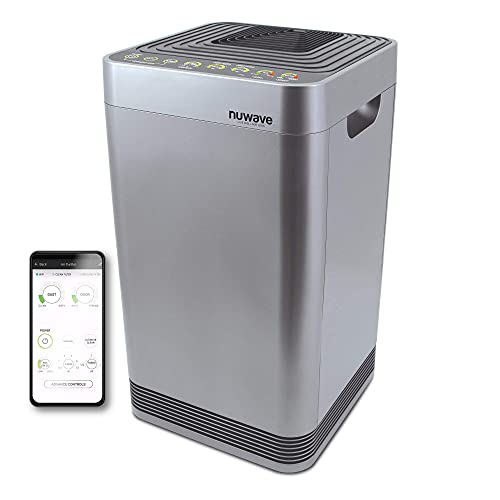
Nuwave Smart Air Purifier, Includes 8 Additional HEPA/Carbon Combo Filters
- Coverage Area: Purifies up to 2,934 sq. ft.
- Smart Technology: Auto and turbo modes with app control
- Fan Speed Options: 6 adjustable speeds for up to 12 hours
As an affiliate, we earn on qualifying purchases.
As an affiliate, we earn on qualifying purchases.
Conclusion
Think of carbon filters as the perfume for your air—they excel at masking unwanted odors, making your space smell fresh and inviting. However, they’re not the broom sweeping away settled dust; for that, you need a good vacuum or air purifier with a HEPA filter. So, while carbon filters are your air’s scent-sational sidekick, don’t forget to bring in other tools to clear out the dust, turning your home into a truly breath-friendly haven.

Activated Charcoal Odor Absorber for Strong Odors in Car, Closet, Shoe, Basement. 10 Activated Charcoal Bags Odor Absorbers for Home. Bamboo Charcoals Air Purifying Bag Charcoals Deodorizer Eliminator
- Includes 10 Activated Charcoal Bags: Effective odor absorption for various spaces
- Hanging Design with Hooks: Easy to place in closets, cars, and more
- Natural Non-Toxic Odor Removal: Contains porous activated bamboo charcoal
As an affiliate, we earn on qualifying purchases.
As an affiliate, we earn on qualifying purchases.

8 Pack Carbon Filters Compatible with Litter Robot 4
- Compatibility: Fits Litter Robot 4 only
- Durable Material: Thickened activated carbon fiber
- Enhanced Filtration: High adsorption for odors
As an affiliate, we earn on qualifying purchases.
As an affiliate, we earn on qualifying purchases.