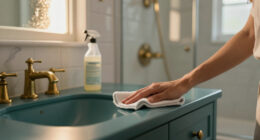
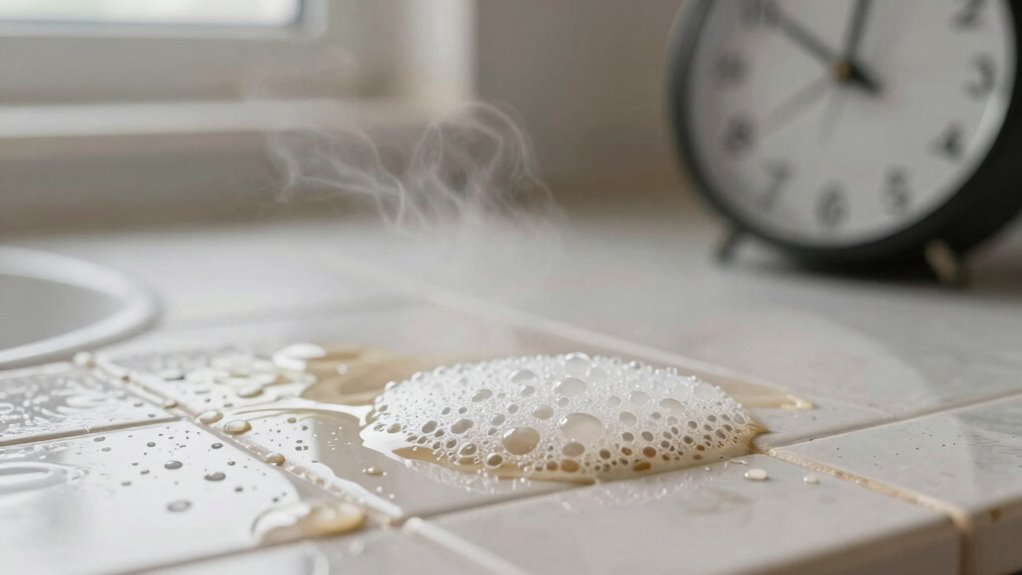
Enzyme cleaners need time to work because they break down stains at a molecular level rather than through friction. When you let the cleaner sit, it allows the enzymes to penetrate and dissolve stains effectively. Rushing the process can hinder their performance, making it harder to achieve desired results. By giving them time to act, you’re maximizing their cleaning power and ensuring a gentle approach that protects your surfaces. You’ll discover more tips on improving your cleaning routine.

Get cleaning gear delivered free — and shop member deals
- Fast, free delivery on millions of items
- Access to Prime Big Deal Days deals on October 6–7
- Prime Video, Amazon Music and more included
Key Takeaways
- Enzymes require time to penetrate stains and break them down at a molecular level for effective cleaning.
- Scrubbing can push stains deeper, hindering enzyme action and prolonging stain removal.
- Allowing the cleaner to sit enhances enzyme activity, leading to better stain removal results.
- Gentle cleaning methods reduce wear on fabrics and surfaces while allowing enzymes to work effectively.
- Enzyme cleaners are designed for slow, steady action, making time a crucial factor in their effectiveness.
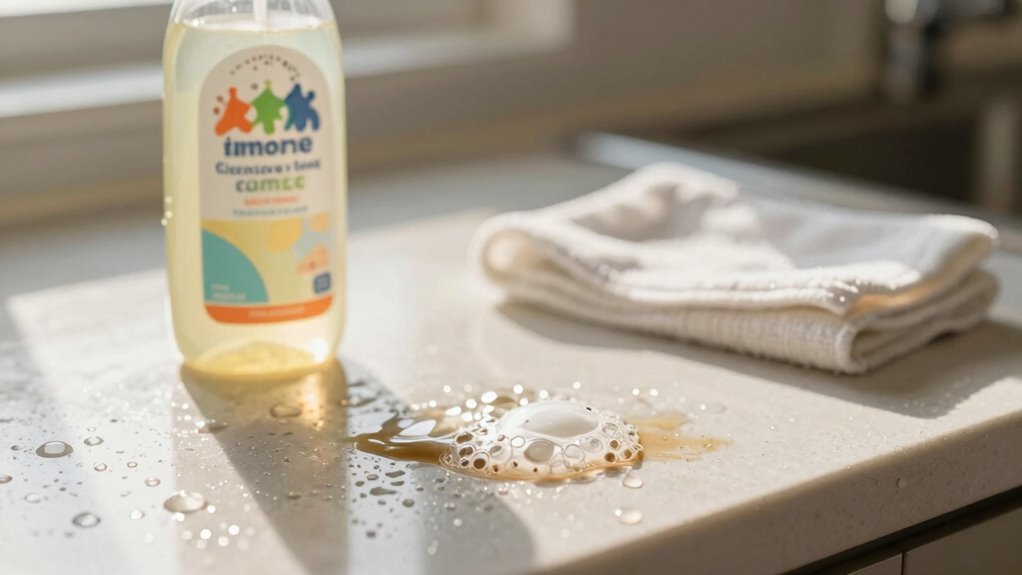
When you’re tackling tough stains or odors, enzyme cleaners can be your secret weapon. Unlike traditional cleaners that rely on friction and scrubbing, enzyme cleaners work differently. They use natural, biodegradable ingredients to break down stains and odors at a molecular level. This means you don’t have to exert unnecessary effort; you just need to give the enzymes time to do their magic.
The key to effective stain removal with enzyme cleaners lies in their unique action. Enzymes are proteins that speed up chemical reactions, breaking down complex substances into simpler ones. When you apply an enzyme cleaner, it targets specific stains—like those from food, pet messes, or sweat—and breaks them down. This process takes time, which is often overlooked in favor of scrubbing. Instead of rushing, you should allow the cleaner to sit for a while, giving the enzymes the opportunity to work their way into the stain. Proper application techniques can enhance the effectiveness of enzyme cleaners. Additionally, understanding the biochemical process behind enzymes can help you optimize their use for different types of stains. Recognizing the importance of enzyme activity duration can significantly improve your cleaning results.
The effectiveness of enzyme cleaners lies in their ability to break down stains over time, allowing for deep, effortless cleaning.
You might be tempted to scrub vigorously, thinking that more effort will yield better results. However, this approach can be counterproductive. Scrubbing can push the stain deeper into the fabric or surface, making it harder to remove. By letting the enzyme cleaner sit, you’re allowing the biodegradable ingredients to penetrate the stain fully, breaking it down from the inside out. This gentle yet effective method ultimately leads to better outcomes without the wear and tear on your surfaces. Understanding how enzymes work at a molecular level can help you better appreciate their slow but steady cleaning power.
Another benefit of enzyme cleaners is that they’re often safer for the environment and your home. Since they’re made from biodegradable ingredients, you don’t have to worry as much about harmful chemicals lingering in your space. You can feel good about using a product that’s effective yet eco-friendly. Plus, without the need for heavy scrubbing, you’ll save energy and time, making your cleaning routine more efficient. Biodegradable ingredients make enzyme cleaners a sustainable choice for eco-conscious households.
Frequently Asked Questions
Can Enzyme Cleaners Be Used on All Surfaces?
Enzyme cleaners aren’t suitable for all surfaces. Their surface compatibility can vary, so you should always check the label first. While they work wonders on organic stains like pet messes, they might damage delicate surfaces like silk or certain plastics. For ideal cleaning efficiency, test a small area before full application. This way, you’ll guarantee your surfaces remain safe and clean without any unwanted damage from the enzyme cleaner.
How Long Should I Let Enzyme Cleaners Sit?
You should let enzyme cleaners sit for at least 15 to 30 minutes for ideal effectiveness. The application timing is essential, as it allows the enzymes to break down stains and odors effectively. If you’re dealing with tougher messes, consider extending the wait time to an hour or more. Just remember, the longer you let it sit, the more thorough the cleaning will be, so don’t rush the process!
Are Enzyme Cleaners Safe for Pets and Children?
Yes, enzyme cleaners are generally safe for pets and children when used as directed. They break down organic materials without harsh chemicals, making them a safer choice for homes with little ones and furry friends. However, you should always check the specific product’s label for any warnings. To guarantee pet safety and child safety, keep the area ventilated and supervise them until the cleaner has dried completely.
What Types of Stains Do Enzyme Cleaners Work Best On?
Enzyme cleaners excel at tackling protein-based stains, organic stains, stubborn odors, and biological residues. They break down these substances effectively, making them ideal for pet messes, food spills, and sweat stains. You’ll find that by using enzyme cleaners, you can restore your surfaces without harsh scrubbing. Just apply, let it sit, and watch the enzymes do their magic, leaving your space fresh and clean without damaging delicate fabrics or surfaces.
How Do Enzyme Cleaners Differ From Traditional Cleaners?
Enzyme cleaners differ from traditional cleaners by focusing on biological breakdown rather than just surface cleaning. While traditional cleaners often rely on harsh chemicals and friction to remove stains, enzyme cleaners use natural enzymes to break down organic materials, enhancing cleaning efficiency. You’ll find that enzyme cleaners tackle stains more effectively over time, allowing them to penetrate and digest dirt, odors, and grime, resulting in a deeper and more sustainable clean.
Conclusion
In the world of cleaning, patience is your ally while friction is just a fleeting touch. Imagine letting enzyme cleaners work their magic, like a gentle rain soaking into parched soil, breaking down stains effortlessly. Instead of scrubbing furiously, let the enzymes dance and dissolve the dirt, transforming your surfaces with time. Embrace the calm, and watch as stubborn messes yield to the quiet power of nature’s tiny warriors, proving that patience truly pays off.
Fall Picks
fall essentials
As an affiliate, we earn on qualifying purchases.