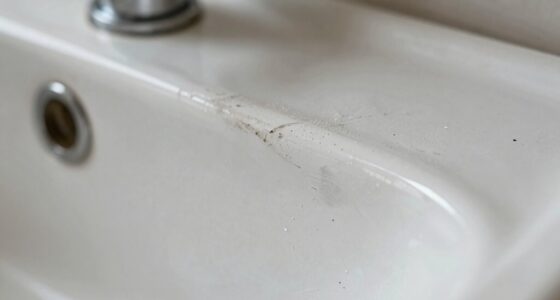
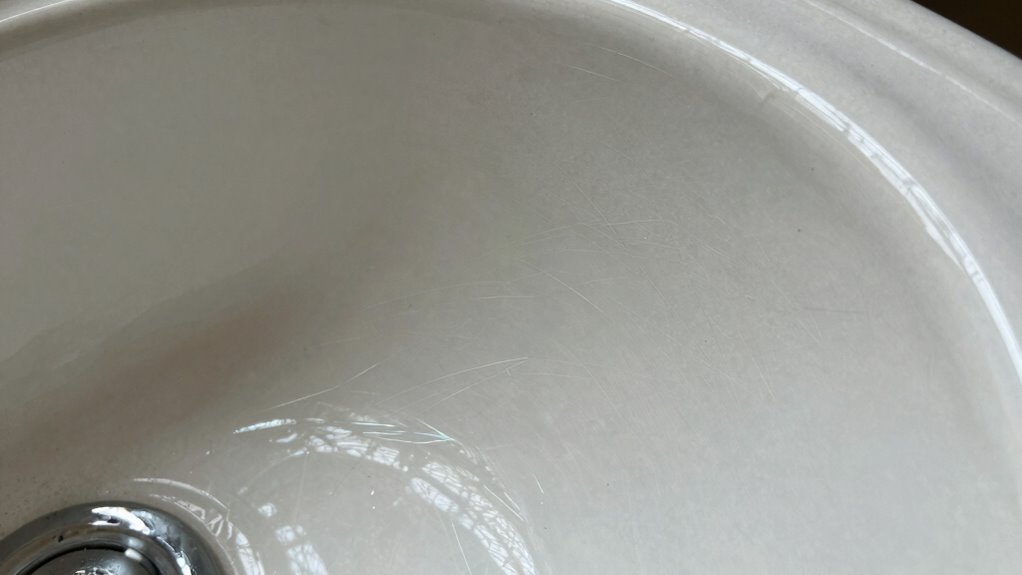

Using abrasive cleaners can make your cleaning easier, but too much scrubbing or harsh ingredients can scratch or damage delicate surfaces like glass, plastic, or ceramic. Over-aggressive abrasive use wears down finishes and causes permanent marks, often making things look worse rather than cleaner. To avoid this, it’s important to choose gentle or natural abrasive options and learn proper cleaning techniques. Keep going to discover tips on how to protect your surfaces and clean safely.

Get cleaning gear delivered free — and shop member deals
- Fast, free delivery on millions of items
- Access to Prime Big Deal Days deals on October 6–7
- Prime Video, Amazon Music and more included
Key Takeaways
- Excessive or harsh abrasives can scratch and dull sensitive surfaces like glass and plastics.
- Using strong abrasives improperly may cause irreversible surface damage over time.
- Gentle, natural abrasives like baking soda are safer for delicate materials and reduce the risk of scratches.
- Selecting the right abrasive level based on surface type prevents scrapes and maintains finish quality.
- Eco-friendly, mild abrasives provide effective cleaning without harming surfaces or the environment.

Abrasives are common ingredients in many cleaning products, helping to remove tough stains, dirt, and grime effectively. But while they’re excellent at tackling stubborn messes, they can also cause damage if used improperly. That’s why it’s essential to understand when abrasives become too harsh and how to opt for safer, more sustainable options. If you’re concerned about scratching delicate surfaces or harming the environment, exploring gentle alternatives and eco-friendly options is a smart move.
You might think that stronger abrasives always do a better job, but that’s not necessarily true. For softer surfaces like glass, ceramics, or certain plastics, rough abrasives can leave scratches or dull the finish. Instead of reaching for abrasive cleaners that might harm these materials, look for gentle alternatives. These products use mild abrasives or natural ingredients like baking soda or pumice that effectively clean without the risk of damage. They’re designed to be safe on a variety of surfaces, reducing the chance of scratches and preserving the appearance of your belongings.
Gentle alternatives protect delicate surfaces from scratches and dullness.
Eco-friendly options are increasingly popular because they minimize environmental impact and often contain natural ingredients that are biodegradable and less toxic. For example, products made with plant-based abrasives or mineral-based scrubbing agents deliver cleaning power without using harsh chemicals or microbeads that pollute waterways. Choosing eco-friendly options also means you’re reducing your carbon footprint and supporting sustainable manufacturing practices. Many brands now offer concentrated formulas or refillable containers, further reducing waste and packaging waste.
Another benefit of opting for gentle and eco-friendly abrasives is that they are generally safer for your health. Harsh chemicals can cause skin irritation or respiratory issues, especially if you’re using cleaning products frequently. By switching to milder alternatives, you protect yourself and your family from unnecessary exposure to toxic substances. Plus, these options tend to have a more pleasant scent and are less likely to cause allergic reactions. Additionally, understanding piercing care and hygiene can help you maintain your body jewelry in a safe and healthy way, preventing infections and irritation.
Ultimately, knowing when abrasives become damaging and choosing the right cleaning approach makes a big difference. You don’t have to settle for aggressive scrubbing to get surfaces clean. Instead, explore gentle alternatives and eco-friendly options that work effectively while protecting your surfaces, your health, and the environment. Your cleaning routine becomes more sustainable and safer, ensuring that you maintain the beauty of your home without unnecessary damage.
gentle abrasive cleaner for glass
As an affiliate, we earn on qualifying purchases.
As an affiliate, we earn on qualifying purchases.
Frequently Asked Questions
Are Natural Abrasives Safer Than Synthetic Ones?
Natural abrasives are generally safer than synthetic ones because they’re biodegradable and less likely to scratch surfaces. You avoid synthetic abrasive risks like scratches or damage from harsh particles. By choosing biodegradable abrasives, you protect your environment while cleaning effectively. Always check the product labels to guarantee the abrasive is natural and gentle, especially on delicate surfaces, so you prevent unnecessary damage and maintain a safe cleaning routine.
How Do I Identify if an Abrasive Is Too Harsh?
You can tell if an abrasive is too harsh by checking its abrasive effectiveness and surface compatibility. If it scratches or dulls the surface, it’s too abrasive. Test a small, hidden area first to see how it reacts. Look for signs like surface discoloration, etching, or roughness. Use gentler options if you’re unsure, and always match the abrasive’s strength to the material you’re cleaning to prevent damage.
Can Abrasive Cleaners Damage Sensitive Surfaces?
Yes, abrasive cleaners can damage sensitive surfaces if you’re not careful. To prevent this, use gentle polishing techniques and always perform a surface test in a small, inconspicuous area first. If the surface shows signs of scratching or dulling, stop immediately. This approach helps you identify whether the abrasive is too harsh and protects delicate surfaces from permanent damage.
What Are Eco-Friendly Abrasive Alternatives?
You can use eco-friendly abrasive alternatives like biodegradable abrasives and plant-based scrubs. These options effectively clean without harming surfaces or the environment. Biodegradable abrasives break down naturally, reducing waste, while plant-based scrubs use natural ingredients like baking soda, walnut shells, or coconut husks. By choosing these, you get effective cleaning power without exposing yourself or the planet to harsh chemicals, making your cleaning routine safer and greener.
How Should Abrasive Cleaners Be Stored Safely?
You should store abrasive cleaners in a secure, labeled container away from children and pets to guarantee proper storage. Keep them in a cool, dry place, and avoid exposure to heat or moisture that could cause leaks or deterioration. Always tightly seal the container after use to prevent accidental exposure. Proper storage not only maintains the cleaner’s effectiveness but also minimizes risks of spills, injuries, or accidental contact.
eco-friendly baking soda cleaning powder
As an affiliate, we earn on qualifying purchases.
As an affiliate, we earn on qualifying purchases.
Conclusion
So, next time you’re reaching for that cleaner, remember: those abrasives can do more harm than good if you’re not careful. Sometimes, a gentle touch works just as well—who knew that a little elbow grease might actually save your surfaces? It’s funny how a simple coincidence, like discovering a softer scrub works better, can change your cleaning routine forever. Keep an eye on those ingredients, and your surfaces will thank you for it—no surprises needed.
natural mineral scrubber for delicate surfaces
As an affiliate, we earn on qualifying purchases.
As an affiliate, we earn on qualifying purchases.
refillable eco-friendly cleaning scrub
As an affiliate, we earn on qualifying purchases.
As an affiliate, we earn on qualifying purchases.
Fall Picks
fall essentials
As an affiliate, we earn on qualifying purchases.