
If your wet-dry floor washer smells sour, it means mold, bacteria, or debris have built up inside the internal pathways. To clean it, unplug the device, remove and wash detachable parts like filters and brushes with warm, soapy water, then disinfect internal channels with vinegar or a manufacturer-approved cleaner. Make sure everything dries thoroughly before reassembling. For detailed steps and tips on preventing future odors, continue exploring how to properly clean and maintain your machine.
Key Takeaways
- Unplug the washer, remove detachable parts like brushes and filters, and clean them thoroughly with warm, soapy water.
- Inspect internal pathways, hoses, and filters for mold, debris, or soap scum buildup; disinfect with vinegar-water solution if needed.
- Use soft brushes and microfiber cloths to clean internal components, ensuring all areas are dry before reassembling.
- Leave the machine door open after cleaning to promote airflow and prevent moisture retention that causes sour odors.
- Regularly perform deep cleaning and maintenance to prevent mold buildup and keep internal pathways odor-free.
Why Does My Wet-Dry Floor Washer Smell Sour? Causes Explained
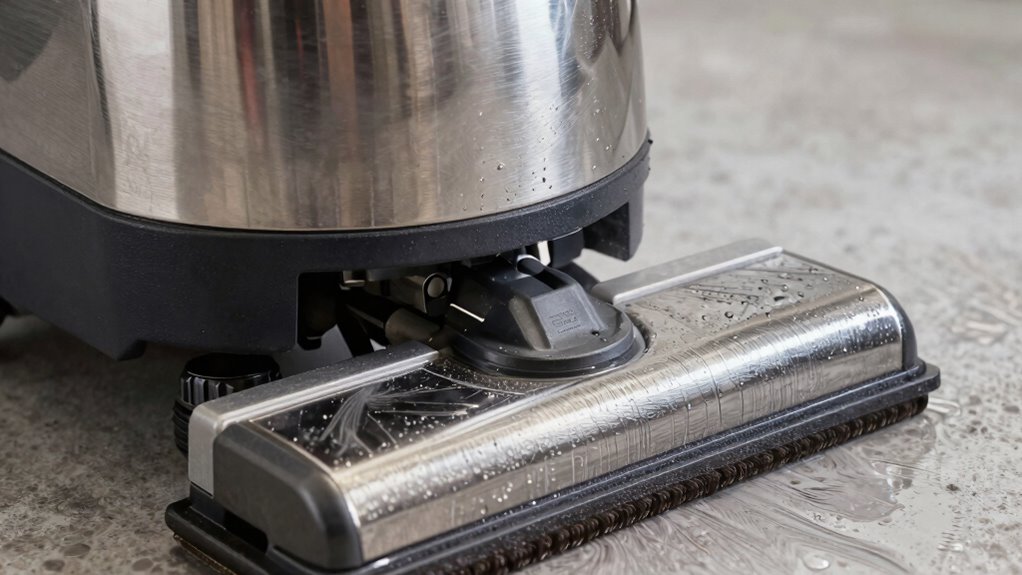
If your wet-dry floor washer starts smelling sour, it’s usually due to the buildup of mold, mildew, or bacteria inside the machine. This often happens when you neglect proper cleaning frequency or don’t allow enough ventilation after use. Bacteria thrive in damp environments, so if you leave water in the machine or don’t dry it thoroughly, unpleasant odors develop. Ventilation tips are essential—leave the lid open after cleaning to air out the internal parts and prevent moisture buildup. Regularly cleaning your washer helps remove residues that attract mold and bacteria, reducing sour smells. Additionally, maintaining proper ventilation and airflow can significantly help prevent moisture accumulation and odors. Ensuring the internal components are thoroughly dried after each use is crucial for odor prevention. Incorporating routine maintenance like disinfecting and inspecting seals can further minimize odor-causing bacteria. Using an air purifier in the surrounding area may also help improve overall air quality and reduce lingering smells. Proper drainage practices can also prevent water stagnation, which contributes to sour odors.
How Do Mold and Buildup Form Inside Your Floor Washer?
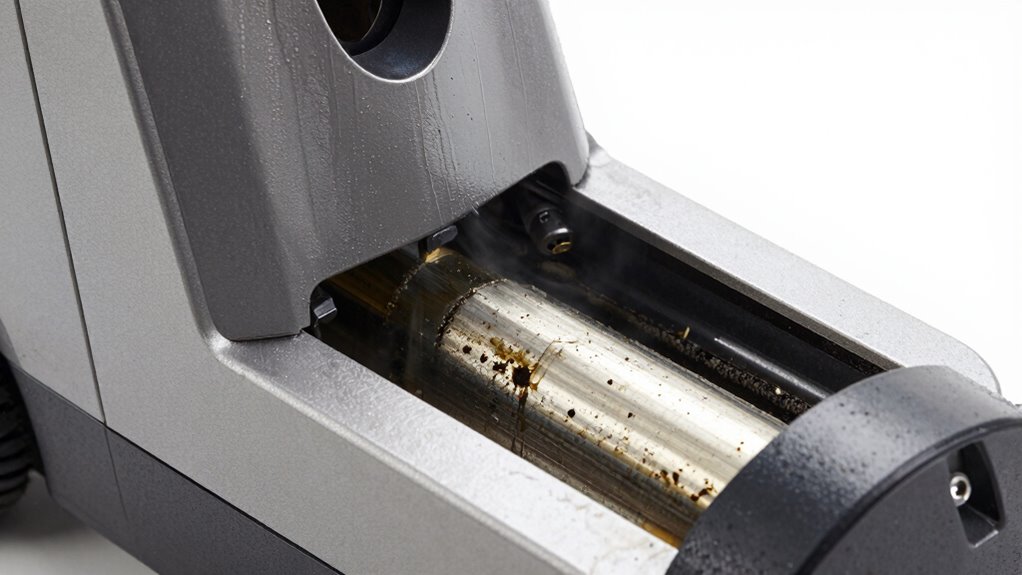
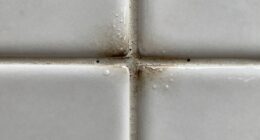
When moisture stays inside your floor washer, mold can start to grow unnoticed. Residual debris from cleaning also accumulates, providing food for mold and bacteria. Together, these issues lead to buildup that causes sour smells and potential damage. Regular maintenance and understanding food safety principles can help prevent these issues from developing. Additionally, Free Floating techniques can be applied to maintain a dry environment within the device and inhibit mold growth. Ensuring proper air circulation inside the machine can significantly reduce humidity and discourage mold formation.
Moisture Accumulation Causes Mold
Moisture buildup inside your floor washer creates the perfect environment for mold to thrive. When water remains trapped in the internal parts, mold spores find ideal conditions to grow. Poor air circulation and inadequate ventilation strategies worsen the problem, allowing moisture to linger longer. To prevent mold, you should regularly empty and dry the washer after use, ensuring no water pools inside. Keep the internal components well-ventilated by leaving the lid open or using a fan to promote airflow. Proper ventilation helps moisture evaporate quickly, reducing the chances of mold formation. Consistently maintaining good air circulation is essential to avoid the sour smell and keep your floor washer clean and safe to use.
Residual Debris Buildup
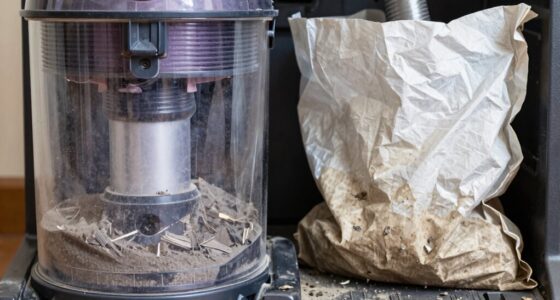
Residual debris such as dirt, hair, and soap scum can quickly accumulate inside your floor washer, providing nutrients and a breeding ground for mold. Over time, this debris builds up in hard-to-reach areas, leading to internal contamination. When the internal components aren’t cleaned regularly, residual debris creates an environment conducive to mold growth and unpleasant odors. This buildup can clog filters, obstruct water flow, and compromise the washer’s efficiency. You might notice sour smells or moldy odors, indicating that internal contamination is taking hold. To prevent this, you should regularly inspect and clean the internal parts, including brushes, tanks, and filters. Removing residual debris helps keep your floor washer clean, functioning properly, and free from mold-related problems. Regular maintenance and understanding of shop layout and tool setup can also help streamline cleaning procedures and prevent buildup. Additionally, using appropriate cleaning agents designed for these appliances can effectively eliminate mold and residual residues, further maintaining your washer’s performance.
Signs Your Floor Washer’s Internal Path Needs Cleaning
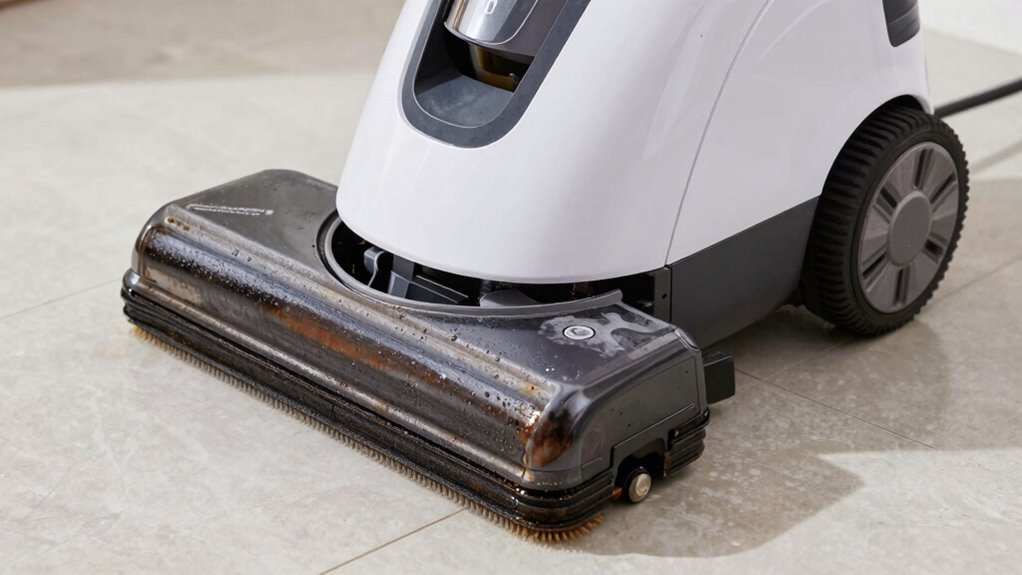
If your floor washer starts emitting a sour smell despite regular cleaning, it’s a sign that its internal pathways may be clogged or harboring mold. Unpleasant odors often indicate buildup of dirt, mold, or bacteria inside the hoses and filters. Pay attention to changes in your machine’s performance, such as reduced suction or uneven cleaning. These are clear signs it’s time to reevaluate your cleaning schedule and perform maintenance tips like deep cleaning the internal components. Regularly inspecting and cleaning the internal pathways helps prevent odors from developing and ensures the machine functions efficiently. If you notice persistent sour smells, it’s a strong indicator that your internal cleaning routine needs to be more thorough and frequent. Proper maintenance of your floor washer is essential to prevent the growth of mold and bacteria that cause these odors. Additionally, understanding the internal pathway design can help you target the areas most prone to odor buildup and improve your cleaning effectiveness. Being familiar with the equipment’s internal structure can guide you in identifying problem spots and performing targeted cleaning. Incorporating routine inspections into your maintenance schedule can further help in early detection of odor-causing issues.
What You Need Before Cleaning Your Floor Washer
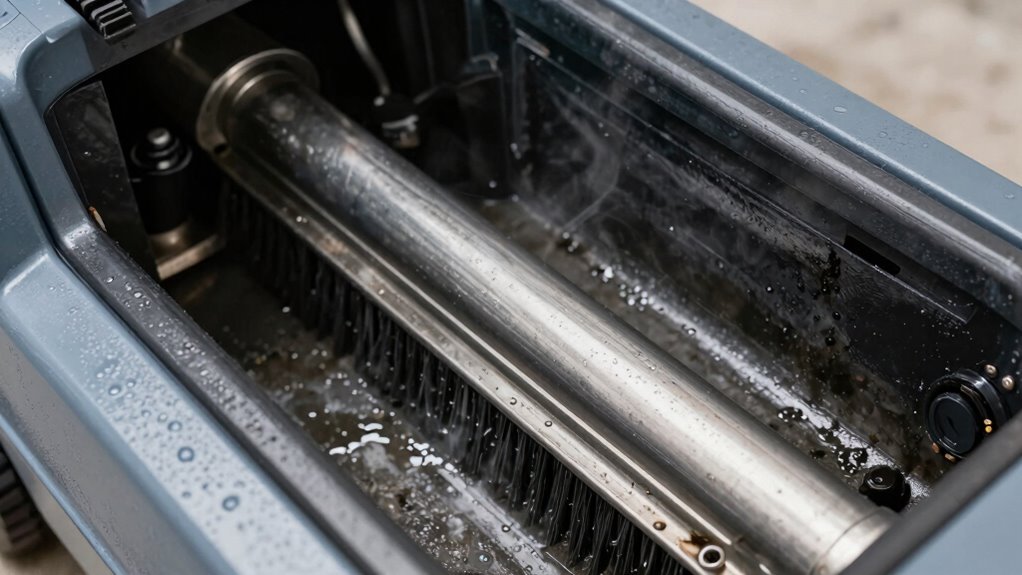
Before you start cleaning your floor washer, gather all the necessary tools and supplies to make the process smooth and efficient. You’ll need basic cleaning tools like soft brushes, microfiber cloths, and a small screwdriver if needed. Have a bucket of warm water and mild detergent ready for rinsing parts. Keep a towel handy for drying components. It’s also helpful to prepare storage tips, such as a clean, dry space to keep your parts after cleaning. Make sure you have access to a workspace that’s well-ventilated. Taking these steps ensures you won’t forget anything mid-cleaning, saving you time and effort. Proper preparation prevents cross-contamination and keeps your equipment in good shape for future use. Additionally, familiarizing yourself with the care & maintenance guidelines for your specific model can extend its lifespan and maintain optimal performance. Being aware of equipment-specific cleaning procedures can further help you avoid damaging sensitive parts during the cleaning process. Consulting the manufacturer’s troubleshooting tips can also be valuable if issues persist after cleaning. Lastly, understanding the importance of preventative maintenance can help you avoid future smells and build-up problems. Incorporating proper cleaning techniques and following recommended practices will ensure your floor washer remains in top condition over time.
How to Clean and Disinfect Your Floor Washer Step-by-Step

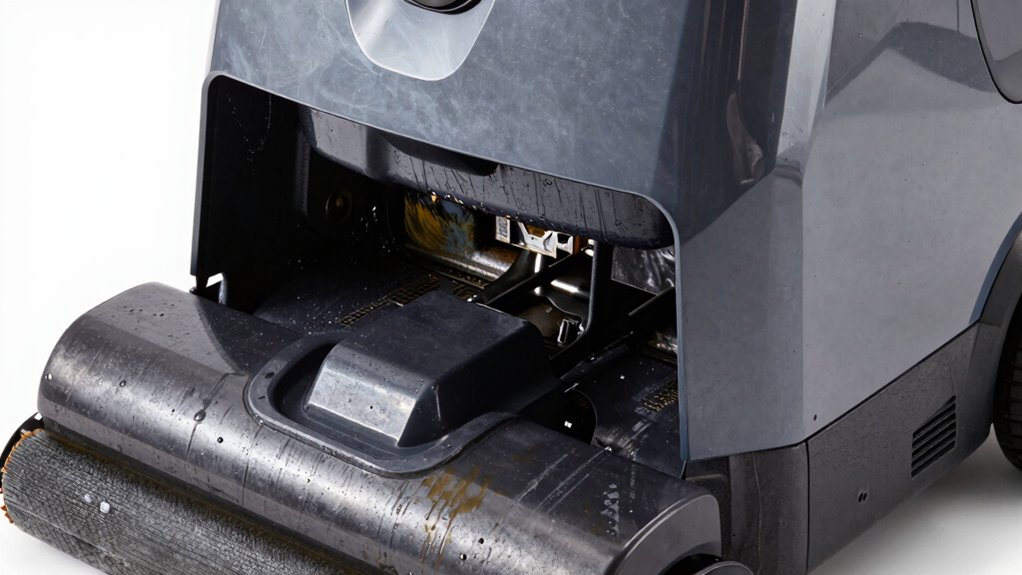
To effectively clean and disinfect your floor washer, start by unplugging the device and removing any detachable parts, such as brushes, filters, and squeegee blades. Begin by cleaning the brushes thoroughly with warm, soapy water to remove debris and grime. Next, inspect the electrical components, ensuring there’s no buildup or dirt that could cause odors or malfunctions. Use a damp cloth to wipe down accessible electrical areas carefully, avoiding excessive moisture. Reassemble the parts after cleaning, making sure everything fits correctly. For a deeper clean, consider running a disinfectant solution through the internal pathways, following manufacturer instructions. Regular maintenance like this helps eliminate sour smells and keeps your floor washer running efficiently. Understanding the importance of proper cleaning techniques can further improve device longevity and performance, especially by following manufacturer guidelines to prevent damage. Incorporating preventive maintenance routines can also help prevent odors before they develop, and being aware of water chemistry and buildup can help address underlying causes of sour smells. Additionally, utilizing proper storage practices can reduce moisture accumulation and odor formation when the device is not in use.
Best Cleaning Solutions for Wet-Dry Floor Washers

Choosing the right cleaning agents is key to keeping your floor washer fresh and odor-free. Natural deodorizing methods can also help eliminate sour smells without harsh chemicals. Consider both options to maintain a clean, sweet-smelling machine.
Suitable Cleaning Agents
Using the right cleaning agents is essential to keep your wet-dry floor washer smelling fresh and functioning effectively. Look for cleaning solutions designed for odor elimination and compatible with your machine. Mild detergent mixed with water works well for regular cleaning, while specialized machine cleaners can tackle stubborn odors. Avoid harsh chemicals that might damage components or leave residues. Consider using a vinegar and water solution for a natural clean, or commercial descaling agents formulated for wet-dry vacuums.
| Cleaning Agents | Purpose |
|---|---|
| Mild Detergent | General cleaning, odor control |
| Vinegar & Water | Natural odor elimination |
| Commercial Machine Cleaners | Deep cleaning, odor removal |
| Descaling Agents | Prevent mold, eliminate sour smell |
| Enzyme Cleaners | Break down organic residues |
Natural Deodorizing Methods
Natural deodorizing methods offer safe and effective ways to neutralize sour odors in your wet-dry floor washer without harsh chemicals. You can use essential oils like tea tree, lavender, or lemon for a fresh scent. Add a few drops to the water tank or mix them with cleaning solutions to help eliminate odor-causing bacteria. Baking soda is another powerful natural deodorizer; sprinkle it in the internal components or soak removable parts in a baking soda solution before rinsing. These methods not only freshen your washer but also prevent future sour smells. Regular use of essential oils and baking soda keeps your machine smelling clean without introducing synthetic fragrances or chemicals, ensuring a healthier environment and extending the lifespan of your equipment.
How to Prevent Future Odors and Buildup in Your Floor Washer
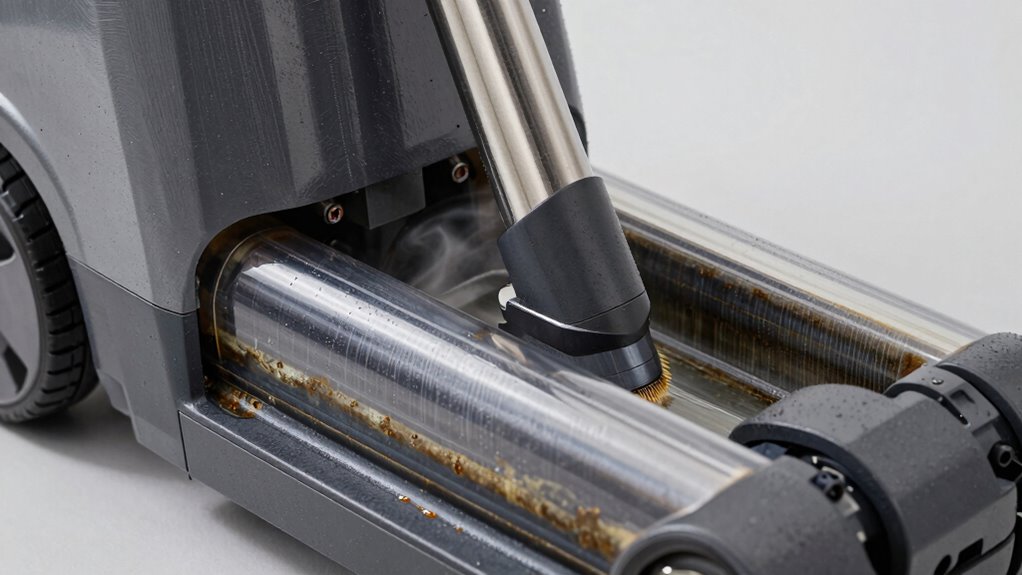
To prevent future odors and buildup in your floor washer, regular maintenance is essential. Good air circulation helps dry out internal parts after each use, reducing moisture that promotes mold and sour smells. Make sure to leave the machine door or lid open for a few hours to allow airflow. Proper storage practices also matter; store the washer in a dry, well-ventilated area, avoiding damp or enclosed spaces that trap humidity. Rinse and dry the internal components thoroughly after cleaning, and avoid leaving dirty water in the tank. Regularly check and clean filters and brushes to prevent residue buildup. By maintaining ideal air circulation and practicing proper storage, you’ll minimize odors and keep your floor washer fresh and ready for use.
Troubleshooting Persistent Smells That Won’t Go Away

Persistent smells that refuse to go away often indicate deeper issues within your floor washer, such as hidden mold, bacteria buildup, or residual soap scum. These odor sources can compromise your air quality and cause the sour smell to linger. To troubleshoot, start by inspecting the internal components, including filters, hoses, and the tank, for mold or residue. Clean all parts thoroughly with a mixture of vinegar and water or a manufacturer-recommended cleaner. Make sure to dry everything completely before reassembling. If odors persist, consider replacing filters or seals that might harbor odor-causing bacteria. Regular maintenance and deep cleaning are essential to eliminate odor sources and restore fresh air quality. Addressing these issues promptly prevents stubborn smells from returning.
When to Seek Professional Help for Your Wet-Dry Floor Washer

Sometimes, despite thorough cleaning and maintenance, your wet-dry floor washer continues to emit a sour smell or shows signs of malfunction. When this happens, it’s time to seek professional help for a proper odor diagnosis and inspection. If cleaning the internal path doesn’t resolve the issue or if your washer’s performance declines, a professional inspection can identify underlying problems like mold, bacteria buildup, or mechanical faults. Don’t ignore persistent odors or unusual noises, as they may indicate deeper issues. An expert can assess your machine thoroughly, recommend targeted repairs, and ensure it functions safely and efficiently. Trusting a professional ensures your floor washer is properly cleaned and maintained, preventing future problems and restoring its excellent performance.
Frequently Asked Questions
Can Using Hot Water Help Eliminate Sour Smells in My Floor Washer?
Yes, hot water cleaning can help eliminate sour smells in your floor washer. Using hot water during your cleaning process effectively breaks down built-up residue and bacteria that cause odors. Incorporate odor removal techniques like adding vinegar or specialized cleaning solutions, and run the washer with hot water through the internal path. This combined approach guarantees your machine stays fresh and odor-free, improving its performance and your cleaning results.
How Often Should I Clean the Internal Path of My Wet-Dry Floor Washer?
You should clean the internal path of your wet-dry floor washer at least once a month. Skipping this step can lead to sour odors and mold buildup that’s tough to eliminate later. Make internal cleaning part of your regular maintenance schedule to keep your machine running smoothly and smelling fresh. Don’t wait until you notice a bad smell—regular upkeep prevents problems before they start.
Are There Specific Cleaning Products Recommended for Preventing Mold Growth?
You should use antifungal sprays or mold inhibitors specifically designed for cleaning appliances. These products help prevent mold growth inside your wet-dry floor washer by inhibiting mold spores. Apply them regularly after cleaning the internal path, especially in humid environments. Always follow the manufacturer’s instructions for safe and effective use. Incorporating antifungal sprays or mold inhibitors guarantees your machine stays fresh and mold-free, extending its lifespan.
Will Vinegar Damage the Internal Components of My Floor Washer?
Vinegar is generally safe when used appropriately, but you should be cautious about internal damage. To avoid vinegar safety issues, dilute it with water before cleaning internal components. Using undiluted vinegar or leaving it in the machine for too long could potentially corrode or damage sensitive parts. Always follow your manufacturer’s instructions, and consider testing on a small area first to prevent any internal damage.
Can a Persistent Sour Smell Indicate a Mechanical Malfunction?
A persistent sour smell can indicate a mechanical failure or mold buildup, which causes odor persistence. If the smell lingers despite cleaning, it might signal a malfunction in the internal components, like faulty seals or clogged filters. You should inspect for leaks, replace damaged parts, or consider professional servicing. Ignoring these signs could worsen the problem, so addressing mechanical issues promptly helps restore your floor washer’s proper function and odor-free operation.
Conclusion
To keep your floor washer fresh and free from foul odors, follow these simple steps consistently. Regular cleaning curbs buildup, prevents unpleasant smells, and prolongs your device’s life. Stay vigilant for signs of mold and moldy smells, and don’t hesitate to seek professional support if odors persist. With mindful maintenance and meticulous methods, you’ll master the art of maintaining a pristine, odor-free floor washer, ensuring a cleaner, healthier home.