To keep your cleaning effective, replace mop pads every 10-15 uses or when they show signs of wear like fraying, stains, or lingering odors. Swap brushes every 3-6 months or sooner if bristles become bent or matted. Filters should be replaced every 1-3 months, especially in dusty environments, or when they clog or lose efficiency. Regular inspections and maintenance ensure peak performance—keep learning for more tips on scheduling your replacements.
Key Takeaways
- Replace mop pads every 10-15 uses or when visibly worn or stained.
- Change brushes every 3-6 months or when bristles are bent, broken, or matted.
- Swap filters every 1-3 months or when clogged, dirty, or less effective.
- Regularly inspect equipment for signs of wear to ensure optimal cleaning performance.
- Maintain and clean parts after use to extend lifespan and identify replacement needs early.

Replacing Mop Pads, Brushes, and Filters
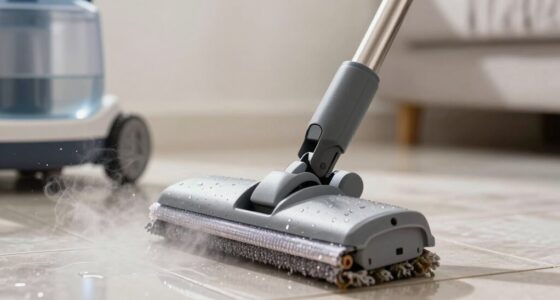
Regularly replacing mop pads, brushes, and filters is essential to keep your cleaning equipment working efficiently and maintaining a hygienic environment. To do this effectively, you need to establish a solid maintenance schedule and follow some simple cleaning tips that help prolong the lifespan of your tools. Knowing when to replace these items isn’t always obvious, but a clear timeline can help you stay on top of maintenance and ensure ideal cleaning results. For example, understanding the difference between filter types like MERV vs HEPA can help you choose the right replacement schedule for your filters. Start by inspecting your mop pads frequently. As a rule of thumb, you should replace them after about 10 to 15 uses or when they show visible signs of wear, such as fraying, thinning, or persistent stains that won’t come out. If you notice a lingering odor despite washing, it’s a good indicator that the pad has absorbed bacteria or dirt that can’t be fully removed. Regularly replacing mop pads prevents the spread of germs and keeps your floors hygienic. Incorporate this into your maintenance schedule by setting reminders or marking your calendar, so you don’t forget to swap out worn pads regularly.
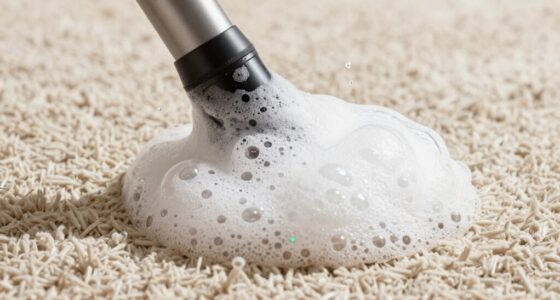
Brushes, especially those used for scrubbing or cleaning textured surfaces, require similar attention. Over time, bristles can become bent, broken, or matted, reducing their effectiveness. In general, replace brushes every three to six months, depending on usage intensity. If you see significant wear or if the brush’s shape has distorted, it’s time for a new one. Cleaning tips also include thoroughly rinsing brushes after each use and letting them air dry to prevent mold and bacteria buildup. Incorporate routine inspections into your maintenance schedule to catch signs of deterioration early.
Filters, whether in vacuum cleaners or mop systems, demand regular replacement to maintain their filtering efficiency. Most filters should be replaced every one to three months, depending on usage and manufacturer recommendations. Some filters are washable; however, if they become clogged or lose their effectiveness, replacing them is the best choice. Follow cleaning tips like checking for signs of dirt buildup and replacing filters more frequently if you’re cleaning in particularly dusty or dirty environments.
Frequently Asked Questions
Can I Clean and Reuse Disposable Mop Pads?
You can clean and reuse disposable mop pads, but it depends on their design and material. Reusable mop pads generally last longer and withstand multiple washes, offering better mop pad longevity. Disposable pads are meant for single use, so cleaning them may reduce their effectiveness or cause damage. For ideal cleaning, consider switching to reusable pads when possible, as they’re eco-friendly and cost-effective compared to disposable ones.
How Do I Know if a Filter Is Damaged?
Like spotting a broken VHS tape, you’ll notice if your filter’s damaged by visible cracks, tears, or excessive dirt buildup that won’t clean off. Replacement indicators include decreased suction, strange noises, or reduced performance. If the filter looks misshapen or has leaks, it’s time to swap it out. Regularly inspecting your filter helps prevent damage and guarantees your device works efficiently, just like keeping your vintage tech in top shape.
Are There Specific Signs Brushes Need Replacing?
If your brushes show signs of brush wear or bristle damage, it’s time to replace them. Look for uneven or missing bristles, bent or broken ones, or if the brush doesn’t spin smoothly. Excessive wear can reduce cleaning effectiveness and may scratch surfaces. Regularly inspect your brushes, and when you notice significant bristle damage or wear, don’t hesitate to replace them for peak cleaning performance.
Can I Mix Different Types of Mop Pads?
Mixing different types of mop pads can be like trying to blend incompatible ingredients—you’re risking reduced cleaning efficacy. You should prioritize mop pad compatibility and consider brush material considerations to guarantee ideal performance. While some pads may seem similar, differences in material or design might hinder their function or damage your equipment. Always check manufacturer guidelines before mixing pads, brushes, or filters, to keep your cleaning tools in top shape and avoid unnecessary wear.
What Are the Environmental Impacts of Replacing Filters Frequently?
Replacing filters frequently can increase waste, but it also offers recycling benefits if you dispose of them properly. By recycling used filters, you reduce landfill waste and conserve resources. This practice promotes waste reduction and environmental sustainability. You should weigh the environmental impacts of frequent replacements against the benefits of recycling, ensuring you follow local guidelines to minimize your ecological footprint while maintaining your cleaning equipment’s efficiency.
Conclusion
So, there you have it—your trusty cleaning arsenal’s secret life. Replace those mop pads, brushes, and filters before they turn into biohazard exhibits, or risk turning your home into a microbial museum. After all, who wouldn’t want their vacuum or mop to double as a science experiment? Stay vigilant, or soon you’ll be hosting an unintentional petri dish—because nothing says “clean” like a thriving colony of bacteria, right? Happy cleaning, or at least, pretending to!