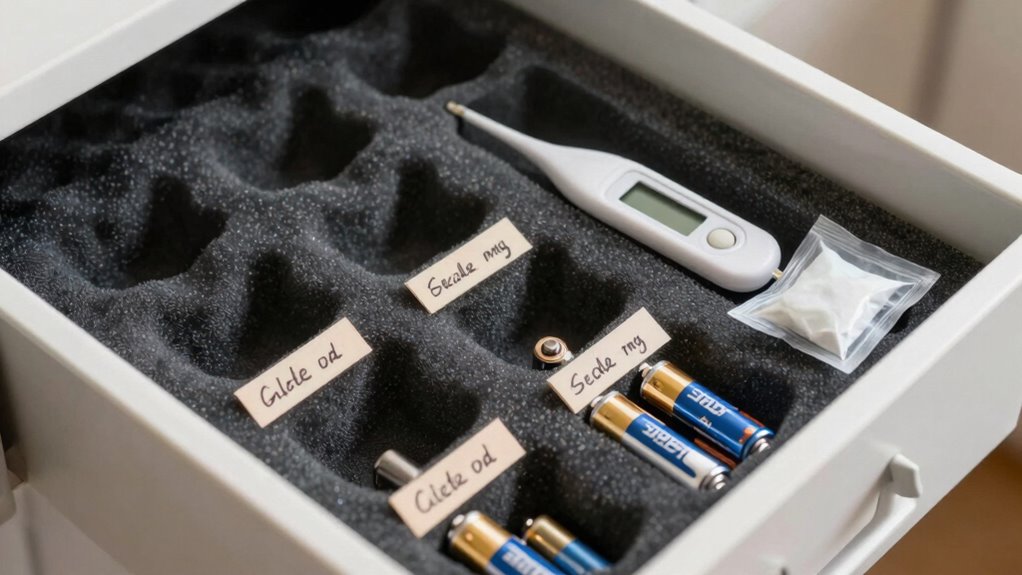

To store extra batteries so they last longer, keep them in a cool, dry place between 50-77°F, away from heat, humidity, and direct sunlight. Remove batteries from devices when not in use to prevent leakage and drain. Store them in their original packaging or a dedicated case to avoid contact and short circuits. Check them periodically for signs of damage, and dispose of any compromised batteries safely. For detailed tips, continue exploring how proper storage can protect your batteries.
Key Takeaways
- Store batteries in a cool, dry place between 50-77°F (10-25°C) to prevent chemical degradation.
- Keep batteries in their original packaging or dedicated cases to avoid terminal contact and short circuits.
- Remove batteries from devices when not in use for extended periods to prevent leakage and drain.
- Avoid storing batteries in high humidity, direct sunlight, or areas with temperature fluctuations.
- Regularly inspect batteries for signs of damage or leakage and dispose of compromised units properly.
Having extra batteries on hand is convenient, but proper storage is vital to guarantee they stay safe and functional. When you’re not using your batteries, it’s important to understand that battery chemistry plays a key role in how you should store them. Different types, like alkaline, lithium-ion, or nickel-metal hydride, have distinct characteristics and requirements. For example, alkaline batteries are quite stable but can leak if stored improperly, while lithium-ion batteries are sensitive to temperature changes and can degrade faster if exposed to unfavorable conditions. Knowing the specific chemistry of your batteries helps you determine the best storage practices to prolong their lifespan.
Proper storage depends on battery chemistry; different types require specific care to stay safe and functional.
One of the most essential factors to consider is storage temperature. You should aim to keep your batteries in a cool, dry place, ideally between 50 and 77 degrees Fahrenheit (10-25 degrees Celsius). Extreme heat accelerates chemical reactions within the battery, increasing the risk of leakage or even rupture. On the other hand, very cold environments can reduce battery efficiency temporarily, though they generally don’t cause permanent damage if the batteries are brought back to room temperature before use. Avoid storing batteries in places with high humidity or direct sunlight, as moisture can corrode the terminals and internal components. Proper temperature management guarantees your batteries remain stable and ready for use without losing power prematurely. Additionally, temperature fluctuations can negatively impact battery performance over time.
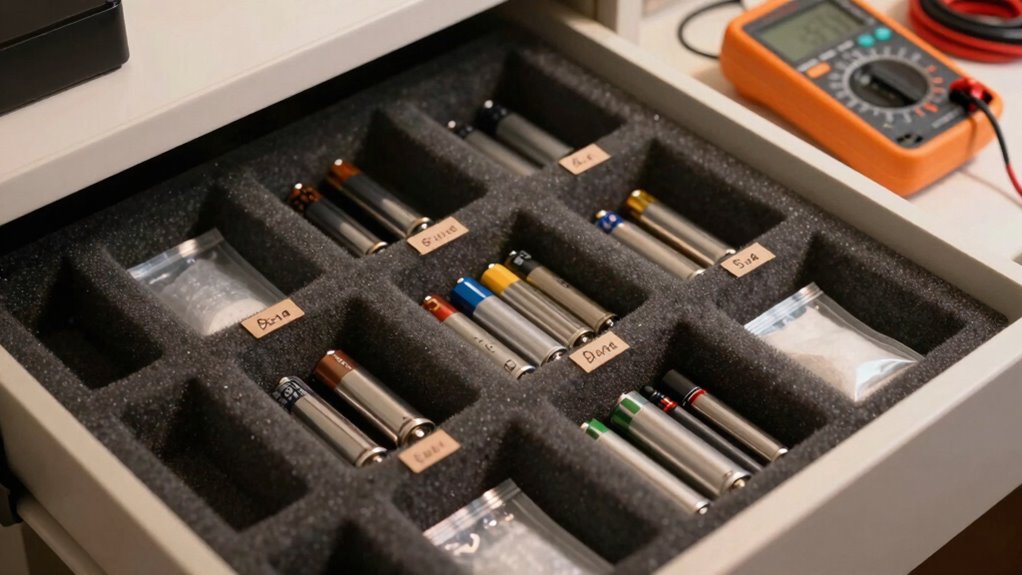
Another tip is to remove batteries from devices when they’re not in use for an extended period. This prevents unnecessary drain and reduces the chance of leakage that could damage both the battery and the device. When storing multiple batteries, keep them in their original packaging or in a dedicated battery case to avoid accidental contact between terminals. This minimizes the risk of short circuits, which can generate heat or cause fires in extreme cases. Proper storage also involves understanding the differences in battery chemistry, which influence how batteries should be handled and stored for optimal performance. Moreover, storing batteries in a temperature-controlled environment can further help maintain their longevity and safety.
Finally, check your stored batteries periodically. If you notice any signs of corrosion, leakage, or swelling, dispose of them properly and replace them with fresh ones. Proper storage isn’t just about keeping batteries safe; it’s about ensuring they perform when you need them most. By understanding the importance of battery chemistry, maintaining the right storage temperature, and following these simple steps, you can greatly extend the life of your extra batteries and keep your devices powered up whenever you need them.
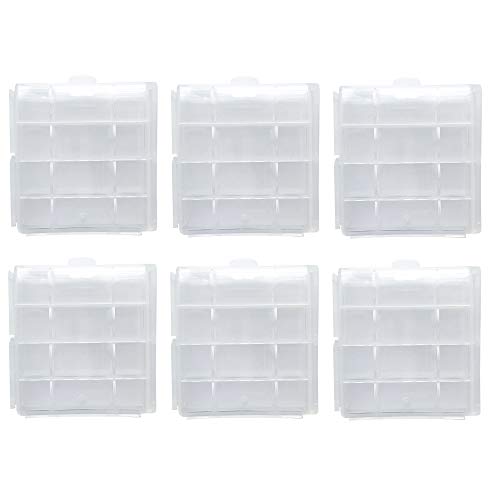
Battery Storage Case for AA/AAA, Battery Holder Box (6Pack Clear)
- Battery Compatibility: Holds AA and AAA batteries
- Versatile Storage: Stores various battery combinations
- Easy to Use: Simple and intuitive to operate
As an affiliate, we earn on qualifying purchases.
As an affiliate, we earn on qualifying purchases.
Frequently Asked Questions
Can Batteries Be Stored Together Without Risk of Fire?
Batteries can be stored together safely if you follow proper storage tips and prioritize battery safety. Keep them in a cool, dry place away from metal objects that could cause a short circuit. Use individual plastic cases or tape the terminals to prevent contact. Avoid storing different battery types together. By following these safety measures, you diminish fire risks and guarantee your batteries stay in good condition longer.
How Long Can Batteries Be Stored Before Losing Capacity?
You can typically store batteries for about 5 to 10 years before they start losing capacity, depending on their type. Following shelf life guidelines and practicing proper battery recycling is essential for safety and environmental reasons. To prolong their lifespan, keep batteries in a cool, dry place away from metal objects. Regularly check stored batteries, and dispose of or recycle them according to local regulations once they reach the end of their shelf life.
Should I Remove Batteries From Devices Before Storage?
Yes, you should remove batteries from devices before storage. This practice helps prevent battery corrosion, which can damage both the batteries and your devices. Removing batteries also enhances storage safety by reducing the risk of leaks or accidental activation. Store the batteries in a cool, dry place, ideally in their original packaging or a plastic container, to further protect them and prolong their lifespan.
Is It Better to Store Batteries in the Original Packaging?
Storing batteries in their original packaging is generally better because it helps prevent contact with metal objects, reducing the risk of short circuits. Keep them in dedicated storage containers designed for batteries, which also protect against damage and leaks. Remember to recycle old batteries properly, avoiding environmental harm. Proper storage guarantees your batteries stay safe and last longer, so always use original packaging or suitable containers and dispose of used batteries responsibly.
How Does Temperature Affect Battery Shelf Life?
Imagine storing batteries in a cool, stable environment; this helps maintain temperature stability and extends shelf life. Excessive heat accelerates chemical reactions inside, shortening shelf life, while cold temperatures slow these processes. For ideal shelf life, keep batteries in a temperature-controlled space, avoiding fluctuations. Proper temperature management ensures your batteries stay fresh longer, maximizing their performance and avoiding early replacements.
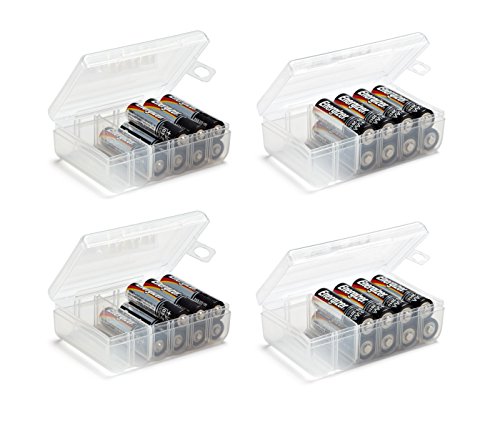
GlossyEnd Set of 4 – Two AA and Two AAA Battery Storage Box, Battery Storage Case, Battery Holder Clear
- Set includes 2 AA and 2 AAA boxes: Contains four battery storage boxes
- Holds up to 12 batteries per box: Stores multiple batteries securely
- Made from durable high-impact plastic: Easy to carry and sturdy
As an affiliate, we earn on qualifying purchases.
As an affiliate, we earn on qualifying purchases.
Conclusion
Think of your batteries as tiny seeds; if you plant them in the right soil and give them proper care, they’ll grow stronger and last longer. Store them in a cool, dry place, away from the harsh sun, much like tending to delicate plants. With patience and proper storage, your batteries will stay vibrant and ready whenever you need them—turning a simple act into a fruitful harvest of power whenever you reach for your devices.

VLITEX Lithium Battery Storage Box XL (Extra Large) | Engineered in Germany | Fireproof E-Fiberglass & Silicone Fabric | Certified Lipo Safe Bag Container
- Battery Safeguard: Protects lithium batteries during use and transport
- German Engineering: Designed and developed in Germany for over 20 years
- Fireproof Material: Made with multi-layered E-glass fiber and silicone
As an affiliate, we earn on qualifying purchases.
As an affiliate, we earn on qualifying purchases.

Tenergy Alkaline Batteries & Storage Case, 24xAAs, 24xAAAs, 4xC Size, 4xD Size, 4x9V Size Batteries, and Battery Organizer Case
- Complete Battery Set: Includes AA, AAA, C, D, 9V batteries
- Storage Case: Neatly organizes batteries with foam slots
- Battery Tester Included: Tests alkaline, NiMH, NiCd battery power
As an affiliate, we earn on qualifying purchases.
As an affiliate, we earn on qualifying purchases.