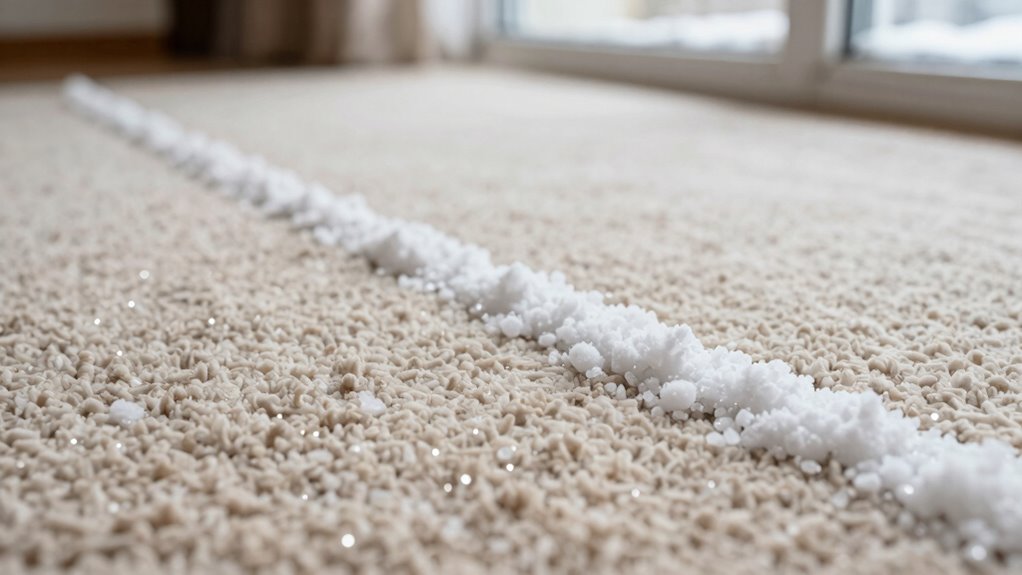
During winter, salt and snow residue tracked inside can cause white salt lines on your carpet, which may become stubborn stains or damage if left untreated. To remove them, vacuum thoroughly, then gently blot with a mixture of vinegar and water or a baking soda paste. For tougher stains, commercial cleaners or natural solutions work well. To prevent reappearance, regularly clean high-traffic areas and take preventive steps—continue to explore how to keep your carpet pristine this season.
Key Takeaways
- Vacuum thoroughly to remove loose salt particles before cleaning.
- Use a mixture of equal parts vinegar and water to dissolve salt lines gently.
- Apply a baking soda and water paste to lift stubborn salt deposits.
- Avoid harsh chemicals and excessive scrubbing to prevent carpet damage.
- Consider commercial carpet cleaners for persistent stains or severe salt buildup.

Detco Road Salt Neutralizer – Residue Remover for Cars, Trucks, Carpet & Floors, Prevent Rust & Corrosion, 1 Gallon Concentrate Makes 32 Gallons
POWERFUL DAMAGE PROTECTION: DETCO Road Salt Neutralizer features a non-corrosive formula that effectively eliminates stubborn road salt residue,…
As an affiliate, we earn on qualifying purchases.
As an affiliate, we earn on qualifying purchases.
Why Do Salt Lines Appear on My Carpet During Winter?
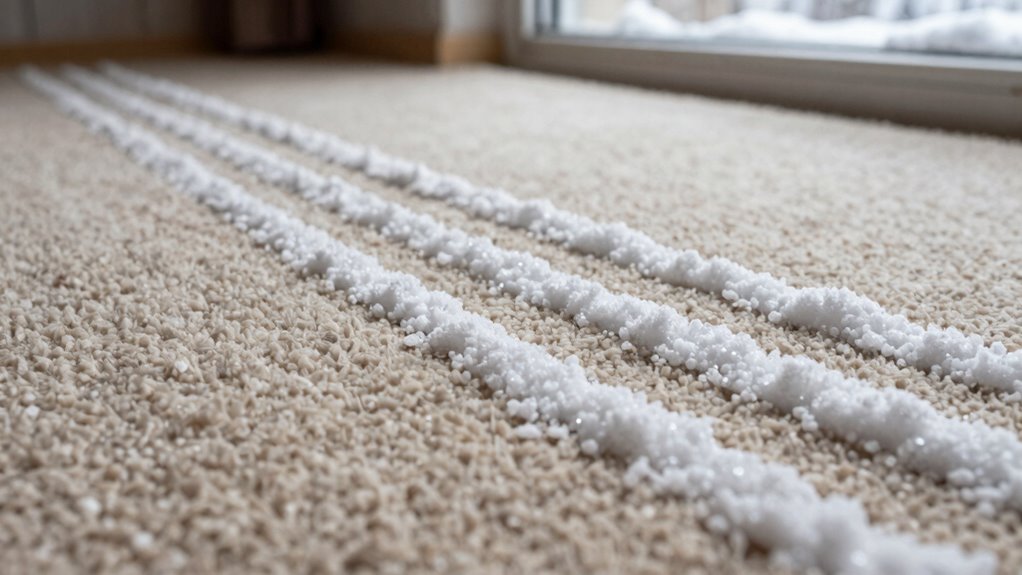
During winter, salt is commonly spread on sidewalks and driveways to melt ice, but it can also find its way into your home. When you walk through snow residue or salt buildup on your shoes, those particles can transfer to your carpet fibers. As the salt dissolves, it leaves behind white salt lines that become visible on your flooring. This residue attracts moisture, which can cause further staining and damage over time. The salt’s drying effect also affects your carpet’s fibers, making them brittle or discolored. These salt lines aren’t just unsightly—they indicate salt particles have settled deep into your carpet. Understanding how snow residue and salt buildup migrate indoors helps you take steps to prevent and address these wintertime stains effectively. Proper cleaning methods can help minimize long-term damage caused by salt residue. Recognizing the moisture absorption properties of salt can guide you in choosing the right cleaning techniques to prevent further damage. Additionally, using specialized cleaning solutions can help neutralize salt deposits and restore your carpet’s appearance. Being aware of carpet fibers’ response to salt can help you select the most effective cleaning approach for your specific carpet type. Incorporating regular maintenance practices can also aid in preventing salt buildup and maintaining your carpet’s integrity throughout the season.
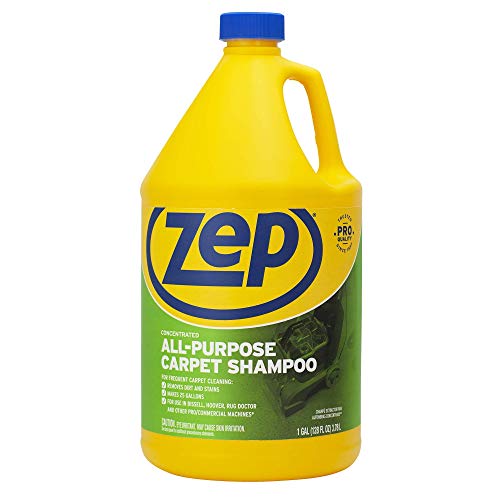
Zep All-Purpose Carpet Shampoo Concentrate Cleaner – 1 Gallon – ZUCEC128 – Professional Formula Removes Dirt and Stains
REMOVES DIRT AND STAINS: Pro formula reaches deep into carpet fibers to remove tough dirt & stains
As an affiliate, we earn on qualifying purchases.
As an affiliate, we earn on qualifying purchases.
How Can I Tell If My Salt Stains Are Severe?
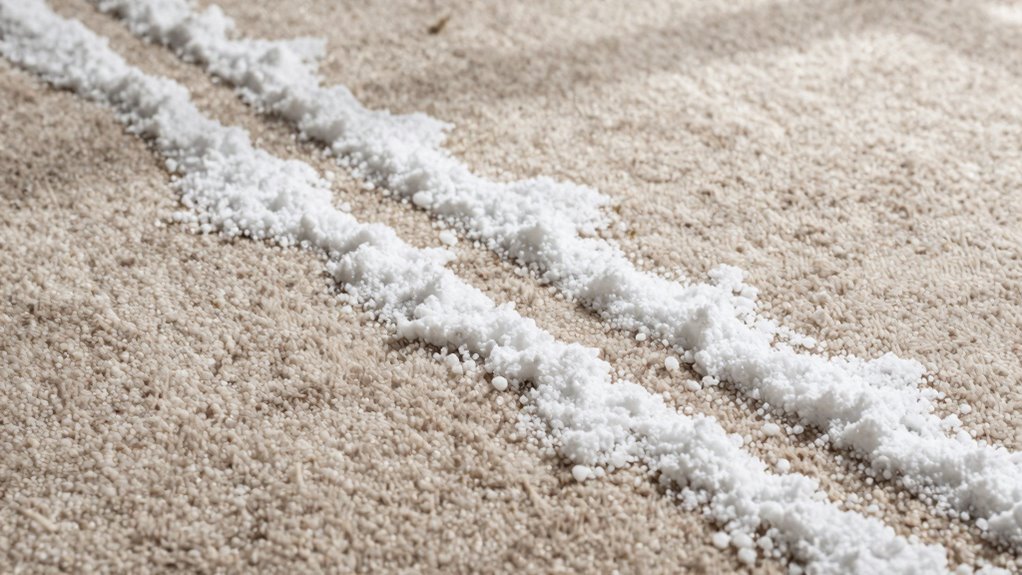
If your salt stains have become more noticeable or start to spread across your carpet, it’s a sign they may be serious. Salt damage can weaken carpet fibers and lead to discoloration or deterioration if not addressed promptly. Severe stains often appear darker, more embedded, or cause the carpet to feel stiff or crunchy. You might notice a persistent odor or that the salt lines are difficult to remove with routine cleaning. These signs indicate that the salt has penetrated deeper into the carpet fibers, making stain removal more challenging. Proper carpet care is essential to prevent long-term damage. Additionally, electric dirt bikes with high horsepower can cause more significant salt-related corrosion if exposed to salt spray or road salt during winter riding. If you suspect your salt stains are severe, it’s best to act quickly to minimize damage and restore your carpet’s appearance and integrity. Regular cleaning and water extraction techniques can help prevent salt from causing further harm. Being aware of carpet fiber composition can also help determine the most effective cleaning methods and prevent further deterioration. Moreover, understanding the extent of salt penetration can guide your approach to cleaning and repair efforts. To better assess the severity, consider whether the salt has caused fiber weakening or if it appears that the salt has bonded strongly with the fibers, which would require more intensive treatment.
baking soda paste for carpet stains
As an affiliate, we earn on qualifying purchases.
As an affiliate, we earn on qualifying purchases.
How Do I Prepare My Carpet Before Removing Salt Stains?
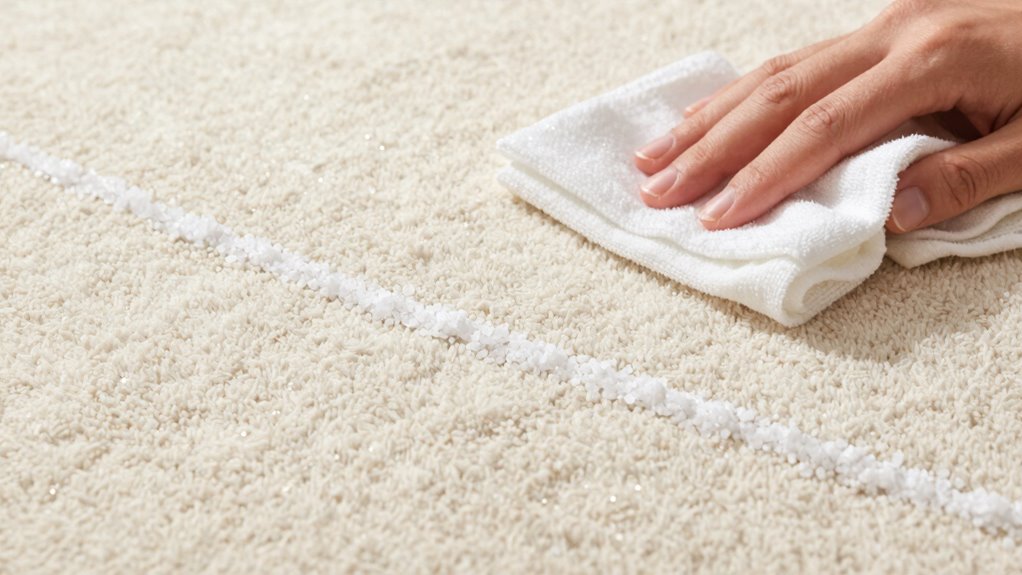
Before removing salt stains from your carpet, it’s important to prepare the area properly. Start by conducting stain identification to determine the stain’s extent and nature. Clear the surrounding area of furniture or objects to prevent interference and guarantee safe access. Carpet prep involves vacuuming thoroughly to remove loose salt particles and dirt, which can hinder cleaning. Use a clean, damp cloth to gently blot the affected area, checking for colorfastness to avoid damage. Additionally, ensuring proper filtration during cleaning can help prevent debris from re-entering the carpet fibers. Proper carpet maintenance practices can extend the life of your carpet and improve cleaning results. Regular professional cleaning can also help maintain their appearance and hygiene. For optimal results, consider using essential oils for stain removal that can enhance cleaning and leave a pleasant scent. Incorporating effective cleaning techniques can further ensure thorough stain removal. Here’s a quick guide:
| Step | Action | Purpose |
|---|---|---|
| Stain ID | Examine stain to assess severity | Choose appropriate treatment |
| Clear Area | Remove nearby furniture | Prevent spreading or obstruction |
| Vacuum | Remove loose particles | Improve cleaning effectiveness |
| Blotting | Gently dampen and blot the stain | Prepare for cleaning process |
commercial carpet stain remover
As an affiliate, we earn on qualifying purchases.
As an affiliate, we earn on qualifying purchases.
What Are the Best Home Remedies for Removing Salt Lines?
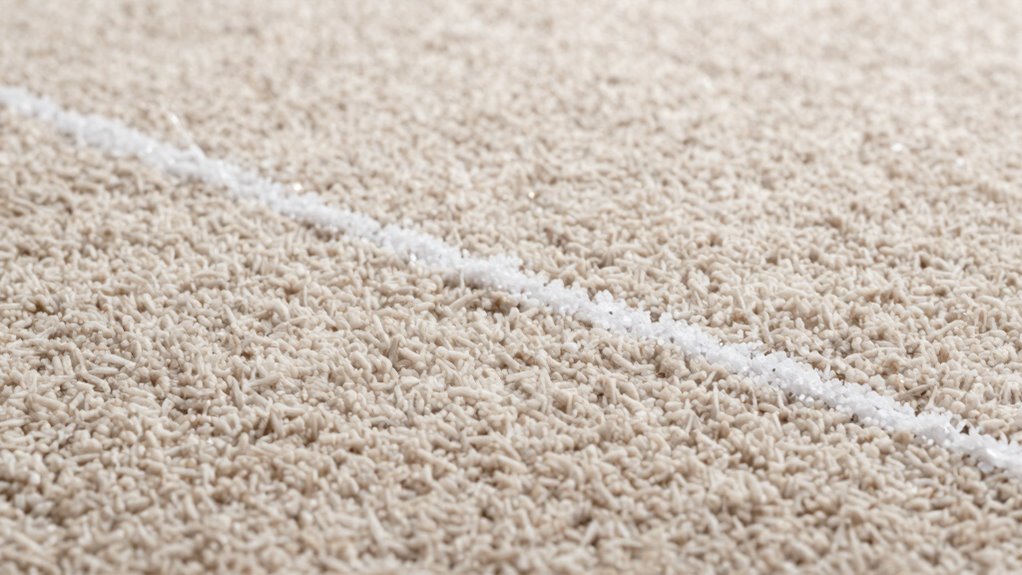
Are salt lines stubborn enough to challenge your cleaning routine? Luckily, DIY remedies and household solutions can help you tackle these persistent stains. First, mix a small amount of dish soap with warm water and gently blot the area. You can also try a mixture of baking soda and water to create a paste that lifts salt deposits. For quick results, a damp cloth soaked in plain water can dilute the salt residue. Additionally, using a soft scrub brush helps remove stubborn lines without damaging your carpet fibers. This approach aligns with proper cleaning techniques that prevent future salt lines from setting in. Regular maintenance and understanding carpet cleaning methods can help keep your carpets looking their best. Recognizing the importance of initial stain treatment can also make a significant difference in the longevity of your carpet’s appearance. Finally, consider rinsing with a mixture of mild detergent and water. Keep in mind that understanding woodworking fundamentals can help you maintain your home more effectively, including your carpets. Remember, these household solutions are simple, effective, and cost-efficient ways to restore your carpet’s appearance and avoid harsh chemical cleaners.
How to Use Vinegar and Water to Remove Salt Stains Effectively
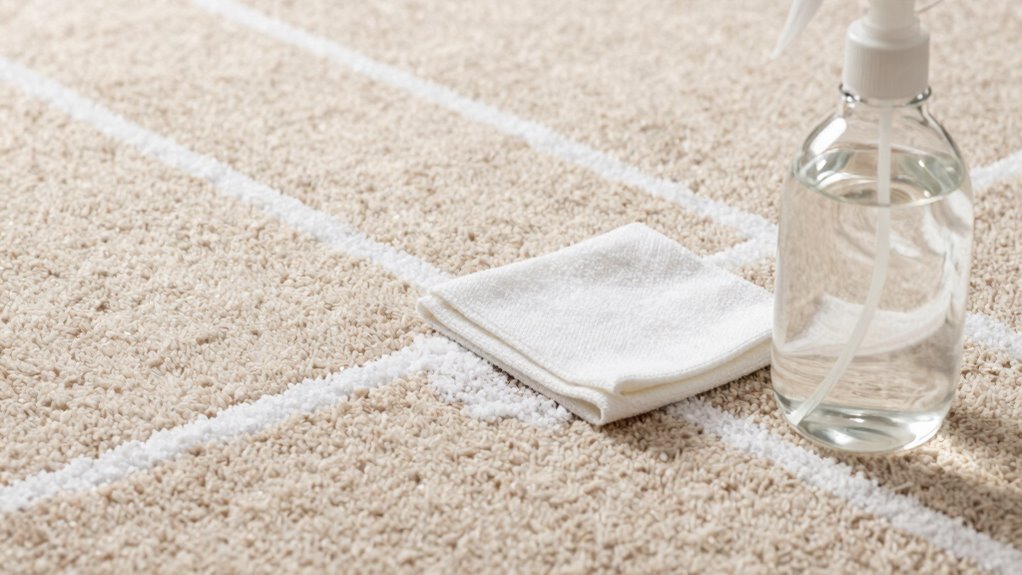
Start by mixing equal parts vinegar and water to create a powerful cleaning solution. Next, apply it directly to the salt-stained areas, making sure to cover all spots thoroughly. You can also test a small area first to ensure the carpet fibers respond well. For best results, consider natural cleaning methods that are gentle on your carpet and environmentally friendly. Additionally, incorporating air quality improvement techniques can help prevent future staining and maintain a healthier environment. Using appropriate kitchen tools can also assist in more effective stain removal and cleaning efficiency. Remember to choose cleaning supplies that align with halal standards to ensure they are permissible for use. Finally, blot the area dry and rinse well to prevent any residue from remaining.
Mix Vinegar Solution Properly
To effectively remove salt stains, you need to mix a vinegar solution that balances acidity and water. Proper mixing is key to guaranteeing the solution works without damaging your carpet. Start with the right vinegar concentration—about one part vinegar to three parts water. This ratio maintains effectiveness while avoiding over-alkalizing the fibers. When mixing, keep these points in mind:
- Use clean, cold water for better results
- Measure vinegar carefully to maintain proper mixing
- Avoid overly concentrated solutions that might harm the carpet
- Stir well to ensure even distribution
- Test a small area first to check for colorfastness
Getting the proper mixing ensures your salt stain removal process is both safe and effective. Follow these tips for best results.
Apply To Stained Areas
Once you’ve prepared your vinegar solution, carefully apply it directly to the salt-stained areas of your carpet. Use a clean cloth or spray bottle to guarantee even coverage, focusing on the spots where salt lines are visible. This step is vital for effective stain removal, as the vinegar helps break down the salt deposits without damaging your carpet fibers. Take your time to saturate the stained area thoroughly but avoid oversaturating to prevent water damage. Proper application is key to maintaining your carpet’s appearance and longevity. During carpet maintenance, addressing salt stains promptly with this method ensures your carpet stays clean and fresh. Once applied, let the solution sit for a few minutes before moving on to the next step.
Blot and Rinse Well
After applying the vinegar solution, it’s important to blot the area thoroughly with a clean cloth or paper towel to lift out the salt residue and excess moisture. This step helps prevent the stain from setting further and prepares the carpet for rinsing. Use a damp cloth with plain water to rinse the area, ensuring all vinegar and salt are removed. Regular vacuuming maintains carpet cleanliness and reduces salt buildup, aiding in stain prevention. To effectively remove salt stains, consider these tips:
- Blot gently to avoid spreading the stain
- Change cloths frequently for better absorption
- Use cold water for rinsing to prevent residue setting
- Keep the area dry to discourage mold growth
- Maintain a consistent vacuum schedule during winter
These practices ensure your carpet stays salt-free and fresh.
When Should You Use Commercial Carpet Cleaners for Salt Stains?

Knowing when to reach for commercial carpet cleaners is key to effectively removing salt stains. If you’ve tried blotting and rinsing but still see stubborn white lines, it’s time to contemplate professional products. Use commercial cleaners during seasonal maintenance when salt buildup is persistent and regular cleaning isn’t enough. These cleaners are formulated to break down mineral deposits and prevent stains from setting in. They’re especially useful after heavy snow or salt application, helping you maintain your carpet’s appearance and prolong its lifespan. If DIY methods aren’t restoring your carpet’s look, commercial solutions can provide a deeper clean. Remember, timely use of these products enhances stain prevention and keeps your carpets looking fresh through the snow season.
How Can I Prevent Salt Lines From Coming Back After Cleaning?
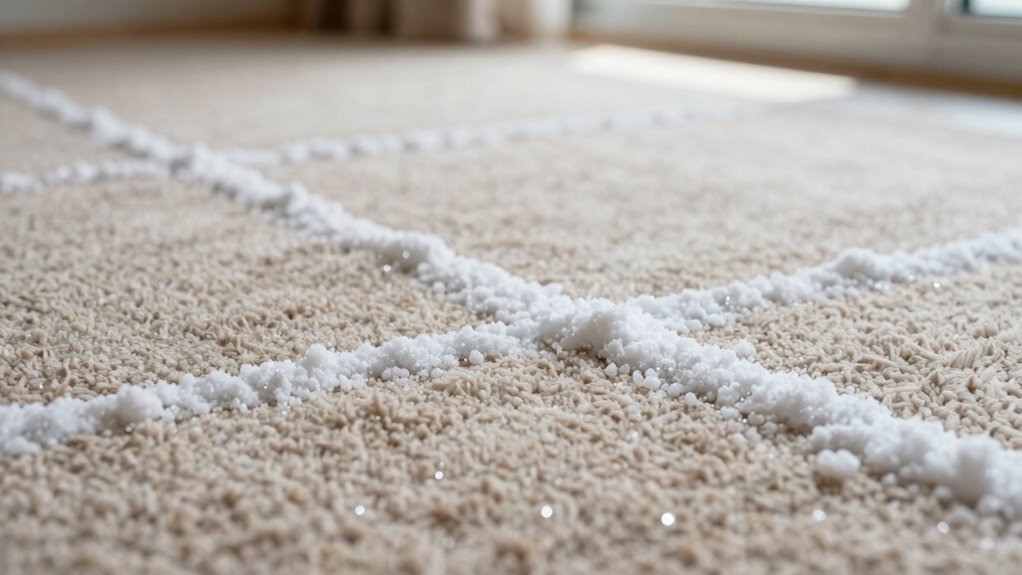
To prevent salt lines from returning after cleaning, addressing the underlying causes of salt buildup and taking proactive steps is essential. You need to reduce the chances of recurrence by controlling moisture and salt sources around your home. Regularly vacuum and clean high-traffic areas to prevent salt accumulation. Seal your carpets to create a barrier against future salt penetration. Keep entryways dry, and wipe off salt and snow from shoes before walking on carpets. Use dehumidifiers in humid months to minimize moisture, which can worsen salt buildup.
- Seal your carpets to block future salt ingress
- Use mats and rugs at entry points
- Regularly vacuum and clean affected areas
- Wipe shoes thoroughly before entering
- Control indoor humidity to prevent salt absorption
What Common Mistakes Should I Avoid When Cleaning Salt Stains?
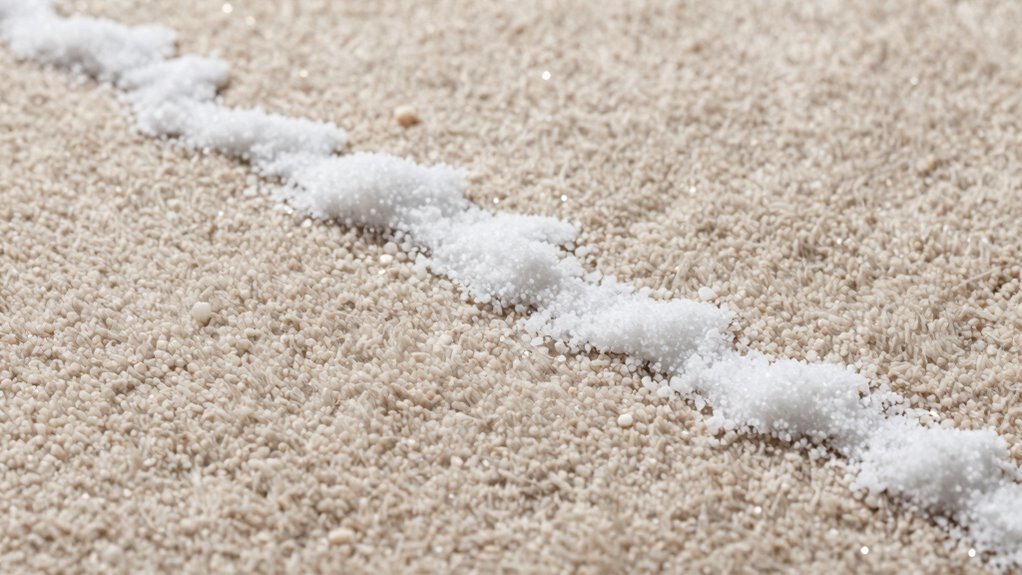
Avoid using harsh cleaning agents, as they can damage your surfaces. Don’t rub salt stains excessively, which can cause scratches or spread the stain further. Remember, delaying proper treatment can make stains harder to remove, so act quickly.
Using Harsh Cleaning Agents
Using harsh cleaning agents can seem like a quick fix, but they often do more harm than good when removing salt stains. These harsh chemicals can damage your carpet fibers, cause discoloration, or leave residues that attract dirt. Instead, opt for eco-friendly solutions that are gentle yet effective.
Avoid these mistakes:
- Relying on bleach or strong solvents that weaken carpet fibers
- Using abrasive scrubbing tools that cause fraying
- Ignoring manufacturer cleaning instructions
- Mixing multiple chemicals, which can produce toxic fumes
- Choosing chemical-heavy products over natural, eco-friendly options
Rubbing Salt Stains Excessively
When cleaning salt stains from your carpet, it’s tempting to scrub vigorously to remove the residue, but this often causes more harm than good. Excessive rubbing can spread salt buildup deeper into the fibers, making it harder to remove and increasing the risk of carpet damage. Instead, use gentle blotting motions with a clean cloth or sponge to lift the salt. Aggressive scrubbing can also fray or weaken the carpet fibers, leading to permanent damage. Remember, patience is key—allow cleaning solutions to work and avoid applying too much pressure. Properly treating salt stains helps preserve your carpet’s integrity and prevents unsightly white lines from reappearing. Always handle salt stains carefully to avoid exacerbating the problem.
Delaying Proper Treatment
Have you waited too long to treat salt stains on your carpet? Delaying proper treatment can make stains permanent and harder to remove. When salt crystallizes, it bonds deeply with fibers, especially in salt resistant carpets. Walking on salt with winter footwear can spread the stain further, worsening the problem. Avoid these common mistakes:
- Ignoring salt stains immediately
- Using hot water, which can set the stain
- Rubbing vigorously, spreading the salt
- Using harsh chemicals that damage fibers
- Waiting too long before cleaning
Prompt action prevents stains from setting in and becoming more stubborn. For salt resistant carpets, gentle cleaning and timely attention are key. Don’t let salt stains linger; quick, proper treatment keeps your carpet looking fresh and prevents costly repairs.
How to Maintain Your Carpet During Winter to Minimize Salt Damage
Winter salt can quickly damage your carpet if you’re not careful, but with the right steps, you can protect your flooring. Start by performing regular winter maintenance, including vacuuming frequently to remove salt particles before they settle in. Use a carpet protector spray to create a barrier against salt damage. Visualize your carpet as a protective shield with this simple table:
| Snowy Path | Salt Residue | Carpet Surface |
|---|---|---|
| Icy walkway | Salt crystals | Cleaned regularly |
| Shoveling snow | Salt stains | Protected with spray |
| Foot traffic | Salt buildup | Maintained with vacuum |
| Salt deposits | Carpet fibers | Minimized damage |
Consistent care and prompt cleaning are essential for maintaining your carpet’s integrity during winter.
Frequently Asked Questions
Can Salt Stains Permanently Damage the Carpet Fibers?
Salt stains can damage your carpet fibers if left untreated, as salt absorption properties can weaken the fiber structure over time. While a quick clean helps, prolonged exposure may reduce carpet fiber durability, causing permanent discoloration or deterioration. To protect your carpet, promptly remove salt residue using a mixture of water and mild detergent, and dry thoroughly. Regular maintenance preserves fiber strength and keeps your carpet looking fresh.
Are There Specific Carpet Types More Resistant to Salt Damage?
Think of your carpet as a sturdy shield against winter’s chill. Some carpet materials, like nylon or wool, naturally offer better salt resistance, much like a knight’s armor. These fibers withstand salt’s corrosive touch more effectively, reducing damage. If you want to keep your carpets looking fresh after snow season, choose materials known for their salt resistance. Regular cleaning also helps protect your investment from lasting harm.
How Long Does It Take for Salt Stains to Set In?
Salt stains can set quickly, often within a few hours if left untreated. You should act fast because salt absorption begins immediately, and stain penetration can occur rapidly, especially with high moisture or foot traffic. To prevent permanent damage, promptly blot the salt, avoid rubbing, and use a gentle cleaning solution. The sooner you address it, the easier it is to remove and minimize lasting effects on your carpet.
Is Professional Cleaning Necessary for Severe Salt Stains?
Severe salt stains can seem like a nightmare, but you don’t always need professionals. DIY remedies like vinegar solutions often work wonders, and applying carpet sealants can lock out future salt damage. However, if stains have deeply penetrated or worsened over time, professional cleaning becomes essential. They have powerful tools to restore your carpet’s integrity, saving you from long-term damage and costly replacements.
Are There Eco-Friendly Products to Prevent Salt Buildup?
Yes, there are eco-friendly solutions and natural remedies you can use to prevent salt buildup on your carpets. You might try using vinegar diluted with water or baking soda, which are safe and effective. These natural remedies help break down salt and keep your carpets cleaner without harsh chemicals. Incorporate these eco-friendly solutions regularly to minimize salt stains and maintain a fresh, healthy home environment.
Conclusion
Winter salt lines on carpets are common, but with the right techniques, you can keep your carpets looking fresh. Did you know that over 80% of homeowners experience salt stains each winter? Regular cleaning and prompt treatment can prevent permanent damage. By following these tips, you’ll protect your carpet and enjoy a cleaner, safer home all season long. Stay proactive, and your carpets will stay beautiful despite the snow and salt outside.