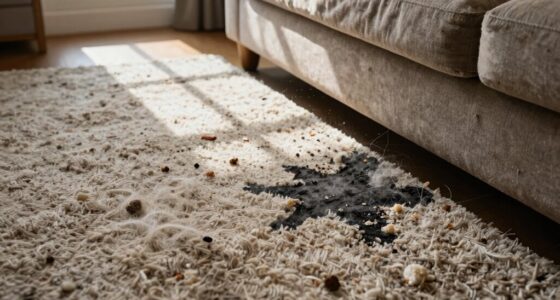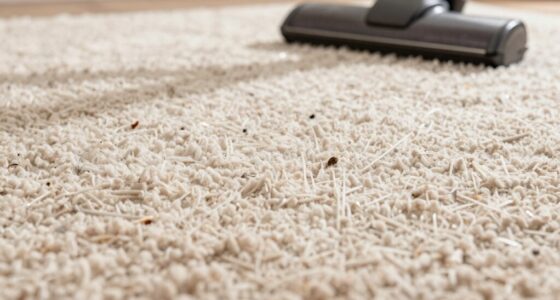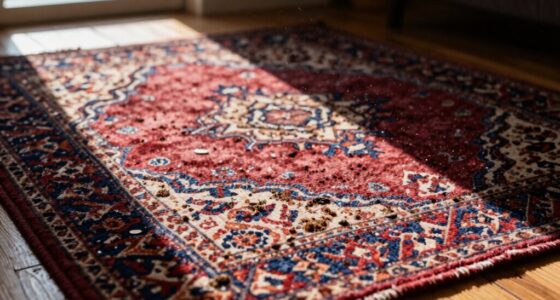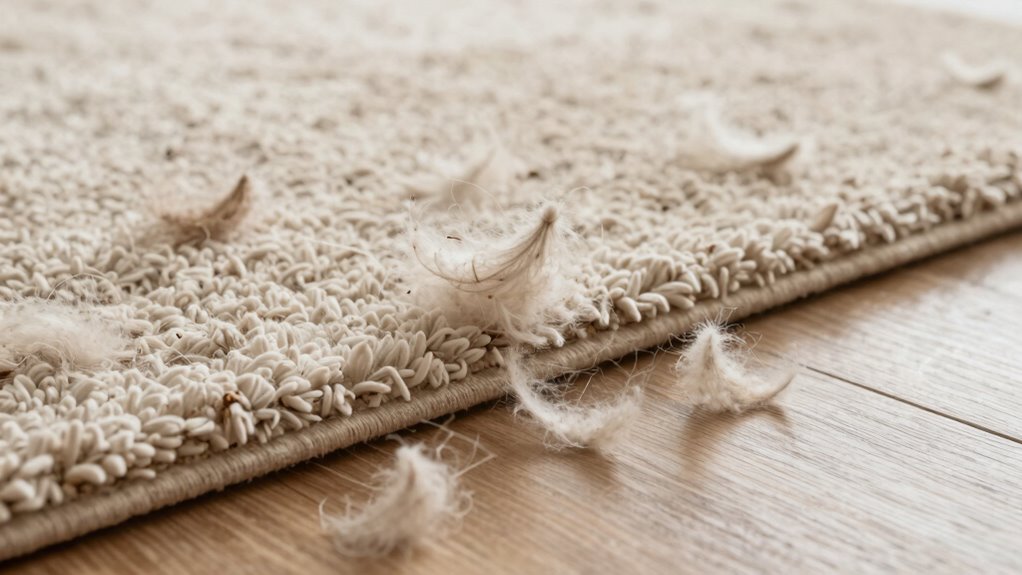

Rug shedding is normal, especially for wool and natural fiber rugs, and usually happens in the first few months as loose fibers loosen and fall away. Synthetic rugs tend to shed less but can still lose fibers over time. Excessive shedding after the initial phase may signal a problem, especially if fibers end up on furniture or clothing. To keep your rug looking its best, learn how to identify normal from problematic shedding and what steps to take.

Get cleaning gear delivered free — and shop member deals
- Fast, free delivery on millions of items
- Access to Prime Big Deal Days deals on October 6–7
- Prime Video, Amazon Music and more included
Key Takeaways
- Normal shedding occurs mainly during the initial few months and involves loose fibers that can be easily vacuumed away.
- Synthetic rugs tend to shed less, but some fiber loss over time is typical and usually not a concern.
- Excessive or persistent shedding beyond the break-in period may indicate low-quality fibers or damage.
- Regular gentle vacuuming and brushing help control normal shedding and maintain rug appearance.
- If shedding remains heavy or worsens, consult a professional to identify potential issues and prevent further damage.

Have you ever wondered why your rug sheds fibers? It’s a common question among homeowners and even pet owners. The answer lies in understanding fiber types and shedding cycles. Different rugs are made from various materials like wool, synthetic fibers, or blends, each with their unique shedding tendencies. Wool rugs, for instance, tend to shed more initially because natural fibers have longer, looser fibers that are more prone to coming loose. Synthetic fibers, on the other hand, usually shed less but can still lose fibers over time. Recognizing the type of fibers your rug is made from helps you determine whether shedding is a normal part of the rug’s life or a sign of a problem.
Understanding fiber types helps distinguish normal shedding from potential issues.
Shedding cycles are another critical factor. Most rugs go through a phase of initial shedding when new, which is entirely normal. During this period, small fibers loosen and fall away, especially with wool or similar natural fibers. This shedding is usually most noticeable during the first few months after purchase. After this initial phase, shedding typically diminishes markedly, and the rug stabilizes. However, some rugs, especially those made from certain synthetic fibers, may shed small amounts of fibers regularly, which is also normal. If shedding persists beyond the first few months or seems excessive, it could indicate a problem, such as poor-quality fibers or manufacturing defects.
Understanding the difference between normal shedding and problematic shedding is key. Normal shedding often involves loose fibers that can be easily removed with regular vacuuming or gentle brushing. It’s a sign that the fibers are settling into the rug and that the rug is settling into its use. Problematic shedding, however, might be characterized by a rapid, heavy loss of fibers that seems to continue long after the initial break-in period. If your rug is shedding excessively, you might notice fibers on your furniture, clothing, or in your vacuum cleaner, even after cleaning. This could indicate a low-quality rug, damage, or an underlying issue with the fibers. Additionally, understanding the fiber quality of your rug can help predict its shedding behavior over time.
To minimize shedding, you can take simple steps like using a vacuum with a gentle suction setting or a rug rake designed to lift loose fibers. Regular but gentle cleaning helps keep shedding manageable and prolongs the life of your rug. If shedding becomes abnormal or you’re concerned about the amount of fibers coming off, it’s worth consulting the retailer or a professional rug cleaner. They can assess whether your rug’s shedding is typical or if it needs repair or replacement. Ultimately, understanding fiber types and shedding cycles helps you manage your rug’s shedding and maintain its appearance and longevity.
As an affiliate, we earn on qualifying purchases.
Frequently Asked Questions
How Can I Identify if Shedding Is a Sign of Health Issues?
If your rug shedding worsens suddenly or causes allergy symptoms and skin irritation, it could signal health issues. Keep an eye on excessive hair loss, bald patches, or persistent skin redness. If these signs appear alongside your pet scratching or licking more than usual, it’s a good idea to consult a vet. Regular grooming helps, but sudden changes in shedding patterns may indicate underlying health concerns needing professional attention.
Are There Specific Breeds More Prone to Excessive Shedding?
Did you know that Labrador Retrievers and German Shepherds are among breeds more prone to excessive shedding? Breed predispositions play a key role, and seasonal variations make shedding worse during spring and fall. If you have these breeds, expect more hair around your home, especially during shedding seasons. Regular grooming helps manage this, but understanding your dog’s breed traits helps you prepare for the shedding patterns you’ll face.
What Natural Remedies Help Reduce Shedding?
You can reduce shedding naturally by using herbal supplements like omega-3 fatty acids, which promote healthy skin and coat. Incorporate natural oils such as fish oil or coconut oil into your pet’s diet to nourish their skin from within. Regular grooming helps remove loose hair, while herbal supplements like flaxseed can also support coat health. These remedies work together to minimize shedding and keep your pet’s coat shiny and healthy.
How Often Should I Replace My Rug Due to Shedding?
You should replace your rug when cleaning frequency no longer effectively controls shedding or if it becomes visibly worn or stained. Regular vacuuming helps manage shedding, but if shedding persists despite frequent cleaning, it might be time for rug replacement. Keep an eye on wear and tear, and don’t hesitate to replace your rug when it no longer maintains its appearance or cleanliness, ensuring a healthier, more comfortable space.
Can Diet Changes Impact My Pet’s Shedding Levels?
Think of your pet’s coat as a garden needing proper care. Changing their diet is like adding fertilizer—rich in omega-3s and vitamins—that promotes healthy growth and reduces excessive shedding. Regular pet grooming and coat maintenance help remove loose fur, preventing buildup. By nourishing your pet from the inside out, you can help control shedding levels, making their coat shinier and healthier—like a well-tended garden in full bloom.
As an affiliate, we earn on qualifying purchases.
Conclusion
Understanding rug shedding helps you distinguish between normal and problematic loss. While some shedding is natural, excessive hair can signal underlying issues needing attention. You might enjoy a cozy, hair-free rug one day, only to find it coated in fibers the next. By staying observant and proactive, you can maintain a clean, comfortable space. Remember, managing shedding isn’t just about aesthetics; it’s about ensuring your home remains healthy and inviting.
synthetic rug shedding prevention
As an affiliate, we earn on qualifying purchases.
As an affiliate, we earn on qualifying purchases.
As an affiliate, we earn on qualifying purchases.
Fall Picks
fall essentials
As an affiliate, we earn on qualifying purchases.