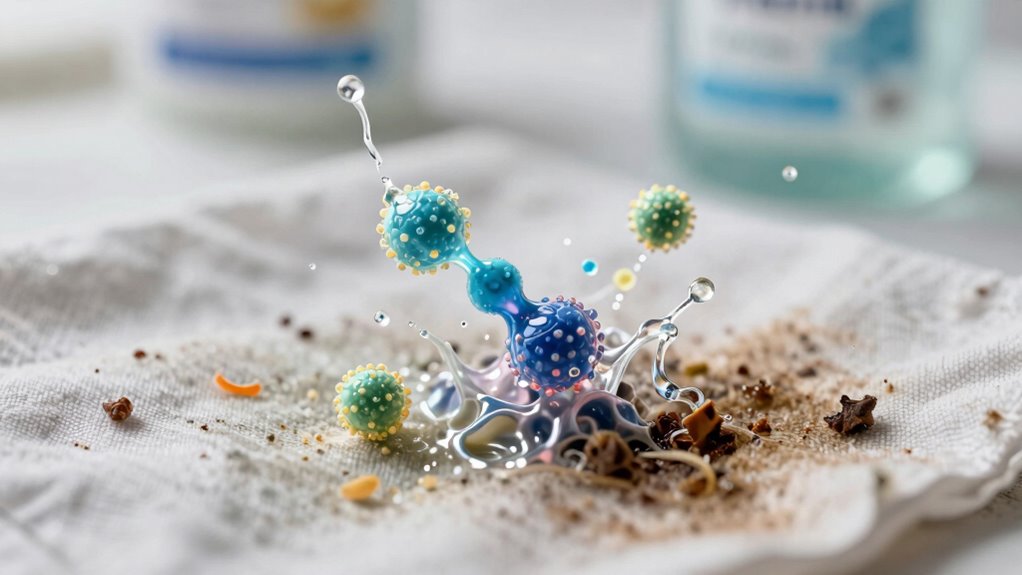

Enzymes in cleaners target organic molecules in stains and odors, breaking them down at a microscopic level for more natural, effective removal. They dissolve food, blood, pet messes, and other organic residues, neutralizing smells rather than masking them. This process guarantees a thorough clean without harsh chemicals. If you want to understand how enzyme cleaners work and why they’re a smart choice, keep exploring their benefits and uses.
Key Takeaways
- Enzymes target specific organic molecules in stains and odors, breaking them down at the molecular level.
- They dissolve stubborn stains like food, blood, and pet messes by enzymatic breakdown.
- Enzymes neutralize odors by decomposing odor-causing molecules rather than masking them.
- They activate under moderate temperatures and neutral pH, ensuring effective cleaning without harsh chemicals.
- Enzyme cleaners are biodegradable and environmentally friendly, reducing chemical waste and residue.
What Are Enzyme Cleaners and How Do They Work?
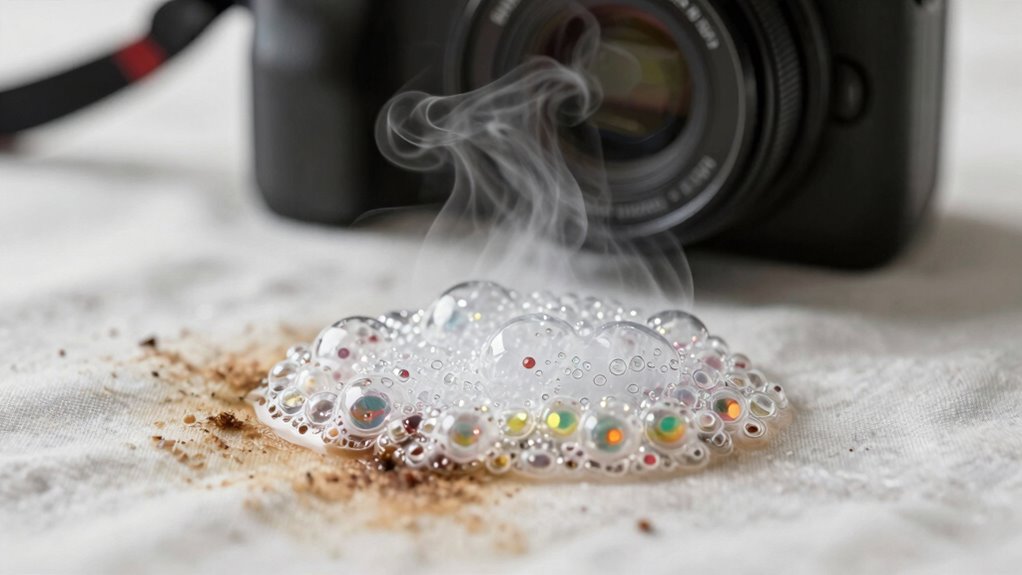
Enzyme cleaners are specialized products that use natural enzymes to break down stains and odors. When you apply them, the enzymes target specific molecules in organic stains like food, blood, or pet messes. This process, called enzyme breakdown, effectively dissolves the stain’s structure, making it easier to remove. These cleaners don’t just mask odors—they neutralize them at their source. By speeding up the natural decomposition process, enzyme cleaners deliver efficient stain removal without harsh chemicals. You’ll notice how quickly and thoroughly they work, especially on stubborn spots. Because enzymes are biological catalysts, they activate at moderate temperatures and neutral pH, ensuring safe and eco-friendly cleaning. Additionally, enzyme cleaners are designed to be energy-efficient and environmentally sustainable, aligning with sustainable cleaning principles. They are particularly effective in organic stain removal, which often resists traditional cleaning methods. Recognizing the importance of AI ethics is crucial as technology advances, ensuring that innovations like enzyme cleaners are used responsibly and sustainably. Overall, enzyme cleaners provide a powerful, natural solution for tackling tough stains and lingering odors.
Why Choose Enzyme Cleaners Over Traditional Products?
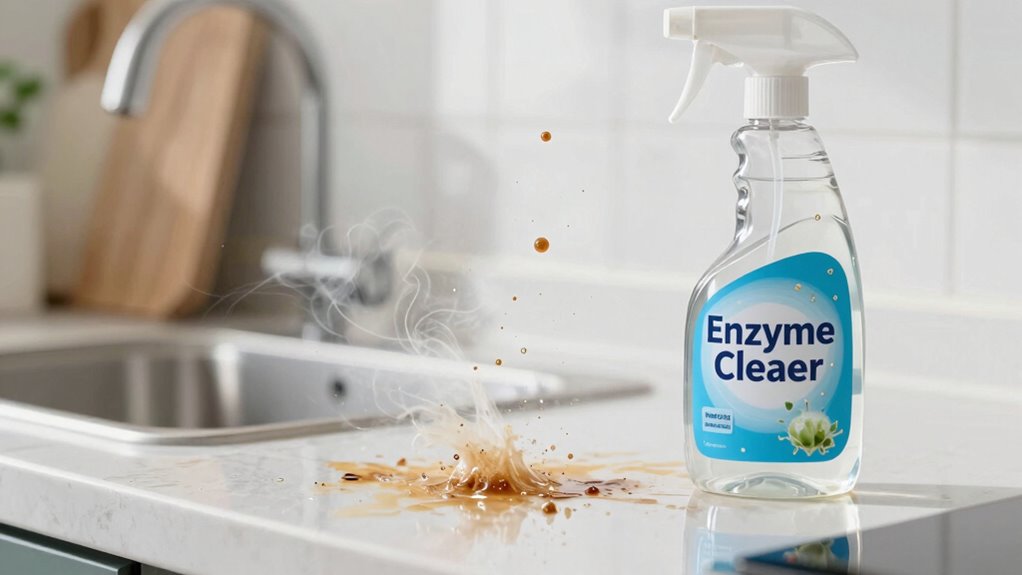
Enzyme cleaners are a better choice because they’re natural and biodegradable, making them safer for the environment. They also eliminate odors more effectively without harsh chemicals. Plus, they’re gentle on surfaces, so you don’t have to worry about damage or residue. Using enzyme cleaners can also help maintain proper cleaning techniques, which is essential for effective stain and odor removal. Additionally, enzyme cleaners are often more cost-effective in the long run because they can reduce the need for repeated treatments. Incorporating enzyme cleaners can also support air quality improvements, aligning with efforts to create a healthier home environment.
Natural and Biodegradable Composition
Because they are made from natural ingredients, enzyme cleaners are a more environmentally friendly choice compared to traditional chemical-based products. They contain biodegradable ingredients that break down naturally without harming ecosystems. These natural cleaning agents are derived from plants, enzymes, and minerals, making them safer for you and the planet. Unlike synthetic chemicals, enzyme cleaners don’t leave behind toxic residues, reducing your exposure to harmful substances. Their natural composition guarantees they’re gentle on surfaces while still powerful enough to tackle stains and odors. Choosing enzyme cleaners means supporting sustainable practices and reducing chemical waste. Overall, their natural and biodegradable makeup makes them a responsible, eco-conscious option for your cleaning routine.
Effective Odor Elimination
Natural enzyme cleaners excel at eliminating stubborn odors that often linger despite traditional cleaning efforts. They achieve this through specific chemical reactions that break down odor-causing molecules, leading to effective odor neutralization. Unlike chemical-based air fresheners that only mask odors, enzymes actively target and dismantle organic compounds responsible for bad smells. This process ensures odors are not just hidden but permanently eliminated. Enzyme cleaners work on a microscopic level, transforming foul smells into harmless, odorless substances. Additionally, enzyme cleaners are a biodegradable solution that is safe for the environment and household members. They are especially effective in Free Floating situations where odors are dispersed throughout a space, as enzymes can penetrate porous surfaces. Incorporating knowledge of dog health and wellness can also help in understanding the importance of using safe, eco-friendly cleaning products around pets. Understanding the chemical reactions involved highlights why enzyme cleaners are a scientifically proven method for odor removal. Choosing enzyme cleaners over traditional products means you’re relying on natural, scientifically proven methods that deliver real odor removal—without relying on overpowering fragrances or harsh chemicals.
Gentle on Surfaces
Traditional cleaning products often contain harsh chemicals that can damage delicate surfaces or cause discoloration over time. Enzyme cleaners are gentle on surfaces because they rely on natural biological processes rather than aggressive chemicals. They promote surface protection by targeting stains and odors without triggering harmful chemical reactions that could degrade materials. They are also less likely to leave behind residue, which can attract more dirt or cause buildup. Unlike traditional products, enzymes break down organic matter at a molecular level, reducing the risk of surface damage. This biochemical activity is biological processes helps explain why enzyme cleaners are effective and gentle. Additionally, enzymes can remain active over a range of temperatures, making them versatile for various cleaning conditions. Their stability under different conditions makes them ideal for cleaning sensitive areas like upholstery, carpets, and even kitchen counters. The enzymes used in these cleaners are naturally derived, further minimizing potential chemical sensitivities or allergic reactions. Their biodegradability ensures that enzyme cleaners break down safely in the environment, adding another layer of safety for household use. By choosing enzyme cleaners, you avoid the aggressive chemical reactions that often lead to discoloration or surface deterioration. Instead, you get effective cleaning that preserves the integrity and appearance of your surfaces, ensuring they stay spotless and undamaged over time.
How to Pick the Best Enzyme Cleaner for Your Home?
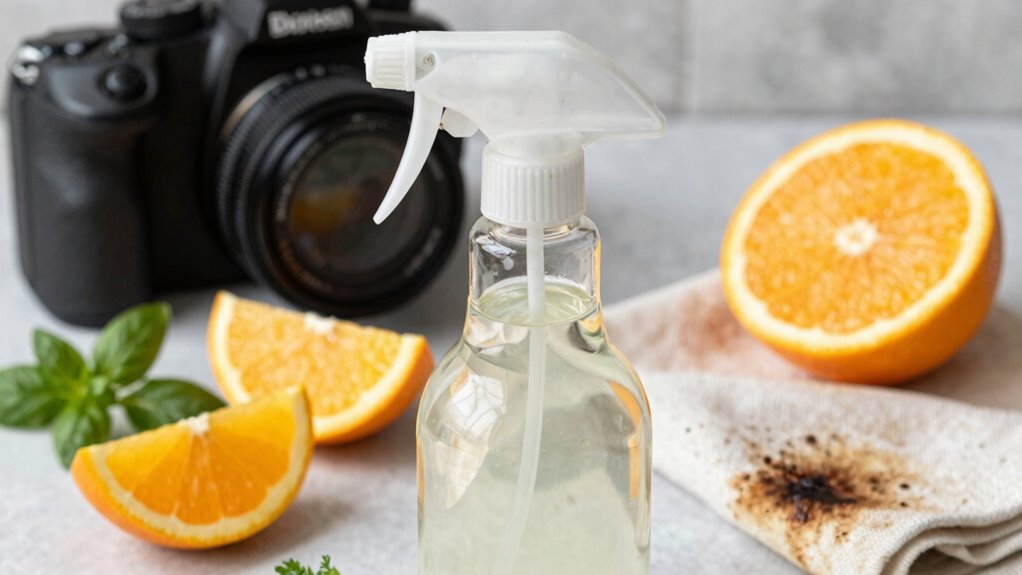
When selecting an enzyme cleaner, start by checking if it’s safe for your surfaces to avoid damage. Next, look at the types of enzymes included to ensure they target your specific stains or odors. Considering these points helps you choose a product that’s effective and suitable for your home. Additionally, understanding cleaning appliance functions can help you better maintain your cleaning tools for optimal performance. Recognizing how enzymes work at a biological level can further enhance cleaning effectiveness by allowing you to select products that utilize the most appropriate enzymes for your needs. Being aware of enzyme activity mechanisms can also help you optimize application methods for better results. Understanding how biological processes influence enzyme activity can further improve cleaning outcomes by tailoring your approach to the specific reactions involved.
Consider Surface Compatibility
Choosing an enzyme cleaner that matches your surface type is essential to avoid damage and guarantee effective cleaning. Consider the surface’s durability and stain compatibility before selecting a product. For delicate surfaces like hardwood or fabric, opt for gentle cleaners that won’t cause etching or discoloration. For tougher surfaces such as tile or concrete, stronger formulations are suitable. Keep in mind that some enzymes may not be compatible with certain materials, risking damage or ineffective cleaning. Additionally, understanding auditory processing can help in selecting products that minimize noise or chemical disruption during cleaning. Being aware of surface compatibility ensures you select an enzyme cleaner that effectively targets stains without compromising your surfaces’ integrity. It’s also beneficial to consider enzyme activity levels, which can influence how quickly and effectively stains are broken down on different surfaces.
Check Enzyme Types
To pick the right enzyme cleaner for your home, start by understanding the different types of enzymes it contains. Enzyme diversity is key—look for products with a mix of proteases, lipases, and amylases, as each targets specific stains and odors. Proteases break down proteins like blood and food, lipases handle fats and oils, and amylases tackle starches. Additionally, check enzyme stability; stable enzymes remain effective over time and in various conditions, ensuring ongoing performance. Some cleaners may lose potency if exposed to heat or prolonged storage, so choose products with proven enzyme stability. By understanding these enzyme types and their stability, you can select a cleaner tailored to your specific needs, ensuring maximum stain removal and odor neutralization.
Tips for Using Enzyme Cleaners Effectively

Using enzyme cleaners effectively requires a few simple techniques to maximize their power. First, always follow the manufacturer’s instructions for application and dwell time. To boost results, pre-treat stubborn stains or odors with a small amount of cleaner. Store enzyme cleaners properly; keep them in a cool, dry place away from direct sunlight, and tightly reseal bottles to maintain enzyme activity. For DIY tips, dilute the cleaner as recommended and test on a small area first. When applying, ensure the surface stays moist for the recommended period to allow enzymes to break down stains. Remember, patience is key—let the enzymes work without rushing. Proper storage advice and careful application help you get the most out of your enzyme cleaner, saving time and effort.
Are Enzyme Cleaners Safe? Common Questions Answered?
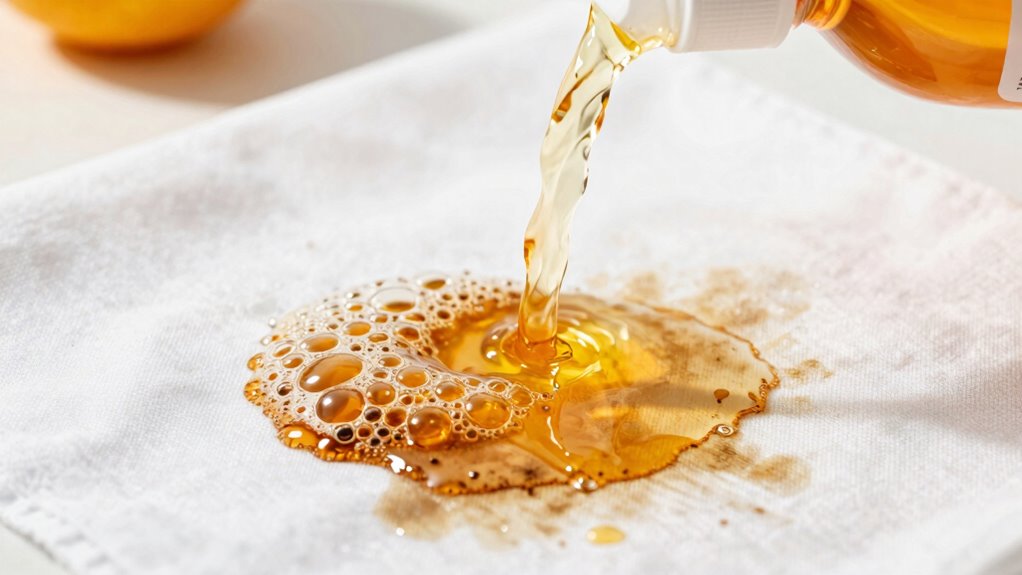
Many people wonder if enzyme cleaners are safe to use around children, pets, and sensitive surfaces. Generally, these cleaners are eco-friendly and biodegradable, making them a safer choice for your home. They break down organic stains without harsh chemicals, reducing environmental impact. However, always read labels to ensure compatibility with delicate surfaces. Cost considerations vary; enzyme cleaners are often more affordable long-term because they remove stubborn stains effectively, reducing the need for multiple products.
Here’s a quick comparison:
| Aspect | Enzyme Cleaners | Traditional Cleaners |
|---|---|---|
| Environmental Impact | Low, biodegradable | Often chemical-heavy |
| Cost Considerations | Cost-effective over time | May require multiple products |
| Safety Around Kids/Pets | Generally safe when used properly | Varies, often harsher chemicals |
How Long Do Enzyme Cleaners Take to Work?
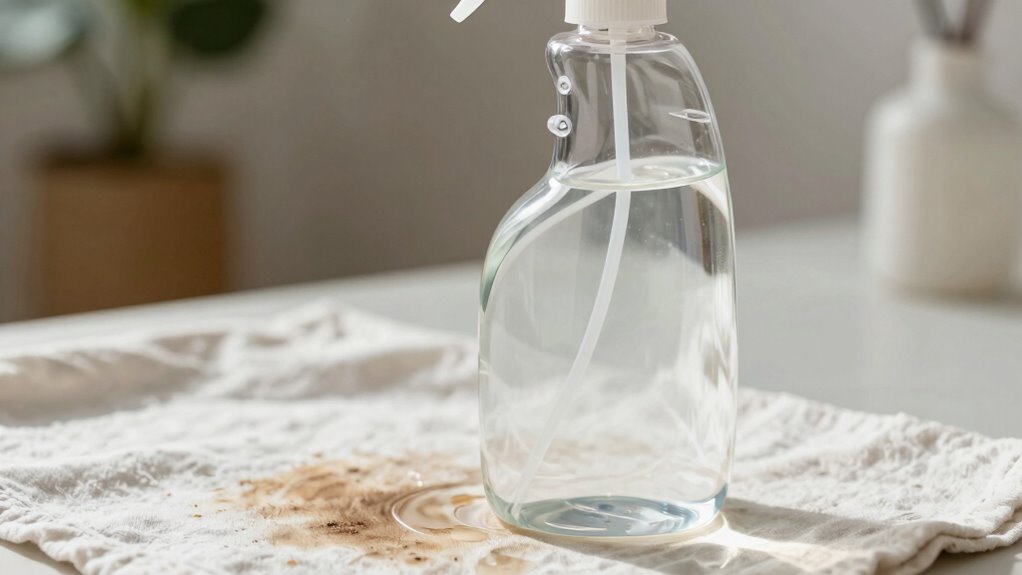
Wondering how quickly enzyme cleaners work? The time varies depending on factors like application techniques and storage considerations. Usually, you’ll see results within 30 minutes to a few hours, but tougher stains or odors may take overnight treatment. To maximize effectiveness, apply the cleaner directly to the stain or odor source and let it sit undisturbed. Keep in mind:
Enzyme cleaners work within 30 minutes to a few hours, with tougher stains needing overnight treatment.
- Proper application ensures enzymes reach the problem area
- Store enzyme cleaners in a cool, dry place to preserve activity
- Avoid exposing them to heat or sunlight, which can deactivate enzymes
- For best results, follow label instructions regarding dwell time
Patience is key, but with the right application techniques and storage considerations, you’ll see those stains and odors diminish faster.
Frequently Asked Questions
Can Enzyme Cleaners Remove Pet Stains Completely?
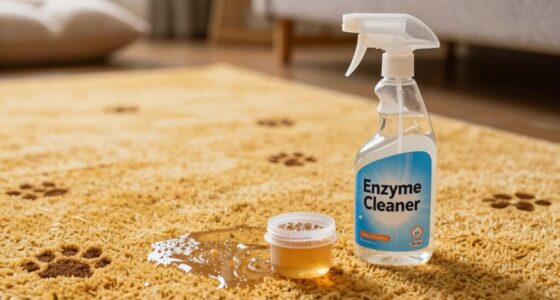
Yes, enzyme cleaners can often remove pet stains completely because their enzymes target the proteins in pet urine and feces. For effective pet stain removal, you need to give the enzymes time to work, usually by letting the cleaner sit for a while. The enzyme effectiveness depends on how fresh the stain is and if you follow the instructions correctly. With proper use, you can achieve thorough pet stain removal.
Are Enzyme Cleaners Effective Against Mold and Mildew?
Yes, enzyme cleaners can be effective against mold and mildew when used correctly. They help with mold removal and mildew control by breaking down the organic materials that mold feeds on. To maximize their effectiveness, you should thoroughly apply the enzyme cleaner to affected areas, allow adequate time for it to work, and combine it with proper drying. Regular use can help prevent future mold and mildew growth.
Do Enzyme Cleaners Have a Strong Odor Themselves?
Like a whisper of nature, enzyme cleaners don’t usually have a strong odor themselves. They often feature a natural scent or odor neutrality, making them pleasant to use around your home. You might notice a slight smell initially, but it quickly dissipates, leaving behind a fresh, clean feeling. This subtle scent guarantees your space smells inviting without the overpowering chemical odors often associated with other cleaners.
How Should Enzyme Cleaners Be Stored for Longevity?
To guarantee longevity, store enzyme cleaners in a cool, dry place away from direct sunlight, which helps maintain their effectiveness. Keep the container tightly sealed to prevent contamination and evaporation, extending its shelf life. Always follow storage safety guidelines by avoiding extreme temperatures and keeping it out of reach of children. Proper storage preserves enzyme activity, so your cleaner stays effective and safe for future use.
Can Enzyme Cleaners Be Used on Delicate Fabrics?
You can use enzyme cleaners on delicate fabrics, but you should be cautious about fabric safety. Imagine gently treating a silk blouse—if you use too much or scrub harshly, you risk enzymatic damage. Always test a small, hidden area first and follow the manufacturer’s instructions. When used correctly, enzyme cleaners can safely remove stains without harming delicate fabrics, keeping your clothes fresh and intact.
Conclusion
Imagine stains and odors melting away as enzyme cleaners work their magic, breaking down grime at the microscopic level. With the right product in your hands, you become the hero in your home, transforming chaos into freshness. Just like a breath of clean air after a storm, enzyme cleaners leave your space smelling inviting and looking spotless. Embrace their power, and enjoy the confidence of a truly fresh, odor-free home every day.