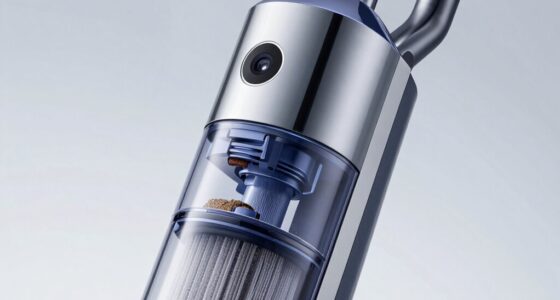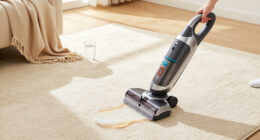
Carpet wicking happens when deep dirt, moisture, or residues stay trapped in fibers or backing after cleaning, causing stains to reappear as the carpet dries. As moisture evaporates, it pulls those particles back to the surface, making stains seem to come back even after cleaning. If you want to stop this cycle, understanding how wicking works and the best methods to prevent it is essential. Keep exploring to learn more about effectively controlling and preventing carpet wicking.

Get cleaning gear delivered free — and shop member deals
- Fast, free delivery on millions of items
- Access to Prime Big Deal Days deals on October 6–7
- Prime Video, Amazon Music and more included
Key Takeaways
- Wicking occurs when deep soil or residues re-emerge on the surface during carpet drying.
- Residual moisture and stains embedded deep within fibers cause stains to reappear over time.
- Improper cleaning or incomplete drying leaves behind residues that promote re-soiling.
- Deep-seated spills can push contaminants below the surface, re-emerging as the carpet dries.
- Persistent wicking indicates underlying issues like residue buildup or damage needing targeted cleaning.
professional carpet cleaning machine
As an affiliate, we earn on qualifying purchases.
As an affiliate, we earn on qualifying purchases.
What Is Carpet Wicking and How Does It Make Stains Reappear?

Have you ever cleaned a stain on your carpet only to see it reappear shortly afterward? That’s often caused by carpet wicking. When you spill something, dry soil or residue can settle deep into the carpet fibers. Even if you scrub the surface, the moisture from your cleaning can draw that soil back up to the fibers’ surface as it dries. This process makes the stain seem like it’s gone, but the dirt is still lurking below. Carpet fibers act like tiny sponges, holding onto the soil and moisture. As the fibers dry, the residual dirt wicks back up, bringing the stain with it. That’s why stains seem to return, despite your best cleaning efforts. Understanding carpet wicking can help you implement more effective cleaning techniques to prevent it from recurring. Using the right cleaning method, such as deep cleaning with proper drying techniques, can help minimize this issue and keep your carpets looking fresh longer. Additionally, being aware of the fiber properties can guide you in choosing appropriate cleaning products and methods to reduce wicking. Recognizing the importance of professional cleaning can also contribute to better long-term results. Properly managing moisture levels and understanding how fibers interact with water are essential steps in preventing wicking from undermining your cleaning efforts.
As an affiliate, we earn on qualifying purchases.
How Can You Tell If Wicking Is Causing Your Carpet Stains?
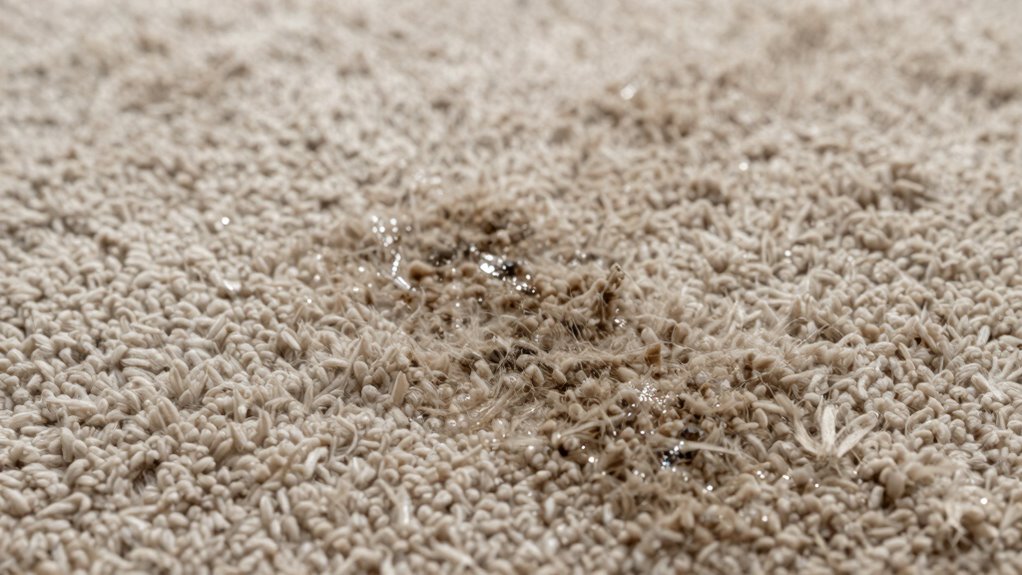
If you notice stains reappearing after you’ve cleaned your carpet, it might be due to carpet wicking. To identify wicking, look for certain signs.
- Fresh stains seem to reappear after drying, indicating dye transfer from fibers.
- The stain appears brighter or darker than surrounding areas, suggesting fiber damage.
- When you press on the carpet, dampness or discoloration persists deep below the surface.
- Repeated cleaning efforts don’t fully remove the stain, hinting at underlying moisture movement.
- The stain seems to grow or spread over time, often caused by dye transfer from damaged fibers.
- Understanding carpet wicking can help you take proper steps to prevent or address these persistent stains. Recognizing these signs helps you determine if wicking is responsible for stubborn stains, often linked to fiber damage and dye transfer deep within the carpet.
- Properly addressing moisture migration is essential to prevent recurring stains and further damage.
- Using appropriate cleaning techniques can help mitigate the effects of wicking and prevent future issues.
- Being aware of piercing aftercare and choosing suitable jewelry materials can prevent complications that might lead to prolonged moisture retention and increased risk of staining or infection.
carpet wicking prevention products
As an affiliate, we earn on qualifying purchases.
As an affiliate, we earn on qualifying purchases.
Why Do Carpet Wicks and Stains Keep Coming Back? (Common Causes)
Why Do Carpet Wicks and Stains Keep Coming Back? (Common Causes)
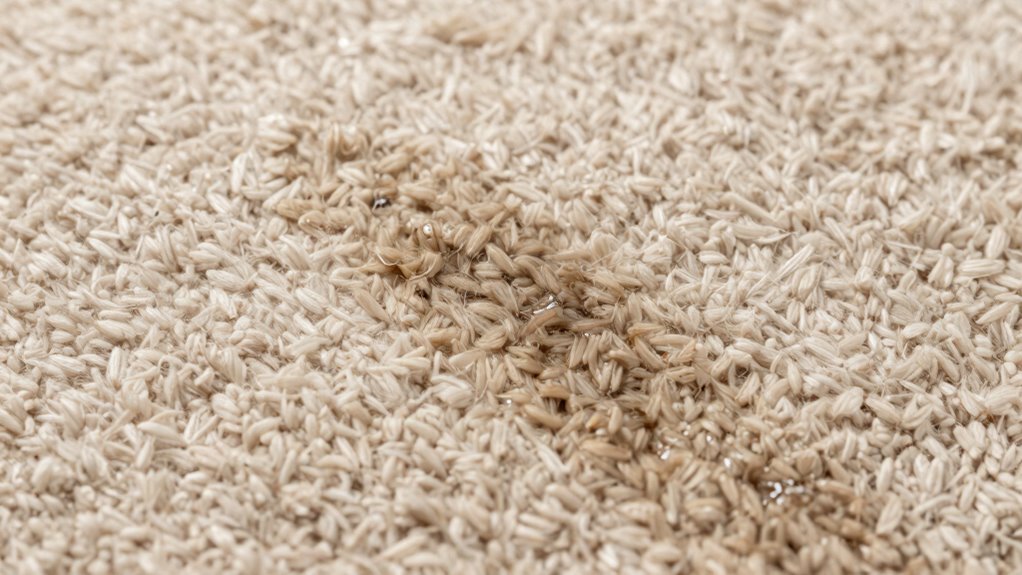
Carpet wicks and stains often keep returning because underlying moisture and dye transfer remain trapped deep within the fibers. When fibers are damaged or worn, they absorb liquids more easily, making stains harder to remove permanently. Persistent odor issues can also signal trapped moisture fueling ongoing problems. Common causes include residual moisture from cleaning, improper drying, or dye migration from spills. Damage to fibers creates pathways for liquids to travel and reappear after cleaning. Here’s a quick overview:
| Cause | Effect | Solution |
|---|---|---|
| Fiber damage | Increased absorption of stains | Repair or replace affected areas |
| Residual moisture | Odor issues and stain reappearance | Proper drying after cleaning |
| Dye transfer | Persistent color stains | Use color-safe cleaning methods |
| Deep-seated spills | Re-emergence of stains over time | Professional extraction techniques |
| Humidity & condensation | Promotes mold & odor | Improve ventilation and dehumidify |
Additionally, proper maintenance can help prevent the re-emergence of stains and wicks by reducing underlying moisture and fiber damage.
As an affiliate, we earn on qualifying purchases.
Surface Cleaning vs. Wicking: What’s the Difference?

When you clean your carpet’s surface, you’re removing dirt and stains visible to the eye, but that doesn’t always stop wicking. Wicking happens when residues left behind during cleaning bring stains back up from deeper layers. Understanding the difference helps you avoid residue that causes ongoing issues. Employing proper cleaning techniques and allowing sufficient drying time can help minimize the risk of residue buildup. Using appropriate cleaning agents can further reduce the likelihood of stain recurrence caused by residual moisture or detergents trapped within the carpet fibers. Additionally, choosing the right cleaning method can prevent deep fiber contamination, which contributes to wicking and stain reappearance. Consistent feedback during cleaning processes can also ensure that techniques are adjusted to effectively address potential moisture retention within the carpet.
Surface Dirt Removal
Have you ever wondered why your carpet seems cleaner after surface cleaning but still feels damp or stained below? That’s because surface dirt removal only tackles what’s visible on top. It doesn’t reach deep into the carpet padding or remove pet accidents that seep below the surface. When you clean superficially, dirt and stains can remain hidden beneath, ready to wick back up over time. Additionally, luxury cleaning techniques can help ensure a more thorough removal of embedded debris and moisture. Imagine:
- Pet accidents soaking into the padding
- Dirt trapped beneath fibers
- Surface cleaning missing embedded debris
- Moisture lingering in padding
- Stains reappearing after drying
Understanding the carpet wicking process reveals why stains reappear and emphasizes the importance of comprehensive cleaning methods. These issues show that surface cleaning alone isn’t enough. To truly refresh your carpet, you need to address the dirt and stains that have penetrated deeper, preventing wicking and future reappearance. Properly addressing the root causes involves deep cleaning methods that target the underlying issues before they cause ongoing problems. Recognizing the importance of moisture removal can help prevent re-soiling and keep your carpets looking fresh longer.
Deep Stain Penetration
Surface cleaning often removes visible stains and dirt, but it doesn’t always reach the deeper layers where stains can settle. When spills seep into the carpet fibers, they are absorbed through fiber absorption, pushing contaminants below the surface. Over time, moisture migration can carry liquids further down into the backing and padding, making stains more embedded. This deep stain penetration means that even after cleaning the surface, residual moisture and particles remain hidden beneath, setting the stage for wicking to occur later. Without addressing this deeper infiltration, stains can reappear as moisture moves back to the surface, bringing along trapped dirt and color. Understanding the difference between surface cleaning and the true depth of stain penetration is essential to prevent recurring stains. Additionally, deep stain penetration can be exacerbated by natural fiber properties that absorb moisture, making comprehensive cleaning methods crucial.
Residue Residual Effects
Deep stain penetration can leave behind residual residues that aren’t visible on the surface but can cause ongoing problems. These residues, like pet urine or mold spores, linger below the surface, fueling recurring stains and odors. Even after surface cleaning, these hidden leftovers can wick back to the top, making stains reappear. Residue effects are often mistaken for dirt but are actually unseen deposits that attract moisture and bacteria. They can cause mold growth or persistent odors if not properly removed. Understanding filtration is essential to prevent these residues from lingering and causing future issues. Proper cleaning techniques and residue removal are crucial for long-term stain management.
Additionally, failure to address these residues can lead to recurrent staining, making thorough cleaning and proper residue removal critical for long-term results. Recognizing the residue buildup beneath the surface helps in choosing the right cleaning methods to avoid future setbacks.
Easy Ways to Prevent Carpet Wicking When You Clean
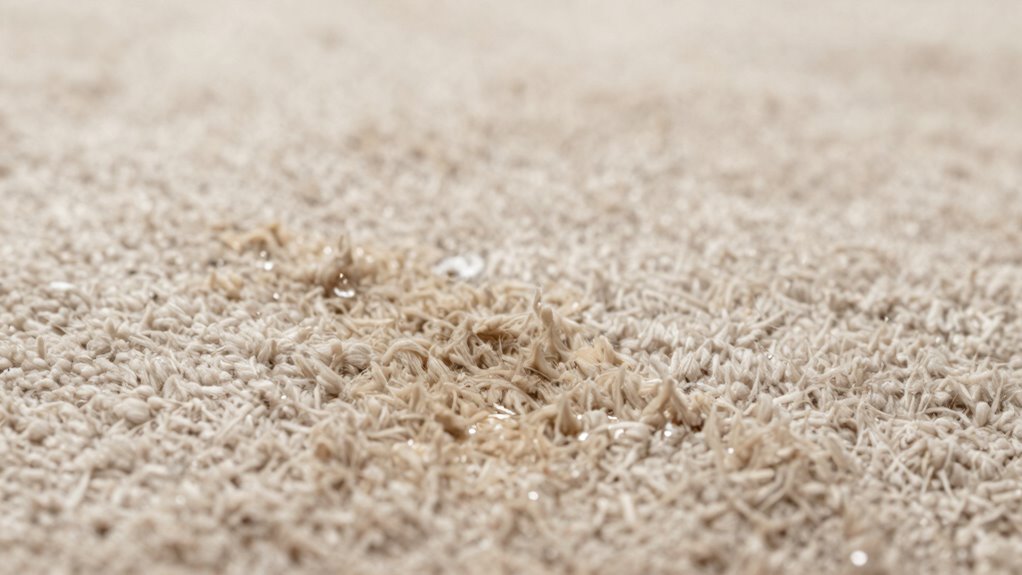
To prevent carpet wicking when you clean, it’s essential to focus on proper cleaning techniques and drying methods. Start by understanding fiber cross sections, as they influence how deep stains can penetrate. Use cleaning solutions that lift stains without saturating the fibers excessively, reducing the risk of moisture reaching the backing. When cleaning, avoid overwetting, especially in dense fibers, which can lead to incomplete drying and increased stain absorption below the surface. After cleaning, ensure thorough but gentle drying—use fans or dehumidifiers to speed up moisture removal. Proper drying prevents residual moisture from lingering in the fibers and backing, which could wick up later. Maintaining a careful balance between cleaning power and moisture control is key to stopping wicking before it begins.
Deep Cleaning Techniques to Stop Wicking From Returning

Since wicking often occurs when moisture penetrates below the surface during cleaning, employing effective deep cleaning techniques is essential to prevent it from returning. To minimize fiber damage and reduce moisture intrusion, focus on thorough but controlled cleaning methods. Use hot water extraction carefully, ensuring no excessive moisture is left behind. Avoid over-wetting the carpet fibers, which can trap moisture and cause stains to reappear. Properly extract all cleaning solution and moisture, and allow ample drying time. Consider applying a protective sealant or fiber protector after deep cleaning to block moisture intrusion. Additionally, inspect for areas with hidden damage or weak fibers that could facilitate wicking. These steps help guarantee your carpet stays clean and free of persistent stains.
How to Repair and Manage Wicking Spots That Keep Reappearing
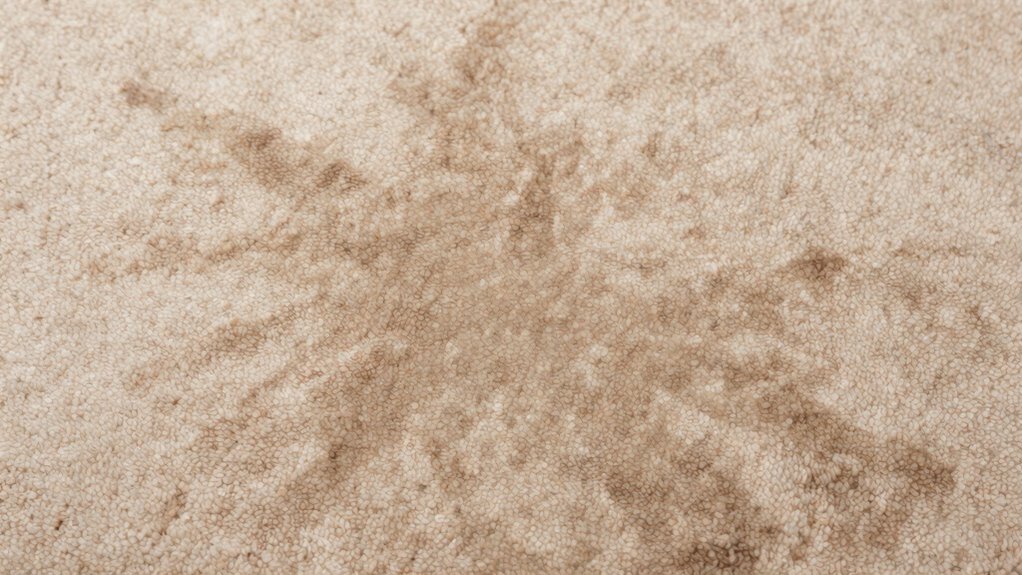
To effectively repair recurring wicking spots, you need to identify hidden moisture that might be causing the problem. Once you locate the source, applying targeted spot treatments can stop the spots from reappearing. Understanding these key points helps you manage persistent wicking issues more successfully.
Identifying Hidden Moisture
Hidden moisture often lurks beneath the surface of your carpet, making it difficult to detect with the naked eye. To identify this moisture, you need effective moisture detection methods. Look for signs like damp spots, musty odors, or areas that feel cold or clammy. Use a moisture meter to pinpoint hidden leaks or excess moisture beneath the carpet and padding. Check for discoloration or swelling in the fibers, which can signal persistent moisture. Be thorough—inspect both high-traffic zones and less obvious spots. Keep in mind that moisture can seep from unseen sources, so don’t ignore the possibility of hidden leaks. Recognizing these signs early helps prevent mold growth and further damage, ensuring your carpet stays dry and clean.
Effective Spot Treatments
Are wicking spots stubborn enough to keep reappearing despite your efforts? If so, you need effective spot treatments that address the root cause. First, avoid simply blotting; instead, gently lift the stain using a mild enzymatic cleaner to prevent further fiber damage. Be sure to thoroughly rinse the area to remove residual cleaning agents, which can trap moisture and cause odor persistence. Sometimes, repeated treatments are necessary to break the cycle of re-soiling. Applying a deodorizer designed for carpets can help eliminate lingering odors that encourage recurring wicking. Remember, if the fiber damage is severe, the spot may keep returning regardless of cleaning. In such cases, removing and replacing damaged carpet fibers might be the best solution to prevent ongoing issues.
Tips for Keeping Your Carpet Wicking-Free and Looking Great
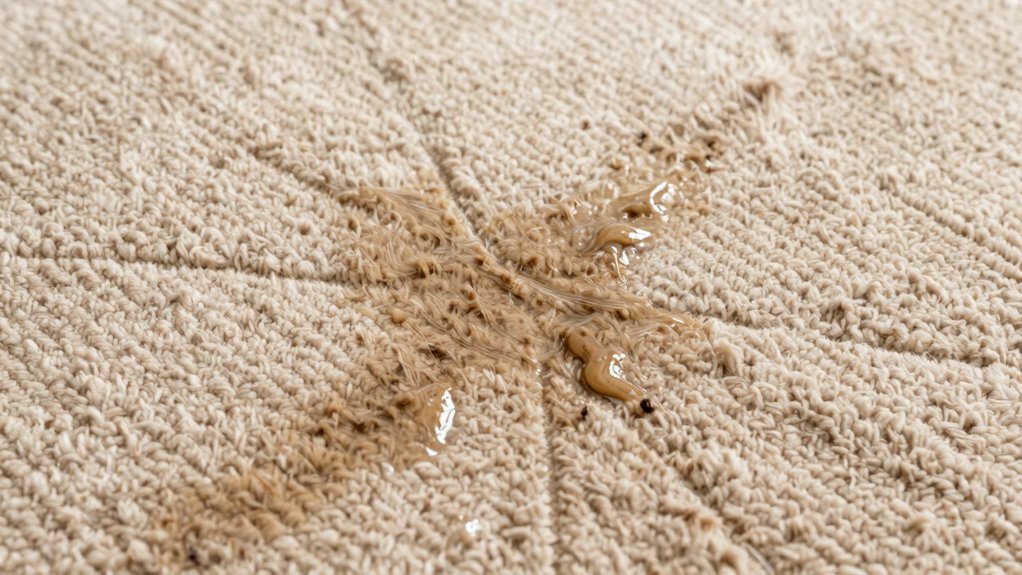
Keeping your carpet free from wicking issues requires consistent maintenance and prompt attention to spills. Regular cleaning helps prevent fiber damage and minimizes pet odors that can seep deep into the fibers. To keep your carpet looking great, consider these tips:
- Vacuum frequently to remove dirt that can wear down fibers
- Address spills immediately to prevent moisture from wicking up
- Use high-quality, pH-balanced cleaning solutions
- Avoid excessive moisture during cleaning to prevent fiber damage
- Schedule professional deep cleanings periodically for thorough freshness
These steps help maintain your carpet’s integrity, reduce the chances of stains reappearing, and keep your home smelling fresh. Staying proactive ensures your carpet remains attractive and free from wicking-related issues over time.
When Should You Call a Professional About Persistent Wicking?
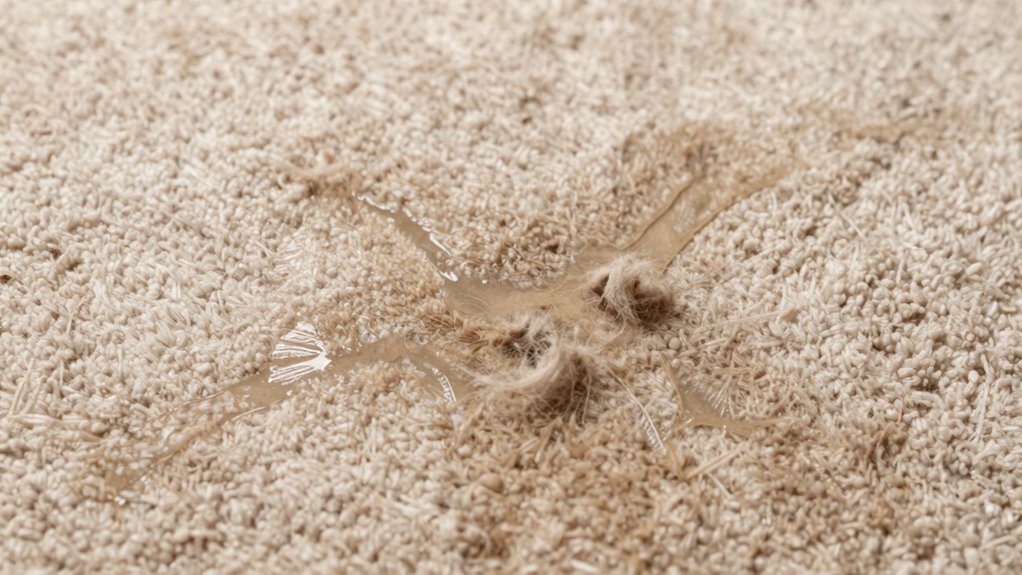
Persistent wicking can be tricky to tackle on your own, especially when regular cleaning and spot treatments haven’t resolved the issue. If stains keep reappearing despite your efforts, it’s time to call a professional. Pet allergies can worsen if allergens are trapped deep in the carpet padding, which can also contribute to ongoing wicking problems. Professionals have the tools and expertise to inspect beneath the surface and identify if the carpet padding is harboring stains or allergens that cause recurring moisture and stains. They can perform deep cleaning, extract trapped moisture, and replace compromised padding if necessary. Don’t ignore persistent wicking; addressing it promptly can improve indoor air quality and extend your carpet’s lifespan.
Frequently Asked Questions
Can Carpet Wicking Occur With All Types of Carpets?
Yes, carpet wicking can occur with all types of carpets. Different fiber types, like wool or nylon, may absorb and release moisture differently, affecting wicking. Thicker carpets or those with dense padding can trap moisture deeper, making wicking more likely. You’ll notice stains reappear because moisture from beneath the surface rises back up, regardless of the carpet’s fiber or thickness. Proper cleaning and drying are essential to prevent this.
Are There Specific Cleaning Products That Prevent Wicking?
You might worry that no cleaning products prevent wicking, but some preventive solutions and specialized cleaning agents can help. Look for products designed to block moisture from reaching the carpet backing, reducing the chance of stains reappearing. Using the right preventive solutions during cleaning guarantees residual moisture doesn’t cause wicking, so your carpet stays clean longer. Always choose cleaning agents formulated for your carpet type to maximize effectiveness.
How Long Does It Take for Wicking to Reappear After Cleaning?
Wicking can reappear within a few days to weeks after cleaning, depending on your cleaning frequency and stain types. If you don’t address spills promptly or use proper cleaning methods, stains are more likely to come back. Regular cleaning helps reduce the chances, especially for stubborn stains like pet messes or ink. To prevent reoccurrence, use effective stain removers and avoid over-wetting the carpet during cleaning.
Does Padding Beneath the Carpet Influence Wicking Issues?
Yes, padding beneath your carpet can influence wicking issues. Padding issues, such as moisture retention or improper installation, can trap spills and promote recurring stains. Underlay effects, like using cheap or inadequate padding, can worsen wicking because they prevent proper drying and trap moisture beneath the surface. To prevent reappearing stains, make sure your padding is high-quality, correctly installed, and free of moisture problems.
Can Environmental Factors Like Humidity Worsen Carpet Wicking?
Yes, humidity impact can worsen carpet wicking because high moisture levels in the environment cause increased moisture absorption. When humidity rises, your carpet retains more moisture, making it easier for stains and dirt to wick back up through the fibers. To prevent this, you should control indoor humidity levels with dehumidifiers or good ventilation, especially in damp or humid climates. This helps reduce moisture levels and minimizes wicking issues.
Conclusion
Now that you know what causes carpet wicking and how stubborn stains can reappear, you might wonder if your current cleaning methods are enough. Will your next deep clean finally put an end to those recurring spots? Or is there a hidden cause lurking beneath the surface? Stay vigilant—sometimes, the solution isn’t as simple as it seems. The key to truly spotless carpets could be closer than you think, but only if you know what to look for.
Fall Picks
fall essentials
As an affiliate, we earn on qualifying purchases.