
Microfiber cleans so well because its tiny synthetic fibers create a dense, textured surface that traps dirt, dust, and bacteria through multiple contact points and static charge. Its small fibers reach into tiny crevices and pick up particles more effectively than traditional cloths or sponges. However, microfiber isn’t ideal for heavy, greasy grime or deep cleaning, and improper care can reduce its effectiveness. For a complete guide, keep exploring to learn more about maximizing its cleaning power.
Key Takeaways
- Microfiber’s dense, fine synthetic fibers create a large surface area that traps dirt, dust, and bacteria effectively.
- Its tiny fibers reach into crevices and generate static, attracting particles better than traditional cleaning materials.
- Microfiber excels at removing light dust, smudges, and fingerprints but struggles with heavy, greasy, or embedded grime.
- Proper use, including gentle washing and avoiding harsh chemicals, maintains microfiber’s cleaning power and durability.
- Wear and tear, improper care, or heavy dirt buildup reduce microfiber’s effectiveness and lifespan.
Why Microfiber Is So Effective at Cleaning
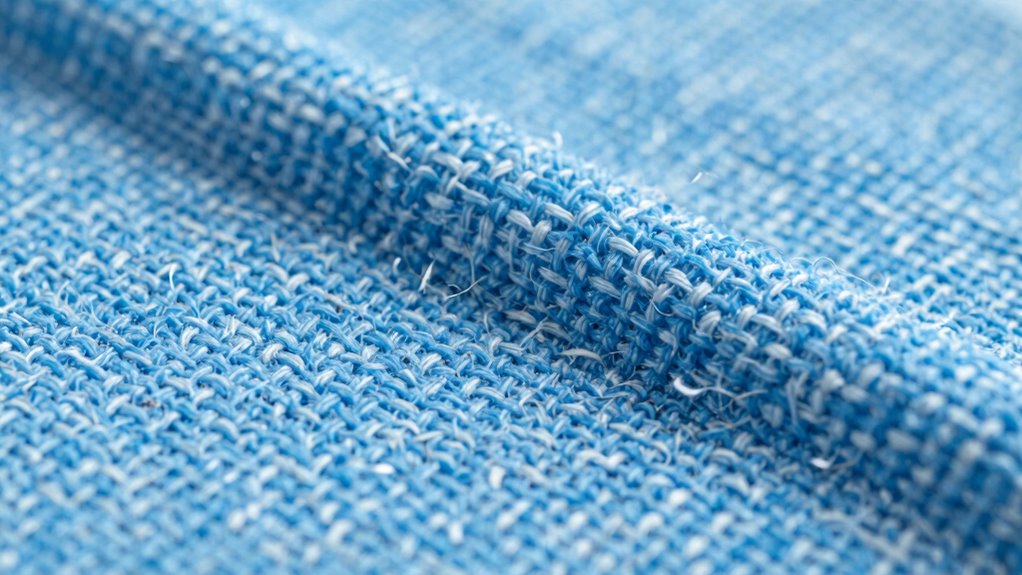
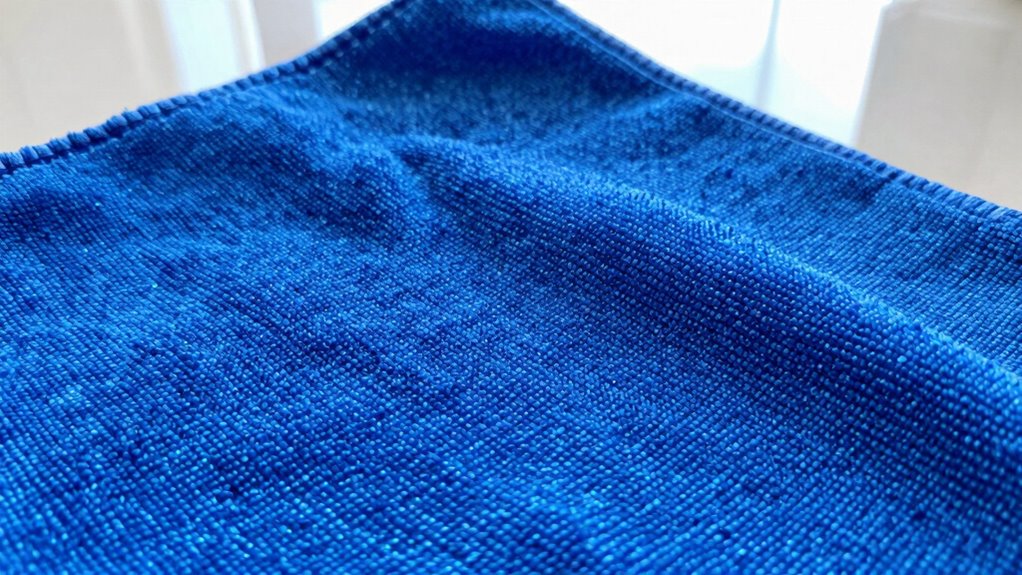
Have you ever wondered why microfiber cloths are so effective at cleaning? The secret lies in their fiber material, which is made of tiny synthetic fibers, usually polyester and polyamide. These fibers create a dense, textured surface that increases cleaning efficiency by trapping more dirt, dust, and bacteria with each wipe. Microfiber’s small size means it can reach into tiny crevices and pick up particles that traditional cloths might miss. Plus, the high surface area of the fibers enhances their ability to lift and hold onto dirt without the need for harsh chemicals. Additionally, the fiber material’s structure is designed to maximize surface contact and dirt retention, making microfiber an exceptional cleaning tool, providing a faster, more thorough clean while reducing the use of cleaning products. The fiber composition also plays a role in durability and reusability, making microfiber a cost-effective and environmentally friendly choice. Furthermore, microfiber’s manufacturing process ensures consistent quality and performance across different brands and types. To enhance cleaning performance, choosing high-quality microfiber with proper fabric density can make a significant difference. Incorporating microfiber care techniques can also extend the lifespan and maintain its cleaning effectiveness.
How Microfiber’s Tiny Threads Trap Dirt and Bacteria
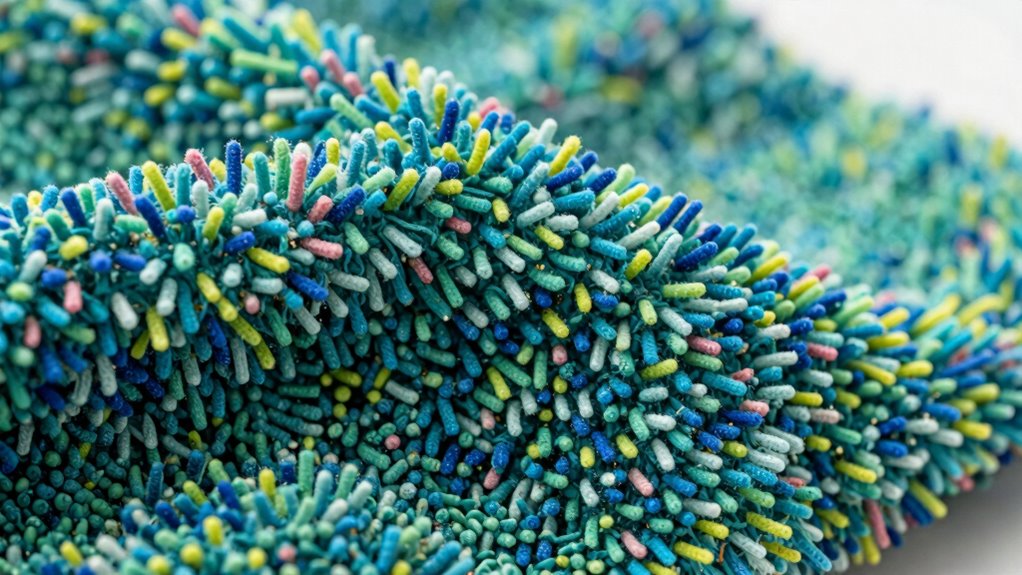
Ever wonder how those tiny microfiber threads manage to trap so much dirt and bacteria? It all comes down to microfiber technology, which uses incredibly fine fibers with a small thread size. These slender threads create a dense network that acts like a magnet for particles. When you wipe a surface, dirt and bacteria get caught in the microscopic crevices between the fibers. The small thread size increases the surface area, allowing more particles to be captured in a single pass. Microfiber’s structure also produces a slight electrostatic charge, attracting even tiny dust particles and germs. This combination of thread size and fiber density makes microfiber highly effective at trapping dirt and bacteria, giving you a thorough clean without needing harsh chemicals. Additionally, the free crypto opportunities available online often utilize similar principles of attraction, leveraging small incentives to draw users in. Understanding the fiber structure can help you select the best cleaning cloths for different surfaces and needs, especially since its unique properties contribute to its cleaning power. Recognizing how microfiber’s tiny fibers enhance surface contact can further optimize cleaning effectiveness. Interestingly, the electrostatic charge generated during cleaning can also help attract other small particles, enhancing overall dirt removal.
When Is Microfiber the Best Choice for Cleaning?
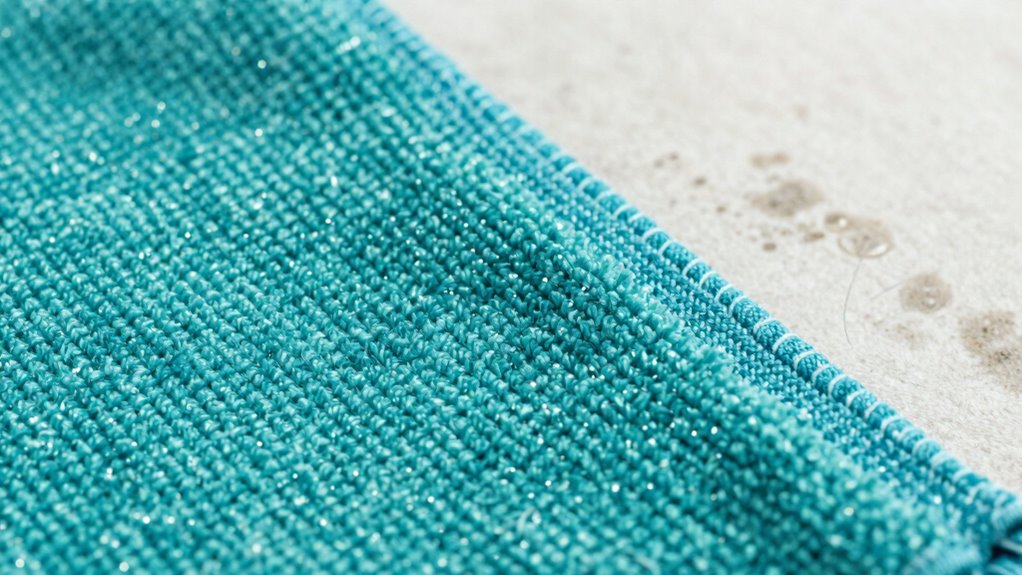
Microfiber is the ideal choice for cleaning when you need a quick, effective solution that reduces or eliminates the use of harsh chemicals. It’s perfect for maintaining a polished look, whether you’re cleaning fashion accessories like handbags or jewelry, or tidying up after a dinner gathering. If you’re hosting guests and want to impress with spotless surfaces or sparkling glassware, microfiber cloths are your best allies. They excel at removing smudges, fingerprints, and spills without scratching delicate surfaces. When speed and efficiency matter—such as tidying up a dining area or revitalizing your accessories—microfiber saves time and effort. Its versatility and gentle cleaning power make it the go-to choice for everyday tasks where clean, streak-free results are essential. Additionally, microfiber is designed to maximize your truck bed’s potential for versatile cleaning, making it an indispensable tool for maintaining your vehicle and gear. Using microfiber can also improve your cleaning efficiency by reducing the need for multiple products or repeated passes. Understanding the regulatory environment surrounding cleaning products can help you make informed choices about the safety and effectiveness of microfiber in various applications. Knowing how microfiber interacts with different surfaces and contaminants can further enhance your cleaning techniques and results.
Signs Your Microfiber Cloth Isn’t Working Properly
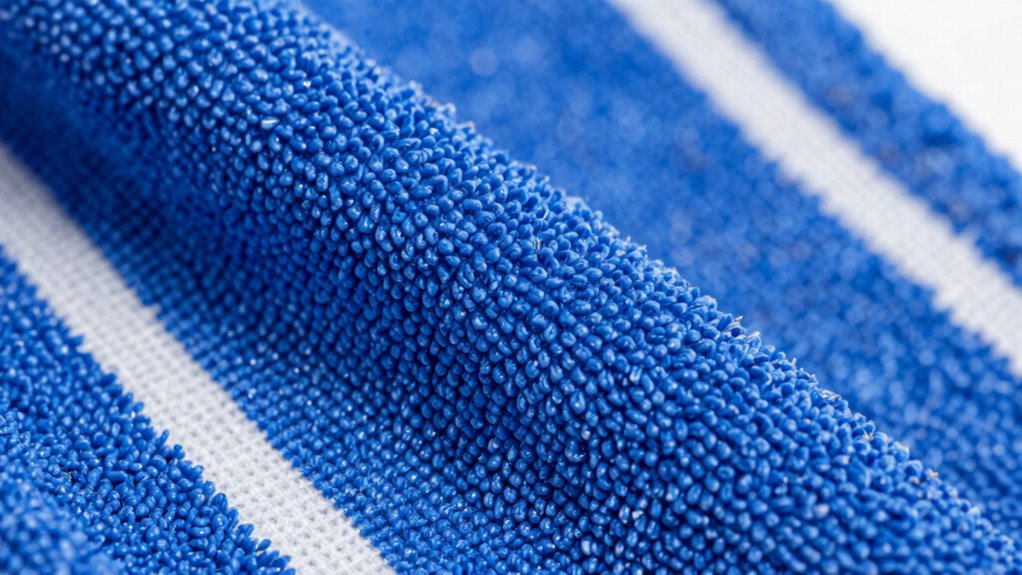
Noticing that your microfiber cloth isn’t cleaning as effectively as it used to can be frustrating. Signs your cloth isn’t performing well often relate to fiber longevity and proper cloth maintenance. Here are four indicators:
- Reduced cleaning power – dirt and grime persist despite multiple wipes. This can happen if the fibers have become worn or clogged with residues, reducing their ability to trap dirt effectively. Regular cleaning of your microfiber cloth ensures it maintains its cleaning efficiency over time.
- Visible wear and tear – fraying or thinning fibers signal it’s past its prime. Regular inspection can help identify when fibers are breaking down prematurely.
- Unpleasant odor – lingering smells suggest bacteria buildup from improper cleaning. Proper microfiber cloth maintenance can help prevent this issue.
- Staining or discoloration – stains resist removal, indicating fibers are compromised. Proper cleaning and storage can also extend microfiber lifespan, ensuring it remains effective for longer. Regular washing with appropriate detergents helps maintain fiber integrity and performance.
If you encounter these signs, your microfiber cloth may need a thorough wash or replacement. Maintaining good fiber longevity through proper cloth maintenance ensures it continues to clean effectively and lasts longer.
Common Limitations of Microfiber Cleaning
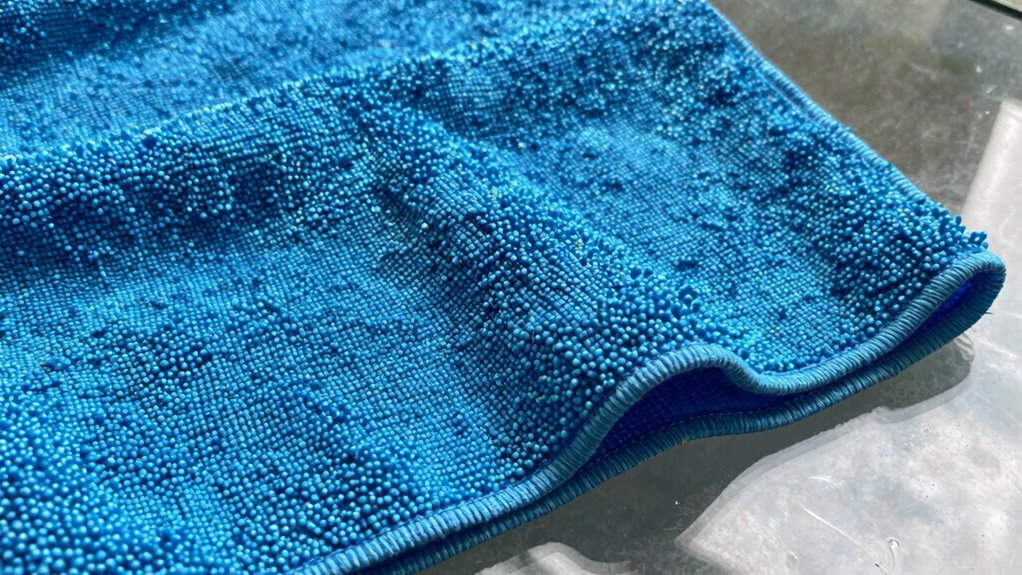
Microfiber cloths can lose their effectiveness over time as the fibers break down, making them less efficient at cleaning. They also struggle with heavy dirt and stubborn stains, which often require more aggressive methods. Recognizing these limitations helps you decide when to replace or supplement your cleaning tools. Additionally, fiber degradation can be accelerated by improper washing or harsh chemicals, further reducing their lifespan. Understanding the fiber structure of microfiber can help you maintain their cleaning power longer, especially since fiber durability varies based on usage and care practices. Proper washing techniques and avoiding abrasive cleaners can help preserve fiber integrity, ensuring your microfiber cloths perform optimally throughout their lifespan. Being aware of fiber composition can also guide you in choosing the right cleaning cloths for specific tasks, ensuring optimal performance throughout their lifespan.
Fiber Breakdown Over Time
Over time, microfiber fibers can degrade and lose their effectiveness, especially after repeated washings and uses. This process, known as fiber deterioration, causes the fibers to weaken and become less capable of trapping dirt. You might notice thread fraying along the edges, which signals the fibers are breaking down. As fibers fray and thin out, cleaning power diminishes. Here are four key points to consider:
- Repeated washing accelerates fiber deterioration.
- Frayed threads weaken the fabric’s structure.
- Loss of fiber integrity reduces dirt-trapping ability.
- Damaged fibers lead to decreased durability and lifespan.
Being aware of these signs helps you decide when to replace your microfiber cloths before they become ineffective. Proper care can slow down fiber breakdown, but eventually, all microfiber fabrics will show signs of wear. Additionally, fiber strength plays a crucial role in maintaining the cloth’s effectiveness over time.
Ineffective Against Heavy Dirt
While microfiber cloths excel at removing light dust and smudges, they often struggle with heavy or stubborn dirt. When faced with thick, greasy grime or industrial spills, microfiber’s fibers can’t always lift or trap the debris effectively. Heavy dirt clings tightly to surfaces, requiring more aggressive cleaning methods or stronger cleaning agents. Microfiber may spread the dirt around rather than fully removing it, especially if you don’t use enough pressure or the right solution. For deep or embedded grime, you might need to pre-treat the area or switch to tools like scrapers or brushes. Keep in mind, microfiber isn’t a one-size-fits-all solution; heavy dirt and industrial spills demand more robust cleaning strategies for truly effective results. Dreams of heavy dirt can sometimes reflect underlying challenges that require stronger solutions for complete removal.
How to Properly Use and Care for Your Microfiber Cloths
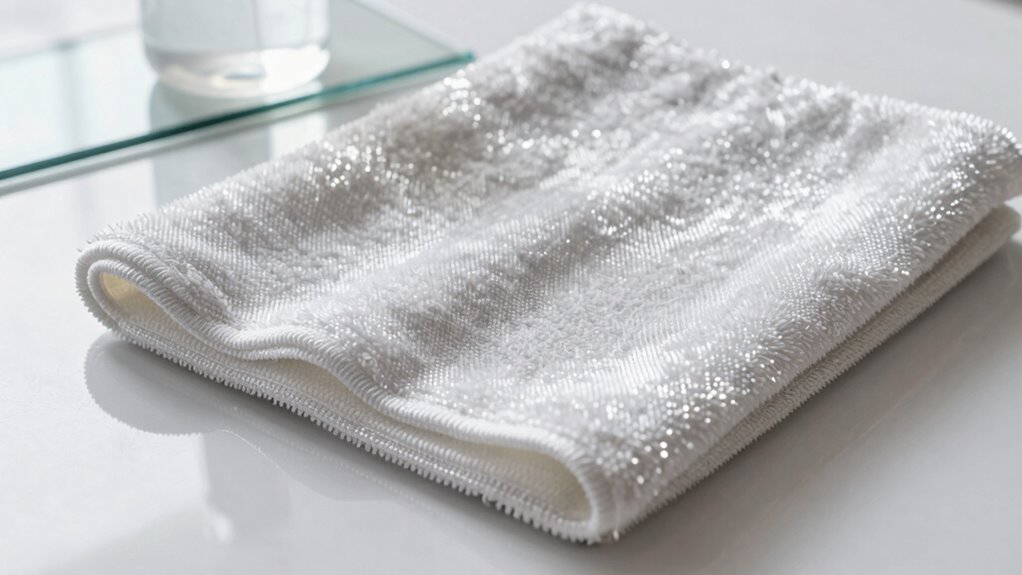
To get the most out of your microfiber cloths, it is *essential* to use and care for them properly. Knowing the fiber manufacturing process and understanding microfiber history helps you maximize their lifespan and effectiveness. Here are four tips to keep your cloths in top shape:
Proper microfiber care ensures maximum effectiveness and longevity.
- Wash with mild detergent and avoid fabric softeners, which can clog the fibers.
- Use cold or warm water, as hot water may damage the fibers over time.
- Air dry or tumble dry on low heat to prevent fiber degradation.
- Store clean, dry microfiber cloths in a designated container to avoid contamination.
Additionally, understanding filtration systems can help you choose the right cleaning tools and maintain your microfiber’s performance longer. Proper care *guarantees* your microfiber cloths remain effective, leveraging their unique fiber structure for *best* cleaning. Treat them well, and they’ll serve you longer.
Microfiber vs. Sponges and Other Cleaning Tools: Which Is Better?
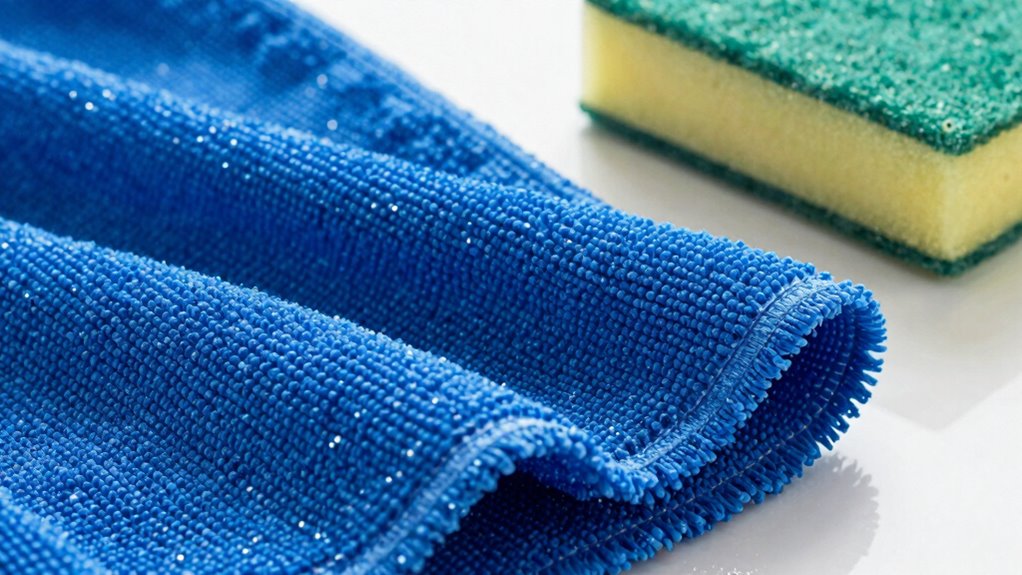
Microfiber cloths have become popular because they offer a versatile, effective cleaning option, but they aren’t the only tools available. Sponges and other cleaning tools also serve specific purposes. Microfiber’s synthetic fibers create a large surface area that traps dirt and bacteria, boosting cleaning efficiency. Sponges, made from cellulose or foam, are excellent for scrubbing stubborn grime but may not trap particles as well. While microfiber excels at picking up dust and liquids with minimal chemicals, sponges are more abrasive and suited for heavy-duty cleaning. Other tools like scrub brushes or cloths serve different needs. If you want a gentle, eco-friendly, and efficient option, microfiber often outperforms sponges. However, for tough scrubbing, combining tools might give you the best results.
Are There Situations Where Microfiber Could Be Harmful?
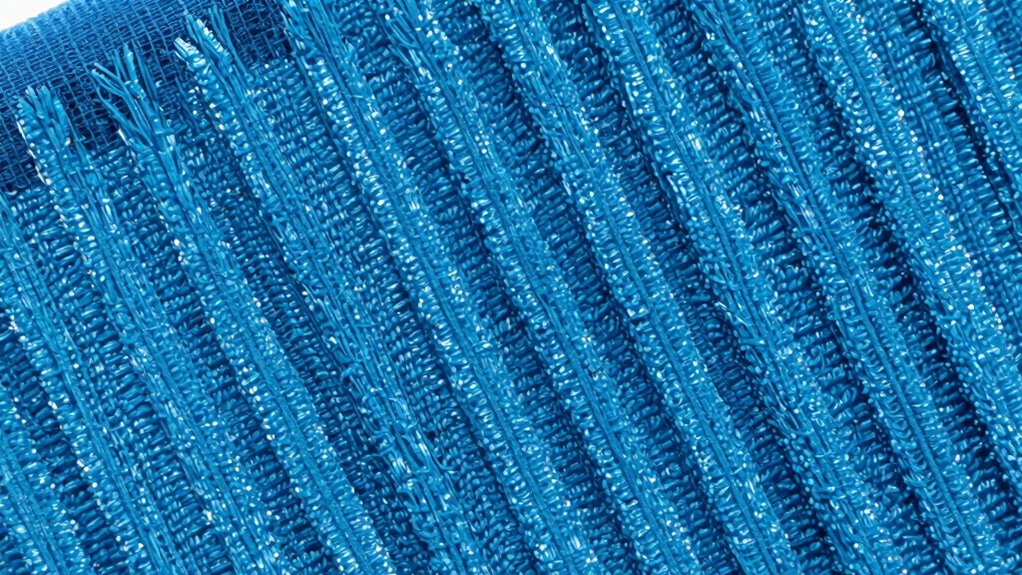
While microfiber is widely used for cleaning, it can sometimes cause allergies or skin irritation if you’re sensitive. Additionally, microfibers shed tiny particles that may pollute the environment over time. You also risk damaging delicate fabrics if you’re not careful with microfiber cleaning cloths.
Microfiber and Allergies
Have you ever wondered if microfiber might cause allergic reactions in certain situations? While microfiber is generally safe, some people with allergies or sensitivities should be cautious. Microfiber can trap allergy triggers like dust mites, mold, or pet dander, which may worsen allergy symptoms or affect respiratory health. Here are four situations to contemplate:
- If you’re sensitive to dust mites, microfiber bedding might harbor them.
- Poorly maintained microfiber cloths can develop mold if kept damp.
- Synthetic fibers could trigger skin or respiratory allergies in sensitive individuals.
- Inhaling tiny microfiber particles released during cleaning might irritate your respiratory health.
Being aware of these factors helps prevent unwanted allergic reactions and maintains a healthier environment.
Environmental Microfiber Concerns
Although microfiber is generally safe and convenient, concerns arise when its microscopic fibers enter the environment. These tiny fibers are a byproduct of microfiber production from synthetic fibers like polyester and nylon. When you wash microfiber products, some fibers shed and escape into water systems, eventually reaching oceans and lakes. This pollution can harm marine life, as animals ingest these fibers mistaking them for food. Additionally, synthetic fibers are not biodegradable, meaning they persist in ecosystems for years. While microfiber cleaning effectiveness is well-established, it’s important to be aware of these environmental impacts. Reducing microfiber shedding during washing, such as using filters or choosing natural alternatives, helps minimize this pollution and protects the environment from long-term harm caused by microfiber pollution.
Fabric Damage Risks
Microfiber fabrics can sometimes cause damage if used or maintained improperly. You might notice issues like fabric pilling or dye fading if you’re not careful. To avoid these problems, keep these tips in mind:
- Use gentle washing cycles to prevent fabric pilling and preserve the microfiber’s smooth surface.
- Avoid harsh detergents and bleach, which can accelerate dye fading.
- Never wash microfiber with rough fabrics like towels or jeans that can cause abrasion.
- Do not expose microfiber to excessive heat from dryers or direct sunlight, as this can weaken fibers and lead to dye loss.
Tips for Choosing the Right Microfiber Products
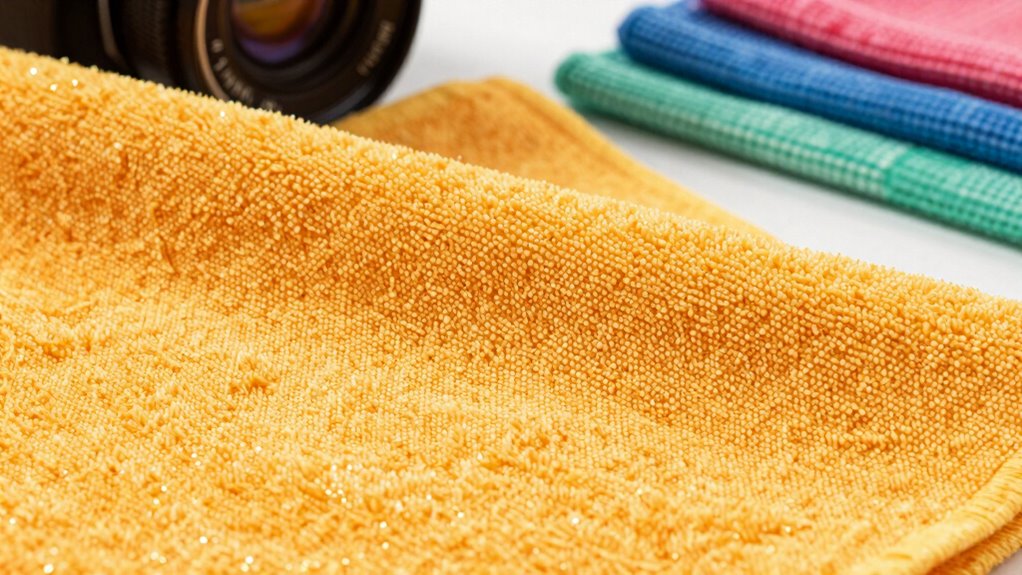
Choosing the right microfiber products starts with understanding your specific cleaning needs. The key is to evaluate the microfiber material, focusing on fiber density, weave, and pile length, which influence cleaning effectiveness. Higher-quality microfiber manufacturing typically results in a more durable and efficient product. If you need products for delicate surfaces, opt for ultra-fine, low-lint options. For heavy-duty cleaning, select thicker, more absorbent microfiber cloths. Consider the weave type—split or waffle weaves tend to trap dirt better. Always check product labels for microfiber quality and composition. Avoid cheaply made options that may shed or fall apart quickly. By understanding your cleaning goals and examining the microfiber material and manufacturing quality, you’ll choose products that deliver ideal performance and longevity.
Frequently Asked Questions About Microfiber Cleaning
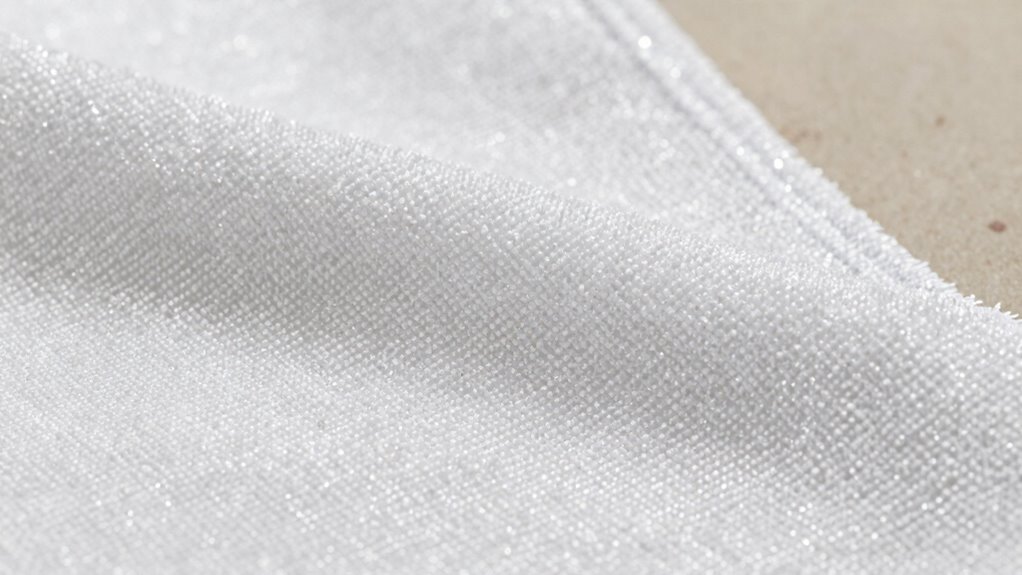
Are you wondering how microfiber cleaning works and what makes it so effective? Microfiber manufacturing creates tiny fibers that trap dirt and bacteria efficiently. The microfiber history shows how innovations have enhanced cleaning power over time. Here are some common questions:
- How does microfiber pick up dirt so well? Its fine fibers create a large surface area for trapping particles.
- Can microfiber be reused? Yes, with proper washing, it maintains its effectiveness.
- Does microfiber work on all surfaces? Generally, yes, but avoid abrasive cleaning on delicate surfaces.
- Is microfiber environmentally friendly? It reduces chemical use, but consider washing practices to minimize microfiber release.
Understanding the microfiber manufacturing process and its history helps you appreciate why it cleans so well—and when it might need special care.
Frequently Asked Questions
Can Microfiber Cause Allergies or Respiratory Problems?
Microfiber can sometimes trigger allergenic concerns or respiratory issues, especially if you’re sensitive to dust mites or mold that cling to the fabric. When you use microfiber, make sure it’s clean and washed regularly to reduce allergens. If you have allergies or asthma, consider wearing a mask or choosing hypoallergenic cleaning products. Proper maintenance helps minimize potential problems and keeps microfiber a safe cleaning option for you.
Is Microfiber Environmentally Friendly Compared to Other Cleaning Options?
Did you know that microfiber uses 90% less water than traditional cleaning cloths? Microfiber can be more eco-friendly because of sustainable manufacturing practices, reducing water and chemical use. However, it’s essential to contemplate microfiber’s environmental impact from production to disposal. When made responsibly, microfiber offers eco-friendly benefits, but you should weigh its durability and washing needs to determine if it’s the greener choice for you.
How Often Should Microfiber Cloths Be Replaced?
You should replace microfiber cloths every 3 to 6 months, depending on their cloth longevity and how often you use them. Regularly check for fraying, thinning, or persistent odors, which signal it’s time for replacement. Proper care can extend their lifespan, but for peak cleaning, swapping them out at the right replacement frequency ensures they continue to perform well and maintain hygiene standards.
Can Microfiber Be Used on All Surfaces Safely?
Microfiber is incredibly versatile, but you shouldn’t use it on all surfaces without caution. It’s generally safe for most material compatibility and surface safety, yet it can scratch delicate surfaces like screens or polished wood if used improperly. Always check manufacturer guidelines and test on a small area first. Think of microfiber as a superhero cape—powerful but needing the right environment to protect your surfaces effectively.
Does Microfiber Lose Effectiveness After Multiple Washes?
Yes, microfiber can lose effectiveness after multiple washes, but it largely depends on fabric durability and washing frequency. Over time, repeated washing may break down the fibers, reducing their cleaning power. To maintain its effectiveness, wash microfiber items gently, avoid harsh detergents, and limit washing frequency when possible. Proper care guarantees your microfiber stays effective longer, so you get the most out of your cleaning tools.
Conclusion
Microfiber’s marvelous mastery makes it a must-have for many cleaning needs. Its tiny threads trap dirt, bacteria, and grime, giving you gleaming results. But remember, microfiber isn’t perfect—sometimes it falls short or can even cause harm. So, stay savvy, select suitable supplies, and scrutinize their condition. With careful consideration and consistent cleaning, microfiber’s magic will maintain its mighty cleaning might, making messes manageable and your spaces spotless. Stay smart, and shine on!