
To keep your microfiber items in top shape, avoid using fabric softeners and harsh bleach, as these can damage fibers and reduce absorbency. Wash in cold or warm water and skip high heat drying to prevent shrinking and fraying. Handle your microfiber gently and limit washes to prevent wear, focusing on spot cleaning when possible. Staying mindful of these mistakes helps preserve softness and durability—stick around to discover more tips on caring for your microfiber.

Get cleaning gear delivered free — and shop member deals
- Fast, free delivery on millions of items
- Access to Prime Big Deal Days deals on October 6–7
- Prime Video, Amazon Music and more included
Key Takeaways
- Avoid fabric softeners, as they coat microfiber fibers and reduce their absorbency and softness.
- Do not use bleach; opt for gentle alternatives to prevent fiber damage and discoloration.
- Wash microfiber in cold or warm water and air dry or use low heat to prevent shrinking and fraying.
- Limit washing frequency by spot cleaning and turn items inside out to protect surface quality.
- Follow proper care instructions to maintain microfiber’s effectiveness and extend its lifespan.
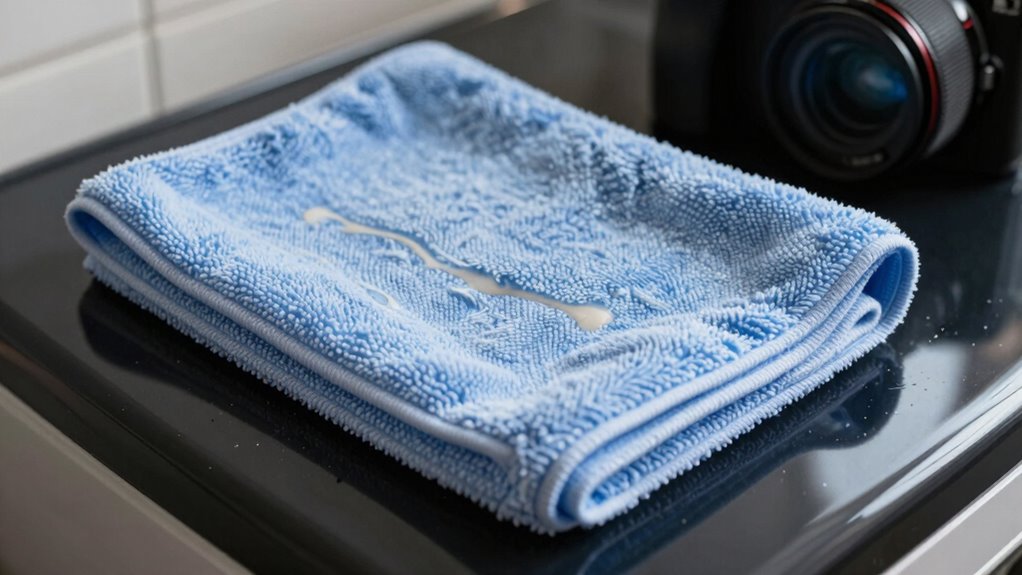
Have you ever wondered how to keep your microfiber items looking like new? Proper care is vital to preserve their softness, durability, and appearance. One common mistake people make is using fabric softeners when washing microfiber. While it might seem like a good way to keep your fabrics feeling plush, fabric softeners actually coat the fibers, reducing their breathability and absorbency. This buildup can make microfiber less effective at its intended purpose, whether it’s cleaning, drying, or providing a soft touch. Instead, skip the fabric softener altogether, or look for specially formulated products that are safe for delicate fabrics. These won’t harm the fibers and will help your microfiber maintain its original quality.
Avoid fabric softeners to keep your microfiber soft, breathable, and effective. Use gentle, fabric-safe products instead.
Another essential point is choosing the right laundry products. Many people rely on bleach to whiten and disinfect, but bleach can be harsh on microfiber. It can weaken the fibers, cause discoloration, and reduce the fabric’s lifespan. Instead of using traditional bleach, opt for bleach alternatives that are gentler yet effective. These alternatives are designed to clean thoroughly without damaging the delicate microfiber fibers. They’re especially helpful if you’re dealing with stains or need to sanitize your items. Always check the care label on your microfiber products before washing, and follow the recommended instructions for best results. This way, you avoid accidentally ruining your items with harsh chemicals.
Temperature is another factor that can make or break your microfiber care routine. Hot water may seem like a good way to deep clean, but it can actually cause the fibers to shrink or become misshapen. Most microfiber items should be washed in cold or warm water to prevent damage. High heat can weaken the fibers over time, leading to fraying and reduced effectiveness. When drying, avoid high heat settings altogether. Instead, opt for air drying or using a low heat setting on your dryer. This gentle approach helps maintain the integrity of microfiber fibers and keeps your items looking their best for longer. Additionally, understanding the importance of fiber properties can help you choose the correct care methods to extend the lifespan of your microfiber products.
Lastly, be mindful of how often you wash your microfiber items. Frequent washing can wear out the fabric faster, especially if you’re using harsh soaps or incorrect laundry practices. Spot clean when possible and wash only when necessary. Always turn microfiber items inside out before washing to protect the surface and prolong their lifespan. By following these simple tips—avoiding fabric softeners, choosing gentle bleach alternatives, washing in appropriate temperatures, and handling with care—you’ll guarantee your microfiber stays soft, functional, and looking like new for years to come. Proper maintenance isn’t complicated; it just takes a little awareness and the right products.
As an affiliate, we earn on qualifying purchases.
Frequently Asked Questions
Can Microfiber Be Dried Using High Heat?
You shouldn’t dry microfiber using high heat because it can cause heat damage and fabric shrinkage. High temperatures weaken the fibers, leading to a rough texture and reduced durability. Instead, opt for a low heat or air-dry setting to keep your microfiber items in good condition. Taking these precautions helps prevent damage, ensuring your microfiber stays soft, flexible, and long-lasting.
Is Fabric Softener Safe for Microfiber?
Using fabric softener on microfiber isn’t safe because it can cause risks to microfiber safety. Fabric softener leaves a coating that reduces the material’s softness and absorbency, and it can also clog the fibers, decreasing their lifespan. To keep your microfiber in top condition, avoid fabric softeners and opt for mild detergents. This helps maintain the material’s durability and guarantees it stays soft and effective for longer.
How Often Should Microfiber Be Washed?
Washing microfiber is like tending a garden; regular care keeps it fresh. You should wash microfiber every 3-4 wears or when it gets stained. For stain removal tips, act quickly and avoid harsh chemicals. Frequent washing prevents dirt buildup, maintaining its softness and durability. Be gentle with detergents and skip fabric softeners, which can damage the fibers. This routine helps keep your microfiber items looking and feeling like new.
Can Microfiber Be Ironed or Steamed?
You shouldn’t iron or steam microfiber fabrics because ironing hazards and steaming risks can damage the delicate fibers. High heat from an iron can melt or distort the material, ruining its texture and appearance. Steaming might seem safer, but excessive heat or direct contact can cause similar damage. Instead, if you need to remove wrinkles, try hanging microfiber items in a steamy bathroom or use a low-heat setting with caution.
What Are Signs of Microfiber Damage From Washing?
You’ll notice microfiber damage from washing if you see fabric pilling or color fading. Pilling causes tiny balls on the surface, making it look worn and rough. Color fading dulls the fabric’s vibrancy, signaling that the fibers have been compromised. These signs indicate you might have used harsh detergents, washed at high temperatures, or over-washed, all of which can damage microfiber over time.
gentle microfiber laundry detergent
As an affiliate, we earn on qualifying purchases.
As an affiliate, we earn on qualifying purchases.
Conclusion
To keep your microfiber looking its best, simply treat it gently and avoid common laundry pitfalls. With a little care, you can preserve its softness and performance, making it feel like new each time. Think of your microfiber as a delicate treasure—handle it with kindness, and it’ll reward you with long-lasting comfort and style. After all, a small effort now guarantees your favorite pieces stay beautiful for many washes to come.
As an affiliate, we earn on qualifying purchases.
As an affiliate, we earn on qualifying purchases.
Fall Picks
fall essentials
As an affiliate, we earn on qualifying purchases.