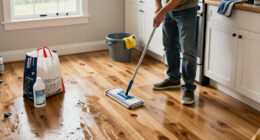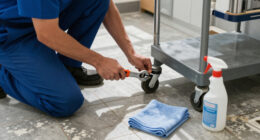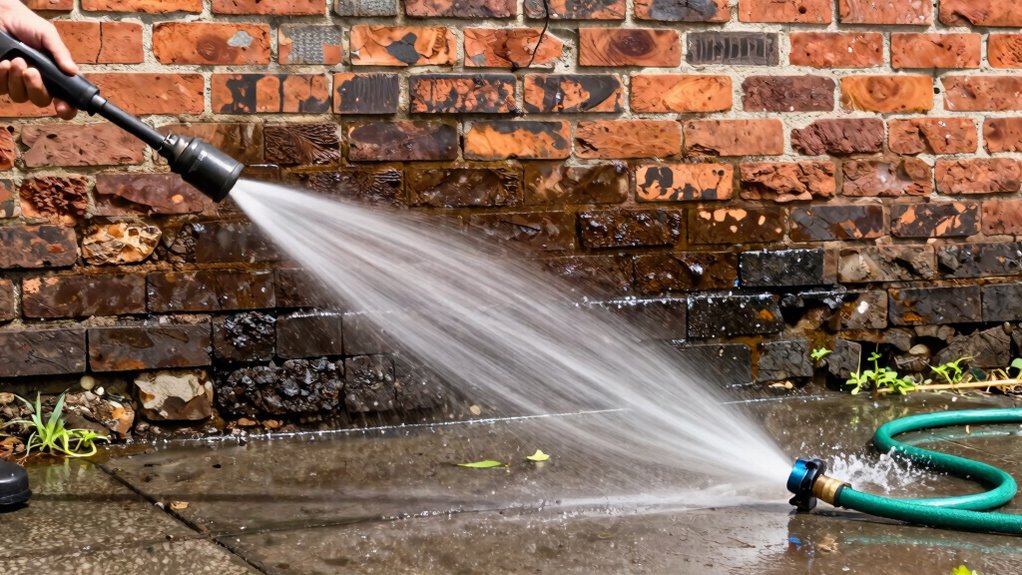

In outdoor cleaning, pressure measures how forcefully water hits a surface, while flow indicates how much water passes through the nozzle. High pressure is great for stubborn dirt but can damage delicate surfaces like wood or paint, so adjusting it properly is key. More flow delivers water faster, helping remove debris efficiently, but alone it isn’t enough for good cleaning. To master effective cleaning and prevent damage, understanding how pressure and flow work together is essential. Keep exploring to learn more.

Get cleaning gear delivered free — and shop member deals
- Fast, free delivery on millions of items
- Access to Prime Big Deal Days deals on October 6–7
- Prime Video, Amazon Music and more included
Key Takeaways
- Pressure measures the force of water hitting a surface, while flow rate indicates how much water passes through per minute.
- High pressure cleans stubborn dirt but can damage delicate surfaces, whereas flow controls water volume.
- Proper cleaning requires balancing pressure and flow to avoid surface damage and ensure efficiency.
- Increasing flow alone doesn’t improve cleaning; pressure determines the force needed for effective removal.
- Adjusting both factors helps conserve water, protect surfaces, and maintain equipment performance.
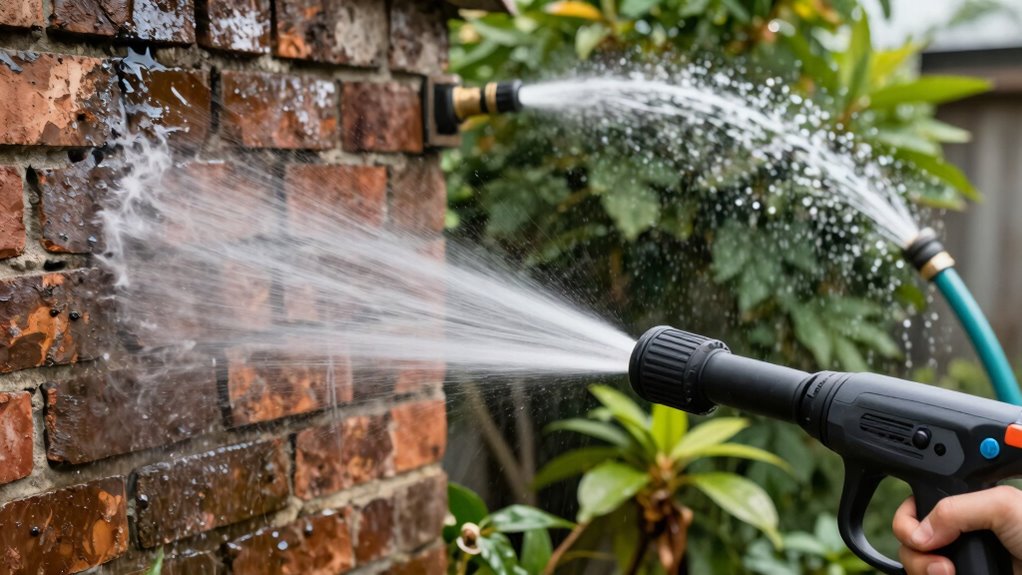
When it comes to outdoor cleaning, understanding the difference between pressure and flow is essential for getting the best results. These two factors influence how effectively you can clean surfaces, and knowing how to balance them helps you avoid damage while conserving water. High pressure isn’t always better, especially if you want to protect delicate surfaces or reduce water usage. Similarly, focusing solely on flow rate without considering pressure can lead to inefficient cleaning. The key is to find the right combination that suits your specific task.
Balancing pressure and flow ensures effective, safe, and water-conscious outdoor cleaning.
Pressure refers to the force of water hitting a surface, measured in pounds per square inch (PSI). Higher pressure can blast away stubborn dirt and grime, but it can also damage softer materials like wood, paint, or siding if used improperly. On the other hand, flow rate, measured in gallons per minute (GPM), determines how much water flows through the system. A higher flow rate quickly delivers more water, which can help rinse away debris faster but may also result in excess water usage. Balancing pressure and flow allows you to clean effectively without wasting resources or harming surfaces.
Water conservation should be a priority during outdoor cleaning, especially if you’re using a hose or pressure washer frequently. Using too much water not only wastes resources but can also increase your utility bills. By adjusting the pressure to suit the surface and reducing the flow rate when possible, you can conserve water without sacrificing cleaning power. For example, lowering the pressure for delicate surfaces and increasing it for tougher stains helps you clean efficiently while being environmentally responsible. Proper equipment maintenance] is essential to keep your system operating at optimal levels, ensuring consistent pressure and flow.
Equipment maintenance plays a vital role in maintaining optimal pressure and flow. Regularly inspecting your pressure washer or hose ensures there are no leaks or clogs that could impact performance. A well-maintained machine operates more efficiently, providing consistent pressure and flow and preventing unnecessary water waste. Keeping nozzles clean and replacing worn parts also helps maintain proper spray patterns, ensuring you get the desired cleaning results without overusing water or risking damage.
Ultimately, understanding the difference between pressure and flow empowers you to adapt your outdoor cleaning approach. It allows you to select the right equipment settings for each job, conserve water, and extend the lifespan of your tools. When you pay attention to both factors and maintain your equipment properly, you’ll achieve cleaner surfaces more efficiently, saving time, water, and money in the long run. Recognizing the importance of equipment maintenance is crucial for optimal performance.
pressure washer with adjustable PSI
As an affiliate, we earn on qualifying purchases.
As an affiliate, we earn on qualifying purchases.
Frequently Asked Questions
How Do I Choose the Right Pressure and Flow Settings for My Outdoor Cleaner?
To select the appropriate pressure and flow settings, begin by evaluating your cleaning task. Use lower pressure for delicate surfaces to prevent damage, and higher pressure for tough grime. Adjust flow to guarantee efficient water use without waste. Regular equipment maintenance keeps your outdoor cleaner running smoothly, which helps maintain ideal pressure and flow. Balancing these settings promotes water efficiency, saves energy, and extends your equipment’s lifespan.
Can High Pressure Damage Delicate Surfaces During Outdoor Cleaning?
High pressure can be like a roaring lion, threatening delicate surfaces if you’re not careful. You might damage surfaces with high pressure if they’re sensitive, risking erosion or cracks. Always consider surface sensitivity and equipment durability—using lower pressure on fragile areas protects them, while maintaining high pressure for tough grime. Think of it as balancing a tightrope—adjust pressure carefully to avoid damage and extend your equipment’s lifespan.
What Safety Precautions Should I Take When Adjusting Pressure and Flow?
When adjusting pressure and flow, prioritize equipment safety and personal protective measures. Always wear safety gear like goggles, gloves, and sturdy footwear. Start with the lowest pressure setting, then gradually increase to avoid damage or accidents. Make certain all connections are secure before operation. Regularly inspect your equipment for leaks or damage. Following these precautions keeps you safe, prevents equipment failure, and ensures effective outdoor cleaning.
How Does Nozzle Type Affect Pressure and Flow in Outdoor Cleaning?
Nozzle type influences pressure and flow through its versatility and capacity for pressure modulation. Different nozzles, like turbo or fan, offer varied spray patterns, affecting how much pressure and flow you get. A narrow, pinpoint nozzle increases pressure but reduces flow, ideal for tough stains. Conversely, a wide-angle nozzle boosts flow and coverage, perfect for gentle cleaning. By selecting the right nozzle, you control the balance between pressure and flow effectively.
Are There Specific Cleaning Tasks That Require Higher Pressure or Flow?
For tough surfaces like concrete or heavily stained areas, you need higher pressure to break down dirt, especially when using specific cleaning agents. Delicate surfaces like wood or painted surfaces require higher flow but lower pressure to avoid damage. Matching your pressure and flow to surface types and cleaning agents ensures effective cleaning without harm. Always adjust settings based on the material and cleaning requirements to get the best results.
As an affiliate, we earn on qualifying purchases.
Conclusion
Understanding the dance between pressure and flow is like mastering a symphony—each note essential to the whole. When you wield your outdoor cleaner, think of pressure as the conductor’s baton, commanding force, while flow is the melody weaving through every surface. Balance them well, and you’ll paint a picture of pristine cleanliness, turning chaos into harmony. Ultimately, knowing their interplay transforms a simple task into an artful performance, leaving your outdoor space shining with purpose and precision.
pressure washer nozzles for delicate surfaces
As an affiliate, we earn on qualifying purchases.
As an affiliate, we earn on qualifying purchases.
As an affiliate, we earn on qualifying purchases.
Halloween Picks
halloween
As an affiliate, we earn on qualifying purchases.