UV vacuum systems can help reduce bacteria, mold spores, and surface germs, but they don’t remove all allergens like pollen or pet dander. Many myths suggest UV can eliminate every allergen or prevent mold growth, which isn’t true. UV works best alongside other methods like HEPA filters and moisture control. To truly improve indoor air quality, understand what UV can and can’t do—more insights await if you keep exploring.

Get cleaning gear delivered free — and shop member deals
- Fast, free delivery on millions of items
- Access to Prime Big Deal Days deals on October 6–7
- Prime Video, Amazon Music and more included
Key Takeaways
- UV light can kill some bacteria and mold spores but does not physically remove allergens like pollen or pet dander.
- UV vacuums help reduce microbial contaminants but are limited in eliminating deep-seated allergens and dust mites.
- Proper moisture control and cleaning methods are essential; UV alone cannot prevent mold growth or allergen buildup.
- UV systems are safe when used correctly but do not significantly improve air quality by removing larger allergen particles.
- Combining UV with other filtration methods, like HEPA filters, achieves more comprehensive allergen and germ reduction.
What Is UV Light and How Does It Work in Vacuum Systems?
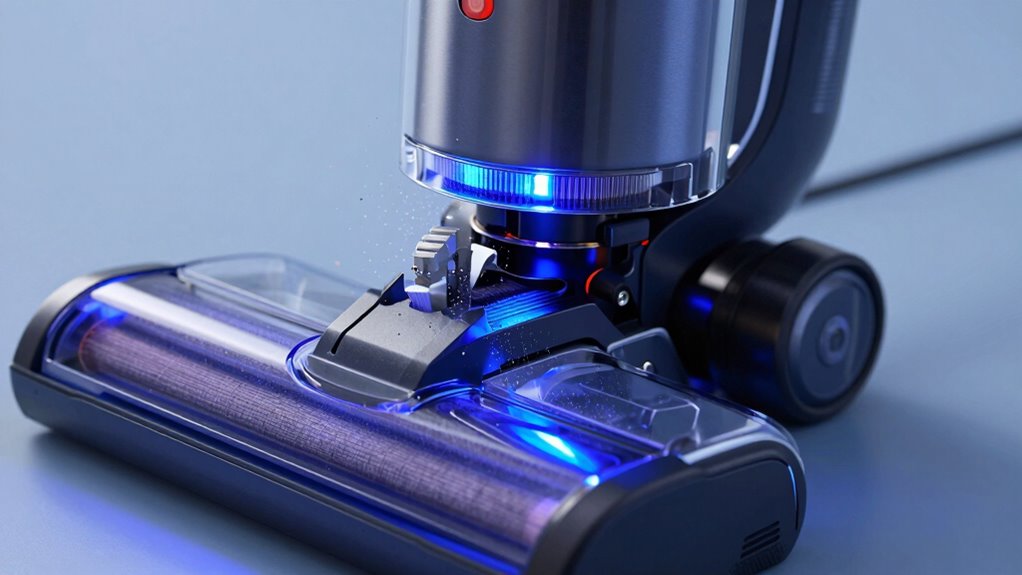
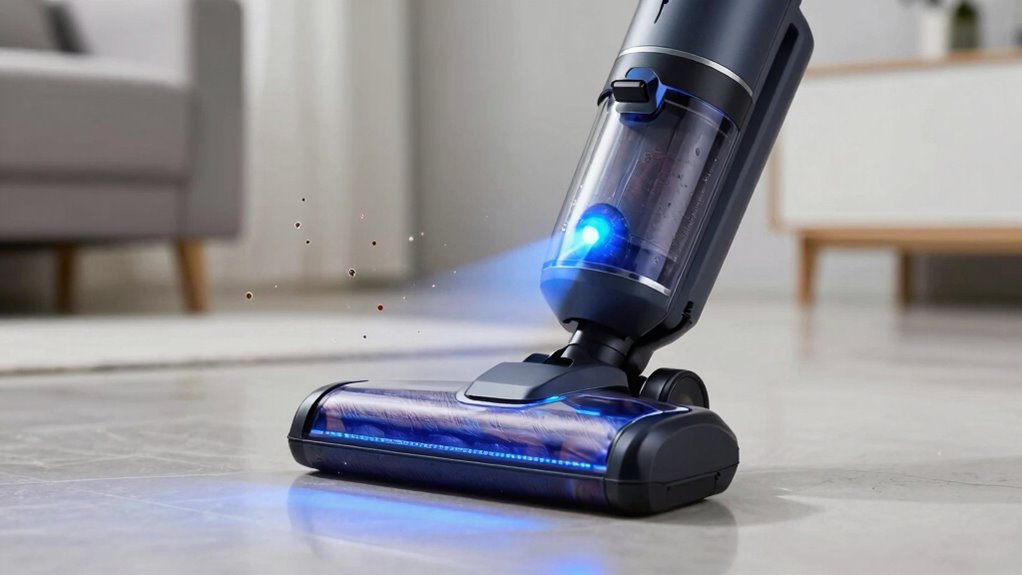
UV light is a specific type of electromagnetic radiation with wavelengths shorter than visible light but longer than X-rays. In vacuum systems, UV light serves as a germicidal tool, effectively destroying bacteria and viruses on surfaces and in the air. It works by damaging the DNA or RNA of microorganisms, preventing them from reproducing. Some UV systems also promote ozone production, where UV light interacts with oxygen molecules, creating ozone that helps disinfect the environment further. This ozone acts as an additional sterilizer, making UV vacuum systems highly effective in sterilization processes. Additionally, energy efficiency is a key advantage of UV vacuum systems, contributing to sustainable cleaning practices. It is also important to consider safety precautions when operating UV systems to prevent potential harm from exposure. Proper maintenance and calibration are essential to ensure the UV system operates at optimal performance and safety standards. Understanding the limitations of UV light can help users avoid overestimating its capabilities and ensure proper application. While UV light is powerful for germicidal purposes, it’s essential to understand its limitations and proper usage to maximize safety and effectiveness in vacuum systems.
How Effective Is UV Light at Removing Allergens?
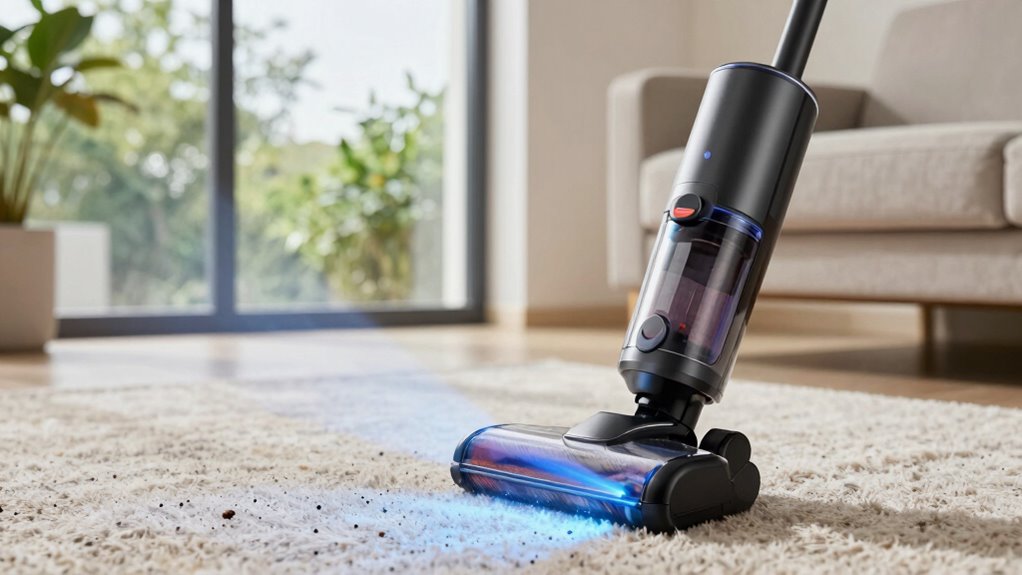
While UV light is well-known for its ability to inactivate bacteria and viruses, its effectiveness in removing allergens is more limited. UV light doesn’t directly eliminate common allergens like pollen, dust mites, or pet dander from the air or surfaces. Instead, it can help improve air quality by reducing microbial contaminants that may worsen allergy symptoms. However, UV’s role in allergen removal is indirect; it doesn’t physically break down allergen particles. If your goal is to improve air quality, UV systems can support overall cleanliness, but they shouldn’t be relied upon solely to remove allergens. Combining multiple filtration methods can significantly enhance the removal of allergens from your environment. Incorporating proven air purification techniques alongside UV treatment provides a more comprehensive approach to allergy relief. UV light is a helpful supplement, but not a standalone solution for allergen control. Additionally, understanding air filtration efficiency can help you choose the most effective strategies for allergen reduction.
Can UV Vacuum Devices Kill All Types of Allergens?
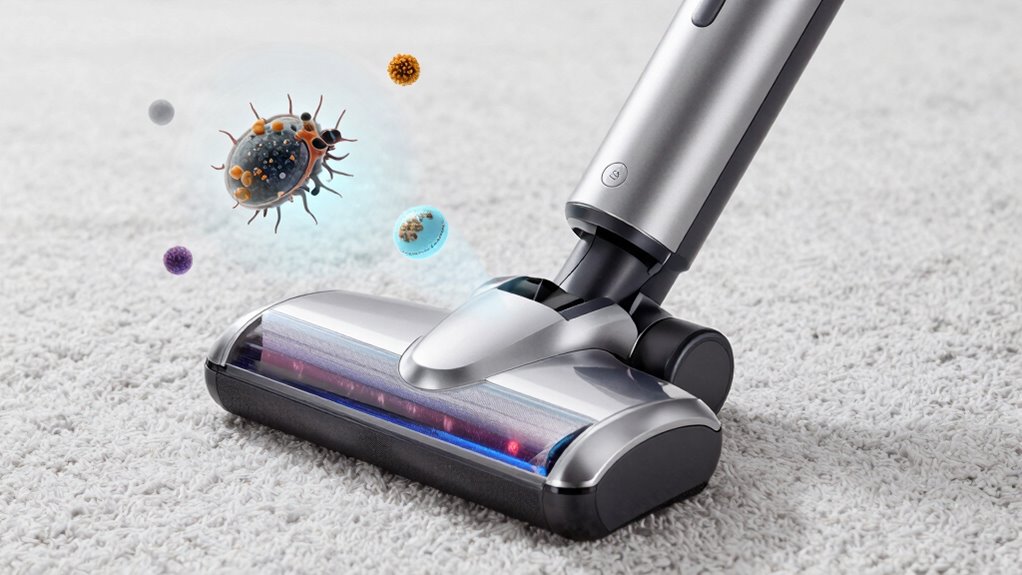
UV vacuum devices can effectively reduce dust mites, insects, and bacteria, but they don’t eliminate all allergens. Some particles, like pollen or pet dander, may require additional cleaning methods. Knowing what UV vacuums target helps you set realistic expectations for allergen control. Additionally, understanding study techniques and exam preparation can help consumers better evaluate the claims made about these devices. It’s also important to recognize that allergen types vary in size and composition, affecting how well UV vacuums can address them. Certain allergen removal strategies may be necessary to achieve comprehensive allergen reduction in your home. Incorporating integrated cleaning technologies can enhance overall effectiveness in allergen management. Moreover, awareness of particle size and behavior can help you choose the most effective cleaning approach for different allergens.
Effectiveness Against Dust Mites
Dust mites are one of the most common allergens found in homes, and many people turn to UV vacuum devices hoping they can eliminate these tiny pests. However, UV vacuum cleaners are not a guaranteed solution for allergen removal related to dust mites. While UV light can kill some surface dust mites, it doesn’t penetrate deeply into mattresses, carpets, or upholstery where these pests hide. Dust mite eggs and larvae are often shielded from UV exposure, making it unlikely that UV vacuum devices will completely eliminate the infestation. For effective allergen removal, it’s best to combine UV vacuuming with thorough cleaning methods like washing bedding in hot water and using allergen-proof covers. Understanding allergen behavior can help you develop a more comprehensive approach to allergy management. Additionally, UV penetration depth is limited, so relying solely on UV light is insufficient for thorough eradication. UV vacuum devices can help, but they shouldn’t be solely relied upon to eliminate dust mites. Incorporating additional methods such as deep cleaning techniques enhances overall effectiveness against allergens.
Insects and Bacteria Impact
UV vacuum devices can effectively kill many bacteria and some insects on surfaces, but they don’t address all types of allergens. Insect behavior, like hiding in cracks or deep within fabrics, limits UV reach. Additionally, bacterial resistance varies; some bacteria survive UV exposure due to protective layers or resistance genes. Here’s how UV impacts insects and bacteria:
| Insect Behavior | Resistance Factors | UV Effectiveness |
|---|---|---|
| Hiding in crevices | Deep-seated in fabrics | Limited, as UV doesn’t penetrate deeply |
| Flying or crawling | Quick movement, escape | Often unaffected |
| Hidden in dust or debris | Protective biofilms | Reduced effectiveness |
While UV can reduce surface bacteria and insects, it doesn’t eliminate all allergens due to these behaviors and resistance mechanisms. Understanding UV limitations is essential for setting realistic expectations about allergen control. Moreover, since UV light has limited penetration, material properties like fabric thickness or surface texture significantly influence its effectiveness. UV penetration depth varies based on material composition, further impacting its ability to target embedded allergens. For example, some fabric types can block or reflect UV light, reducing its efficacy.
Furthermore, the presence of organic matter such as dirt or oils can shield allergens from UV exposure, making thorough cleaning prior to UV treatment crucial.
Do Myths About UV Light and Allergens Hold True?
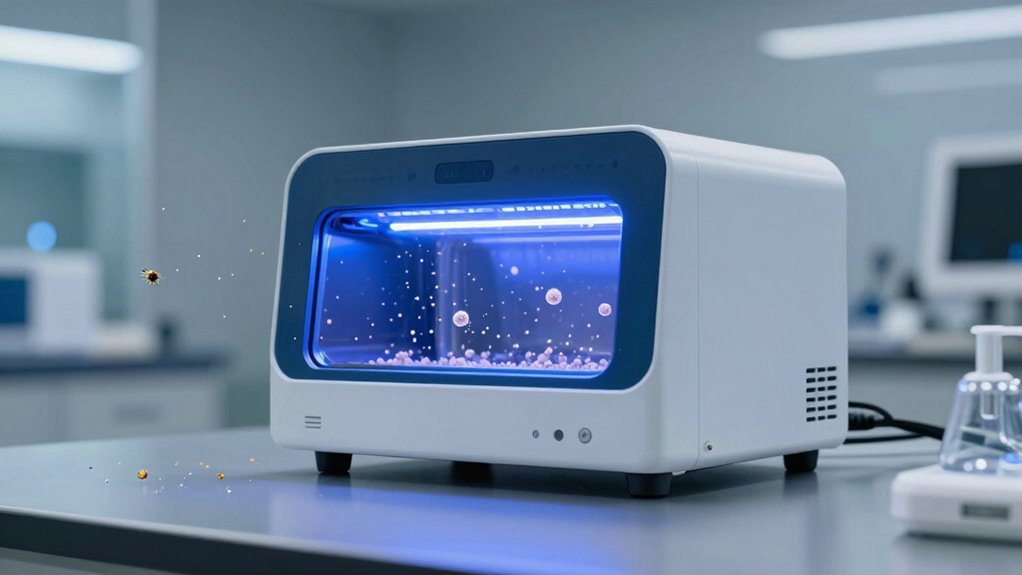
Many people believe that UV light can eliminate allergens and improve air quality, but is this really true? This is a common allergy myth. While UV light can kill certain bacteria and viruses, its effectiveness against airborne allergens like pollen, dust mites, or pet dander is limited. UV light doesn’t target or neutralize these particles, so it doesn’t reduce allergen levels in your home. Some products claim UV can “refresh” the air, but that’s misleading. The truth is, UV light has specific uses, mainly sterilization of surfaces and air in controlled environments. Relying on UV vacuum systems alone to combat allergens is a misconception. Understanding the limits of UV light helps you make smarter decisions about improving your indoor air quality. Additionally, architectural solutions can play a role in creating healthier indoor environments by optimizing ventilation and filtration systems. Recognizing the limitations of UV technology ensures you don’t rely solely on it for allergen control, encouraging a comprehensive approach to indoor air health. Moreover, understanding the scientific capabilities of UV light helps distinguish between its practical applications and marketing claims.
Will UV Light Prevent Mold Growth and Bacteria?
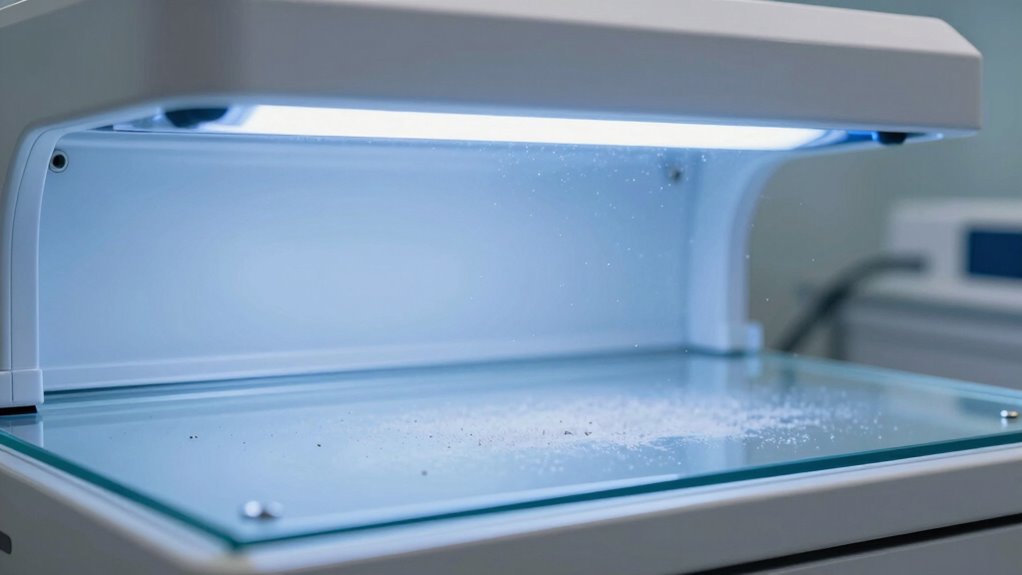
While UV light can kill some bacteria and mold spores on surfaces, it doesn’t guarantee that mold growth or bacteria will be prevented entirely. UV safety is important, as improper use can pose health risks, so always follow manufacturer instructions. UV light can reduce existing mold and bacteria, but it doesn’t stop new growth from forming. Mold prevention relies on controlling moisture and humidity, not just UV exposure. Using UV light as a sole method isn’t enough to keep mold or bacteria at bay long-term. Instead, it should be part of a thorough approach that includes proper ventilation and moisture control. Relying solely on UV light won’t ensure complete mold prevention, so understand its limitations and combine it with other effective strategies. Additionally, proper maintenance of the environment is essential to prevent future issues.
Are UV Vacuum Cleaners Safe for Indoor Use?
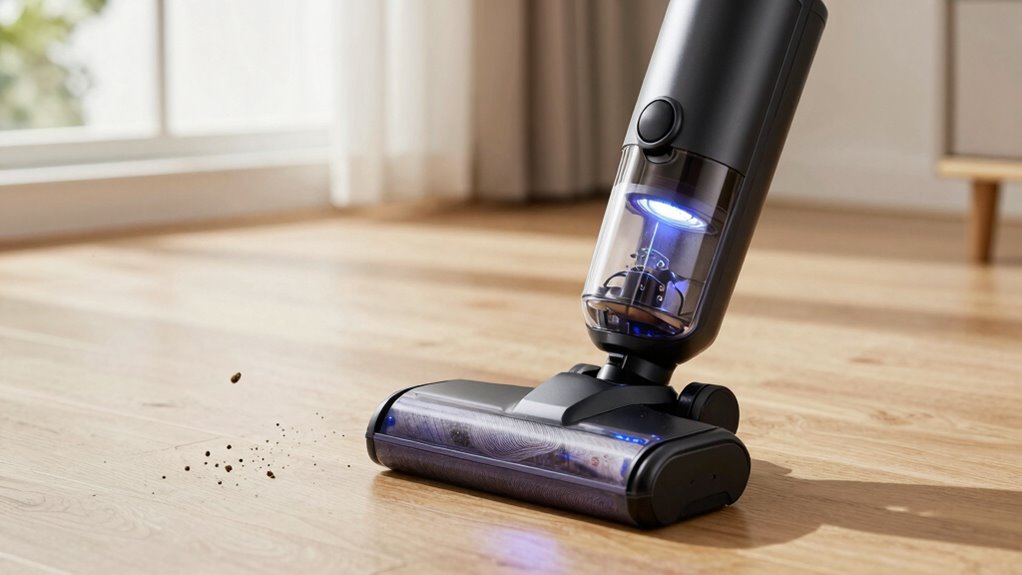
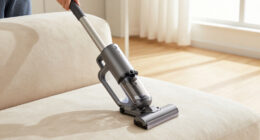
UV vacuum cleaners are generally safe for indoor use when operated according to the manufacturer’s instructions. They can effectively reduce indoor pollution caused by allergens, bacteria, and mold spores. UV safety is a key consideration, so it’s important to guarantee the UV light is properly contained within the vacuum system to prevent direct exposure. When used correctly, UV vacuums don’t pose health risks and can help improve air quality by targeting microscopic contaminants. However, improper handling or damage to the device could lead to UV exposure, so always follow safety guidelines. Overall, with proper use, UV vacuum cleaners are a safe and efficient option for maintaining a cleaner, healthier indoor environment.
How Do UV Vacuum Systems Compare to HEPA Filters?

UV vacuum systems and HEPA filters each target indoor pollutants but do so in different ways. HEPA filters excel at air filtration by trapping tiny particles like dust, pollen, and pet dander, effectively removing allergens from the air you breathe. They physically capture particles as air passes through the filter, providing continuous allergen removal during vacuuming. UV vacuum systems, on the other hand, use ultraviolet light to deactivate bacteria and mold on surfaces and in the vacuum path. While UV can reduce microbial allergens, it doesn’t substantially improve air filtration or remove larger particles like dust or pollen. Combining UV with HEPA filters offers a thorough approach, tackling allergens both in the air and on surfaces, but each system alone has distinct strengths in allergen removal.
What Maintenance Do UV Vacuum Systems Require?
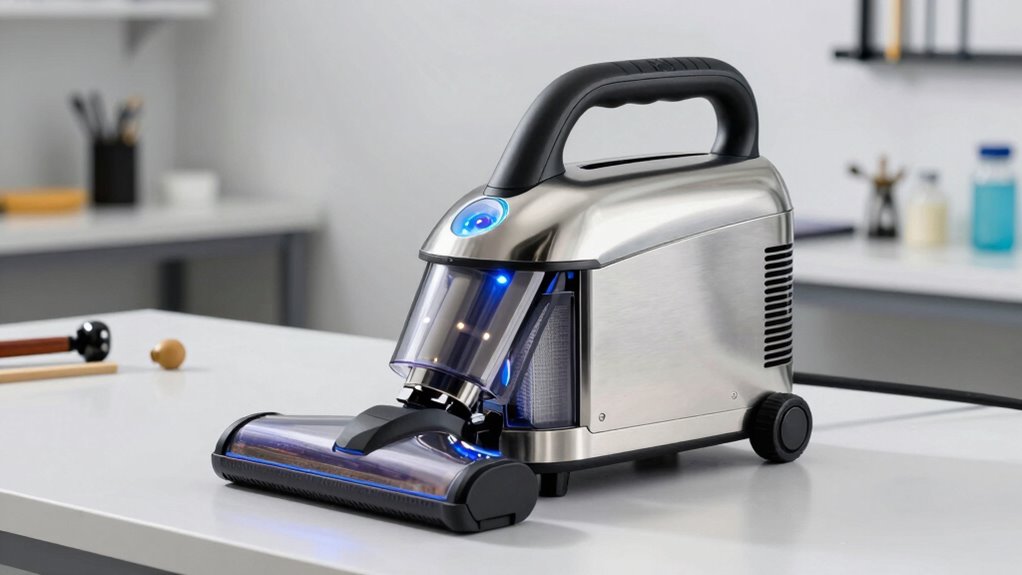
Regular maintenance is essential to keep your UV vacuum system functioning effectively. Your maintenance routines should include regularly inspecting and cleaning filters, belts, and brushes to prevent buildup and guarantee optimal airflow. One crucial aspect is UV bulb replacement; over time, UV bulbs lose their effectiveness and need replacing to maintain proper germ-killing power. Check your system’s manual for recommended replacement intervals, typically every 6 to 12 months. Keep the vacuum’s exterior and filters clean to prevent dust from blocking UV exposure. Additionally, ensure the UV bulbs are functioning correctly by periodically testing the UV lamp’s brightness or using a UV meter if available. Proper upkeep guarantees your UV vacuum continues to operate efficiently, safeguarding your space from allergens and ensuring the UV component remains effective.
Should You Consider Using UV Technology for Allergy Relief?
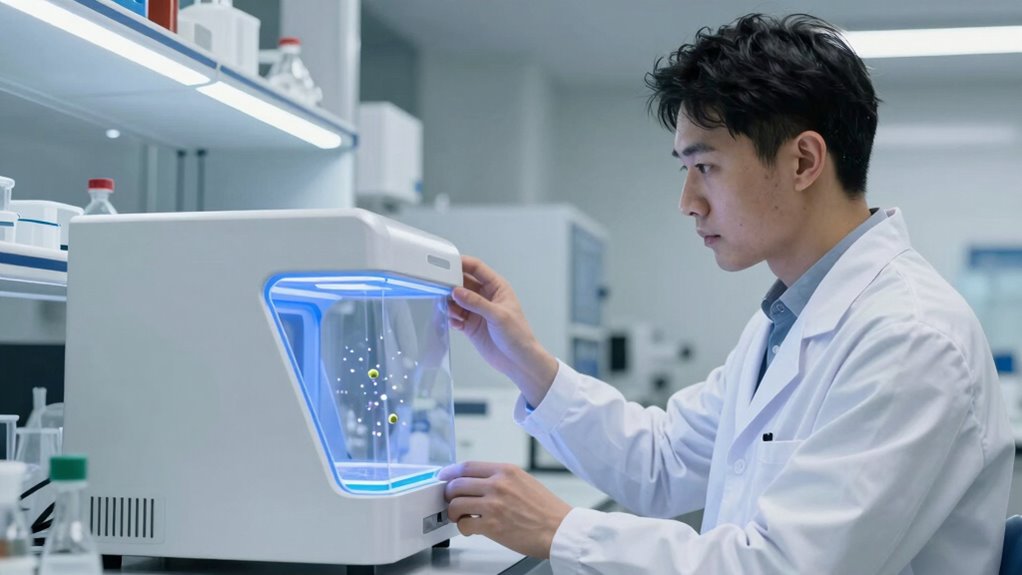
If you suffer from allergies, considering UV technology might seem like a promising solution. UV vacuum systems can enhance allergen removal by targeting dust mites, mold spores, and bacteria. However, it’s crucial to evaluate UV safety, as improper use or poor-quality units could pose risks, such as UV exposure to your skin or eyes. While UV light can help reduce certain allergens, it isn’t a magic fix for all airborne particles or deep-seated allergens. You should weigh the benefits against the limitations and ensure the UV vacuum system you choose is certified and used correctly. Remember, UV technology can be a helpful addition to your allergy management plan but shouldn’t replace thorough cleaning and allergen control strategies.
What Are Realistic Expectations for UV Vacuum Systems?
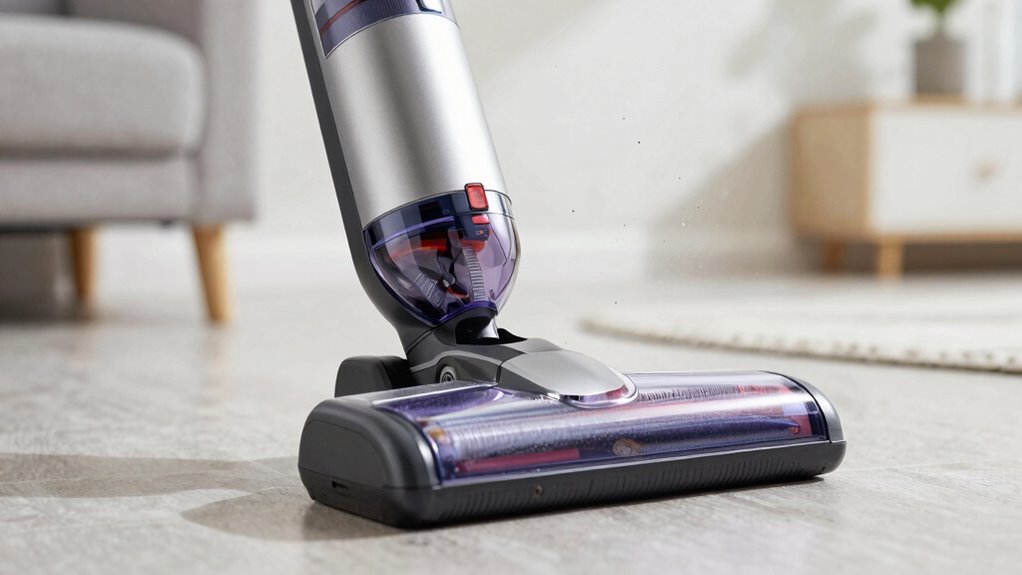
You should understand that UV vacuum systems can reduce surface contaminants, but they won’t eliminate all dust and allergens. Their effectiveness depends on proper use and maintenance, so managing expectations is key. Keep in mind that UV technology has limitations and works best as part of an extensive cleaning routine.
Realistic Effectiveness Expectations
While UV vacuum systems can considerably reduce certain contaminants, it’s important to set realistic expectations about their capabilities. Many air purifier myths suggest that UV light alone can eliminate all allergens, but that’s not accurate. UV technology can help in allergen reduction by neutralizing bacteria and mold spores on surfaces and in the air, but it doesn’t eradicate every allergen. You shouldn’t expect UV vacuum systems to instantly make your home allergen-free or replace regular cleaning practices. Instead, view them as a supplementary tool that improves overall indoor air quality. Proper maintenance and combined approaches—like HEPA filters and thorough cleaning—are essential for effective allergen control. Realistic expectations help you use UV vacuum systems effectively without relying solely on them for comprehensive allergen management.
Limitations of UV Technology
UV vacuum systems offer some benefits, but they also come with limitations that set realistic expectations. While UV light can help with air purification by destroying certain bacteria and mold spores, it doesn’t eliminate all allergens, like dust mites or pet dander. The UV component works best when allergens are directly exposed to the light, which isn’t always possible during vacuuming. Additionally, UV systems won’t remove particles from the air or surfaces on their own; they should complement a thorough cleaning routine. Relying solely on UV for allergen reduction can lead to disappointment. It’s important to understand that UV vacuum systems are tools that support, but don’t replace, extensive cleaning methods for improving indoor air quality.
Frequently Asked Questions
Can UV Light Eliminate All Airborne Allergens in My Home?
UV light can’t eliminate all airborne allergens in your home. While UV vacuum systems help with airborne allergen removal by killing bacteria and mold spores, their effectiveness is limited. They don’t target dust mites, pollen, or pet dander directly. To improve air quality, combine UV vacuum use with HEPA filters and regular cleaning. This way, you maximize allergen reduction, understanding UV light has limitations in fully clearing all airborne allergens.
How Long Does It Take for UV Vacuum Systems to Show Results?
You’ll start noticing results from your UV vacuum system within a few days to a week, especially if you follow a consistent cleaning schedule. Keep in mind, UV bulb lifespan varies, so replace it as recommended to maintain effectiveness. Regular use helps reduce allergens over time, but patience is key. Stick to your cleaning routine, and you’ll see improvements in air quality and allergen levels relatively quickly.
Are There Any Health Risks From Exposure to UV Light During Cleaning?
Did you know that UV light can kill up to 99.9% of bacteria and viruses? When it comes to UV safety, skin exposure during cleaning is minimal if you follow manufacturer instructions. Most UV vacuum systems are designed to contain UV light, preventing direct skin exposure. However, avoid looking directly at UV lamps and keep the light source covered when not in use. Proper precautions guarantee safe, effective cleaning without health risks.
Does UV Technology Increase the Lifespan of Vacuum Filters?
Yes, UV technology can increase the lifespan of vacuum filters by reducing the buildup of bacteria and mold, which often cause filters to clog or deteriorate faster. This enhances filter longevity and lowers maintenance needs. By preventing microbial growth, UV light helps keep filters cleaner longer, offering maintenance benefits and ensuring your vacuum remains effective over time. Regular use of UV-equipped vacuums can save you money by extending filter life.
Is UV Vacuum Cleaning Effective Against Pet Dander?
Yes, UV vacuum cleaning can be effective against pet dander. UV effectiveness helps break down allergens like pet dander at a microscopic level, reducing their presence in your home. When used correctly, UV technology can enhance your vacuum’s ability to sanitize surfaces and capture allergens more efficiently. To get the best results, make sure your vacuum’s UV light is functioning properly and that you’re using the right attachments for your space.
Conclusion
While UV vacuum systems can help reduce certain allergens and bacteria, don’t rely on them alone for allergy relief. It’s a coincidence that combining UV technology with regular cleaning and HEPA filters often yields the best results. By understanding what UV light can and can’t do, you’ll make smarter choices for a healthier home. Sometimes, it’s the small, consistent steps that truly make a difference in allergy management.
Fall Picks
fall essentials
As an affiliate, we earn on qualifying purchases.