Microfiber traps dust better than cotton because its ultra-fine fibers create a larger surface area and a dense weave that catch tiny particles efficiently. The material’s static electricity also attracts dust and allergens, holding them firmly. Its engineered fiber density and structure enhance dust retention, while the synthetic fibers maintain electrostatic charge longer. If you want to understand how microfiber’s composition and design boost its cleaning power, keep exploring the details below.

Get cleaning gear delivered free — and shop member deals
- Fast, free delivery on millions of items
- Access to Prime Big Deal Days deals on October 6–7
- Prime Video, Amazon Music and more included
Key Takeaways
- Microfiber’s ultra-fine synthetic fibers increase surface area, enhancing dust contact and adhesion compared to cotton fibers.
- Dense, tightly woven microfiber traps dust particles more effectively, preventing their escape.
- Static electricity generated by microfiber attracts and holds dust and allergens, unlike natural cotton.
- The synthetic fibers’ durability maintains electrostatic charge over time, ensuring consistent dust attraction.
- Microfiber’s engineered structure and material properties create a stronger, more efficient dust-trapping barrier than cotton.
As an affiliate, we earn on qualifying purchases.
What Is Microfiber and How Is It Different From Cotton?
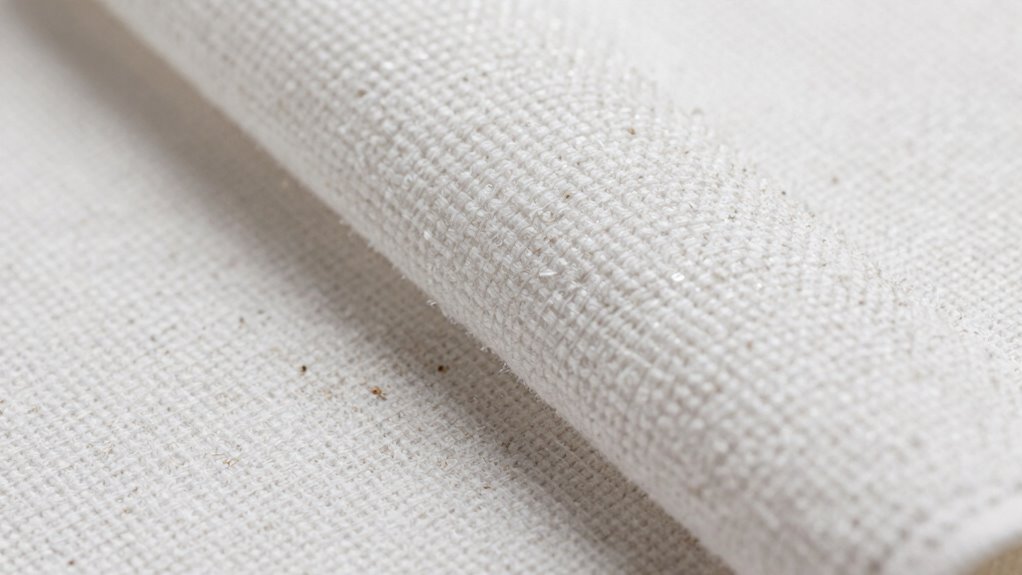
Microfiber is a synthetic fiber made from polyester, nylon, or a blend of both, and it’s much finer than traditional fabrics like cotton. During fiber manufacturing, these tiny filaments are produced through a process that creates fibers thinner than a human hair. Unlike cotton, which has natural properties like breathability and softness due to its plant origin, microfiber’s properties are engineered for durability and water resistance. Cotton fibers are bulky and absorbent, making them comfortable but less effective at trapping dust. Microfiber fibers, by contrast, are densely woven and have a larger surface area, allowing them to attract and hold dust particles more efficiently. This fundamental difference explains why microfiber performs better for cleaning and dust trapping than cotton fabrics. Additionally, fiber density plays a crucial role in microfiber’s superior dust-trapping capabilities compared to cotton. The fiber engineering process enhances microfiber’s ability to trap tiny particles, making it a popular choice for cleaning tools. Furthermore, innovations in fiber technology continue to improve microfiber’s effectiveness in various cleaning applications, especially when combined with advanced manufacturing techniques. Modern material science developments further optimize microfiber’s structure, enhancing its dust and allergen trapping ability.
As an affiliate, we earn on qualifying purchases.
How Tiny Microfiber Fibers Help Trap Dust
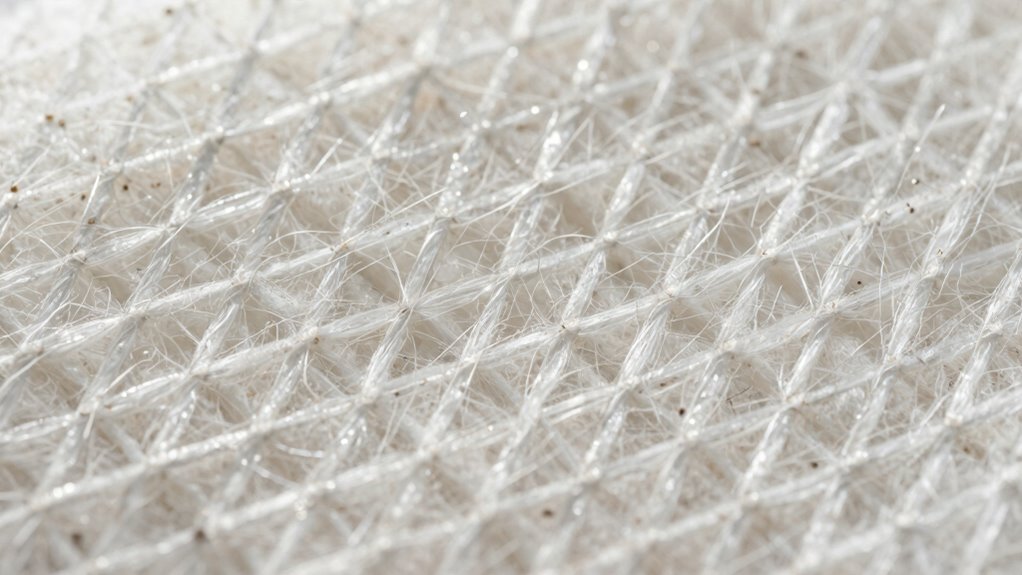
Because of their small size and high surface area, tiny microfiber fibers are highly effective at trapping dust particles. Their fiber flexibility allows them to bend and conform to surfaces, capturing even microscopic dust. Additionally, the fabric durability of microfiber ensures these fibers stay intact through repeated use, maintaining their dust-trapping ability. To illustrate:
| Feature | Benefit | Impact |
|---|---|---|
| Fiber Flexibility | Bends easily to trap particles | Improves dust collection efficiency |
| High Surface Area | More contact points with dust | Increases dust absorption |
| Fabric Durability | Resists wear over time | Ensures long-lasting cleaning performance |
This combination of properties helps microfiber outperform cotton by effectively locking in dust, keeping your surfaces cleaner longer. Furthermore, the fiber structure can be engineered to enhance specific dust-trapping properties, allowing manufacturers to tailor microfiber products for various cleaning tasks. For example, incorporating antistatic features can further boost their dust-attracting capabilities.
As an affiliate, we earn on qualifying purchases.
Why Microfiber’s Static Electricity Attracts Dust
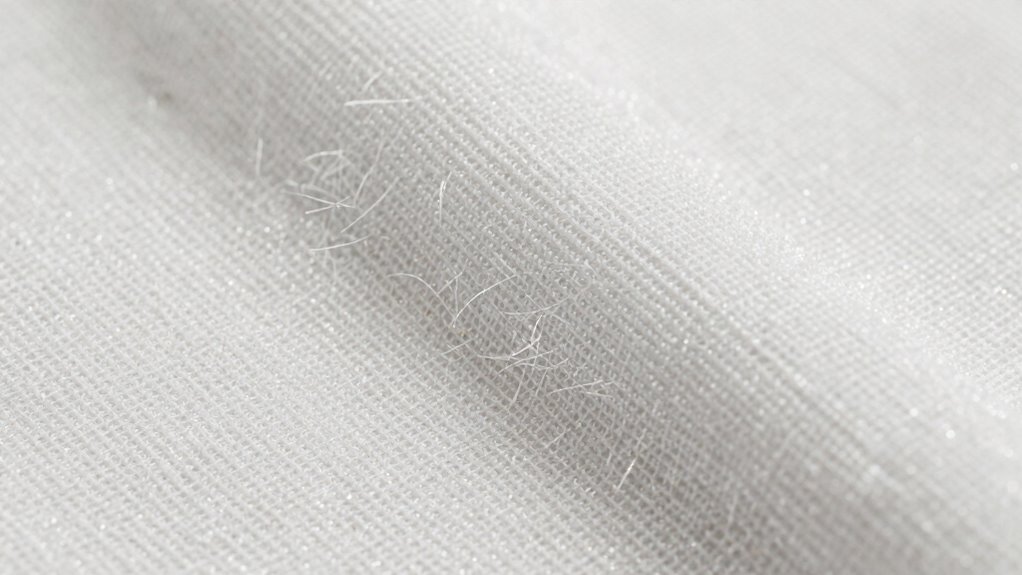
Microfiber fabrics generate static electricity when you rub or use them, creating a charge that attracts dust particles. Their material composition, often synthetic fibers like polyester, enhances this effect. This static charge acts like a magnet, pulling dust and dirt toward the microfiber surface. Additionally, the presence of modern kitchen technology highlights how advancements in materials science contribute to more effective cleaning tools.
Static Electricity Generation
When fibers rub against each other or other surfaces, they become electrically charged through a process called triboelectric charging. This static electricity creates an electrostatic adhesion effect, making dust particles stick more effectively to microfiber surfaces. Microfibers generate a stronger static charge because their fine fibers have a larger surface area relative to their volume, increasing the likelihood of charge buildup. This charge attracts dust particles, especially smaller ones, because dust particle size influences how easily they’re pulled by static forces. As a result, microfibers trap dust more efficiently than other materials. The static charge remains long enough to pull in and hold onto dust, preventing it from rebounding and ensuring a cleaner surface. Additionally, the fiber structure of microfibers enhances their ability to generate and retain static electricity, further boosting their dust-trapping capabilities. The electrostatic properties of microfibers are also influenced by environmental factors like humidity, which can affect static charge generation. The surface area of microfibers plays a crucial role in their static electricity generation, as it provides more contact points for dust particles to adhere to. Microfibers’ unique surface properties also contribute to their superior dust-adsorption performance by increasing contact points with particles.
Microfiber’s Material Composition
The material makeup of microfiber plays a key role in its ability to attract and hold dust through static electricity. Its fine fibers, typically polyester and polyamide, have high fiber strength, allowing them to be woven tightly without breaking. Fiber strength and durability are essential in maintaining the static charge over time, ensuring consistent cleaning performance. The manufacturing process creates ultra-thin fibers—often less than a denier—enhancing surface area and static charge buildup. These tiny fibers generate more static electricity, making dust cling more effectively. Additionally, microfiber’s dense fiber network traps dust particles efficiently. The manufacturing process also guarantees durability, so static charge remains consistent over time. The precise fiber composition of microfiber contributes significantly to its dust-attracting properties, ensuring long-lasting cleaning effectiveness. Furthermore, the static electricity generation in microfiber is boosted by the fiber arrangement and material properties, further improving its dust-trapping ability. Overall, the combination of fiber strength and manufacturing techniques produces a material that’s naturally inclined to attract and retain dust through static electricity, outperforming traditional fabrics like cotton.
Dust Attraction Mechanism
Because of its ultra-fine fibers and dense network, microfiber generates a strong static electric charge that attracts dust particles. This electrostatic effect makes microfiber highly effective at trapping dust and allergens with less cleaning frequency. Since it pulls dust into its fibers rather than simply pushing it aside, you can clean more efficiently and reduce the need for harsh chemicals. This mechanism also benefits the environment by decreasing chemical use and waste from disposable cleaning products. Additionally, the static attraction means dust is less likely to resettle elsewhere, lowering overall environmental impact. Regularly cleaning microfiber surfaces maintains their static charge, ensuring continued dust attraction. The static charge generated by microfiber is influenced by factors like humidity and fiber composition, which can enhance or diminish its dust-trapping ability. Overall, this static electricity enhances dust removal, making microfiber a sustainable, eco-friendly choice for cleaner homes and a healthier environment.
As an affiliate, we earn on qualifying purchases.
How Surface Area Makes Microfiber Better at Picking Up Dust
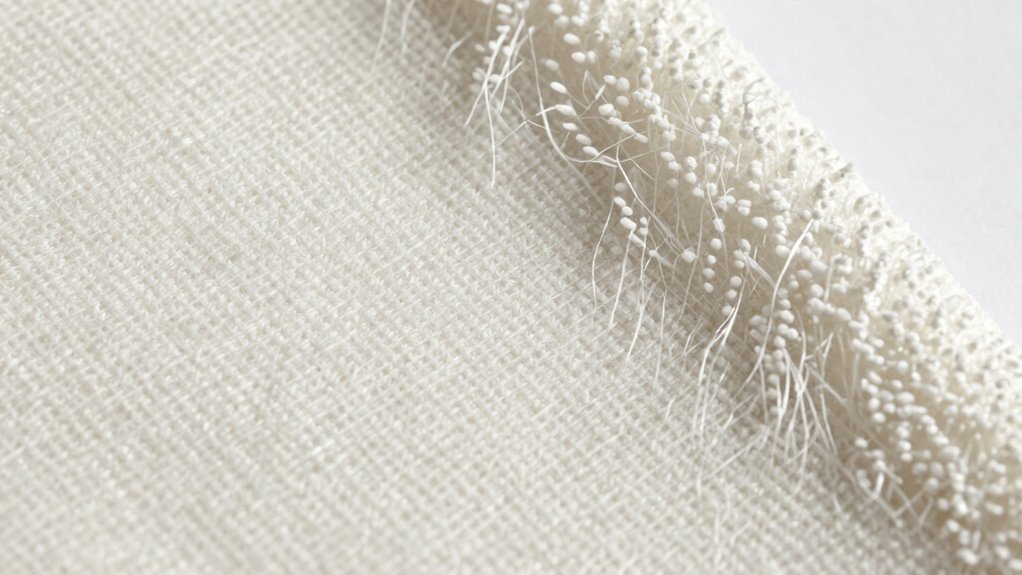
Microfibers excel at trapping dust mainly because of their incredibly high surface area. This extensive surface provides more contact points, boosting cleaning efficiency and allowing dust particles to stick more effectively. The fiber flexibility helps microfibers bend and conform to surfaces, increasing the contact area even further. The increased surface area also means microfibers can hold onto tiny dust particles that would slip past larger fibers. This design makes microfiber cleaning tools more effective for detailed dust removal. Plus, the high surface area enhances their ability to trap allergens and other microscopic debris, making your cleaning more thorough and efficient. Additionally, the surface area of microfibers plays a crucial role in their ability to adapt to different surfaces and capture particles at a microscopic level. The fiber structure is also optimized to maximize dust retention and minimize shedding during cleaning, which is supported by the flexibility of microfiber strands that allows better surface contact. Moreover, a larger surface area improves the adhesion of dust particles, ensuring they stay embedded during the cleaning process. This high surface area also facilitates better filtration of microscopic particles, further enhancing cleaning effectiveness.
How Fiber Density and Weave Improve Dust Trapping
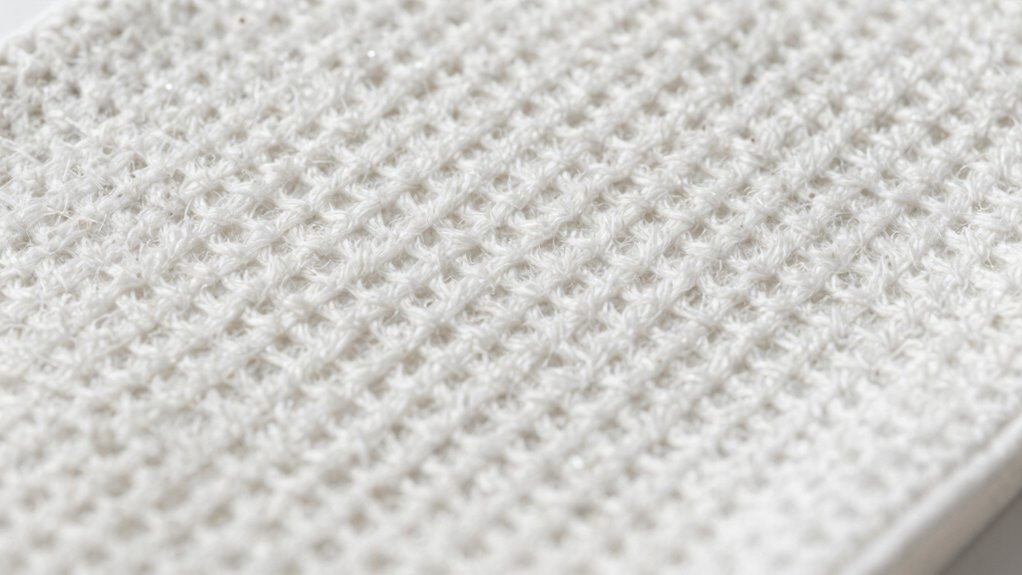
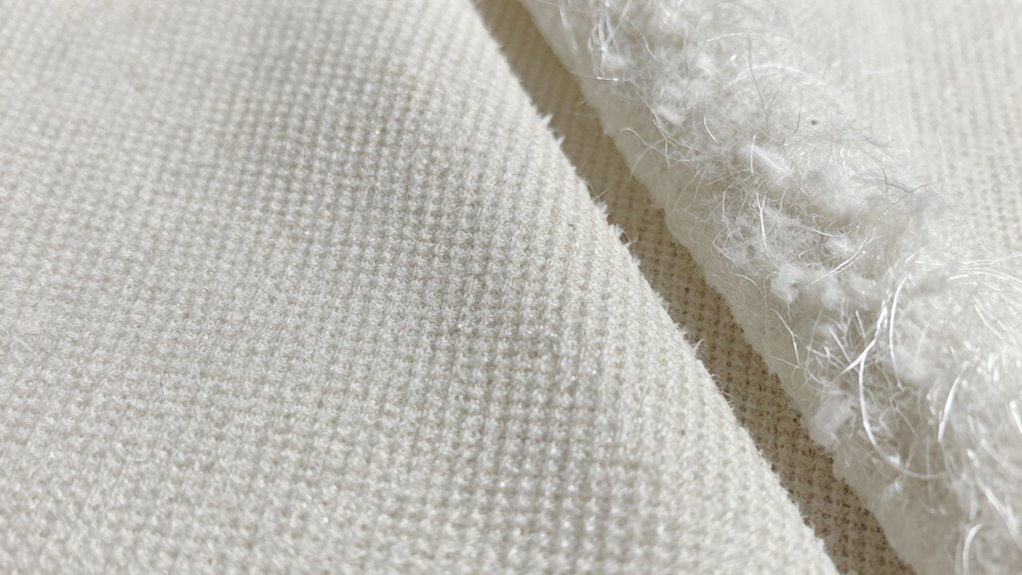
Higher fiber density and tighter weave patterns create a more effective barrier for dust particles. When the fibers are packed closely together, there are fewer gaps for dust to pass through, increasing the microfiber’s ability to trap particles. Dense fibers mean more surface area for dust to adhere to, boosting cleaning efficiency. The weave pattern also plays a vital role; tighter weaves prevent dust from slipping between fibers, ensuring better retention. Microfibers with high fiber density and carefully designed weave patterns form a compact, uniform surface that enhances dust pickup. This combination makes microfiber cloths superior at capturing and holding onto dust compared to looser, less dense fabrics. By optimizing fiber density and weave, you maximize dust removal and achieve cleaner surfaces more effectively.
Why Microfiber’s Material Composition Matters for Dust Removal
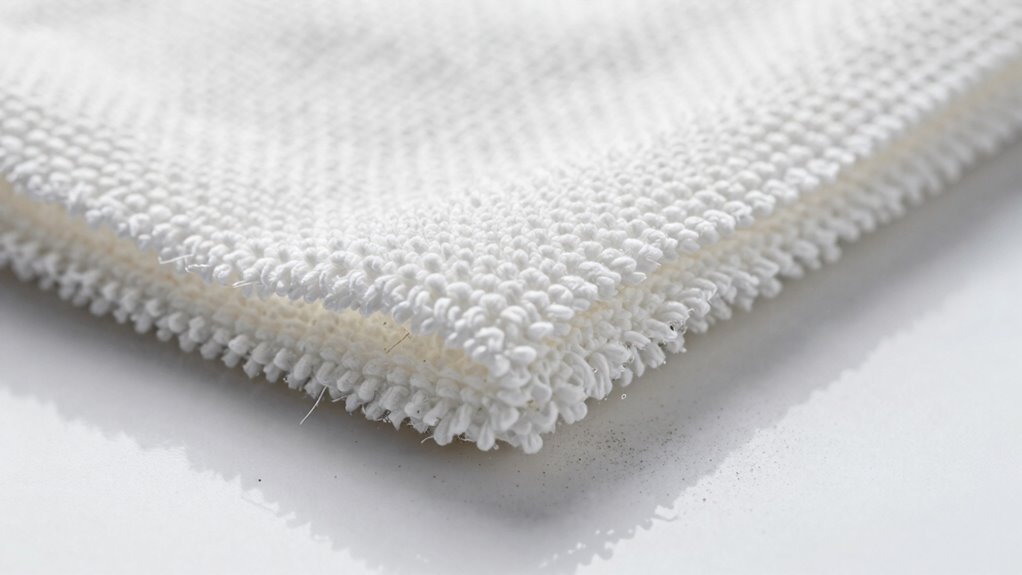
The material composition of microfiber plays a crucial role in its ability to capture and hold dust particles effectively. Its fine synthetic fibers create strong electrostatic properties, attracting dust like a magnet. These properties are essential because they enhance dust removal without chemical cleaners. Additionally, microfiber’s fiber durability ensures it maintains its electrostatic charge through repeated use and washing.
Key factors include:
- Enhanced electrostatic properties that attract dust particles
- Fiber durability for long-lasting cleaning performance
- Fine synthetic fibers that trap tiny dust particles
- Resistance to wear and tear, maintaining effectiveness
- Consistent electrostatic charge over time
Microfiber vs. Cotton: Which Works Better for Dust Cleaning?
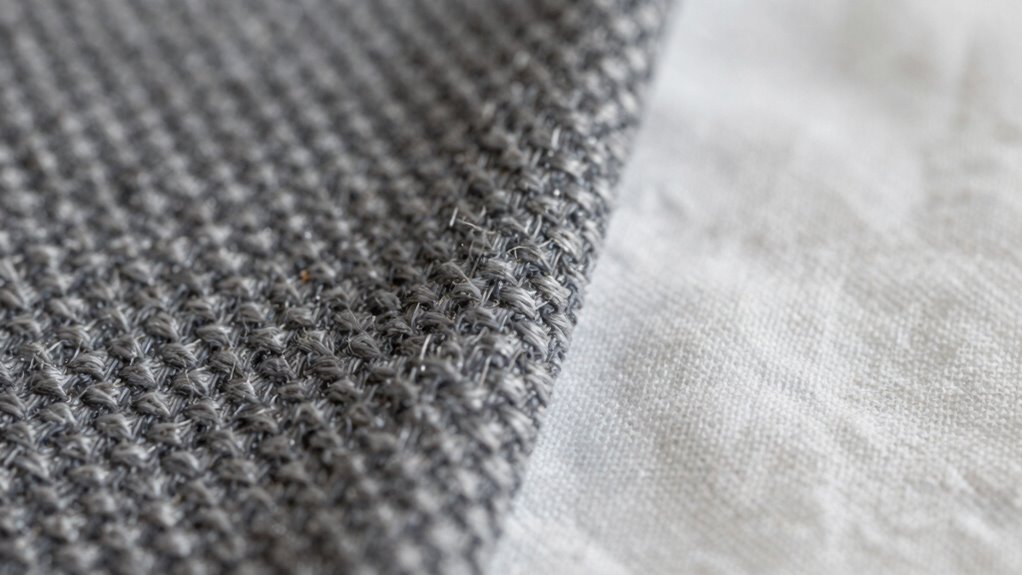
While cotton has been a traditional choice for cleaning, microfiber outperforms it when it comes to dust removal. Microfiber’s fine fibers attract and trap dust mites, allergens, and tiny particles more effectively. Cotton fibers are bulkier, which reduces their ability to pick up fine dust and requires more frequent cleaning to maintain effectiveness. Microfiber’s superior surface area allows it to hold dust better, reducing the need for high cleaning frequency.
| Feature | Cotton | Microfiber |
|---|---|---|
| Dust mite trapping | Less effective | More effective |
| Cleaning frequency | Higher needed | Lower needed |
| Dust particle size | Larger particles | Tiny particles |
| Dust retention | Moderate | Excellent |
Choose microfiber for cleaner surfaces and fewer dust mite issues.
Tips for Choosing and Maintaining Effective Microfiber Cloths
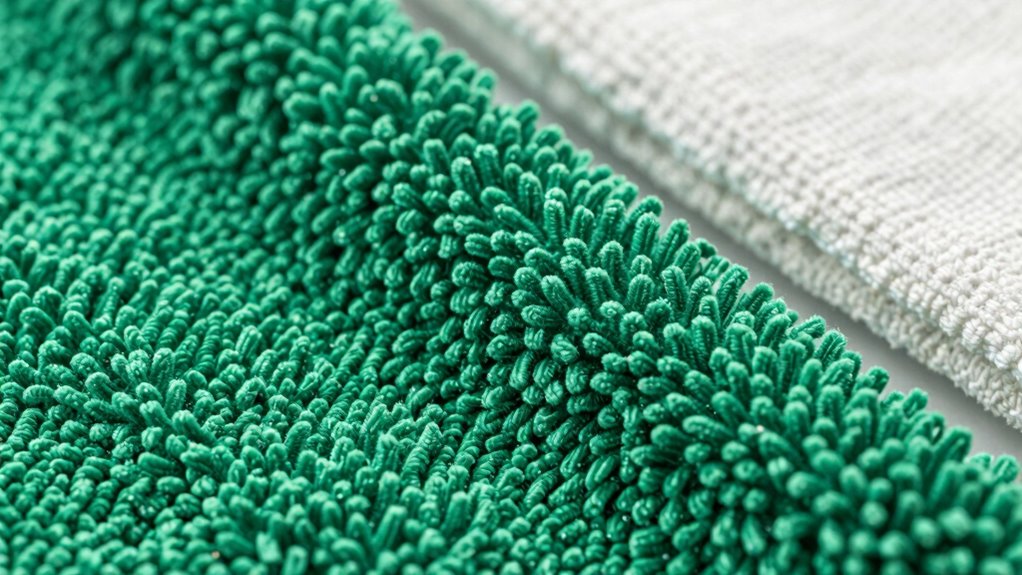
Choosing the right microfiber cloth and maintaining it properly are key to guaranteeing ideal cleaning performance. To maximize dust trapping and reduce environmental impact, select high-quality, durable cloths suited for your needs. Regularly wash microfiber cloths without fabric softeners or bleach, which can degrade their effectiveness. Proper maintenance extends their lifespan and improves cleaning efficiency. When comparing costs, microfiber cloths may seem pricier initially but offer better long-term value due to their durability and reusability. Consider these tips:
- Choose cloths with tightly woven fibers for better dust capture
- Wash in cold or warm water, avoiding fabric softeners
- Dry on low heat or air dry to preserve fibers
- Use separate cloths for different surfaces to prevent cross-contamination
- Opt for eco-friendly washes to reduce environmental impact
These practices ensure your microfiber cloths stay effective longer.
Frequently Asked Questions
Can Microfiber Be Reused Multiple Times Without Losing Effectiveness?
Yes, microfiber can be reused multiple times without losing effectiveness if you follow proper washing guidelines. Durability testing shows that microfiber maintains its dust-trapping ability through many washes. Just make certain you wash it in warm water, avoid fabric softeners, and air dry or tumble dry on low heat. Proper care helps preserve its structure, so you get the most out of each microfiber cloth without sacrificing cleaning power.
Is Microfiber Safe for All Types of Sensitive Surfaces?
Imagine gently gliding a soft, whisper-light cloth over a delicate surface; microfiber is generally safe materials for most surfaces when you consider surface compatibility. It’s designed to be gentle yet effective, making it suitable for sensitive surfaces like glass, electronics, and painted finishes. However, always check manufacturer guidelines to guarantee compatibility, as some surfaces may require special cleaning tools. With proper care, microfiber won’t damage your sensitive surfaces.
How Does Microfiber Perform in Removing Allergens Compared to Cotton?
You’ll find microfiber more effective than cotton at removing allergens because of its higher fiber density, which captures tiny particles better. Its tightly woven fibers trap allergenic properties like pollen, pet dander, and dust mites more efficiently, reducing airborne allergens. Cotton, with its looser weave, doesn’t perform as well. So, if you want cleaner surfaces and improved allergy relief, microfiber is your best choice for allergen removal.
Are There Eco-Friendly Microfiber Options Available?
Imagine a gentle breeze carrying the scent of fresh leaves—eco-friendly microfiber options do exist. You can find sustainable materials like recycled polyester or plant-based fibers that reduce environmental impact. These eco-friendly alternatives offer the same dust-trapping power as traditional microfibers, helping you clean effectively while caring for the planet. By choosing these sustainable materials, you support eco-conscious manufacturing and enjoy cleaner spaces with less ecological footprint.
What Are the Best Cleaning Practices to Maintain Microfiber’s Dust-Trapping Abilities?
To maintain microfiber’s dust-trapping abilities, you should regularly follow proper cleaning techniques. Use gentle washing with mild detergent and avoid fabric softeners, which can reduce dust retention. Shake out the microfiber cloth after use and wash it separately to prevent dust buildup. Air dry when possible, and avoid high heat in dryers. These practices help preserve microfiber’s electrostatic properties, ensuring it stays effective at capturing dust over time.
Conclusion
So, next time you’re chasing dust, remember microfiber is your secret weapon—like a tiny magnet pulling every speck into its net. Its microscopic fibers and static magic turn cleaning into a dance you can win every time. Ditch the cotton, and let microfiber be your trusty sidekick, swooping in to sweep away dust with the precision of a skilled artist. With microfiber, you’re armed with a cleaning superhero ready to conquer dirt’s kingdom.
Fall Picks
fall essentials
As an affiliate, we earn on qualifying purchases.