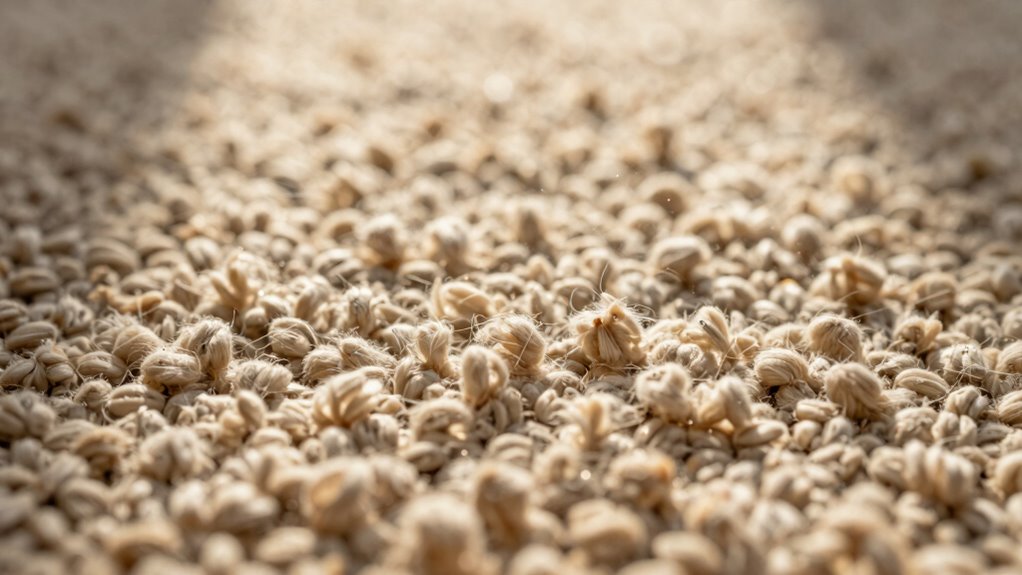
Odors cling to carpet fibers because molecules seep into porous materials and bond tightly, making them hard to remove with just surface cleaning. These molecules penetrate deep into fibers and backing layers, especially with natural or synthetic fibers like polyester and nylon. To break them down, you need targeted treatments like enzymatic cleaners, oxidizing agents, or professional hot water extraction. If you want to learn how to restore freshness effectively, you’ll find useful tips below.
Key Takeaways
- Porous carpet fibers trap and hold odor molecules within tiny spaces and on surfaces, making smells persistent.
- Natural and synthetic fibers differ in their absorption and bonding properties, affecting odor retention levels.
- Enzymatic cleaners and oxidizers break down organic odor molecules, neutralizing smells at the molecular level.
- Deep penetration of odors into fibers and backing layers requires advanced cleaning methods to effectively remove them.
- Regular cleaning may not reach embedded odors; professional treatments focus on breaking down and neutralizing these molecules completely.
Why Do Odors Penetrate and Bond to Carpet Fibers?
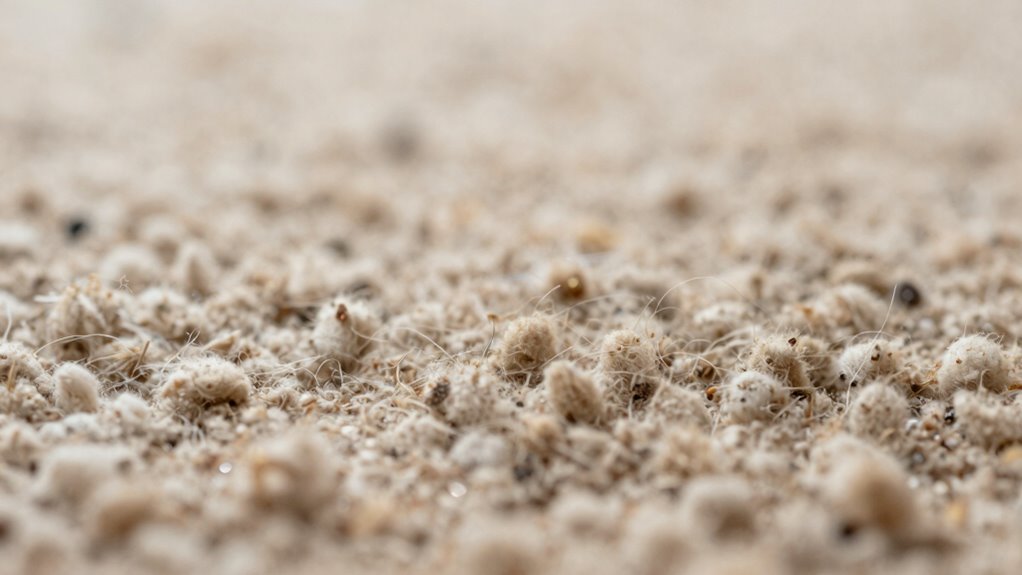
Odors penetrate and bond to carpet fibers because these fibers are porous and can trap airborne particles, liquids, and molecules that carry smells. This process begins with fiber absorption, where airborne odor molecules seep into the tiny spaces within the fibers. Once inside, scent bonding occurs, as these molecules attach to the fibers’ surfaces, making the smell persistent. The porous nature of carpet fibers allows them to hold onto odors tightly, especially when liquids or particles settle deep into the material. This is why certain smells, like pet urine or smoke, seem to linger long after the initial event. Understanding how fiber absorption and scent bonding work helps explain why odors can be so stubborn and why effective cleaning is essential to remove them.
How Do Molecules Get Trapped Deep Inside Carpet Layers?
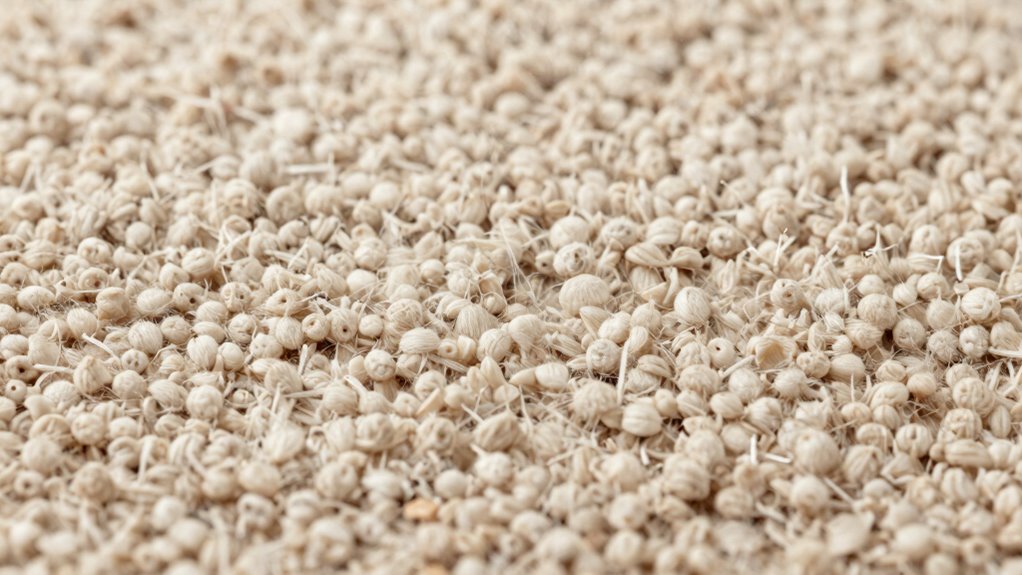
Because carpet layers are made up of multiple thick fibers and backing materials, molecules can penetrate far beyond the surface. This process is called fiber absorption, where odor molecules seep into the deep fibers and backing layers. Once inside, molecular entrapment occurs, trapping these molecules deep within the carpet’s structure. The dense fibers act like sponges, holding onto particles and odors that don’t easily escape. This deep penetration makes it difficult for regular cleaning methods to reach and remove all molecules. As a result, odors become embedded inside the carpet layers, lingering long after the initial spill or smell. The Fiber structure plays a crucial role in how effectively odors are trapped and retained within carpets. Additionally, the fiber composition influences how tightly odor molecules are held and how easily they can be broken down or removed. The porosity of the fibers further affects how accessible these trapped molecules are to cleaning agents and deodorizers. Moreover, the fiber density impacts how well odors are contained and how resistant they are to removal during cleaning.
How Carpet Material and Fiber Type Affect Odor Retention

The type of carpet material and fiber considerably influence how well odors are retained and how difficult they are to remove. Different fiber properties and carpet composition determine how molecules adhere and linger. For example, synthetic fibers like nylon and polyester tend to trap odors more than natural fibers like wool, which have different absorption qualities. The table below highlights common carpet fibers and their odor retention tendencies:
| Carpet Fiber | Odor Retention Level | Key Fiber Properties |
|---|---|---|
| Nylon | Moderate | Durable, smooth surface |
| Wool | Low to Moderate | Absorbent, natural oils |
| Polyester | High | Porous, prone to trapping odors |
Understanding these differences helps you choose a carpet that’s easier to clean and maintains freshness longer.
Proven Methods to Break Down and Remove Odor Molecules
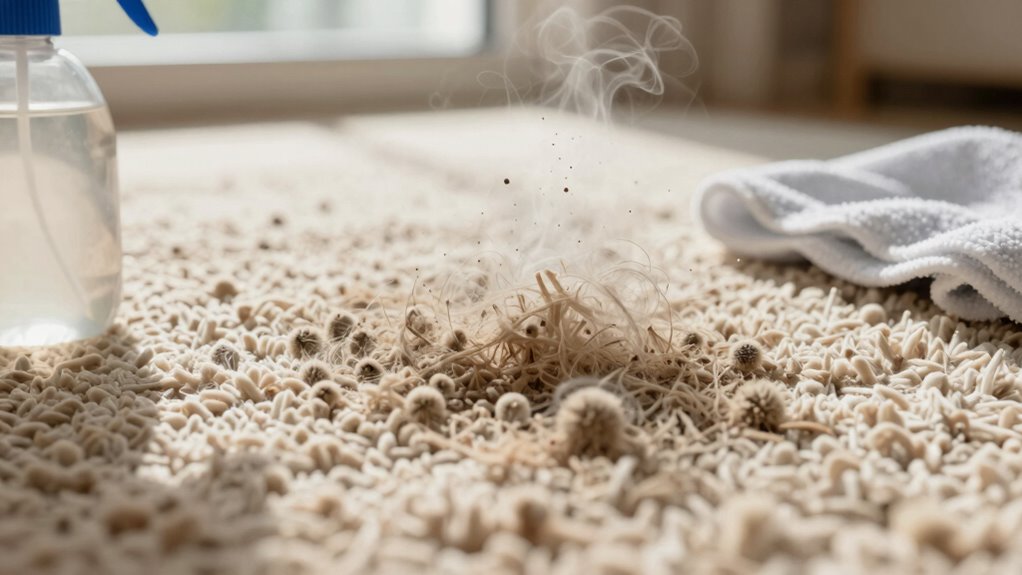
To effectively eliminate odors from your carpet, you need methods that break down odor molecules rather than just masking them. The key is disrupting fiber bonding, which keeps odor molecules trapped within carpet fibers. Enzymatic cleaners are proven tools; they use enzymes to target and break down organic molecules causing odors. Oxidizing agents like hydrogen peroxide can also oxidize odor molecules, transforming them into harmless substances. Deep cleaning with hot water extraction (steam cleaning) not only lifts dirt but also helps break fiber bonds, releasing odor molecules. Additionally, using deodorizing agents that contain surfactants can help lift and neutralize these molecules from the fibers. Incorporating fiber structure knowledge can improve the effectiveness of odor removal. Understanding fiber porosity can help select the most suitable cleaning method for different carpet types. Proper cleaning techniques are essential for maintaining carpet integrity and maximizing odor removal. These proven methods attack the root cause of odors, ensuring your carpet remains fresh and odor-free. Moreover, adjusting cleaning techniques based on fiber density can enhance odor removal efficiency. Employing advanced cleaning technologies can further improve odor mitigation by targeting stubborn molecules more effectively.
DIY Tips for Naturally Freshening Your Carpet

You can naturally freshen your carpet using simple ingredients found around your home. Baking soda is a classic choice, neutralizing odors by absorbing molecules trapped in fiber weaving. For added freshness, sprinkle baking soda mixed with a few drops of essential oil, such as lavender or lemon. Let it sit for 15–30 minutes before vacuuming thoroughly. If your carpet has a stubborn stain or odor, consider a vinegar and water solution. Avoid dyeing or altering fiber weaving with harsh chemicals; instead, focus on cleaning techniques that preserve the carpet’s integrity. Proper care keeps fibers fresh and vibrant, extending your carpet’s lifespan. Additionally, understanding carpet fibers can help you choose the best cleaning methods to maintain their appearance and durability. Recognizing the different types of fiber weaving can also guide you in selecting appropriate cleaning products that won’t damage your carpet. Being familiar with fiber composition can further assist in choosing safe and effective cleaning solutions tailored to your carpet’s material.
When to Call Professionals for Carpet Odor Removal
If odors persist despite your efforts, it’s time to call in professionals. Severe or stubborn smells often require expert cleaning to fully eliminate. Professional services can also reach deep fibers and provide long-lasting freshness you can’t achieve alone. Additionally, specialized equipment such as carpet sanitation systems can effectively break down odor-causing bacteria and residues embedded within the fibers. Using appropriate cleaning techniques ensures the removal of embedded residues that contribute to persistent odors. For particularly tough odors, advanced odor neutralization methods might be necessary to restore your carpet’s freshness.
Persistent Odor Signs
Persistent odors that refuse to fade despite regular cleaning may indicate deeper issues that require professional intervention. If you notice the smell lingers long after cleaning, it could be due to scent absorption deep within carpet fibers or airborne particles settling into the material. These odors often re-emerge with humidity or foot traffic, signaling the need for expert treatment. You might also observe that the smell feels more intense or persists even after multiple cleanings, suggesting the odor has penetrated beyond surface level. When odors become stubborn and won’t dissipate through DIY methods, it’s time to call professionals. They have specialized equipment and solutions to target deeply embedded scents, ensuring your carpet is truly fresh and odor-free. Understanding the buy once, rely daily, replace thoughtfully approach can help you choose effective, long-lasting solutions for your home. Additionally, recognizing the deep fiber penetration of odors can help you decide when professional deodorization is necessary to restore your carpet’s freshness. Knowing about vetted wave and wind methods can also assist in understanding how odors can be effectively neutralized by professionals. Furthermore, using appropriate essential oils in cleaning routines can assist in neutralizing persistent odors and maintaining a fresh environment. Incorporating AI coaching benefits to learn more about maintenance routines can also enhance your approach to home care.
Severe or Stubborn Smells
When odors become severe or stubborn despite repeated cleaning efforts, it’s a clear sign that professional intervention is necessary. Pet stains, especially, can embed deep into carpet fibers, making odor removal difficult with regular cleaning. You might notice persistent smells that resist your homemade carpet deodorizer or standard cleaning products. Professional cleaning services utilize advanced techniques to effectively extract deep-seated odors and stains, which are often beyond the scope of typical home methods. In these cases, a professional carpet cleaning service is your best option. They have specialized equipment and solutions designed for deep pet stain removal and odor neutralization. Professionals can identify the source of stubborn smells and treat them effectively, preventing future odor buildup. Additionally, understanding the cleaning process and the importance of specialized equipment can help you make informed decisions about when to seek expert help. Recognizing the breakdown of odor-causing molecules is crucial for effective odor removal, and professionals are equipped to handle this aspect more thoroughly. It’s also helpful to know that molecular breakdown involves targeting and neutralizing specific compounds responsible for odors, something that requires specialized knowledge and tools. Don’t delay calling in experts if odors persist; lingering smells can signal underlying issues that require specialized treatment to restore your carpet’s freshness.
Professional Cleaning Benefits
Professional cleaning becomes essential once home remedies and over-the-counter products fail to eliminate stubborn odors. At this point, fiber treatments offered by professionals can target deep-seated odor molecules that regular cleaning can’t reach. These treatments penetrate fibers to break down odor-causing compounds rather than just masking smells. Professionals also use advanced equipment to thoroughly extract odors embedded in carpet fibers, preventing future buildup. Relying solely on odor masking or superficial cleaning may temporarily hide smells but won’t eliminate the root cause. Calling in experts ensures a thorough approach, addressing odor sources at the molecular level. If odors persist despite your efforts, professional cleaning provides the deep, effective solution needed to restore freshness and improve indoor air quality.
Simple Tips to Prevent Odors From Returning to Your Carpet
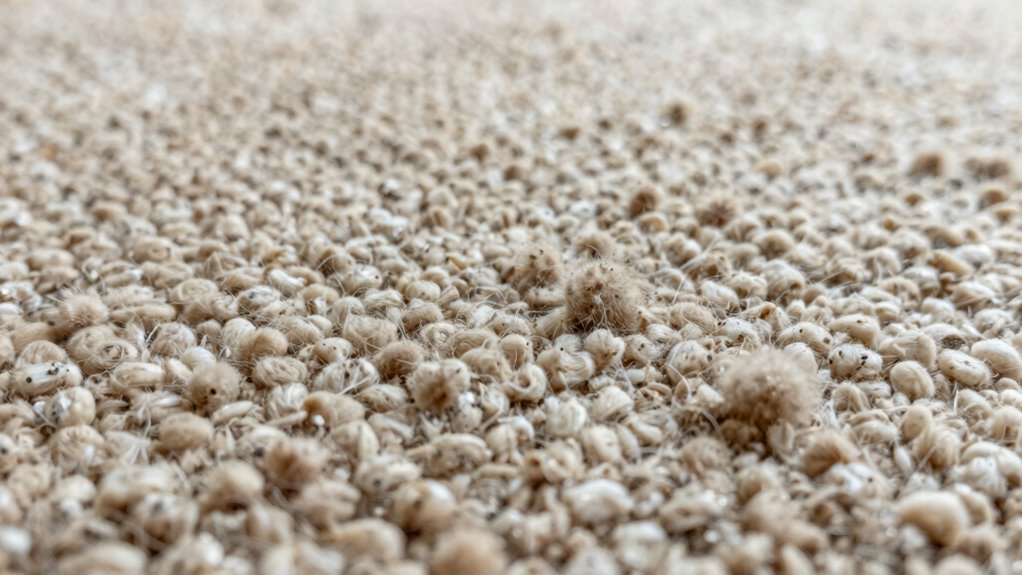
To keep odors from returning, make sure you vacuum regularly to remove dirt and allergens. Clean spills immediately to prevent stains and smells from setting in. Additionally, using odor neutralizers can help keep your carpet smelling fresh between cleanings.
Regular Vacuuming Practices
Regular vacuuming is one of the simplest and most effective ways to keep odors from lingering in your carpet fibers. Maintaining the right vacuum frequency is vital for proper carpet maintenance and odor prevention. To keep odors at bay, consider these tips:
- Vacuum at least twice a week, especially in high-traffic areas.
- Use a vacuum with a HEPA filter to trap microscopic odor-causing particles.
- Don’t forget to vacuum along edges and under furniture for thorough cleaning.
- Deep clean your vacuum regularly to ensure peak performance.
Consistent vacuuming prevents dirt, pet dander, and spills from settling deep into fibers, reducing odor buildup. Proper carpet maintenance through regular vacuuming keeps your carpet fresh, clean, and odor-free longer.
Immediate Spill Cleanup
When spills happen on your carpet, acting quickly is key to preventing odors from setting in. For pet odor or smoke smell, prompt cleanup stops the smell from penetrating deep into fibers. Blot the spill immediately with a clean cloth or paper towel to soak up as much liquid as possible. Avoid rubbing, which can spread the odor further. For pet accidents, use an enzymatic cleaner designed for pet odors to break down the smell molecules. If you spill smoke or ash, vacuum the area carefully to remove any particles. The faster you respond, the less likely odors will become embedded in your carpet fibers. Quick action minimizes odor absorption, making it easier to keep your carpet fresh and odor-free.
Use of Odor Neutralizers
After cleaning up spills promptly, applying odor neutralizers can help prevent lingering smells from returning. Use products that promote enzyme breakdown and boost microbial activity to target stubborn odors effectively. Here are some simple tips:
- Choose enzyme-based neutralizers that break down organic compounds responsible for odors.
- Spray neutralizers evenly over the affected area, ensuring full coverage.
- Allow enough time for microbial activity to work—follow product instructions for drying times.
- Repeat applications if odors persist, as ongoing microbial activity helps prevent odor molecules from re-adsorbing onto fibers.
Frequently Asked Questions
Can Certain Carpet Colors Hide Odors Better Than Others?
Yes, certain carpet colors can hide odors better than others. Darker shades like deep browns and charcoal gray provide better color impact and visual concealment, making stains and odors less noticeable. Light colors, on the other hand, tend to highlight discoloration and residue. So, if you want to minimize the appearance of odors and stains, opt for darker carpets with rich, solid colors that blend in and hide imperfections effectively.
How Long Do Odor Molecules Typically Stay Trapped in Carpet Fibers?
Imagine your pet’s accident lingering for days—odor molecules can stay trapped in carpet fibers for weeks, depending on the situation. Typically, the odor molecule lifespan varies from days to several weeks, influenced by fiber absorption duration and cleaning methods. In most cases, the fibers hold onto these molecules until they’re broken down by cleaning or natural dissipation, so regular vacuuming and deep cleaning are essential to reduce persistent odors.
Are Synthetic Carpets More Prone to Odor Retention Than Natural Fibers?
Synthetic carpets tend to retain odors more than natural fibers because of their lower fiber porosity, trapping molecules tightly. Their synthetic durability makes it harder for cleaning agents to break down odor molecules embedded deep within. You might notice persistent smells, especially if spills or pet accidents occur, since the synthetic fibers don’t breathe like natural ones. Regular cleaning and odor treatments can help reduce this odor retention.
What Are the Long-Term Effects of Repeated Odor Treatments on Carpet Durability?
Repeated odor treatments can lead to carpet fiber degradation over time. You might notice that frequent cleaning weakens the fibers, making them prone to wear and tear. The effects of odor treatment, especially if harsh chemicals are involved, can accelerate this process. To protect your carpet’s durability, use gentle cleaning methods and avoid overdoing odor treatments, ensuring your carpet stays intact and fresh longer.
Can Changing Indoor Humidity Levels Reduce Odor Absorption in Carpets?
Yes, adjusting indoor humidity levels can help reduce odor absorption in carpets. By maintaining ideal humidity through humidity control, you create an environment less conducive to odor molecules settling into fibers. Keeping humidity levels around 30-50% enhances odor mitigation, preventing odors from sticking and lingering. Proper humidity management makes it easier to keep your carpets fresh and odor-free, improving overall indoor air quality.
Conclusion
Now that you understand why odors cling to your carpet, you’re better equipped to tackle them head-on. With the right cleaning methods and preventive tips, you can keep your carpets smelling fresh and inviting. Don’t let odors fester—address them early before they become a permanent fixture. Remember, it’s better to nip problems in the bud than to let them grow. Stay proactive, and your carpets will thank you for it!