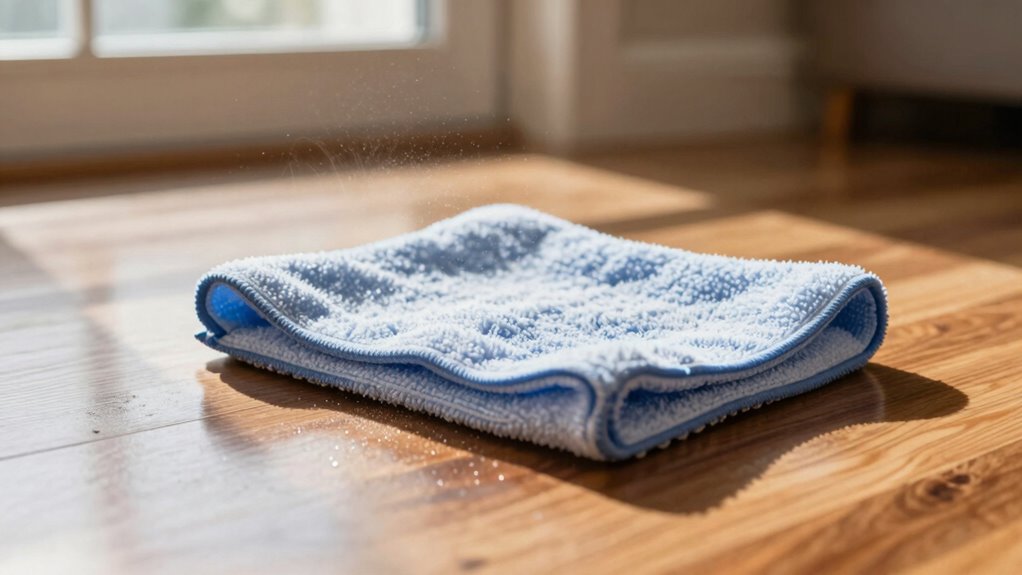

To pick up fine dust quickly without chasing it around, use microfiber cloths or electrostatic dusters that trap particles on contact. Avoid sweeping or dusting methods that just relocate dust into the air. Instead, gently wipe surfaces or use sticky tools like lint rollers to attract dust efficiently. Keep your space organized and regularly maintain your cleaning tools, and you’ll find dust settles faster. Want more tips to make dusting even easier? Keep exploring for expert advice.
Key Takeaways
- Use microfiber cloths or electrostatic dusters to trap fine dust without dispersing it.
- Employ sticky tools like lint rollers or adhesive dusters for quick, efficient dust pickup.
- Incorporate tools with static or anti-static properties to attract and hold dust particles better.
- Wipe surfaces gently with controlled motions to guide dust into collection tools, minimizing airborne spread.
- Maintain organized spaces and use air purifiers to reduce dust sources and improve cleaning efficiency.
Why Fine Dust Is Hard to Pick Up: And How to Fix It
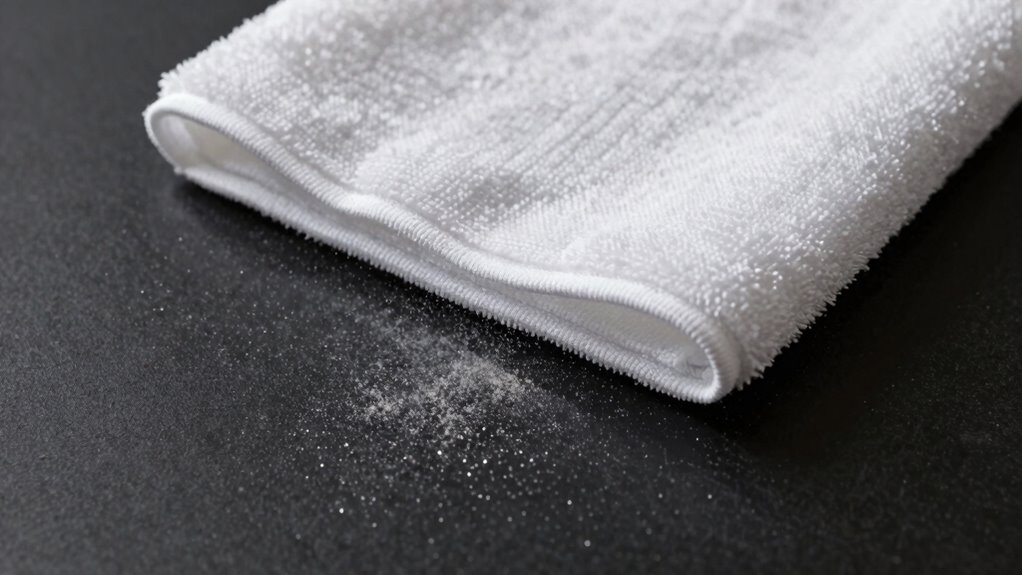
Fine dust is notoriously difficult to pick up because its tiny particles easily slip through traditional cleaning tools and settle into surfaces. These airborne particles are so small that they often resist movement, clinging tightly due to surface adhesion. When you try to sweep or dust with conventional tools, the dust tends to scatter or become airborne again, making the cleaning process frustrating. The particles’ ability to stay suspended in the air or cling stubbornly to surfaces is what complicates cleaning. To fix this, you need tools and techniques that target both airborne particles and surface adhesion effectively. Using methods that trap dust rather than just displace it is key to speeding up the process and preventing dust from settling back quickly. Additionally, employing appropriate cleaning equipment designed to handle fine dust can significantly improve efficiency and results, especially equipment that utilizes HEPA filters which are particularly effective at capturing tiny particles. Incorporating specialized dust cloths that attract and hold fine particles can further enhance cleaning performance and reduce airborne dust. Incorporating dust trapping technologies tailored to fine particles can further improve cleanup efficiency and minimize residual airborne dust.
Choose the Best Tools for Fast Dust Removal
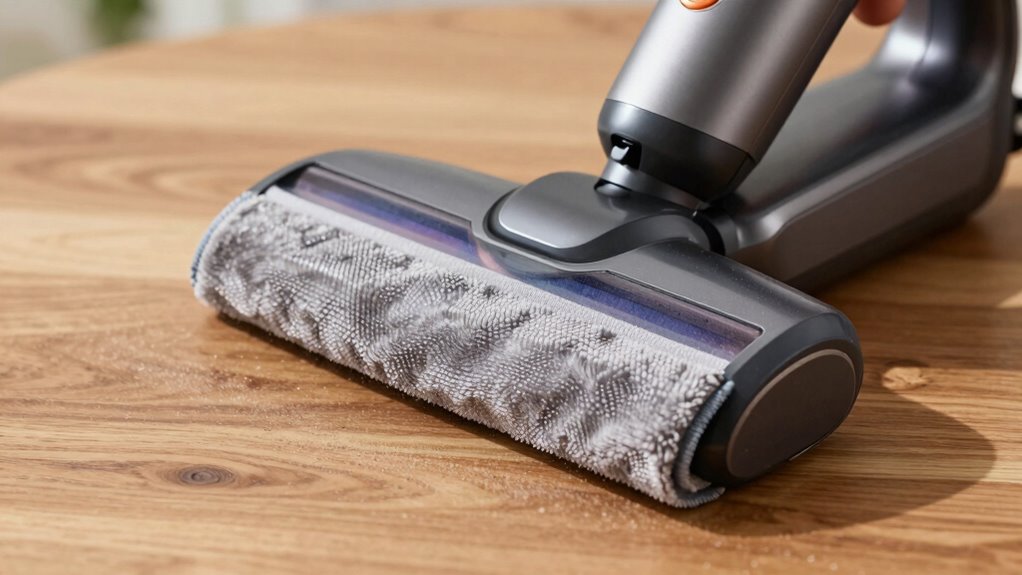
To remove dust quickly and effectively, choosing the right tools makes all the difference. Understanding dust particle characteristics helps you select the most effective equipment. Fine dust particles are lightweight and tend to cling to surfaces, so tools with static or electrostatic properties can attract them better. When selecting tools, consider material choice: microfiber cloths and electrostatic dusters are excellent because they trap dust without dispersing it into the air. Avoid tools that just push dust around, like stiff brushes or dry brooms, which can make the problem worse. Instead, opt for tools made from soft, non-abrasive materials that are designed to pick up and hold fine dust. Proper tool material selection ensures you capture dust efficiently without chasing it or spreading it further. Additionally, choosing tools with static or electrostatic properties can significantly improve dust pickup by attracting fine particles more effectively. Incorporating tools with air purification technology can further enhance dust removal in your cleaning routine. Being aware of dust particle characteristics helps tailor your cleaning approach for optimal results, and selecting equipment with anti-static features can enhance efficiency in dust removal tasks.
Learn Simple Techniques to Pick Up Fine Dust Quickly
To pick up fine dust quickly, use gentle sweeping motions that don’t scatter particles. Sticky tools, like lint rollers or adhesive dusters, can grab dust more effectively than traditional brushes. Mastering these simple techniques will make your cleaning faster and more efficient. Incorporating creative storytelling into your cleaning routine can also make the process more engaging and satisfying. Additionally, understanding dust particle behavior can help you choose the best tools and motions for efficient dust removal. Being aware of particle adhesion helps you select surfaces and tools that prevent dust from resettling immediately after cleaning.
Use Gentle Sweeping Techniques
Using gentle sweeping techniques can make a significant difference when cleaning up fine dust, as harsh motions often just spread particles around instead of removing them. Instead of heavy strokes, use slow, controlled movements to gently lift dust particles from surfaces. Keep your broom or brush close to the surface to avoid lifting dust into the air. Short, sweeping strokes help prevent dust from becoming airborne again. Focus on guiding the dust particles into a dustpan or onto a cloth rather than pushing them around aimlessly. Gentle sweeping minimizes disturbance, making cleanup more efficient and reducing the risk of spreading dust into the air. This careful approach guarantees that fine dust is collected effectively without dispersing it further. Proper technique in sweeping can help enhance cleaning efficiency and reduce airborne particles, especially when considering dust containment strategies. Incorporating gentle motions into your cleaning routine can significantly improve dust removal while maintaining a cleaner environment. Employing dust control methods further ensures that dust stays contained during and after cleaning.
Opt for Sticky Tools
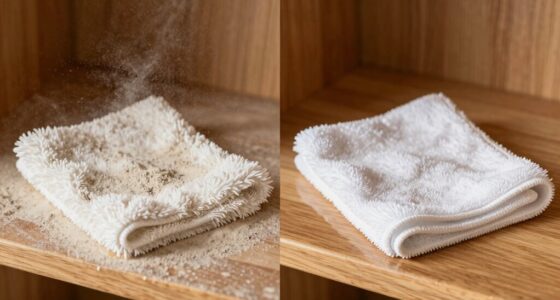
Have you considered how sticky tools can dramatically speed up dust cleanup? These tools are designed to attract dust residue effortlessly, thanks to static cling. A microfiber cloth or lint roller traps fine dust particles quickly without spreading them around. Unlike traditional brooms or dustpans, sticky tools remove dust on contact, minimizing the risk of chasing particles into the air. They’re especially effective on smooth surfaces like electronics, furniture, and window sills. Simply press the sticky surface against the dust, and static cling pulls in even the tiniest particles. This method reduces cleanup time and ensures a thorough job. Keep a lint roller or microfiber cloth handy for fast, efficient dust removal—making your cleaning routine smoother and dust-free in no time. Additionally, static electricity enhances the effectiveness of these tools by attracting even finer dust particles.
Set Up Your Space to Make Dusting Easier and Faster
Creating an organized space is key to making dusting quicker and more effective. When your storage areas are well-organized, you spend less time searching for cleaning tools and more time actually dusting. Clear clutter and designate specific spots for dusting supplies, like microfiber cloths and dusters, so everything is within reach. Improving air quality by reducing dust traps, such as unnecessary decor or clutter, makes dusting less frequent and easier. Keep surfaces tidy and avoid stacking items in ways that trap dust. Regularly air out the space or use air purifiers to maintain better air quality, which minimizes airborne dust particles. Incorporating dust-resistant storage solutions can further reduce dust buildup and make maintenance even easier. Additionally, understanding how airflow and ventilation impact dust distribution can help you optimize your space for easier cleaning. Using electric tools like a Vetted electric bike conversion kit can also encourage more frequent cleaning routines by making it easier to access different areas. Implementing dust barriers can also prevent dust from spreading to other parts of your home, simplifying ongoing maintenance.
Use Proven Cleaning Products for Effective Dust Cleanup
Choosing the right cleaning products is essential for effectively removing fine dust. Use cleaning sprays designed for dust removal to loosen and lift dust particles quickly. These sprays often contain ingredients that trap dust on surfaces, preventing it from becoming airborne again. Dust traps, such as microfiber cloths or specialized dusting tools, are also highly effective—they grab and hold dust without spreading it around. Avoid generic or harsh cleaners that may push dust deeper into surfaces or cause it to scatter. Instead, opt for proven products specifically formulated for dust cleanup. Incorporating dust-trapping techniques and tools can significantly enhance efficiency. Combining the right cleaning sprays with dust traps ensures you remove dust efficiently and reduce the risk of recontamination, making your cleaning routine faster and more effective. Additionally, understanding the operational resilience of your cleaning tools can help maintain a cleaner environment over time. Regularly inspecting and maintaining your cleaning equipment ensures ongoing effectiveness and prolongs their performance for consistent dust removal. Incorporating proper storage of cleaning supplies can also prevent contamination and keep your tools in optimal condition.
Follow a Quick Routine for Dust-Free Spaces
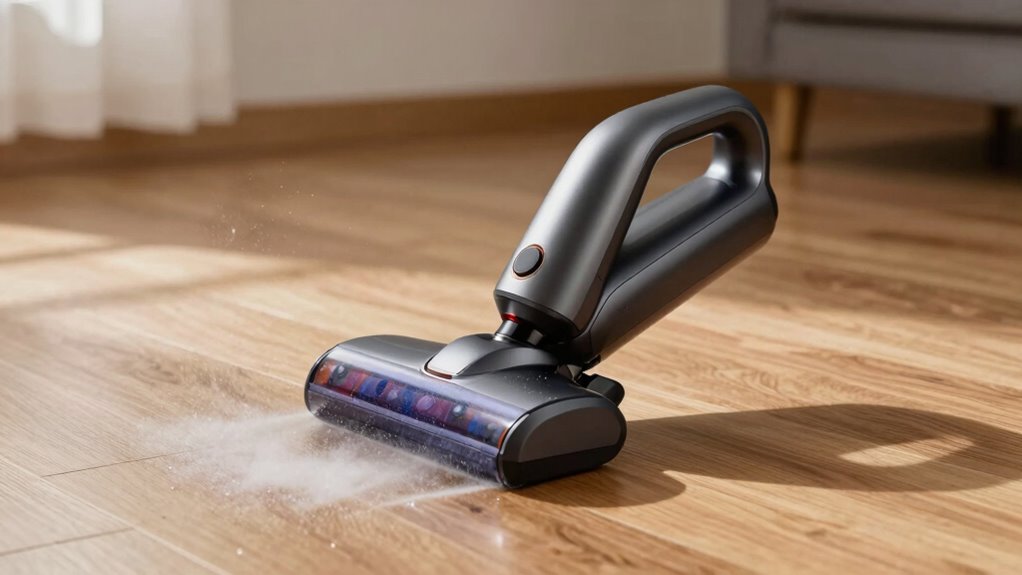
To keep your space dust-free quickly, establish a streamlined cleaning routine that targets high-traffic areas first. Regularly dust surfaces like tables, shelves, and electronics to interrupt the dust cycle before it settles. Focus on areas where dust tends to accumulate and impact air quality the most. Use a microfiber cloth or electrostatic dusters to trap fine dust effectively, reducing airborne particles. Consistent cleaning prevents dust from becoming embedded and keeps indoor air quality high. Incorporate quick daily routines, such as wiping surfaces and vacuuming lightly on busy days, to maintain a dust-free environment. This routine minimizes dust buildup, improves air quality, and stops the dust cycle from spiraling out of control. Staying disciplined with these steps ensures a cleaner, healthier space with less effort.
Avoid Common Mistakes That Make Dusting Harder
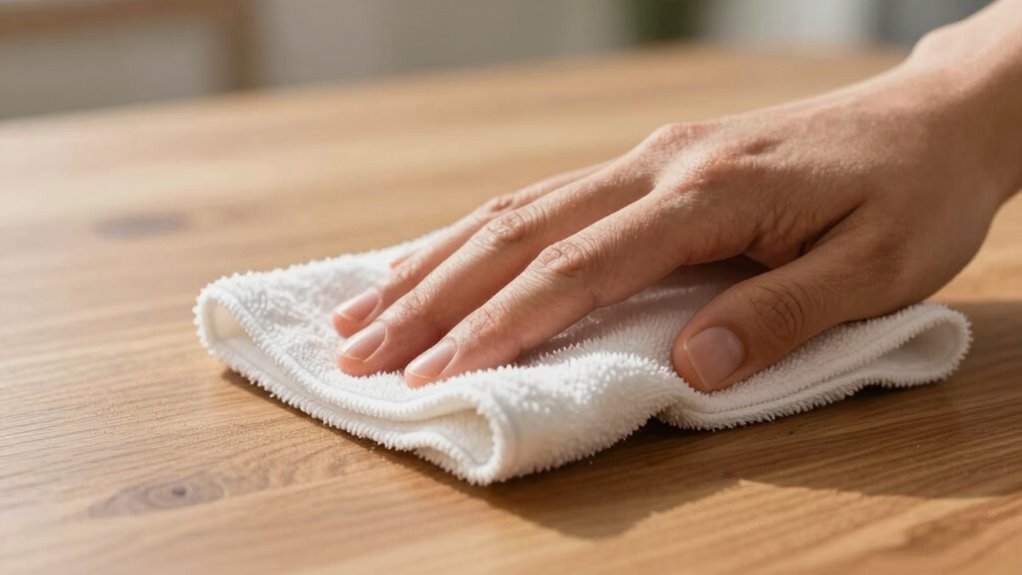
Many people make dusting harder than it needs to be by using the wrong tools or techniques. Common dust myths, like using dry cloths to trap dust, actually spread dust particles into the air and can worsen allergy symptoms. Instead, use damp microfiber cloths, which trap fine dust and reduce airborne particles. Avoid sweeping or dry dusting, as these methods often push dust around rather than remove it. Additionally, neglecting regular cleaning can turn dust into allergy triggers, intensifying dust allergy symptoms. Don’t forget to change or wash cloths frequently to prevent spreading trapped dust. By avoiding these mistakes, you’ll make dusting more effective and create a healthier, dust-free environment without chasing dust around or aggravating allergies.
Maintain Your Space Regularly to Prevent Dust Buildup
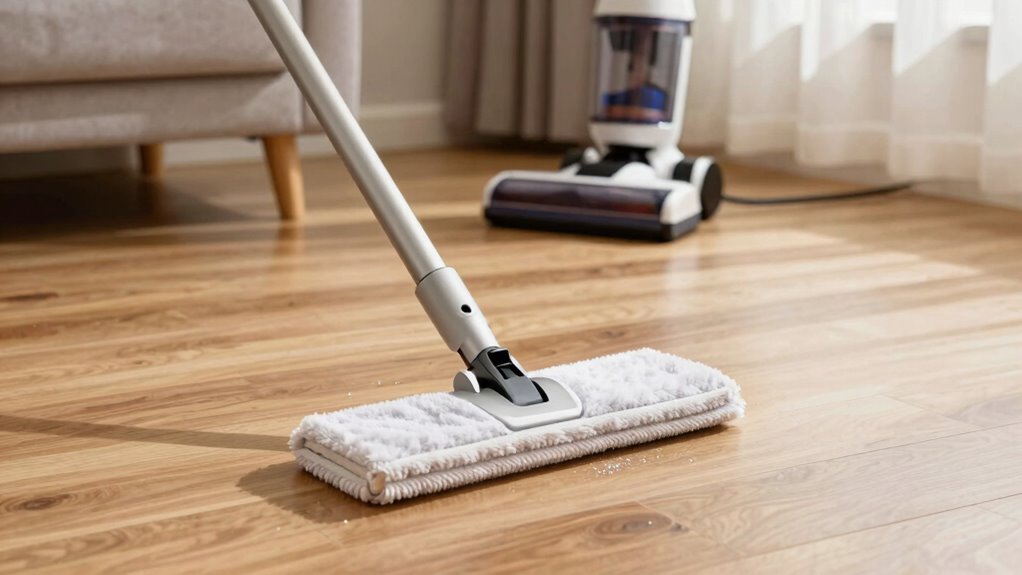
Regular upkeep is essential for preventing dust from accumulating and becoming a bigger problem. When you clean your space consistently, you improve air quality and reduce dust buildup. Regular dust prevention stops fine particles from settling deep into surfaces and corners, making cleaning easier each time. Make a schedule to dust, vacuum, and wipe down surfaces at least once a week. Use a microfiber cloth or damp dusters to trap dust instead of spreading it around. Keep clutter minimal, as it traps dust and hampers airflow. Air circulation is key—use exhaust fans and open windows when possible. Maintaining your space regularly not only keeps dust under control but also creates a healthier environment for you and your family.
Troubleshoot Persistent Dust Issues and When to Get Help

If you notice dust patterns that keep returning despite cleaning, it’s time to identify what’s causing them. Proper troubleshooting involves checking for hidden sources and understanding how dust moves in your space. When these efforts don’t work, you should consider seeking professional help to resolve persistent issues effectively.
Identifying Persistent Dust Patterns
Persistent dust patterns can be tricky to identify, but recognizing them is key to effective cleaning. Look for areas where dust builds up consistently, even after cleaning. These spots often follow specific dust accumulation trends, revealing underlying issues. Airflow patterns play a significant role; dust tends to settle in corners, behind furniture, or near vents where air circulates less effectively. Pay attention to these zones, as they indicate persistent dust pockets. Noticing recurring dust in the same spots helps you understand where dust hides and why it’s hard to eliminate. Once you identify these patterns, you can target cleaning efforts more strategically. If dust keeps returning despite thorough cleaning, it may be time to reassess ventilation or seek professional help to address underlying airflow problems.
Proper Troubleshooting Techniques
When dust keeps returning despite your cleaning efforts, troubleshooting becomes essential to find the root cause. Poor air quality often contributes to persistent dust, so check your ventilation systems and filters. Ensure your HVAC filters are clean and replace them regularly to reduce dust circulation. If dust allergies worsen despite cleaning, consider hidden sources like duct leaks or mold growth, which can trap and release dust. Use an air purifier with HEPA filters to improve indoor air quality and remove fine particles. If these steps don’t resolve the issue, it’s time to consult a professional. Persistent dust problems could indicate structural issues or unseen sources that require expert inspection. Proper troubleshooting helps identify underlying causes and keeps your indoor environment healthier and more comfortable.
Recognizing When to Seek Help
Knowing the signs that indicate it’s time to seek professional help can save you from ongoing frustration and health issues. If you notice persistent dust buildup despite your efforts, it’s a clear sign that you need expert assistance. Consider these indicators:
- Dust returns quickly despite regular cleaning.
- You experience persistent allergies or respiratory issues.
- Standard cleaning methods aren’t effective.
- You suspect hidden sources of dust, like duct leaks or mold.
In these cases, professional assistance is essential. Experts use specialized equipment to identify hidden dust sources and thoroughly clean your space. They can also recommend solutions to prevent future buildup, ensuring a healthier environment. Recognizing when to get help ensures you don’t chase dust around endlessly.
Frequently Asked Questions
Can I Use Natural Remedies to Improve Dust Pickup?
Yes, you can use natural remedies to improve dust removal. Using damp microfiber cloths or natural cleaning solutions like vinegar and baking soda helps trap dust effectively. Regularly dusting with these eco-friendly methods minimizes dust in your space without chasing it around. Natural remedies are gentle, safe, and sustainable, making them a smart choice for efficient dust removal while reducing chemical use in your home.
How Often Should I Dust to Prevent Buildup?
You should dust at least once a week to prevent dust buildup and keep your space fresh. Regular dusting not only prevents dust accumulation but also reduces allergens and improves air quality. Coincidentally, staying consistent with your dusting frequency helps you avoid overwhelming messes and makes cleaning quicker. Don’t wait until you see visible dust—make dusting a routine to maintain a healthier, cleaner environment effortlessly.
Are There Specific Materials Better for Dusting Fine Dust?
You should choose microfiber cloths for dusting fine dust because of their superior efficiency and dust magnetism. Microfiber materials trap tiny particles more effectively than traditional cloths, preventing dust from scattering. By using microfiber, you reduce the need for multiple passes and minimize chasing dust around. Their fine fibers cling to dust, making cleanup quicker and more thorough, especially on delicate surfaces where you want to avoid pushing dust around.
Does Humidity Affect How Easily Dust Can Be Cleaned?
Did you know that humidity effects can substantially improve dust cleaning? Higher humidity causes dust particles to adhere more to surfaces, making them easier to pick up. When humidity levels are just right—around 40-50%—dust clings better, reducing airborne particles. So, increasing humidity slightly can help you clean more efficiently, preventing dust from scattering and settling again quickly. Just avoid excessive moisture, which can cause other cleaning challenges.
What Are Eco-Friendly Cleaning Options for Fine Dust Removal?
You can opt for eco-friendly cleaning by using an air purifier with a HEPA filter to trap fine dust particles efficiently. Pair it with microfiber cloths, which pick up dust without chemicals or disposables, reducing waste. Regularly vacuum with a HEPA-filter vacuum cleaner, and choose natural cleaning solutions like vinegar and baking soda for surfaces. These methods keep your space clean while minimizing environmental impact.
Conclusion
By applying these strategies, you’ll breeze through dusting without chasing fine particles. For example, imagine reducing dust buildup in a busy office by setting up designated cleaning zones and using the right tools—saving time and improving air quality. Regular maintenance and smart techniques turn a tedious chore into a quick, efficient routine. Stick with these tips, and you’ll keep your space spotless and dust-free with minimal effort.