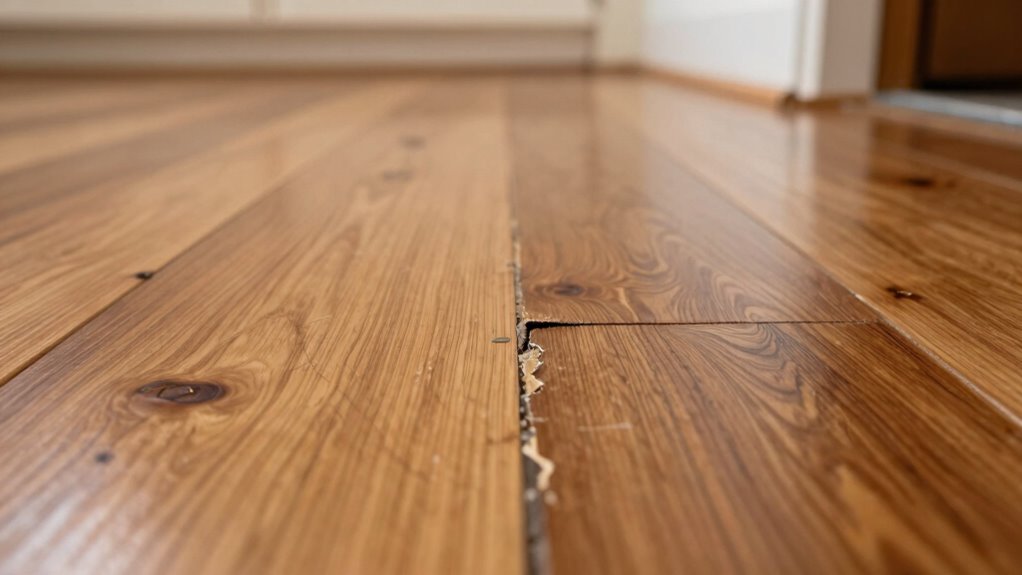

When it comes to hard floor scratches, minor surface scratches often can be fixed with gentle buffing, polish, or touch-up pens matching your floor’s color. However, deep gouges exposing underlying material should be left to professionals, as DIY attempts can cause more harm. Knowing your scratch’s severity helps prevent additional damage. If you want to learn how to identify and handle different types of scratches, continue exploring expert tips and techniques.
Key Takeaways
- Light surface scratches can often be buffed out or repaired with polish or touch-up kits.
- Deep scratches exposing underlying material usually require professional assessment and repair.
- Use rugs and furniture pads to prevent scratches and avoid fixing damage that is due to basic wear and tear.
- Avoid attempting to fix deep gouges yourself, as improper repairs can worsen the damage.
- When in doubt, consult flooring professionals for deep scratches to ensure proper, long-lasting repairs.

Hard floor scratches can quickly diminish the beauty of your flooring and become a frustrating problem to fix. When you notice those unsightly marks, it’s natural to want to repair them immediately. However, understanding which scratches you can fix yourself and which ones are better left alone can save you time, money, and potential damage. The first step to maintaining your floors is implementing good scratch prevention habits. Use rugs or mats in high-traffic areas, and place protective pads on furniture legs to avoid scratches when moving furniture. Regularly cleaning your floors with gentle, non-abrasive cleaners also helps prevent dirt and grit from scratching the surface during routine cleaning. Additionally, performing occasional floor polishing can restore a smooth finish and add a layer of protection, making your floors more resistant to scratches. Assessing the depth of scratches is also important to determine the appropriate repair method.
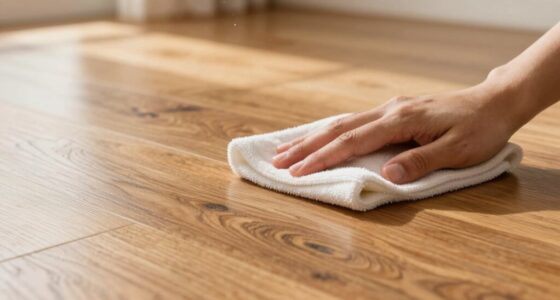
When it comes to fixing minor surface scratches, you’re often able to do it yourself with simple solutions. Light scratches that haven’t penetrated deep into the sealant or finish may be buffed out with a soft cloth and a bit of polish or a specialized floor repair kit. These products are designed to fill in tiny scratches and restore the shine, giving your floors a refreshed look without much effort. For vinyl or laminate flooring, applying a touch-up pen that matches your floor color can effectively hide superficial scratches. Always follow the manufacturer’s instructions to avoid making the damage worse. Remember, the goal is to improve the appearance, not to create new problems.
However, there are scratches that you should leave alone. Deep gouges or scratches that expose the underlying material are often beyond simple DIY fixes. Attempting to sand or fill these can lead to uneven surfaces and may compromise the integrity of your flooring. In such cases, it’s best to consult a professional who can assess the damage and recommend proper repair methods. Trying to fix deep scratches yourself might seem tempting, but improper handling can lead to more costly repairs down the line.
Frequently Asked Questions
Can Hard Floor Scratches Be Removed Permanently?
Hard floor scratches can sometimes be removed permanently if they’re shallow or surface-level, but deep scratches often require professional scratch repair. You might try applying a quality floor polish to mask minor scratches, which can improve your floor’s appearance. However, for stubborn or deep scratches, it’s best to consult a professional to guarantee proper repair. Remember, attempting DIY fixes on deep scratches could cause further damage.
Which Types of Scratches Are Repairable at Home?
You can often fix minor scratches at home using simple polishing techniques like applying a gentle abrasive or a specialized floor polish. Focus on scratches that are shallow and don’t penetrate deeply. To prevent further damage, regularly clean your floors and avoid harsh cleaning tools. Remember, scratch prevention is key, but for deep or stubborn scratches, it’s best to consult a professional.
Are There Any DIY Methods to Fix Deep Scratches?
You can try DIY repairs for deep scratch fixes, but success isn’t guaranteed. Start by cleaning the area thoroughly, then fill the scratch with a matching wood filler or touch-up pen. For deeper gouges, consider using a wood stain or wax stick to blend the damage. While these methods work in some cases, remember that deep scratches might need professional help for a seamless repair.
When Should I Call a Professional for Scratches?
You should call a professional for scratches if they are deep, extensive, or if DIY fixes don’t work. A professional repair expert can evaluate the damage properly and restore your floor’s appearance. For severe scratches or multiple damaged areas, consider floor replacement to ensure longevity and safety. Don’t hesitate to seek professional help to avoid further damage and achieve the best results, saving you time and money in the long run.
Do Certain Floor Finishes Hide Scratches Better?
Certain floor finishes, like matte or satin, hide scratches better, while glossy finishes tend to show them more. You should choose a finish that balances shine and scratch concealment, depending on your lifestyle. A finish with a softer sheen can help hide minor scratches, making your floors look newer longer. Ultimately, selecting the right floor finish enhances scratch concealment and maintains the beauty of your floors over time.
Conclusion
Now that you know what scratches you can fix and which ones to leave alone, you’re better equipped to care for your floors. Remember, a little patience goes a long way—think of it as channeling your inner Victorian housekeeper, delicate yet determined. Don’t be tempted to wield a butter knife like a sword; instead, stick to the right tools and methods. With gentle care, your floors will stay gleaming, even if they’ve seen a few battles.