To prevent your tile floors from feeling sticky in humid weather, use a damp mop with minimal water and microfiber cloths to avoid residue buildup. Regularly rinse and wring your mop, dry the floor thoroughly afterward, and apply a high-quality sealant to repel moisture. Keep surfaces clean by sweeping daily and avoiding harsh chemicals. Implementing these tips helps keep your floors fresh and less sticky — learn more to maintain pristine tiles even in humidity.

Get cleaning gear delivered free with Prime
- Fast, free delivery on millions of items
- Prime Video, Amazon Music and more included
- Member-only deals all year
Key Takeaways
- Use damp microfiber mops with minimal water and rinse frequently to prevent residue buildup.
- Dry the floor thoroughly after mopping to eliminate residual moisture.
- Apply a high-quality sealant designed for humid environments to repel moisture.
- Regularly sweep or vacuum high-traffic areas to prevent dirt accumulation and moisture trapping.
- Avoid harsh chemicals; opt for pH-neutral cleaners to prevent sealant degradation and residue.
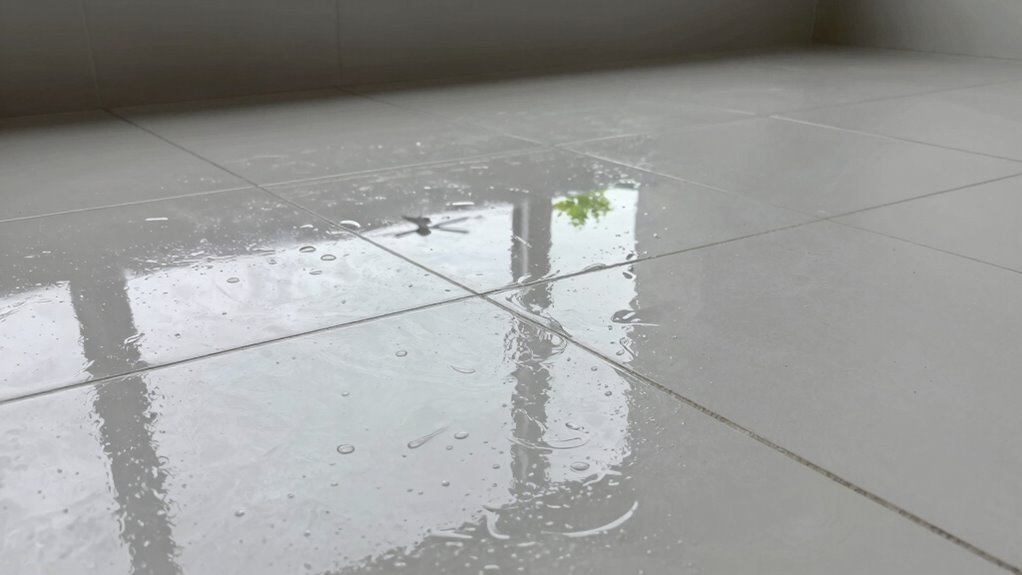
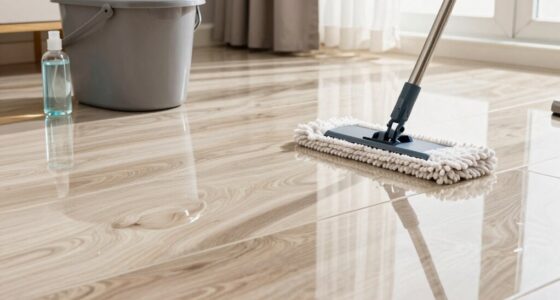
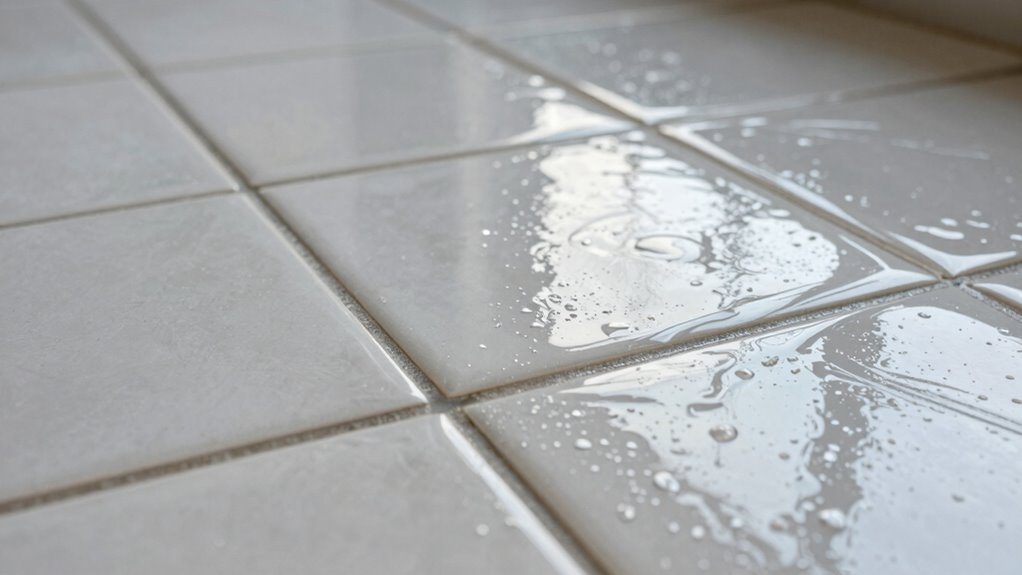
During humid weather, tile floors often feel sticky and uncomfortable, making your space less inviting. The moisture in the air can cause dirt, grime, and even leftover cleaning residue to cling to the surface, intensifying the stickiness. To combat this, you need to refine your cleaning approach and consider protective measures that prevent moisture buildup. One effective way to do this is by perfecting your mop techniques. Instead of using excessive water, opt for a damp mop—just enough moisture to lift dirt without leaving excess water behind. Use microfiber mops that trap dust and grime more efficiently, and make sure to rinse and wring them out frequently during cleaning. This prevents muddy streaks and reduces residual moisture on the floor, which is a common cause of stickiness in humid conditions.
Additionally, it’s essential to pay attention to sealant options. Applying a high-quality sealant creates a barrier that repels moisture, preventing it from seeping into the tile and grout. This not only keeps the surface cleaner but also reduces the likelihood of sticky residue forming over time. When choosing a sealant, look for products specifically designed for high-humidity environments—these are typically more durable and resistant to moisture penetration. Before sealing, ensure your tile floor is thoroughly cleaned and dried; this guarantees better adhesion and longevity of the sealant. Reapply the sealant every couple of years or as recommended by the manufacturer to maintain its protective properties.
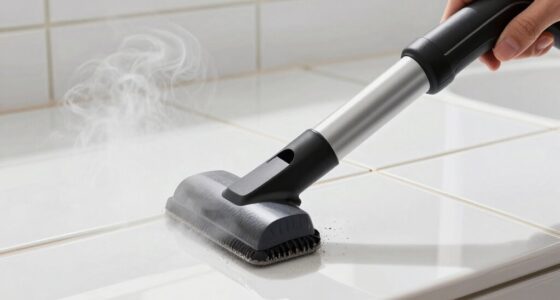
Regular maintenance also plays a significant role. Sweeping or vacuuming daily removes loose dirt and prevents it from settling into the grout lines, which can trap moisture. Follow up with your damp mop technique, paying special attention to high-traffic areas where dirt accumulates faster. When mopping, avoid harsh chemicals that can leave residues or degrade your sealant. Instead, use pH-neutral cleaners designed for tile floors. After mopping, dry the surface with a clean microfiber cloth or towel—this step is vital because even small amounts of water left on the surface can lead to stickiness in humid conditions.
Ultimately, maintaining a balance between proper cleaning methods and protective sealants will keep your tile floors cleaner and less sticky during humid weather. By refining your mop techniques to reduce excess water and choosing the right sealant options, you create a barrier that resists moisture and grime buildup. This approach ensures your floors stay fresh, dry, and inviting, no matter how high the humidity climbs outside.
As an affiliate, we earn on qualifying purchases.
Frequently Asked Questions
Can Specific Tile Types Resist Stickiness Better Than Others?
You’ll find porcelain tiles resist stickiness better than ceramic because of porcelain’s durability and low porosity. Porcelain’s dense surface prevents moisture absorption, making it less prone to feeling sticky in humid weather. Ceramic tiles, with higher porosity, tend to absorb moisture, which can lead to a sticky surface. Choosing porcelain over ceramic helps maintain a cleaner, less sticky floor, especially in damp or humid environments.
How Often Should I Clean My Tile Floors in Humid Climates?
You should mop your tile floors at least twice a week in humid climates to maintain a clean, sticky-free surface. Establish a consistent cleaning schedule, and increase frequency if you notice more moisture or dirt buildup. Regular mopping helps prevent stickiness and mold growth. Use a gentle cleanser suitable for tiles, and make sure you’re drying the floor thoroughly after each clean to keep your tiles fresh and dry.
Are There Any Commercial Products That Prevent Sticky Tile Floors?
You’re in luck—there are commercial products that can help. Look for sealants designed for tile floors, which create a barrier to prevent stickiness, or use anti-stick sprays before walking on the tiles. These products act like a shield, keeping your floors feeling clean and dry even in humid weather. Just be sure to follow the instructions carefully so you don’t cause any unwanted buildup.
Does the Type of Grout Affect How Quickly Floors Become Sticky?
Yes, the type of grout can affect how quickly your floors become sticky. Sealed grout helps prevent moisture absorption, reducing stickiness, especially if you choose a grout color that matches your tiles to minimize visible stains. Regular grout sealing keeps moisture out and maintains a cleaner surface, so you’re less likely to experience sticky floors. Keep up with sealing and pick the right grout color for a more comfortable, less sticky tile experience.
Can Humidity Control Devices Eliminate Stickiness on Tile Floors?
Yes, humidity control devices can substantially reduce the stickiness on your tile floors. By actively managing indoor moisture levels, they prevent excess humidity that causes that tacky feeling. Plus, they help mold prevention, keeping your space healthier. Imagine walking barefoot without that uncomfortable stickiness—humidity control makes it possible. Don’t wait—invest in a quality dehumidifier, and enjoy a fresher, cleaner, and more comfortable home today.
As an affiliate, we earn on qualifying purchases.
Conclusion
Now that you know how to combat that sticky sensation, your tile floors can become as invigorating as a cool breeze on a hot day. Think of your cleaning routine as a gentle rain washing away the humidity’s stubborn grip, leaving your floors smooth and inviting. With a little effort and the right tips, you’ll create a space that feels crisp and clean, no matter how humid the weather gets. Say goodbye to stickiness and hello to comfort!
As an affiliate, we earn on qualifying purchases.
moisture-resistant grout sealant
As an affiliate, we earn on qualifying purchases.
As an affiliate, we earn on qualifying purchases.
Halloween Picks
halloween
As an affiliate, we earn on qualifying purchases.