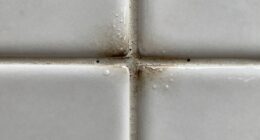
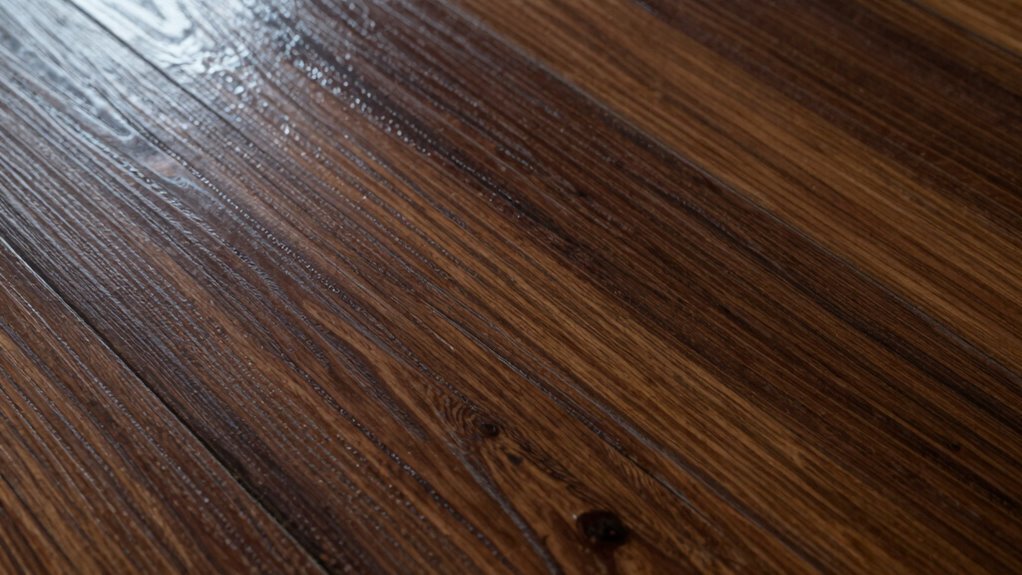
Hard floor streaks usually happen because of three common issues: using worn-out or dirty cleaning tools that spread residue, applying too much water or incompatible cleaning solutions, and using improper techniques that push dirt around instead of removing it. To keep your floors spotless, you need the right tools, techniques, and solutions. If you want to identify the exact cause and learn how to fix it, there’s plenty more to uncover that can help your floors shine streak-free.
Key Takeaways
- Residue from worn or dirty cleaning tools often causes streaks on hard floors.
- Using incompatible or excessive cleaning solutions can leave streaks and residue.
- Over-wetting floors, especially sensitive surfaces like wood, leads to streaks and water spots.
- Improper cleaning techniques, such as spreading dirt instead of removing it, contribute to streaks.
- Inadequate equipment maintenance, like worn-out mops or dirty pads, can cause persistent streaking.
What Causes Streaks on Hard Floors?

Have you ever noticed streaks lingering on your hard floors after cleaning? It often comes down to the cleaning tools you use and the floor materials. Using the wrong cleaning tools, like a worn-out mop or dirty cloth, can leave residue behind, causing streaks. Additionally, if your cleaning tools aren’t suitable for your floor type, they might not clean effectively, spreading dirt instead of removing it. Floor materials also matter—wood, tile, laminate, and vinyl each have different needs. For example, using too much water on wood floors can create streaks and damage the surface. On the other hand, ceramic tiles might require a different approach. Choosing the right cleaning tools for your specific floor material helps prevent streaks and keeps your floors looking their best. Proper floor maintenance is essential to avoid common issues like streaking and damage, and understanding cleaning techniques can further improve your results. Additionally, selecting appropriate cleaning solutions tailored to your floor type can significantly reduce streaking and enhance cleanliness.
How Can You Diagnose Why Your Floors Are Streaking?
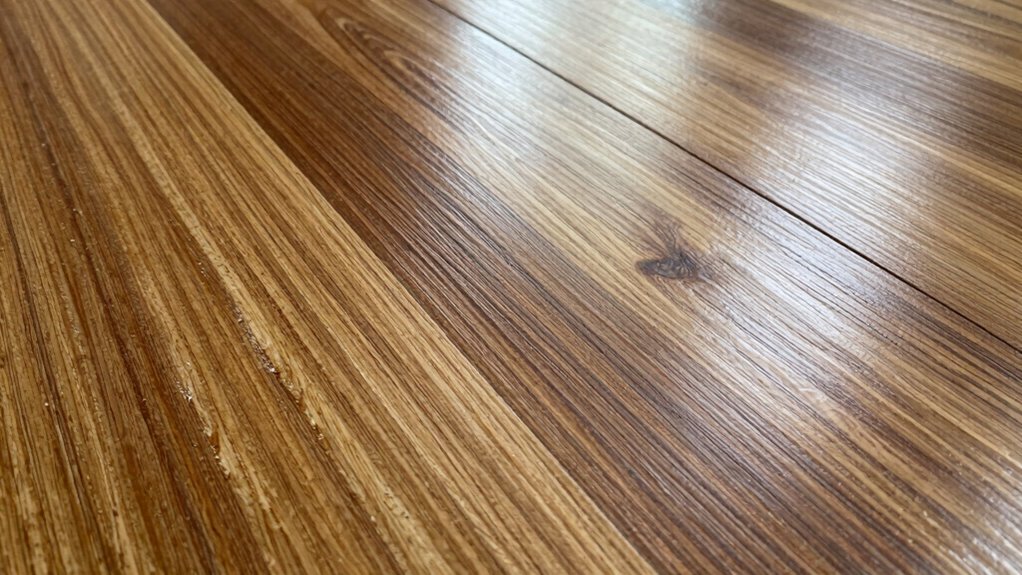
Streaks on your floors can be frustrating, but identifying the cause is the first step to fixing the issue. To diagnose, examine your cleaning equipment—are your mop pads clean and in good condition? Dirty or worn-out tools can leave streaks. Also, consider your floor’s texture; highly textured surfaces may trap residue, causing streaking if not cleaned properly. Look for patterns—are streaks appearing after specific cleaning methods or products? Conduct a quick test: clean a small area with different equipment or cleaning solutions and observe the results. Being aware of your cleaning techniques and equipment care can help prevent streaks from forming in the first place. Additionally, understanding how professional services approach maintenance and restoration can offer insights into achieving streak-free floors. Regularly inspecting and maintaining your cleaning tools and following proper floor cleaning methods can significantly reduce streaking issues, especially when combined with suitable cleaning solutions tailored for your floor type.
Easy Fixes and Tips to Keep Your Floors Streak-Free

To keep your floors looking spotless and streak-free, adopting simple cleaning habits can make a big difference. Start by choosing the right mop types—microfiber mops are gentle yet effective at picking up dirt without leaving streaks. Establish a consistent cleaning schedule, such as mopping once or twice a week, to prevent buildup that causes streaks. When mopping, use a damp, not soaked, mop and a cleaning solution suitable for your floor type. Always rinse and wring out the mop thoroughly to avoid excess water. Additionally, dry the floor with a clean, soft cloth or a dry mop after mopping to prevent water spots. Incorporating proper floor care techniques can also help maintain a streak-free shine and prolong your floors’ beauty. Proper cleaning tools selection and technique are essential to avoid residue and streaks. Using the correct techniques can also minimize the risk of residue buildup, which often leads to streaky floors. Regular maintenance and employing effective cleaning methods can further enhance your efforts to keep your floors pristine.
Frequently Asked Questions
Can Different Types of Flooring Materials Cause Streaks?
Yes, different flooring materials can cause streaks. The type of floor finish and floor texture play significant roles in how streaks appear after cleaning. For example, high-gloss finishes tend to show streaks more easily, while textured surfaces may hide them better. Using improper cleaning products or applying unevenly can also accentuate streaks, especially on materials like laminate or stone, making it essential to choose the right cleaning method for each floor type.
Do Cleaning Tools Impact Streak Formation?
You might notice streaks after cleaning because your cleaning cloths or mop types aren’t quite up to the task. Using a damp, lint-free cloth or a microfiber mop can help you avoid streaks, ensuring a smooth finish. Cheap or worn-out tools can leave behind residue or push dirt around, making streaks more likely. Choose the right cleaning cloths and mop types, and you’ll keep your floors looking spotless without those pesky marks.
How Does Humidity Affect Streaking on Hard Floors?
Humid air can cause streaking on your hard floors by promoting moisture buildup, which leaves behind a film when you mop. When the air’s humidity is high, your cleaning solution may not dry evenly, resulting in streaks. To prevent this, use a well-wrung mop and ensure proper ventilation. Reducing humidity levels with dehumidifiers can also help your floors dry faster and stay streak-free.
Are Certain Cleaning Products Better for Streak-Free Floors?
Yes, certain cleaning products are better for streak-free floors. Eco-friendly cleaning solutions and pH-balanced formulas are gentle on your floors, reducing streaks and residue. You should choose cleaners that are free from harsh chemicals and designed for hard floors. Using these products helps you achieve a shiny, streak-free finish while also being environmentally friendly. Always follow the manufacturer’s instructions for best results and avoid overly wet mops that can cause streaking.
How Often Should I Deep Clean to Prevent Streaks?
You should deep clean your floors every 4 to 6 weeks to prevent streaks. Use a proper mop technique, ensuring you’re not overwetting the mop and rinsing it frequently. Regular cleaning frequency helps avoid buildup of dirt and residues that cause streaks. When you deep clean, focus on thorough rinsing and drying, which minimizes streaks and keeps your floors shiny. Consistent cleaning habits make streak-free floors easier to achieve.
Conclusion
Sometimes, those streaks on your hard floors are just a coincidence—maybe a forgotten cleaning cloth or a sudden change in your cleaning routine. By paying close attention and troubleshooting the common causes, you might find it’s simpler than you thought. A little awareness and consistent care often turn streaks into a thing of the past. After all, life’s little coincidences can sometimes lead to the clearest floors you’ve ever had.