TL;DR

Get cleaning gear delivered free with Prime
- Fast, free delivery on millions of items
- Prime Video, Amazon Music and more included
- Member-only deals all year
An Ideal Home report names six houseplants it describes as pet-friendly: spider plant, Kentia palm, calathea, Chinese money plant, Boston fern and polka dot plant. The report cites plant experts who say these choices are non-toxic or safe for cats and dogs, but warns that eating large quantities of any plant may cause stomach upset.
Ideal Home has highlighted six houseplants it describes as safe for cats and dogs, including spider plants, Kentia palms and Boston ferns. The report draws on comments from plant specialists, but also cautions that eating a large amount of even a pet-safe plant can upset an animal’s stomach.
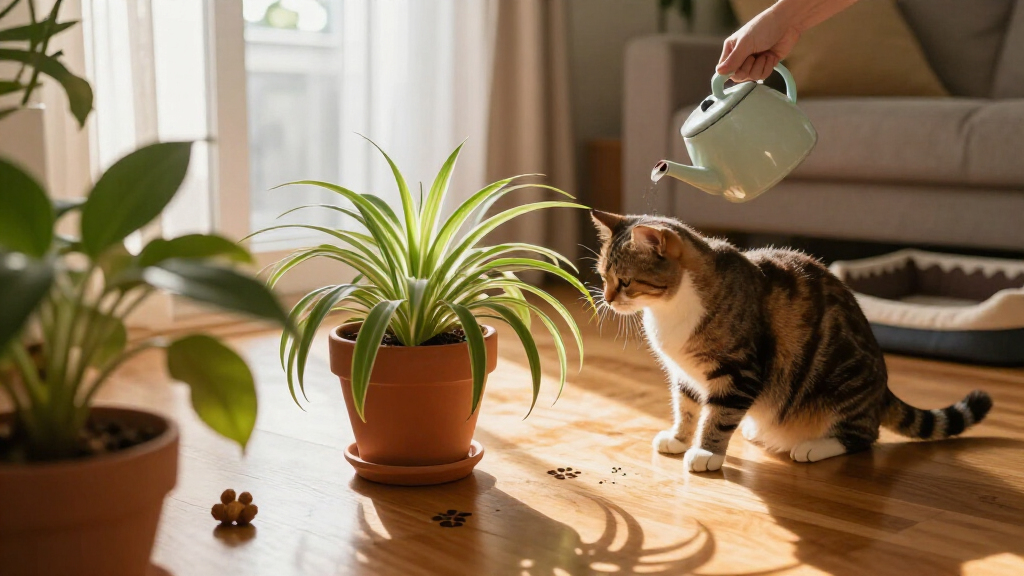
The six plants named are the spider plant, Kentia palm, calathea, Chinese money plant, Boston fern and polka dot plant. The report says they offer options for different spaces and growing conditions, from the spider plant’s hanging stems to the Kentia palm’s taller, architectural fronds.
Jo Lambell, founder of Beards & Daisies, recommends spider plants, describing them as non-toxic and easy to care for. She says cats may chew them. Lambell also identifies Kentia palms as suitable for lower-light areas and Boston ferns as a safe choice that likes humid conditions, such as a bathroom.
Gardening Express plant expert Nick Wood is cited on calatheas, Chinese money plants and polka dot plants. The report says calatheas suit bright rooms away from direct light; Chinese money plants prefer bright, indirect light and soil that dries slightly between waterings; and polka dot plants need bright, indirect light to keep their colouring. These are care recommendations from the article, not guarantees that a plant will thrive in every home.
Safer Greenery for Pet Homes
The list gives cat and dog owners specific plants to research instead of assuming all popular indoor greenery carries the same risk. It also links each choice to a practical feature: a spider plant is easy to propagate, a Kentia palm can suit a dimmer corner, and a Boston fern may work in a humid room.
That guidance matters because pets can chew leaves or disturb pots, and the source explicitly warns that plant safety does not make eating plants harmless. Owners still need to monitor pets that chew frequently and consider where plants are placed. A pet-friendly label should not replace checking reliable veterinary or poison-control guidance if an animal eats a plant and becomes unwell.
pet-safe houseplants for cats and dogs
As an affiliate, we earn on qualifying purchases.
As an affiliate, we earn on qualifying purchases.
The Six Plants and Their Care
The report frames the plants as alternatives for people who want indoor greenery but are concerned about toxic varieties. Its selections cover a range of appearances: the spider plant produces small offshoots, the calathea and polka dot plant are valued for patterned leaves, and the Chinese money plant has round, coin-shaped foliage.
Care needs differ. According to the experts quoted, the Chinese money plant should dry slightly between waterings, while the polka dot plant prefers lightly moist soil and may be pinched back to encourage fuller growth. Calatheas are associated in the article with northeast- or west-facing rooms. The supplied report also mentions hanging planters and pot grids as ways to keep plants away from pets or discourage digging, but these measures do not establish that a plant is inaccessible or risk-free.
“Even pet-safe plants can upset a tummy if they’re eaten in bulk, so it’s worth keeping an eye on any serial chewers.”
— Jo Lambell, founder of Beards & Daisies
As an affiliate, we earn on qualifying purchases.
Limits of Pet-Safety Advice
The source does not provide a veterinary study, toxicology references or details about how the plants were assessed. Its safety descriptions are attributed to plant specialists, and the supplied material does not specify whether risk varies by plant variety, the amount eaten or an individual animal’s health.
The report says that any plant may cause physical irritation if too much is eaten. It does not give symptom thresholds or medical advice for ingestion. Owners should contact a veterinarian or an appropriate animal poison service if a pet eats a plant and shows concerning symptoms, rather than relying on the list alone.
As an affiliate, we earn on qualifying purchases.
Check Before Bringing Plants Home
Readers considering one of the six plants can confirm the plant’s identity and care requirements with the seller, then check current pet-safety information with a veterinarian or trusted animal poison resource. Placement may reduce access, but hanging pots and protective grids are not a substitute for supervision, particularly for pets that repeatedly chew leaves or dig in soil.
The supplied report does not announce a follow-up study or a future update. Its practical next step for pet owners is to choose a plant suited to the room, monitor their animal’s behavior and seek veterinary advice if ingestion leads to illness.
As an affiliate, we earn on qualifying purchases.
Key Questions
Which six houseplants does the report list as pet-friendly?
It names the spider plant, Kentia palm, calathea, Chinese money plant, Boston fern and polka dot plant.
Does pet-friendly mean a plant can be eaten safely?
No. The report warns that large amounts of any plant can upset a pet’s stomach, even if the plant is described as pet-safe.
Which plants are suggested for lower-light or humid rooms?
Jo Lambell says the Kentia palm copes with lower light and the Boston fern likes humidity, making a bathroom a possible location if its other growing needs are met.
What should I do if my pet eats a houseplant?
The report does not provide treatment instructions. If your pet eats a plant and becomes unwell, contact a veterinarian or an animal poison service and identify the plant if possible.
Source: rss
Fall Picks
fall essentials
As an affiliate, we earn on qualifying purchases.